The Working Sports a Doberman Was Built For
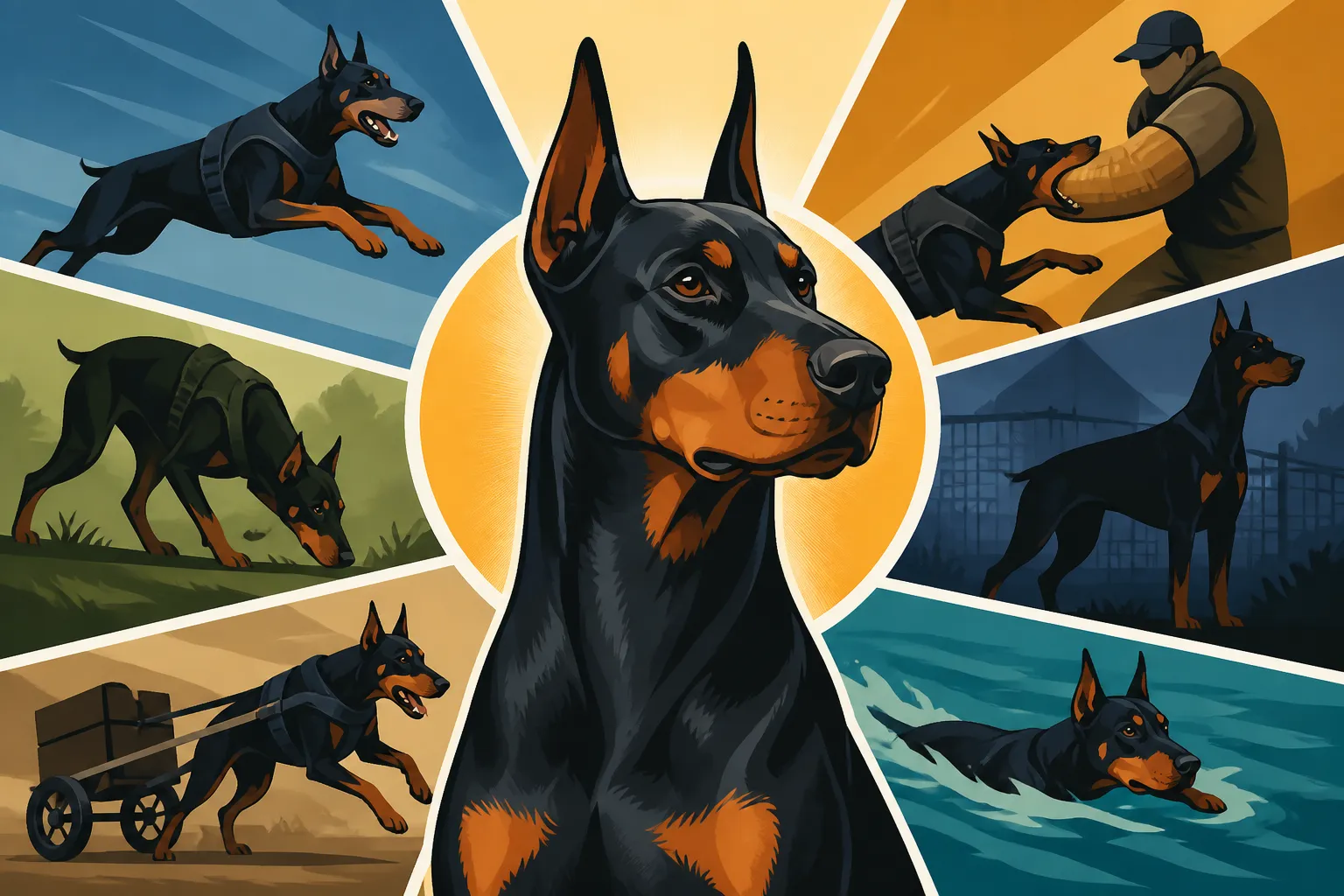
For those of us who share our lives with a Doberman, we quickly learn that beneath that sleek, elegant exterior lies a powerhouse of energy, intelligence, and a deep-seated desire to have a job. Letting that incredible drive sit idle can lead to a host of frustrations, from destructive chewing to relentless demand barking, simply because they're bored and understimulated. This comprehensive guide will explore the various working sports and activities Dobermans excel at, providing the vital outlets they need to thrive, channel their incredible instincts, and build an even stronger partnership with you.
Understanding the Doberman's Innate Drive for Work
The Doberman Pinscher wasn't bred to be a couch potato; they were meticulously developed for protection and companionship, tasks that demanded sharpness, courage, and a strong work ethic. Understanding this foundational aspect of their breed is crucial to appreciating why working sports are not just a hobby, but often a necessity for their well-being. Trying to ignore this inherent drive is like trying to convince a fish not to swim – it goes against their very nature.
Historical Roots in Protection and Utility
Back in the late 19th century, Karl Dobermann, a tax collector, sought to create the ultimate protection dog to accompany him on his rounds. He wasn't looking for a casual family pet; he needed a fearless, intelligent, and loyal companion capable of deterring threats and acting decisively. The breeds he selectively combined, like Rottweilers, German Pinschers, and Greyhounds, instilled in the Doberman an unparalleled blend of strength, speed, and protective instinct. This history means that your Doberman often comes hardwired with a genetic blueprint for vigilance and purpose, traits that need a constructive outlet. When we bring a Doberman into our modern homes, we inherit this rich working legacy, and it's our responsibility to honor it.
The Doberman Temperament: More Than Just a Pet
The Doberman's standard temperament describes a dog that is "energetic, watchful, determined, alert, fearless, loyal, and obedient." These aren't just pretty words on paper; they manifest as real, tangible traits in your everyday life. A Doberman who is "watchful" might alert to every leaf blowing past the window, and "energetic" means they aren't content with just a leisurely stroll around the block. Without a structured way to engage these traits, a Doberman can become anxious, reactive, or even destructive. They thrive on having a purpose, a challenge to overcome, and a strong partnership with their handler. Simply put, they are thinking dogs who need their brains engaged just as much as their bodies. This is also why they are known as "Velcro Dobermans" – they want to be part of everything you do, and that includes working alongside you. For more on their foundational traits, check out The Doberman the AKC Standard Describes.
Competitive Obedience: Precision and Partnership
Competitive obedience might sound dry to some, but for a Doberman, it's a thrilling exercise in precision, mental focus, and building an unbreakable bond with their handler. It's far more than just "sit" and "stay"; it's about executing complex sequences with grace and accuracy, often in distracting environments. This sport taps into their desire to please and their remarkable intelligence, offering a profound sense of achievement for both dog and owner.
The Foundation of Any Doberman Sport
Before a Doberman can leap over hurdles in agility or track a scent across a field, they need a solid foundation in obedience. This isn't just about basic manners; it's about developing a profound understanding of cues, maintaining focus under pressure, and building a communication system that transcends words. Think of it as teaching your Doberman how to learn, how to think critically, and how to stay engaged even when their instincts are pulling them in a different direction. Many owners find that starting with a comprehensive online program, like the offerings from BAXTER & Bella, can lay an excellent groundwork, providing structured lessons that help you understand how to best motivate your clever Doberman. This foundational training builds the trust and control necessary for any advanced activity.
Advancing Through Obedience Titles
Competitive obedience offers a ladder of achievement, from Novice to Open and Utility classes, each demanding increasing levels of difficulty and precision. In Novice, you'll work on familiar commands like heel, sit, stay, recall, and retrieve. As you move into Open, exercises become more complex, introducing directed retrieves, broad jumps, and out-of-sight stays. Utility is where the real brainpower comes in, with scent discrimination, directed jumping, and silent signals. For a Doberman, these challenges are incredibly satisfying. They love the problem-solving aspect and the clear feedback they get from their handler. Earning titles through these levels isn't just a point of pride; it's a testament to the dedication and teamwork between you and your Doberman, proving just how much they can achieve when properly guided. These pursuits are fantastic for Keeping a Doberman Mentally Tired.
| Obedience Title Level | Key Skills Emphasized | Doberman Suitability |
|---|---|---|
| Novice (CD) | Heel, Sit, Stay, Come, Stand for Exam, Retrieve | Excellent for all Dobermans; builds confidence and focus. |
| Open (CDX) | Drop on Recall, Broad Jump, Directed Retrieve, Out-of-Sight Stays | Great for Dobermans with strong basic obedience and drive. |
| Utility (UD) | Scent Discrimination, Directed Jumping, Go-Outs, Signal Excercises | Ideal for highly intelligent Dobermans who thrive on complex mental challenges. |
Protection Sports: Tapping Into Instinct (Responsibly)
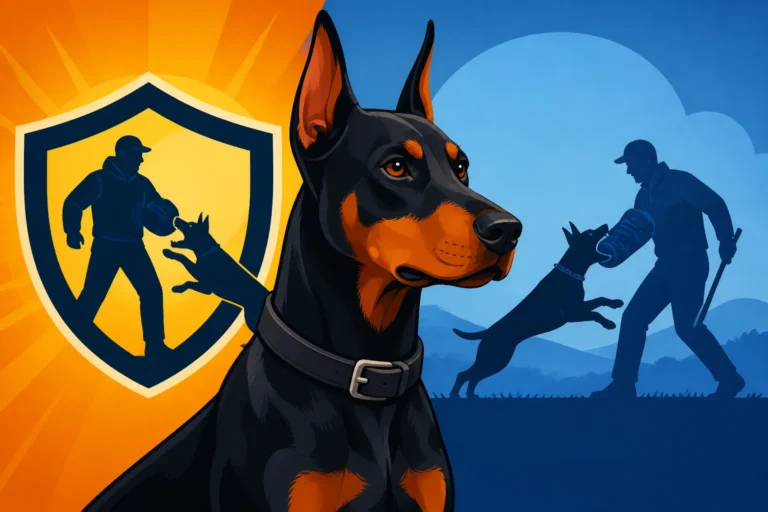
The mention of "protection sports" often conjures up images of aggressive dogs, but for Dobermans, these activities are a highly structured and disciplined way to channel their innate guarding instincts. This isn't about fostering aggression in a pet; it's about teaching control, discernment, and precise execution of protective behaviors on command. It’s a profound test of a Doberman’s nerve, obedience, and natural prey drive, all under strict control. It's absolutely crucial to remember that Why Bite Work Is Wrong for a Pet Doberman is a separate conversation entirely. These sports require a specific temperament and extensive, professional guidance.
Deciphering IPO/IGP and Schutzhund
When people talk about Doberman protection sports, they're typically referring to disciplines like IPO (International Prüfungsordnung), now largely known as IGP (Internationale Gebrauchshunde Prüfungsordnung), and its German predecessor, Schutzhund (German for "protection dog"). These are international dog sports designed to test a dog's natural abilities, intelligence, and desire to work. They consist of three distinct phases: Tracking, Obedience, and Protection. The combination of these phases showcases the Doberman's versatility and athleticism. It’s not just about the bite work; a Doberman must excel in all three areas to earn a title. This holistic approach ensures a well-rounded working dog, not just a dog capable of aggression.
The Phases of Protection Training for a Doberman
Each phase of IGP/Schutzhund is demanding in its own right:
- Tracking (Phase A): This phase requires the Doberman to follow a human track for a specified distance and time, locating articles dropped by the track layer. It's a testament to the dog's focus, scenting ability, and endurance. The Doberman must work methodically, keeping its nose to the ground, ignoring distractions, and indicating found articles. It’s a remarkable display of concentration and natural talent, showcasing how much Putting a Doberman's Nose to Work can achieve.
- Obedience (Phase B): This is a much more advanced form of competitive obedience, performed off-leash and often in a trial setting with significant distractions. It includes heelwork, retrieve over hurdles and flat ground, send-outs, and long down-stays under distraction. The precision and responsiveness demanded here are exceptionally high, highlighting the Doberman's capacity for intense focus and willingness to work closely with its handler.
- Protection (Phase C): This is the most misunderstood phase. It involves the Doberman searching for a "helper" or "decoy," apprehending them, and guarding them until the handler arrives. The dog must demonstrate courage, fighting drive, and control, releasing the bite on command and guarding the decoy. This is not about creating an aggressive dog for real-world defense; it's a sport where the dog is trained to bite a padded sleeve and release on command, demonstrating immense control and discipline. It is a highly ritualized game played with specific rules.
Finding the Right Club and Decoy
Embarking on protection sports requires finding a reputable club with experienced trainers and qualified decoys. A good club will prioritize safety, control, and the dog's well-being above all else. They'll assess your Doberman's temperament to ensure they have the necessary drives and stable nerves for the sport. A skilled decoy is crucial, as they teach the dog how to bite correctly, how to control their aggression, and how to work within the rules of the sport. It's a gradual process that builds confidence and control, not recklessness. For anyone considering this path, research and due diligence in selecting a club are paramount. You want a place that understands The Age a Doberman Starts Sport Training and focuses on building a solid foundation.
Agility: Speed, Structure, and Mental Challenge
Agility is an incredibly popular dog sport that truly allows the Doberman to shine, combining their natural athleticism, intelligence, and eagerness to please. It involves navigating an obstacle course — including jumps, tunnels, weave poles, and contact obstacles like A-frames and dog walks — all against the clock. It's a fantastic full-body and full-brain workout that builds confidence and strengthens the bond between dog and handler.
Building Blocks of Doberman Agility
Starting agility requires a good foundation in basic obedience, as your Doberman will need to respond quickly to your directional cues and maintain focus amidst exciting obstacles. Training typically begins with ground-level equipment, teaching the dog how to safely enter tunnels, go over low jumps, and navigate weaves without the full height. This gradual introduction is essential for building confidence and preventing injury. Handlers learn to guide their Dobermans with body language, voice commands, and precise timing. The teamwork involved is immense, as the Doberman relies on the handler to accurately communicate the course, and the handler relies on the Doberman's speed and willingness to respond. It’s truly a dance between human and dog.
Tailoring Agility for the Doberman Physique
Dobermans, with their long, lean, and powerful build, are often magnificent to watch on an agility course. However, their unique physique also means that careful consideration must be given to their training to prevent injuries, especially in a sport that demands quick turns, explosive jumps, and repetitive motions. It's important to focus on proper warm-ups and cool-downs, strength and conditioning exercises, and ensuring the dog is physically mature before tackling high-impact obstacles. Responsible instructors will help you understand how to protect your Doberman's joints and spine. For detailed insights into adapting the sport, refer to Agility With a Doberman's Long Frame. This tailored approach ensures longevity in the sport and protects your Doberman's health.
Scent Work and Tracking: Unleashing the Doberman's Nose
While Dobermans are often admired for their imposing presence and athleticism, many people overlook their keen sense of smell. Scent work and tracking sports tap into this incredible natural ability, providing a deeply enriching and mentally exhausting activity for your Doberman. Unlike high-impact sports, scent work is accessible to dogs of all ages and physical conditions, making it a versatile option for any Doberman owner looking for a meaningful way to engage their dog.
The Power of the Doberman's Olfactory Abilities
A Doberman's nose is an incredible tool, capable of detecting minute traces of scent that are imperceptible to humans. In tracking, the dog learns to follow the specific scent left by a person walking across a field, distinguishing it from all other environmental odors. In nose work, or K9 Nose Work, dogs learn to identify and locate specific target odors (like birch, anise, or clove) in various environments, such as containers, vehicles, or even large outdoor areas. This work engages their brains intensely, building focus, problem-solving skills, and independent confidence. Watching your Doberman methodically work a scent, completely absorbed in their task, is truly a sight to behold and highlights a less commonly celebrated aspect of their intelligence. Nose Work as a Low-Impact Doberman Sport is an excellent choice for Dobermans of all ages.
From Novice to Advanced Tracking
Training in scent work typically starts simply, often with a favorite toy or treat, to build the dog's understanding of following a scent trail or identifying a target odor. As the Doberman progresses, the challenges increase in complexity: tracks become longer, older, and include more turns; search areas become larger, more distracting, and include hidden target odors. Competitive events mimic real-world scent detection scenarios, asking dogs to clear areas, locate hidden "bombs" (odor), or find specific individuals. These sports are a fantastic way to engage your Doberman's natural instincts in a constructive and often calming manner. Many owners find that just 30 minutes of dedicated scent work can tire a Doberman more effectively than an hour of physical exercise, due to the intense mental effort involved.
Other Engaging Sports and Activities for Dobermans
Beyond the more traditional working sports, there's a whole world of activities that Dobermans can excel at, offering variety and catering to different interests and abilities. The key is to find something that challenges your Doberman, allows them to use their natural talents, and strengthens your relationship. Remember, an engaged Doberman is a happy Doberman, and these versatile dogs often thrive when given a diverse set of experiences.
Rally Obedience and Dock Diving
- Rally Obedience: This is a fantastic entry-level obedience sport that's a bit more relaxed than traditional obedience. In Rally, dog and handler navigate a course with numbered signs, each indicating a specific exercise to perform (e.g., "sit-stay, walk around dog," "send over jump"). It emphasizes teamwork and communication but allows more handler encouragement and talking than formal obedience. It's a wonderful way to build confidence in both dog and handler, making it ideal for those new to dog sports or for Dobermans who might find formal obedience a bit too rigid.
- Dock Diving: If your Doberman loves to swim and has a high toy drive, dock diving could be their calling! In this sport, dogs run down a 40-foot dock and leap into a pool of water, attempting to grab a thrown toy. The distance they jump is measured. Dobermans, with their athleticism and often surprisingly strong swimming abilities, can be quite good at this high-energy, crowd-pleasing sport. It's a great way to burn off steam and enjoy a summer day. You might find specialized floating toys on Amazon that really entice a Doberman to launch themselves into the water.
Canine Good Citizen and Therapy Work
- Canine Good Citizen (CGC): While not a "sport" in the competitive sense, the AKC's Canine Good Citizen program is a foundational certification that demonstrates a dog's good manners and responsible ownership. It tests skills like accepting a friendly stranger, sitting politely for petting, walking on a loose leash, and reacting appropriately to distractions. For a Doberman, earning their CGC is a fantastic stepping stone to other activities and helps reinforce their reputation as well-behaved companions. It's also an excellent way to prepare for more involved community roles.
- Therapy Work: With their intelligent, empathetic, and loyal nature, many Dobermans can make exceptional therapy dogs. This involves visiting hospitals, nursing homes, schools, or other facilities to provide comfort and companionship to people. A therapy Doberman needs to be calm, gentle, unfazed by strange sights and sounds, and genuinely enjoy interacting with a variety of people. The CGC is often a prerequisite for therapy dog certification, as it ensures the dog is reliably well-behaved in public. The immense joy a Doberman can bring to those in need through therapy work is incredibly rewarding for everyone involved.
The Benefits of Working Sports for Your Doberman's Well-being
Engaging your Doberman in working sports isn't just about winning ribbons or earning titles; it's about providing a comprehensive approach to their overall health, happiness, and behavioral stability. Many Doberman owners can attest to the stark difference in their dog's demeanor when they are consistently challenged and fulfilled versus when they are simply exercising without a purpose.
Mental and Physical Fulfillment
One of the greatest benefits of working sports is the dual challenge they provide: both mental and physical. A Doberman is an incredibly intelligent breed, and their minds need just as much stimulation as their bodies. A physically tired Doberman might still be mentally revved up, leading to restless behavior. In contrast, a Doberman who has spent time solving a tracking problem or mastering an agility course will be both physically tired and mentally satisfied. This fulfillment reduces the likelihood of behavioral issues stemming from boredom or pent-up energy, such as destructive chewing, excessive barking, or attention-seeking behaviors. It’s about channeling that intense Doberman drive into positive, constructive outlets, fostering a calmer, more content companion at home. Understanding Why a Clever Doberman Is Harder to Train really highlights the need for this kind of engagement.
Strengthening the Human-Doberman Bond
Perhaps the most profound benefit of engaging in working sports is the incredible strengthening of the bond between you and your Doberman. These activities demand teamwork, trust, and clear communication. You become partners, working towards a common goal, learning to anticipate each other's moves, and celebrating successes together. The shared experiences, the challenges overcome, and the hours spent training forge a deep connection that transcends simple ownership. Your Doberman learns to look to you for guidance, and you learn to read their subtle cues and understand their motivations. This partnership extends beyond the training field, creating a more harmonious and respectful relationship in all aspects of your life together. It reinforces that you are The Owner a Doberman Actually Needs, someone who understands and caters to their unique needs.
Disclaimer
This article is for general informational purposes only and does not constitute professional advice. Laws, prices and regulations vary by location and change over time. Consult a qualified professional for guidance on your specific situation.