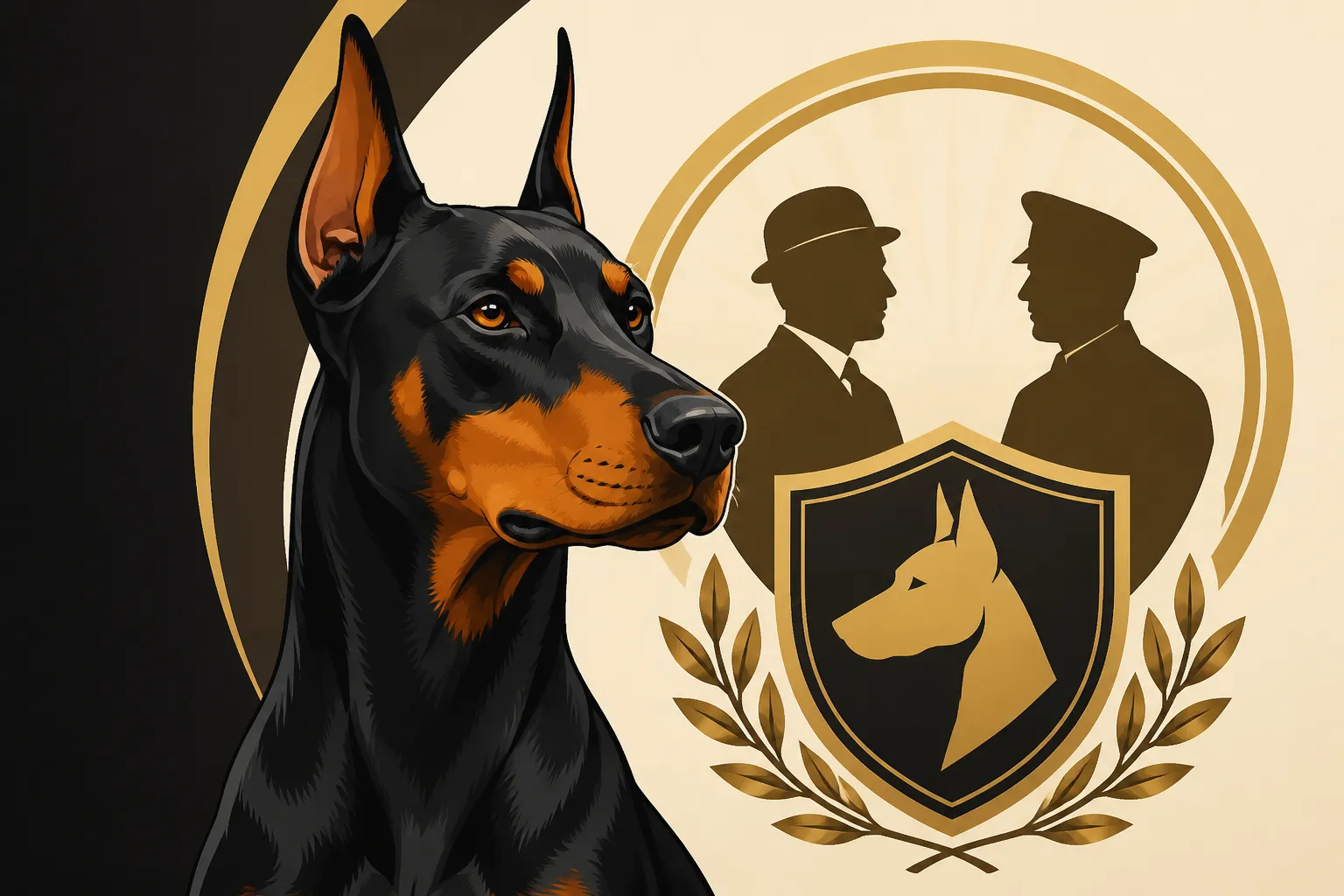
The Doberman Club Goeller Founded in 1899
It's easy to look at the Doberman today, with their unmistakable sleek physique and regal bearing, and forget that every breed has a beginning – and a lot of dedicated people behind its early development. Many folks hear about Karl Dobermann, the breed's namesake, but few realize the pivotal role played by Otto Goeller and the club he founded in 1899. This guide will take you through the incredible story of how Goeller’s vision transformed an emerging, somewhat undefined working dog into the magnificent, standardized Doberman we know and love today.
The Early Days of the Doberman Breed and Goeller's Vision
Before 1899, the Doberman was still very much a work in progress, a collection of strong, intelligent dogs used for protection but without a cohesive identity. It was a time of passion, but also of a little bit of chaos, and it took someone with incredible foresight to bring order to that world.
Karl Dobermann's Legacy and the Unstandardized Dog
Let's cast our minds back to the late 19th century in Apolda, Germany. This is where Karl Dobermann, a local tax collector and night watchman, embarked on his quest to create the ultimate protection dog. He wasn't a professional breeder in the modern sense; he simply needed a fearless, intelligent, and robust companion to accompany him on his rounds, particularly when collecting money. He experimented with various dogs he encountered, likely including Rottweilers, German Pinschers, and possibly even Greyhounds, to achieve the specific traits he desired. His method was practical and driven by necessity, leading to dogs that were certainly effective, but also quite varied in appearance and perhaps even temperament.
The dogs bred by Karl Dobermann were known for their courage and tenacity, making them excellent personal guardians. However, the exact lineage was often loosely documented, and there wasn't a universal "look" or set of characteristics that consistently defined a "Doberman." They were powerful, protective, and smart, but they lacked the uniformity that would eventually elevate them to a recognized breed. Imagine a collection of very capable, but individually distinct, watchdogs. This informal approach meant that while the breed's foundation was strong in terms of working ability, its physical and behavioral consistency was still up for grabs. Without a formal standard, each breeder might have a slightly different idea of the "ideal" Doberman, leading to a wide range of variations. This is a common challenge for any emerging breed, and it highlights the crucial need for a guiding hand. You can read more about The Tax Collector Who Invented the Doberman if you're curious about his origins.
Otto Goeller: The Architect of the Doberman Standard
Enter Otto Goeller, a name that truly deserves to stand alongside Karl Dobermann in the annals of Doberman history. Goeller wasn't just another breeder; he was a visionary with a deep understanding of genetics and breed development, even in its nascent stages. He recognized the immense potential in Karl Dobermann's dogs but also saw the urgent need for structure and definition. He was passionate about the Doberman, believing it could be more than just a local curio – it could be a world-renowned companion and protector.
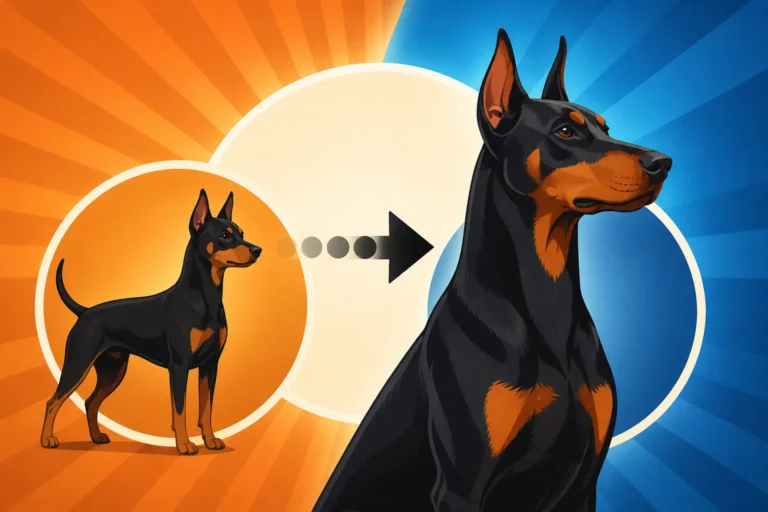
Goeller's goal was ambitious: to establish a consistent type, both physically and in terms of temperament, ensuring that future generations of Dobermans would share recognizable traits. He understood that for the breed to truly flourish and gain acceptance beyond Apolda, it needed a universally agreed-upon blueprint. This meant meticulously documenting pedigrees, defining ideal conformation, and outlining the desired character. It was about creating a legacy, not just for his own dogs, but for the entire burgeoning Doberman breed. He championed the idea that for a breed to thrive, it needed dedicated advocates, clear goals, and a formal organization to steer its development. His commitment was instrumental in shifting the Doberman from a collection of similar dogs to a distinctly recognized breed.
Founding the First Doberman Club in 1899
The year 1899 marks a monumental turning point for the Doberman. It was the year Otto Goeller brought his vision to life, establishing the very first organization dedicated to the breed's future.
The Genesis of the "National Doberman Pinscher Club"
In Apolda, the birthplace of the Doberman, Otto Goeller gathered like-minded enthusiasts and breeders who shared his commitment to the breed. Together, they founded the "National Doberman Pinscher Club" (Nationaler Dobermann-Pinscher-Club) on August 27, 1899. This wasn't just a casual get-together; it was a formal declaration of intent, a powerful statement that the Doberman was here to stay and deserved careful cultivation. The formation of this club was a direct response to the need for unification and a structured approach to breeding. Before this, you might have individual breeders doing their own thing, perhaps swapping dogs or breeding lines, but there was no central authority or shared ideology.
The challenges were certainly there. Imagine trying to convince a diverse group of passionate individuals, each with their own ideas of what made a "good" Doberman, to agree on a single, unified direction. It required strong leadership, clear communication, and a shared passion for the future of the breed. Goeller's ability to unite these individuals under a common banner was a testament to his influence and the compelling nature of his vision. This club became the official custodian of the breed, a crucial step for any dog breed seeking legitimacy and widespread recognition. It was a place where ideas could be exchanged, disputes settled, and the breed's direction collectively determined.
Establishing the Breed Standard and Registration
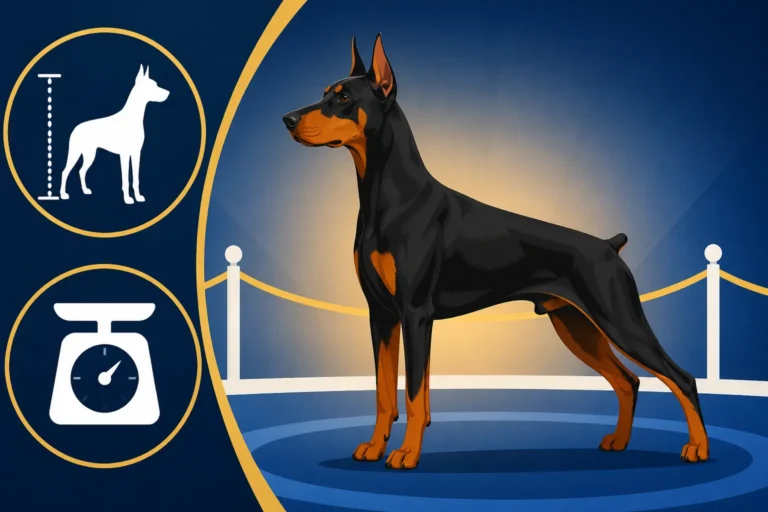
Perhaps the most significant and immediate impact of the National Doberman Pinscher Club was the creation and adoption of the very first official breed standard. This was a document, much like a detailed blueprint, that meticulously described the ideal Doberman Pinscher. It covered everything from height and weight to head shape, eye color, coat texture, and even the desired gait. More importantly, it also outlined the quintessential Doberman temperament – courageous, loyal, intelligent, and fearless, yet manageable. This was critical for guiding breeders away from mere utility and towards a dog that was consistently well-balanced both physically and mentally.
This standard wasn't just a suggestion; it was the definitive guide that all members of the club, and eventually all serious Doberman breeders, were encouraged to follow. With a clear standard, breeders had a common goal to strive for, moving away from subjective interpretations. Furthermore, the club initiated a formal registration process. This meant that for the first time, Doberman pedigrees could be accurately recorded and tracked, providing an invaluable resource for understanding bloodlines and making informed breeding decisions. This formal registry was essential for establishing the breed's genetic foundation and preventing random, potentially harmful, breeding practices. It allowed for a clear understanding of What Went Into the First Dobermans and how specific traits were being passed down.
The Far-Reaching Impact of Goeller's Doberman Club
The establishment of the Doberman Club in 1899 wasn't just a German affair; its ripples quickly spread, laying the groundwork for the breed's global success and enduring popularity.
Unifying Breeders and Promoting the Breed
Before the club, breeders were largely operating in silos, sharing knowledge informally, if at all. Goeller's club created a central forum where these passionate individuals could come together. It wasn't just about sharing breeding stock; it was about exchanging ideas, discussing challenges, and collectively improving the breed. The club organized events like dog shows and working trials, which were vital for showcasing Dobermans that adhered closely to the new standard. These events served multiple purposes: they provided a platform for breeders to evaluate their dogs against the ideal, they allowed the public to see what a "true" Doberman looked like, and they fostered a sense of healthy competition and collaboration.
This unified approach meant that resources and information, such as early insights into potential health issues or best practices for rearing puppies, could be shared more effectively. It helped solidify the Doberman's reputation as a reliable and formidable working dog, moving it from a localized curiosity to a breed with growing national renown. This collective effort was key to promoting the breed responsibly, ensuring that its development was guided by a shared vision rather than individual whims. It made it easier for people to understand The 1900 German Doberman Standard and what it truly meant.
International Recognition and the Doberman's Future
The solid foundation laid by Goeller's club was absolutely critical for the Doberman's expansion beyond Germany's borders. With a defined standard and a reliable registry, other countries could look to the German club for guidance when establishing their own Doberman communities. It wasn't long before Dobermans, now with consistent characteristics, began to be exported. The First Dobermans Shipped Out of Germany carried with them the legacy of Goeller's work.
In the United States, for instance, the Doberman Pinscher Club of America (DPCA) was founded in 1921, drawing heavily on the precedents set by Goeller’s original club. This international adoption of a uniform standard allowed the breed to gain worldwide recognition, including AKC Recognition of the Doberman in 1908 in America. The enduring legacy of the 1899 club is evident in every Doberman you see today. Every reputable breeder, whether in Europe or America, still consciously or unconsciously relies on the principles of standardization and careful lineage tracking that Goeller championed. It's a testament to his enduring foresight.
Modern Echoes: The Importance of Breed Clubs Today
While the world of dog breeding has evolved considerably since 1899, the core principles established by Otto Goeller and the first Doberman Club remain incredibly relevant, underscoring the vital role that breed clubs continue to play.
Preserving Type and Temperament
Modern Doberman clubs, like the American Doberman Pinscher Club of America, continue the tradition of maintaining and safeguarding the breed standard. This isn't about being rigid for rigidity's sake; it's about ensuring the Doberman remains true to its heritage – a dog of elegant power, intelligence, and unwavering loyalty. These clubs are instrumental in promoting responsible breeding practices, which today include extensive health screening for common Doberman ailments. Conditions like Dilated Cardiomyopathy (DCM), Von Willebrand Disease, and Wobbler Syndrome are serious concerns, and breed clubs actively encourage breeders to test their dogs. You can learn more about The Health Testing a Doberman Breeder Must Show to understand the scope of these efforts.
By setting high standards for health and conformation, these clubs help protect the breed from careless breeding that could undermine its integrity. They organize educational seminars, publish guidelines, and provide resources to help breeders make informed decisions, ensuring genetic diversity is maintained while striving for healthier, longer-lived Dobermans. It's a constant balancing act between preserving the past and adapting for the future.
Resources for Doberman Owners and Enthusiasts
Beyond guiding breeders, today's Doberman clubs are invaluable resources for anyone who owns or loves a Doberman. They offer a wealth of information for new owners struggling with a spunky Doberman puppy or experienced guardians trying to navigate an older dog's health challenges. Many clubs provide educational materials on everything from proper nutrition (perhaps even recommending specific diets available on sites like Chewy that cater to large, active breeds) to training techniques that suit the Doberman's intelligent and sometimes strong-willed nature. If you're looking for guidance, these clubs often have directories of reputable breeders, trainers, and even veterinarians specializing in Dobermans.
For example, if you're trying to decode the various health certificates that come with a puppy, breed clubs often publish guides on Reading a Doberman Puppy's Test Certificates. They also host events – from conformation shows to obedience trials and even agility competitions – where Doberman enthusiasts can gather, share experiences, and learn from one another. These communities provide vital support, whether you're dealing with typical Doberman "Velcro dog" tendencies or seeking advice on finding the right enrichment toys. Organizations affiliated with breed clubs are a fantastic source of real-world advice and support, helping owners provide the best possible care for their Dobermans, often referencing widely available products from retailers like Chewy for everything from durable toys to specialized diets.
Here's a quick look at the impact of Goeller's club:
| Aspect of Doberman Development | Before the 1899 Club | After the 1899 Club |
|---|---|---|
| Breed Standardization | Varied appearances, no formal type | Defined breed standard for type and temperament |
| Pedigree Tracking | Informal, often incomplete records | Formal registration and lineage documentation |
| Breeding Guidance | Individual breeder discretion | Collective goals and ethical breeding guidelines |
| Public Perception | Localized working dog | Recognized breed with growing national and international renown |
| Community & Support | Disparate breeders, limited collaboration | Organized community, shows, and knowledge sharing |
The legacy of Otto Goeller and his 1899 club is a powerful reminder that every beloved purebred dog breed stands on the shoulders of dedicated individuals who saw the potential and worked tirelessly to define, protect, and promote it for future generations. It’s why, when we look at our Dobermans today, we can appreciate not just their individual beauty, but the rich history and thoughtful development that made them who they are. Finding quality supplies, be it specialized food or durable leashes, often leads Doberman owners to trusted retailers like Chewy, knowing that the foundation for these dogs’ well-being was set over a century ago.
Disclaimer
This article is for general informational purposes only and does not constitute professional advice. Laws, prices and regulations vary by location and change over time. Consult a qualified professional for guidance on your specific situation.