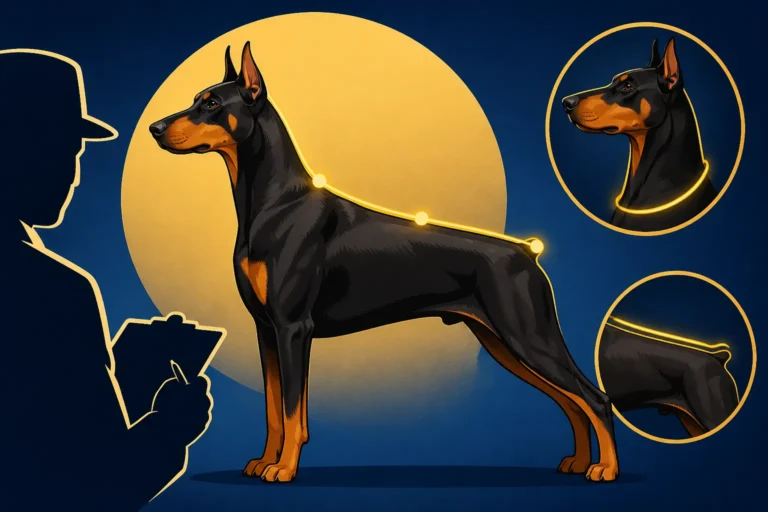
Whether a Doberman Must Be Cropped to Win
It's a question that tugs at the heart of many Doberman enthusiasts, especially those drawn to the breed's striking appearance but perhaps not the surgical aspects of ear cropping. You've seen the classic images of Dobermans with those tall, alert ears, and then you see wonderful, natural-eared dogs, and wonder if one style automatically disqualifies a dog from achieving greatness in the show ring. This guide will dive deep into the nuances of Doberman ear cropping and its impact, or lack thereof, on a dog's chances of winning in conformation events.
The Historical Context of Doberman Ear Cropping
To really understand why this question even comes up, we have to travel back in time a bit and look at the origins of the Doberman Pinscher. It wasn't always about aesthetics; in the beginning, it was about function.
Why Dobermans Were Traditionally Cropped
The Doberman Pinscher was originally bred by Karl Friedrich Louis Dobermann in Apolda, Germany, in the late 19th century. He was a tax collector, a night watchman, and a dog catcher, and he needed a fearless, intelligent, and protective companion for his rounds. These dogs were essentially personal bodyguards, bred for courage and guarding instinct. floppy ears, while adorable, were seen as a liability in a working dog that might face confrontation. They could be grabbed by an assailant, torn in a fight, or simply hamper hearing in a dangerous situation. Cropping the ears, along with docking the tail, was a practical decision for these early working dogs, making them less vulnerable and more formidable in their protective roles. It was a utilitarian choice, not a cosmetic one, driven by the tough demands of their jobs. This legacy became deeply ingrained in the breed's identity and visual presentation.
The Evolving Doberman Standard
As the breed gained popularity and transitioned from purely working roles to also becoming cherished companions and show dogs, breed standards were developed to define the ideal Doberman. These standards, set by kennel clubs and breed associations, described everything from temperament and gait to size, coat color, and physical appearance. Historically, these standards often included cropped ears and docked tails as part of the breed's distinctive silhouette. For a long time, the image of a Doberman in the show ring was synonymous with those erect, stately ears. Judges, breeders, and the public became accustomed to this look, perceiving it as the quintessential Doberman. This tradition created a powerful visual expectation that has been slow to change, even as societal views on cosmetic surgeries for pets have shifted. You'll still see this visual preference deeply embedded in many older discussions about The Doberman the AKC Standard Describes.
Cultural and Geographic Differences
It's crucial to recognize that the world isn't uniform when it comes to dog show rules and breed standards. What's accepted or even mandatory in one country might be entirely prohibited in another. For instance, in many European countries, ear cropping (and tail docking) is now illegal or severely restricted for welfare reasons. The Fédération Cynologique Internationale (FCI), which governs many European kennel clubs, generally requires dogs to be shown in their natural state if they were born in a country where cropping is illegal. This has led to a fascinating divergence in the Doberman "look" globally. A Doberman bred and shown in Germany or the UK will almost certainly have natural ears, while one in the United States or Canada is still often shown with cropped ears. This creates a challenging situation for breeders and owners, especially if they are interested in importing dogs or competing internationally. It’s a stark reminder that what constitutes the "ideal" Doberman can be very different depending on where you stand on the map.
Understanding Show Ring Rules and Doberman Ear Cropping
Navigating the world of dog shows, particularly with a breed like the Doberman, can feel like stepping into a labyrinth of traditions, rules, and unspoken expectations. When it comes to ear cropping, the waters get even murkier.
AKC vs. International Standards
Let's talk specifics. In the United States, the American Kennel Club (AKC) breed standard for the Doberman Pinscher still describes cropped ears. While it states that "ears are normally cropped and carried erect," it doesn't explicitly disqualify an uncropped Doberman. This is a subtle but incredibly important distinction. An uncropped Doberman can be shown in AKC conformation events. However, the standard also emphasizes "a dog must be presented in a clean, well-groomed condition" and judged on its overall conformation. The reality on the ground is that historically, dogs with cropped ears have dominated the winners' circles in the AKC.
Contrast this with the situation in many European countries and those adhering to the FCI standard. There, cropping is often banned by law, and the breed standard reflects this by requiring natural ears for showing. If you were to bring an AKC-style cropped Doberman to a show in, say, France, it likely wouldn't be allowed to compete. This international divide means that Why European and American Doberman Rates Differ often extends beyond just health and temperament, right into their physical presentation in the ring. It's not just a matter of preference but legal and ethical frameworks that vary widely.
The "Ideal" Doberman Look
For many, the image of a Doberman is intrinsically linked to its cropped ears – giving it that sharp, alert, and noble expression. This look is ingrained in the minds of many long-time breeders, judges, and enthusiasts. The cropped ear is often seen as accentuating the elegant lines of the head and neck, contributing to the "regal" appearance described in the standard.
When an uncropped Doberman enters the ring, it inherently presents a different silhouette. Its natural, folded ears soften the headpiece and alter the overall impression. While a judge should, in theory, look beyond cosmetic alterations and assess the dog purely on its adherence to the standard's structural points, the visual impact is undeniable. Some argue that the natural ear can make the head appear less refined or strong, or that it simply doesn't convey the same "type" that judges have been trained to seek. This isn't about the dog being fundamentally unsound; it's about a deeply ingrained aesthetic preference that has been shaped by decades of tradition.
The Judge's Discretion and Implicit Bias
This is where things get really subjective. While judges are trained to be impartial and evaluate each dog based on the written breed standard, they are still human beings with their own experiences, preferences, and unconscious biases. If a judge has spent their entire career judging Dobermans with cropped ears and believes that look is essential to the breed's character, an uncropped dog might face an uphill battle. They might subconsciously give less weight to an uncropped dog, even if its structure and movement are otherwise impeccable.
It's not usually an overt bias, but a subtle one. A judge might perceive an uncropped dog as "lacking finish" or simply not having that "Doberman presence" they've come to expect. This can be incredibly frustrating for owners of natural-eared Dobermans who know their dogs are structurally sound and excellent examples of the breed. It forces them to contend with not just the written standard, but also the unwritten expectations and traditions that permeate the dog show world. Many passionate Doberman owners who opt for natural ears often choose to focus on performance events like obedience or agility, where the ear type is irrelevant, or they seek out judges known to be more open-minded. You might find a good selection of durable toys and training aids for any Doberman on Chewy, which can be great for dogs excelling in these different avenues.
Challenges and Considerations for Uncropped Dobermans in the Show Ring
If you've decided to go the natural ear route for your Doberman and still dream of those shiny ribbons in the conformation ring, be prepared for some unique challenges. It's not impossible, but it certainly requires a strategic approach and a strong belief in your dog's inherent qualities.
Meeting the Standard Without a Crop
The core of conformation showing is about how well a dog conforms to its breed standard – its structure, movement, temperament, and overall balance. For an uncropped Doberman, this means every other aspect of its conformation needs to be absolutely stellar. Without the dramatic visual "lift" that cropped ears provide, judges' eyes will naturally be drawn to other features. Does your Doberman have an exquisite head shape that still looks refined with natural ears? Is its neck long and elegant, flowing smoothly into a strong topline? Is its gait powerful, graceful, and efficient?
An uncropped Doberman must truly embody the breed type in every other way, leaving no room for compromise on other points. A judge might scrutinize its bone structure, angulation, and overall carriage even more closely to ensure it still projects the regal, alert presence the breed is known for. It becomes a testament to the dog's fundamental quality, demonstrating that a true Doberman possesses its characteristic traits regardless of ear style. This is why it's so important to pick a puppy from a breeder who prioritizes overall breed type and health, rather than just aesthetics like cropping. You want a dog that can hold its own on its structural merits alone.
Finding Judges and Exhibitors Who Support Natural Ears
One of the biggest hurdles is the culture of the show ring itself. For decades, the cropped Doberman was the norm, and changing that perception takes time and concerted effort. As an owner of an uncropped Doberman, you might find yourself feeling like an outlier. Many judges, especially those who have been in the sport for a long time, may have a deep-seated preference for the cropped look, seeing it as more "correct."
However, the tide is slowly turning. There are judges who are genuinely open-minded and committed to judging the dog's overall quality against the written standard, not its ear status. The key is to do your homework. Talk to other owners of natural-eared Dobermans who are active in conformation. Research judges' records, if possible, to see if they've awarded wins to uncropped Dobermans in the past. Attend shows and observe which judges seem to appreciate a broader interpretation of the standard. It might also mean traveling to shows in areas where uncropped Dobermans are more common or where there's a stronger contingent of natural-eared Doberman exhibitors. Building a supportive network of fellow natural-ear enthusiasts can also provide invaluable encouragement and advice.
Health and Welfare Arguments
Beyond the show ring, the decision to crop or not crop often comes down to personal ethics and a focus on animal welfare. Many Doberman owners choose natural ears specifically because they view cropping as an unnecessary cosmetic surgery. They believe that unless there's a medical reason, altering a dog's natural form is not in the animal's best interest. The cropping procedure involves surgery, anesthesia, and a significant recovery period with ear posting, which can be uncomfortable and stressful for the puppy and its owner. Some argue that natural ears allow dogs to express themselves more clearly through body language, which is an important part of canine communication.
While ear cropping is a long-standing tradition in the Doberman breed, the increasing awareness of animal welfare has led to more owners questioning its necessity. This choice, while sometimes making the conformation path harder, is a deeply personal one rooted in a desire to prioritize the dog's well-being and natural state. For these owners, the potential challenge in the show ring is a small price to pay for what they believe is the right decision for their dog. This aligns with broader trends in responsible pet ownership, where preventative care and natural well-being are prioritized, much like ensuring a proper diet that includes appropriate Taurine and Carnitine for a Doberman Heart.
Strategies for Exhibiting an Uncropped Doberman
So, you have a beautiful, uncropped Doberman and you’re determined to show them. It’s absolutely doable, but it requires a strategic and persistent approach. Think of yourself as not just an exhibitor, but also an advocate for natural beauty within the breed standard.
Focusing on Overall Quality
This is paramount. Your uncropped Doberman simply must be an exceptional example of the breed in every other aspect. Judges are looking for correctness in structure, soundness in movement, and a temperament that aligns perfectly with the Doberman standard – alert, determined, and fearless, but not aggressive or shy. Every angle, every stride, every expression needs to scream "Doberman" without relying on the cropped ears to define the look.
Work diligently on conditioning your dog to ensure it is in peak physical shape, with appropriate muscle tone and a healthy coat. Train extensively for the show ring, focusing on gaiting perfectly at the right speed to showcase their movement, and standing confidently for examination. A Doberman that carries itself with immense presence and exhibits flawless conformation will be much harder for a judge to dismiss, regardless of its ears. This is about making a statement that a truly great Doberman stands on its own merits. When you're feeding your dog, choosing high-quality food from places like Chewy that supports their athletic build and skin health will contribute to that overall stunning presentation.
Selecting the Right Shows and Judges
This is perhaps the most tactical part of campaigning an uncropped Doberman. Not all judges are created equal when it comes to open-mindedness regarding ear cropping. Some judges may have a more traditional mindset, while others are truly dedicated to judging the dog presented before them against the written standard, without personal preference for cosmetic alterations.
Before entering a show, do your research. Look at judges' previous assignments and, if possible, their judging philosophies. Attend shows as a spectator and observe which judges seem to appreciate uncropped Dobermans or dogs with other natural features in breeds where cosmetic alterations are customary but not mandatory. Network with other Doberman owners who successfully show natural-eared dogs; they can be an invaluable resource for identifying sympathetic judges and clubs. You might find that smaller, local shows or those held by clubs with a more progressive outlook offer a better starting point than major national specialties. This strategy helps you avoid unnecessary frustration and increase your chances of being recognized for your dog’s intrinsic quality.
Advocating for Natural Ears
Exhibiting an uncropped Doberman is, in a way, an act of advocacy. Every time you step into the ring with a beautiful, natural-eared Doberman, you are gently challenging long-held traditions and demonstrating that the breed's essence is not dependent on surgery. Be prepared to educate politely and respectfully, if asked. Your dog's performance and presence in the ring should speak volumes.
Join breed clubs and participate in discussions about the future of the Doberman. Support organizations that are working towards greater inclusivity in breed standards or promoting natural presentation. By consistently presenting high-quality, uncropped Dobermans, you and others like you can help to slowly shift perceptions within the breed community. It’s a long game, but every win, every ribbon, for a natural-eared Doberman is a step forward in broadening the acceptance and appreciation for the breed in its natural form. It reinforces the idea that true Doberman type, health, and temperament are the qualities that genuinely matter, whether the ears are cropped or not. This goes hand-in-hand with ensuring your dog is healthy overall, including understanding potential issues like The Heart Disease That Reaches Most Dobermans or The Bleeding Disorder Almost Every Doberman Line Carries, which are far more significant than ear aesthetic.
Here's a quick overview of how some major kennel clubs approach ear cropping:
| Kennel Club | Stance on Ear Cropping for Show | Notes |
|---|---|---|
| American Kennel Club (AKC) | Permitted / Standard Describes | The Doberman standard describes cropped ears, but uncropped dogs are not disqualified. However, traditional preference often favors cropped. |
| Canadian Kennel Club (CKC) | Permitted / Standard Describes | Similar to AKC, cropped ears are part of the standard, but uncropped dogs can be shown. Rules often reflect local veterinary council stances, with growing advocacy for natural ears. |
| Fédération Cynologique Internationale (FCI) | Generally Prohibited | The FCI prohibits cropping/docking for dogs born in countries where these procedures are illegal. This impacts most of Europe and many other countries worldwide. Dobermans in FCI shows are overwhelmingly natural-eared. |
| The Kennel Club (UK) | Prohibited | Ear cropping has been illegal in the UK for a long time. Dobermans in UK shows must have natural ears. Imported cropped dogs may be allowed to compete, but rules vary and are strict. |
| Australian National Kennel Council (ANKC) | Prohibited | Similar to the UK, ear cropping is illegal, and Dobermans in Australian shows must have natural ears. |
| United Kennel Club (UKC) | Permitted / Standard Describes | UKC standards often reflect a broader acceptance of traditional working dog appearances, but like AKC, uncropped dogs are allowed, and judges are instructed to judge on overall conformation. |
Ultimately, while the traditional show ring in some countries, like the US, has a strong historical bias towards cropped Doberman ears, it is not an absolute requirement for winning. A truly exceptional Doberman, presented by a dedicated handler, can and does succeed with natural ears. It simply requires more strategic planning, patience, and a willingness to challenge established norms. Your Doberman’s health and happiness are what truly matter, and for many, that means embracing their natural beauty.
Disclaimer
This article is for general informational purposes only and does not constitute professional advice. Laws, prices and regulations vary by location and change over time. Consult a qualified professional for guidance on your specific situation.