Dobermans Against the Other Guardian Breeds
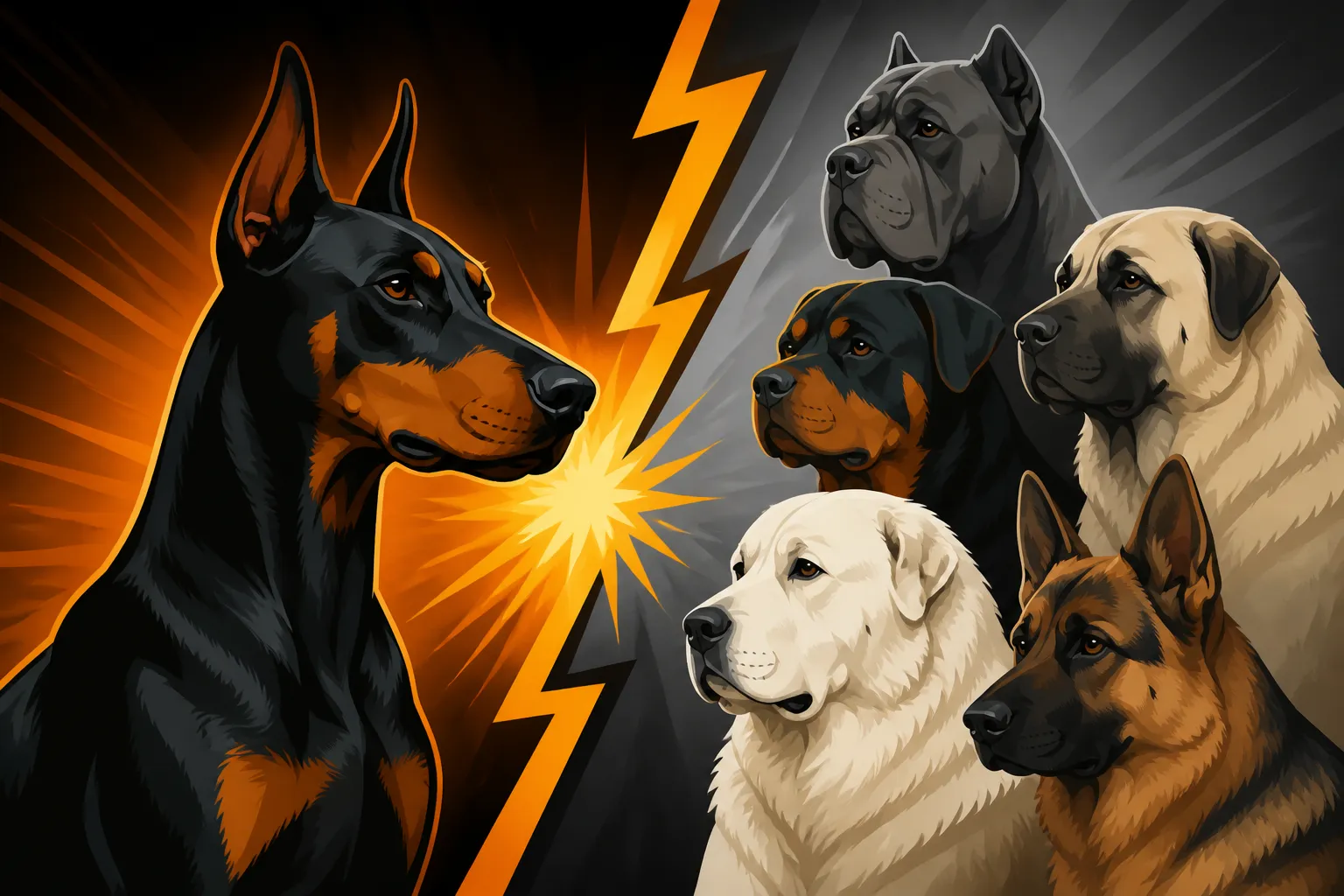
Choosing a guardian breed is a huge decision, one that often comes with visions of a loyal, protective companion standing sentinel over your home and family. But the reality is far more complex than a dramatic movie scene. Many people find themselves torn between the Doberman and other powerful, intelligent breeds, unsure of how their daily lives will truly be impacted by such a dog. This comprehensive guide will walk you through the nuances of the Doberman's guardian profile and stack it up against other popular protection breeds, helping you understand the unique demands and rewards of each, so you can make an informed choice that truly fits your lifestyle.
Understanding the Doberman's Unique Guardian Profile
When you think of a Doberman, a certain image often springs to mind: sleek, muscular, intelligent, and intensely loyal. This isn't just a coincidence; every aspect of their appearance and temperament was purposefully cultivated. Understanding this foundational intent is crucial before comparing them to other guardian breeds, because it explains why they behave the way they do and what an owner can expect. They aren't just "big dogs"; they are finely tuned working animals.
The Doberman's Origins: Bred for a Purpose
The Doberman Pinscher owes its very existence to Karl Friedrich Louis Dobermann, a German tax collector who, in the late 19th century, needed a reliable protector to accompany him on his rounds. Imagine being responsible for collecting taxes in a time when that could be a dangerous job – you'd want a formidable companion! Dobermann specifically sought to create a dog that was fearless, intelligent, quick, and powerful, essentially a personal bodyguard wrapped in a sleek, intimidating package. He wasn't aiming for a gentle lapdog; he was breeding for a very specific, demanding role. This foundational intent means that guarding is literally in their DNA. If you're looking into the history, you might find the story of The Tax Collector Who Invented the Doberman fascinating.
This origin story is vital because it explains why Dobermans possess such a strong protective instinct and why they are often described as "Velcro dogs." They were bred to be constantly aware of their handler's presence and to act swiftly if danger presented itself. This isn't a trait that can be easily trained out; it's an inherent drive. So, if you're picturing a dog that's happy to be left alone in the yard all day, a Doberman might surprise you with its need for constant interaction and proximity, a direct echo of its initial purpose as a personal guardian.
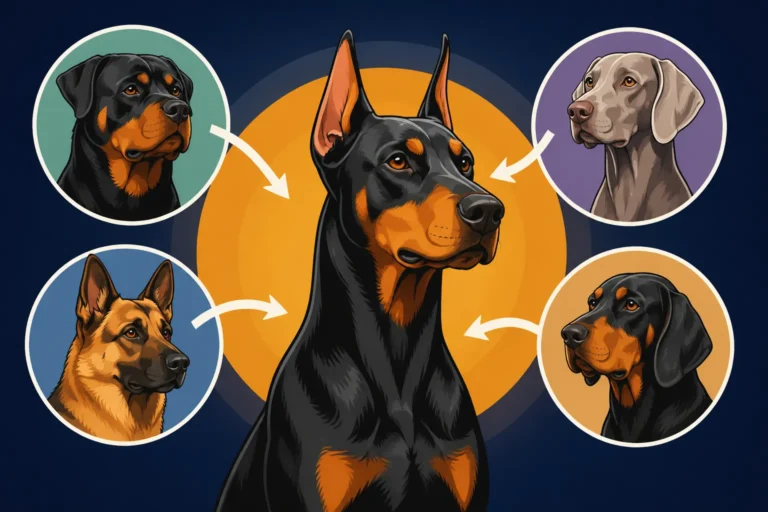
The precise mix of breeds Dobermann used remains somewhat debated, but it's believed to have included Rottweilers, German Pinschers, and possibly Greyhounds or Weimaraners, each contributing to their athleticism, intelligence, and protective nature. This deliberate blend created a dog that is not only physically capable but also mentally sharp, making them highly trainable for those who understand their motivations and provide consistent, fair guidance. It's truly a testament to Dobermann's vision that the breed still embodies these core characteristics today.
Temperament: Alertness and Loyalty
A Doberman's temperament is a complex tapestry woven with threads of alertness, loyalty, courage, and a surprising sensitivity. They are, by nature, highly vigilant. They notice everything, and their keen senses make them excellent watchdogs. A new car on the street, a squirrel rustling in the bushes, or an unexpected visitor approaching the door – a Doberman will likely be aware of it long before you are. This constant state of readiness is a hallmark of the breed, a direct result of their guardian heritage. However, this also means they can be prone to suspicion of strangers if not properly socialized from a young age.
Their loyalty to their family is legendary, often described as unwavering. Dobermans bond deeply with their people, frequently choosing one primary person but extending their devotion to the entire household. This strong bond is what makes them such effective protectors; they see their family as their "pack" to be defended at all costs. This also means they thrive on inclusion and close companionship, often preferring to be wherever their humans are, even if it's just curled up at your feet while you work. If you've ever heard them called "Velcro dogs," you know exactly what I mean! Exploring Doberman Temperament as the Standard Describes It can give you even more insight.
However, this intensity of loyalty and alertness also comes with responsibilities. A Doberman needs an owner who understands how to channel these powerful instincts positively. Without proper socialization and consistent training, that natural suspicion can morph into reactivity, and their protective instincts can become overprotective. They need to learn who is a threat and when to act, rather than simply reacting to every unfamiliar person or situation. This breed truly thrives with a confident, consistent leader who provides structure and guidance.
Physical Attributes for Guardianship
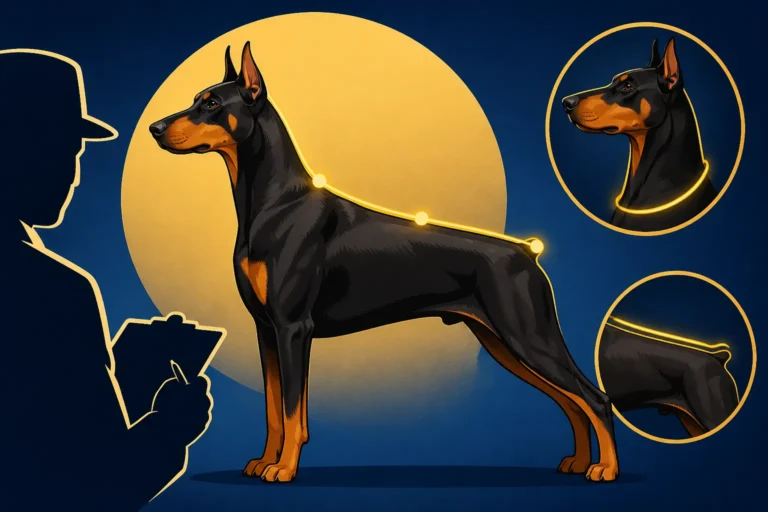
Beyond temperament, the Doberman's physical build is undeniably suited for its role as a guardian. They are athletic, with a powerful, muscular frame that belies their sleek appearance. Standing generally between 24 to 28 inches at the shoulder and weighing anywhere from 60 to 100 pounds, they command presence. Their short, dense coat requires minimal grooming, which means fewer distractions from their primary job of watching over you. They are built for speed and agility, able to cover ground quickly and react with explosive force if necessary. This combination of size, speed, and strength makes them formidable deterrents.
Their appearance alone is often enough to deter potential threats. The Doberman's sharp, intelligent gaze, combined with their lean, powerful physique, communicates confidence and capability. Many people find their appearance intimidating, which, for a guardian breed, is precisely the point. They don't need to be aggressive to be effective; their very presence often achieves the desired effect.
This physical prowess, however, also means they require ample exercise to stay fit and mentally balanced. A Doberman cooped up without an outlet for its energy can become destructive or anxious. They need daily opportunities to run, play, and engage their minds, whether it's through structured walks, training sessions, or active play. This isn't a breed content with a couple of short strolls around the block. Their athleticism also contributes to their potential longevity, though owners must be vigilant about certain health concerns, like The Heart Disease That Reaches Most Dobermans, which can impact even the most physically fit Doberman.
Dobermans vs. German Shepherds: A Classic Comparison
When it comes to iconic guardian breeds, the German Shepherd Dog is often the first that comes to mind for many. Both Dobermans and German Shepherds are renowned for their intelligence, loyalty, and protective instincts, leading many prospective owners to weigh the merits of each. While they share many similarities in their capacity for work and companionship, their subtle differences can significantly impact which breed is a better fit for your home and lifestyle.
Intelligence and Trainability
Both Dobermans and German Shepherds consistently rank high on intelligence scales, making them exceptionally capable of learning complex commands and tasks. This shared trait means that both breeds thrive on mental stimulation and excel in various dog sports and working roles, from obedience to search and rescue. A bored Doberman or German Shepherd is often a destructive or anxious one.
However, their approach to learning can differ. Dobermans, with their intense desire to please their primary handler, often learn cues with remarkable speed. They are eager participants, often described as keen and quick to pick up on new concepts, sometimes in just a few repetitions. This makes Training a Doberman That Is Smarter Than You Expect both rewarding and challenging, as they can outthink an inconsistent owner. German Shepherds, while equally intelligent, often have a more independent streak. They are problem-solvers who might question a command or try to figure things out on their own before complying. This isn't a sign of stubbornness, but rather a methodical thinking process. Both require consistent, positive reinforcement training, but the German Shepherd might need more patience and a slightly different motivational approach to keep them engaged.
For owners, this means understanding the nuances. A Doberman might shut down with harsh corrections, while a German Shepherd might become more reserved or offer less enthusiastic participation. Both breeds demand an owner who is knowledgeable about modern training techniques and willing to invest the time in building a strong, clear communication channel. Without this, their high intelligence can lead to them training you instead of the other way around.
Physicality and Presence
Visually, Dobermans and German Shepherds present distinct silhouettes. The Doberman is often described as elegant and refined, with a short, sleek coat, a lean, muscular build, and an alert, often intense, expression. Their carriage is noble, and they move with a characteristic fluid, powerful stride. This sleekness, while beautiful, does mean they are less tolerant of cold weather, often needing coats in winter.
The German Shepherd, by contrast, possesses a more rugged, robust build. Their medium-length double coat provides excellent insulation against various weather conditions, though it does come with significant shedding. Their powerful, deep-chested body and confident gait give them an undeniable presence. While both breeds are athletic, the Doberman's build often lends itself more to explosive speed and agility, whereas the German Shepherd is known for its endurance, strength, and unwavering trot. When it comes to the breed standard, you can look up The Doberman the AKC Standard Describes to see what traits are valued.
In terms of public perception, both breeds carry a certain gravitas. The Doberman's sharp, elegant lines often evoke a sense of alert precision. The German Shepherd's wolf-like appearance and association with police and military work give them an air of authority. Both are breeds that people instinctively give a wide berth to, which is part of their effectiveness as guardians. Owners must be prepared for this public reaction and ensure their dog is impeccably behaved in public to counteract stereotypes.
Family Integration and Protectiveness
Both breeds are deeply loyal to their families, but their expressions of protectiveness and family integration can vary. Dobermans are often described as deeply affectionate and highly integrated into the family unit. They tend to be "Velcro dogs," following their owners from room to room, seeking physical contact, and wanting to be involved in all family activities. Their protective instinct is usually directed outward, making them naturally wary of strangers until they are properly introduced and accepted by the family. They are excellent with children they are raised with, often becoming very patient and tolerant, though their size and energy always necessitate supervision. Building a Doberman Puppy That Is Confident, Not Sharp is essential for safe family integration.
German Shepherds are also incredibly devoted to their families and protective of their homes. While they can be affectionate, many tend to be a bit more reserved than Dobermans, often showing their love through quiet presence rather than constant physical proximity. They are typically good with children within their family, but their strong herding and protective instincts mean they might try to "manage" children or other pets, requiring careful guidance. Their guarding instinct is often more pronounced as a general suspicion of anyone outside the immediate family circle, and they can be quite aloof with strangers. They need extensive early socialization to prevent this natural wariness from becoming aggression.
Ultimately, both breeds need to be part of the family, not simply relegated to the backyard. They thrive on companionship and structured interaction. An isolated Doberman or German Shepherd is a recipe for behavioral issues and a breakdown of their natural protective tendencies. The choice often comes down to whether you prefer a constant companion that leans into you, or a watchful, slightly more independent presence.
Dobermans vs. Rottweilers: Power and Presence
When sheer physical power and an imposing presence are desired in a guardian breed, the Doberman and the Rottweiler frequently enter the conversation. Both breeds are undeniably powerful, confident, and possess strong protective instincts. However, they achieve their guardian roles with different temperaments and physical attributes, requiring distinct approaches to ownership and training.
The Difference in Drive and Work Ethic
Dobermans are known for their high drive and almost incessant need for mental and physical activity. They possess a remarkable quickness and agility, often excelling in sports like agility, obedience, and protection work that require speed, focus, and explosive power. Their work ethic is often described as intense; once they grasp a task, they put their whole heart into it, eager to please and perform. This means they need an owner who can consistently engage their intelligent minds and energetic bodies. If you're considering a working dog, understanding Doberman Guarding Instinct and Where It Tips Over is critical.
Rottweilers, while also highly intelligent and capable of various working roles, often display a more deliberate, stoic work ethic. They are incredibly strong and resilient, making them excellent choices for roles requiring physical strength, unwavering nerve, and endurance, such as carting or tracking. They might not have the Doberman's lightning-fast reflexes, but they possess a powerful, ground-covering trot and immense stamina. Rottweilers are often described as having a deep sense of self-confidence and an unshakeable presence. They can be just as driven, but perhaps less overtly "eager" than a Doberman. They often think things through before acting, which can sometimes be misinterpreted as stubbornness.
For an owner, this translates to different daily demands. A Doberman often requires more interactive play and varied training to keep its sharp mind from getting bored. A Rottweiler benefits from consistent, structured training that leverages its strength and methodical approach. Both will thrive with a job, but the type of job and the way they approach it can be quite different.
Socialization Needs and Public Perception
Both Dobermans and Rottweilers suffer from negative stereotypes, often unfairly, due to their powerful appearance and protective instincts. Consequently, both require extensive and early socialization to ensure they grow into well-adjusted, confident adults who understand how to appropriately interact with the world around them. This is not just about preventing aggression; it's about building a stable, reliable temperament.
A Doberman's natural wariness of strangers can, without proper socialization, lead to reactivity or shyness. Their protection is often focused on their immediate family, and they can be aloof or watchful with outsiders. Exposing a Doberman puppy to a wide variety of people, places, and sounds in a positive way is crucial for them to develop into a confident, rather than fearful, guardian. Handling a Doberman in Public Without Alarming People becomes a daily responsibility, where their calm demeanor can help reshape public opinion.
Rottweilers, by contrast, are often described as being naturally more reserved and serious. Their protective instincts can be very strong, and they tend to be less accepting of strangers than some other breeds. While they are loyal to their family, they often don't seek attention from outsiders and prefer to observe from a distance. Early and consistent socialization for a Rottweiler is paramount, teaching them to tolerate and be neutral to new people and situations rather than feeling the need to guard against every perceived threat. This commitment to early exposure, combined with ongoing positive reinforcement, is non-negotiable for both breeds.
Health Concerns and Lifespan Considerations
When considering any large, purebred dog, health is a significant factor. Both Dobermans and Rottweilers are prone to certain breed-specific health issues that prospective owners must be aware of, as these can significantly impact their quality of life and the financial burden of ownership.
Dobermans, unfortunately, are notorious for their susceptibility to Dilated Cardiomyopathy (DCM), a progressive heart disease that often leads to heart failure and sudden death. It's a devastating condition that can manifest even in seemingly healthy dogs. Beyond DCM, they can also be prone to Von Willebrand's disease (a bleeding disorder), Wobbler Syndrome (a neck/spinal issue), and hypothyroidism. Their typical lifespan is often cited as 9-12 years, but DCM can tragically cut this short. Regular health screening, including annual cardiac evaluations, is a must for any Doberman owner.
Rottweilers, while generally robust, also have their share of common health challenges. They are predisposed to hip and elbow dysplasia, common in many large breeds, as well as certain cancers like osteosarcoma and lymphoma. They can also suffer from subaortic stenosis (SAS), a heart condition different from DCM but equally serious. Their average lifespan is typically 8-10 years. For both breeds, choosing a reputable breeder who performs extensive health testing on parent dogs is absolutely critical. This due diligence is part of The Health Testing a Doberman Breeder Must Show to reduce the risk of inheriting debilitating conditions. Investing in comprehensive pet insurance early in their lives can also be a wise decision given the potential for significant vet bills for either breed. You can often find a good selection of specialized foods for their specific needs, like joint support or heart-healthy options, on sites like Chewy.
Dobermans vs. Boxers: The Energetic Protectors
For those seeking an energetic, playful, yet protective companion, the Doberman and the Boxer might both come to mind. While both breeds are known for their lively dispositions and loyalty, their energy levels, physical builds, and temperaments present distinct differences that can shape your ownership experience.
Energy Levels and Exercise Requirements
Both Dobermans and Boxers are high-energy breeds that require significant daily exercise to stay happy and healthy. This isn't a negotiable point; an under-exercised dog of either breed can develop behavioral issues, ranging from destructive chewing to anxiety.
Dobermans possess a sleek athleticism, built for speed and endurance. They love to run, sprint, and engage in high-intensity activities. Daily long walks, vigorous play sessions, and opportunities for off-leash running in a secure area are essential. They often excel in dog sports like lure coursing, agility, and flyball due to their speed and focus. Their mental energy is also high, meaning they need training and puzzle toys to keep their minds engaged. If you're a hiker, runner, or enjoy active outdoor pursuits, a Doberman will likely be your ideal companion.
Boxers are also incredibly energetic, but their energy often manifests differently. They are famously playful, enthusiastic, and possess a "bounce" that can last well into their senior years. They love to jump, wrestle, and engage in boisterous games. While they can run with enthusiasm, they might not have the Doberman's sustained endurance for long-distance running. Their goofy antics and boundless energy mean they need owners who can match their playful spirit and provide ample opportunities for supervised play. A good quality harness and lead from a reputable site like Chewy can be invaluable for managing their enthusiasm on walks.
Playfulness and Family Dynamics
When it comes to playfulness and how they integrate into family dynamics, both breeds shine, but with different flavors of affection.
Dobermans are devoted and deeply attached to their families. They are often described as intelligent clowns within their inner circle, capable of surprising antics. While they are serious guardians when necessary, they are also loving companions who enjoy close interaction with their people. They are generally excellent with respectful children, often forming strong bonds and being tolerant of play, though their size and energy mean supervision is always prudent. Their "Velcro" nature means they want to be part of everything, often curling up on the couch or even in your bed.
Boxers are renowned for their exuberant, joyful, and often goofy personalities. They are perpetual puppies at heart, often maintaining their playful spirit well into adulthood. They are incredibly affectionate and bond strongly with their families, often expressing their love with full-body wiggles and enthusiastic licks. Boxers are generally fantastic with children, known for their patience and love for play, making them wonderful family pets. They are often more outwardly friendly to approved strangers than Dobermans, though their protective instincts will kick in if they perceive a threat to their family.
The choice here often comes down to your preferred type of canine companionship: the Doberman's sleek, intelligent devotion with bursts of playfulness, or the Boxer's perpetually happy, bouncy, and often comical affection. Both require consistent training and socialization to ensure their high spirits are channeled appropriately.
Grooming and Climate Suitability
Grooming needs and suitability for different climates are practical considerations that differentiate Dobermans and Boxers.
Dobermans have a short, smooth, single coat with no undercoat. This means they are very low-maintenance in terms of grooming; a quick brush a few times a week is usually sufficient to remove loose hairs and keep their coat shiny. They are clean dogs and don't have a strong "doggy" odor. However, this lack of an undercoat makes them highly susceptible to cold weather. In chilly climates, a Doberman will absolutely need a warm coat for outdoor excursions, and they are not suited to living outdoors in anything but the mildest conditions. They can also be prone to thin skin, which can tear more easily than some other breeds.
Boxers also have a short, smooth coat, but they tend to shed a bit more than Dobermans. Regular brushing helps manage this shedding and keeps their coat healthy. Like Dobermans, they don't have a dense undercoat, making them sensitive to both cold and extreme heat. They will need protection in winter and must be closely monitored in hot weather to prevent overheating, especially given their brachycephalic (short-nosed) facial structure, which can make breathing more difficult in the heat.
Both breeds are relatively low-fuss in terms of grooming compared to long-haired breeds, but their sensitivity to temperature extremes means owners must be mindful of their comfort and safety in various weather conditions. This is a vital point to consider based on where you live and your planned activities with your dog.
Dobermans vs. Cane Corsos: The Imposing Guardians
When the discussion turns to truly imposing guardian breeds, the Doberman and the Cane Corso stand out. Both breeds command respect and possess an innate ability to deter with their presence alone. However, their sheer size, historical roles, and temperament nuances create distinct ownership experiences, making the choice between them a matter of significant consideration.
Size, Strength, and Intimidation Factor
The most immediate difference between a Doberman and a Cane Corso is their physical scale. Dobermans, while muscular and powerful, are often described as elegant and athletic, typically weighing 60-100 pounds. They are built for speed, agility, and precision. Their intimidation factor comes from their alert expression, sleek musculature, and confident demeanor – a coiled spring ready to act.
Cane Corsos, on the other hand, are true mastiff-type dogs, exuding raw power and gravitas. They are substantially larger, often weighing 90-120+ pounds, with males sometimes reaching well over 130 pounds. Their broad chests, massive heads, and dense musculature convey an undeniable strength and a formidable presence. Their intimidation is often inherent in their sheer size and powerful build. They move with a deliberate, heavy gait, but can be surprisingly agile for their bulk.
Both breeds are incredibly strong, but the way they use that strength differs. A Doberman might use its speed and bite to quickly neutralize a threat. A Cane Corso is designed to hold its ground, using its mass and power to contain or repel. For an owner, this means recognizing that managing an immensely strong 130-pound dog requires a different level of physical capability and training consistency than managing an 80-pound Doberman, though both are powerful animals.
Training for Control and Socialization
Given their size and protective instincts, both Dobermans and Cane Corsos absolutely require exceptional training for control and extensive socialization from puppyhood. This isn't optional; it's a moral imperative for owners of such powerful breeds.
Dobermans are highly intelligent and eager to please, which makes them generally very trainable. However, their high drive and sensitivity mean training must be consistent, fair, and positive. They can be prone to anxiety or reactivity if not properly socialized and handled. Early and continuous exposure to various people, places, and experiences is vital to ensure their natural suspicion doesn't become fear-based aggression. They need to learn appropriate responses to new stimuli and trust their owner's judgment. Learning What a First Doberman Demands of Its Owner means understanding these critical training needs.
Cane Corsos are also highly intelligent and generally eager to learn, but they often possess a strong will and can be more independent in their thinking compared to a Doberman. Their training needs to focus heavily on obedience, impulse control, and polite public manners from day one. Because of their sheer size and strength, even playful lunging can be dangerous, making consistent leash manners non-negotiable. Socialization for a Cane Corso is perhaps even more critical than for a Doberman; they must learn to be neutral to strangers and other dogs, as their natural aloofness and protective nature can be easily misinterpreted. Without proper socialization, their inherent guardian traits can become a liability.
Commitment to Ownership: A Lifetime Endeavor
Owning either a Doberman or a Cane Corso is a significant, lifelong commitment that extends far beyond puppyhood. These are not "set it and forget it" dogs. They demand time, energy, resources, and a deep understanding of their breed-specific needs.
A Doberman often lives for 9-12 years and requires daily engagement, rigorous exercise, consistent training, and proactive health management, especially concerning their heart health. Their "Velcro" nature means they crave companionship and do not do well when left alone for long periods. They need to be part of the family, involved in daily life, and require mental stimulation to prevent boredom. The financial commitment for a Doberman can also be substantial, especially with ongoing heart screenings and potential medical treatments.
Cane Corsos typically live 10-12 years and demand an equally, if not more, intensive commitment. Their large size means more food, larger crates, more expensive medications, and potentially higher costs for surgeries. Their protective instincts are strong, and owners must be prepared to manage public perception and ensure their dog is a good ambassador for the breed. They thrive with a firm but fair owner who provides clear boundaries and consistent leadership. Due to their size, physical strength, and protective nature, Cane Corsos are often not recommended for first-time dog owners or those who cannot provide robust training and socialization. For both breeds, this commitment also extends to proper nutrition; a high-quality, large-breed formula found on Chewy would be beneficial.
What to Consider When Choosing a Guardian Breed
Selecting any dog is a major decision, but when it comes to guardian breeds like Dobermans, German Shepherds, Rottweilers, Boxers, or Cane Corsos, the stakes are even higher. These breeds are not for everyone, and a mismatch between dog and owner can lead to significant challenges for both. Before you fall in love with a puppy's cute face, take an honest look at your own life.
Your Lifestyle and Experience Level
Your daily routine, activity level, and previous experience with powerful breeds are paramount. If you're someone who enjoys a quiet, sedentary lifestyle, frequently travels, or works long hours away from home, a guardian breed is likely not the right choice. These dogs thrive on companionship and structured activity. A Doberman, for instance, is a true "Velcro dog" and can develop separation anxiety or destructive habits if left alone too much. Similarly, a high-drive German Shepherd or Cane Corso will suffer mentally and physically without a consistent job or outlet for their energy.
Consider your experience level with dog training and behavior. While all dogs benefit from training, guardian breeds demand it. Their natural protective instincts, strength, and intelligence mean that an inexperienced owner can quickly find themselves overwhelmed or inadvertently reinforcing undesirable behaviors. These breeds need a confident, consistent leader who understands canine behavior, positive reinforcement, and the importance of early socialization. If you're a first-time dog owner, be prepared to invest heavily in professional training and education, or consider a breed with a more forgiving temperament. Sometimes, even the most experienced owners find themselves learning something new, especially with a Doberman whose evolution includes Why the Doberman Softened After the 1950s but still retains its core traits.
Space and Environment Considerations
While many large breeds can adapt to apartment living if their exercise needs are met, a guardian breed needs more than just physical space; they need a secure environment that allows them to be comfortable and safe, both physically and mentally. A small apartment might work for some if daily walks, dog parks, and mental enrichment are prioritized, but a securely fenced yard is often ideal for larger, more energetic guardian breeds to burn off steam and patrol their territory.
However, a yard alone is not enough. Simply leaving a Doberman or a Cane Corso in a yard without human interaction and mental stimulation will lead to boredom, potential destructiveness, and a breakdown of their bond with you. Furthermore, for breeds with strong guarding instincts, a highly trafficked yard where many strangers pass by can lead to constant barking, anxiety, and territorial aggression if not managed with careful training and boundary setting. Consider your neighborhood, noise levels, and the security of your fencing. These dogs need a quiet place to relax inside, where they feel safe and integrated into the family.
Time Commitment for Training and Socialization
This cannot be stressed enough: the time commitment for training and socialization for a guardian breed is immense and non-negotiable. It starts the moment you bring your puppy home and continues throughout their lives. This isn't just about basic obedience; it's about building a confident, well-adjusted dog that is safe in society and truly a pleasure to live with.
From 8 to 16 weeks, puppies are in a critical socialization window. During this time, they need to be safely exposed to a vast array of sights, sounds, smells, people (of all ages and appearances), and vaccinated, healthy dogs. This means carefully planned outings, positive experiences, and consistent reinforcement. For a Doberman, this early work helps build Building a Doberman Puppy That Is Confident, Not Sharp rather than fearful or reactive. Without this crucial early foundation, a naturally wary or protective breed can easily develop fear-based aggression or extreme reactivity.
Beyond puppyhood, training is an ongoing process. These intelligent breeds thrive on mental challenges, and continued learning reinforces your bond and their good manners. Attending advanced obedience classes, trying dog sports, or simply practicing commands daily keeps their minds sharp. Neglecting ongoing training will lead to a powerful, intelligent dog making its own decisions, which is rarely what an owner wants. The effort you put in during those formative years and beyond will directly dictate the kind of companion you have for their entire life.
The Realities of Owning Any Guardian Breed
Bringing a guardian breed into your home is an incredible experience, but it’s vital to acknowledge the real-world implications that go beyond just training and feeding. These dogs come with an inherent set of traits and public perceptions that shape your life as much as they shape theirs. Being prepared for these realities ensures a smoother, more responsible ownership journey.
Public Perception and Responsibility
Let’s be honest: Dobermans, Rottweilers, German Shepherds, and Cane Corsos often carry a reputation that precedes them. While loving and gentle with their families, their powerful appearance and historical roles as guard dogs mean that many members of the public will react to them with fear, suspicion, or even outright prejudice. This is a burden that you, as their owner, will implicitly carry. You’ll find people crossing the street, pulling their children away, or making negative comments, even if your dog is perfectly behaved. This is part of the territory with these breeds. This is why it's so important to master Handling a Doberman in Public Without Alarming People.
This public perception places an enormous responsibility on your shoulders. Your guardian breed must be an impeccable ambassador for its kind. This means rock-solid leash manners, a calm demeanor in public, and perfect recall. Any lapse in behavior, even a playful jump, can reinforce negative stereotypes and create problems for you and your dog. You might face breed restrictions in housing or insurance, and even finding a dog park that welcomes your breed can be a challenge. Always be vigilant about your dog's interactions, ready to advocate for them, and committed to proving that well-trained guardian breeds are valuable members of society.
Financial Commitments Beyond the Puppy Price
The initial cost of a Doberman puppy from a reputable breeder might range from a fair amount, but that's truly just the tip of the iceberg. Owning a large, purebred guardian breed comes with substantial ongoing financial commitments that many prospective owners underestimate. These aren't just big dogs; they're active, intelligent, and often prone to specific health issues that require significant investment.
Consider food costs. An 80-100 pound Doberman or Rottweiler will eat a substantial amount of high-quality food. You can find excellent brands and bulk options on Chewy, but the monthly bill will be considerably higher than for a smaller breed. Then there are routine vet visits, vaccinations, and parasite prevention, which are typically priced by weight. For Dobermans, annual cardiac screenings (echocardiograms and Holter monitors) are essential for early detection of DCM, and these can be costly. For Rottweilers and German Shepherds, joint supplements and potential treatments for hip/elbow dysplasia can add up. What Breeders Ask for a Doberman Puppy is only the beginning.
Beyond basic care, factor in professional training sessions, specialized equipment (extra-strong leashes, crates, beds built for large breeds), and potential emergency vet bills. Surgical costs for a large dog are often higher due to increased anesthetic and medication dosages. Investing in comprehensive pet insurance when your dog is young and healthy is highly recommended for any guardian breed, as it can be a lifesaver if they develop a serious illness or injury. Budgeting several thousand dollars annually for a guardian breed is not an exaggeration.
The Lifelong Journey of Care and Training
Owning a guardian breed is not a temporary hobby; it is a lifelong commitment, typically for 8-12 years, that demands consistent effort and dedication. These dogs thrive on routine, structure, and continuous engagement with their human families. The training you put in during puppyhood is a foundation, not a finished product. Adolescent dogs, especially Dobermans who test boundaries around the 10-18 month mark, often need a refresher or advanced training to reinforce good habits.
Mental stimulation is just as important as physical exercise. These intelligent breeds need their brains worked daily through puzzle toys, trick training, scent work, or advanced obedience. A bored Doberman can easily become destructive, anxious, or develop nuisance behaviors like excessive barking. Furthermore, guardian breeds often form incredibly strong bonds with their primary caregivers and can struggle with prolonged periods of solitude. They are often dubbed "Velcro dogs" for a reason—they want to be where you are, doing what you're doing.
This lifelong journey of care also includes managing their specific needs as they age. An older Doberman might require special joint care, a softer bed, or dietary adjustments. An aging Cane Corso might move slower but still require mental engagement. Understanding The Doberman Years When Everything Shows Up can help you prepare for the specific challenges of each life stage. This deep, continuous commitment is what allows these magnificent animals to truly thrive as confident, well-adjusted protectors and cherished family members.
Making the Right Match for Your Home
Choosing a guardian breed is one of the most significant decisions you'll make, impacting your life for potentially a decade or more. It's not a choice to be taken lightly, and the "right" breed isn't necessarily the one that looks the toughest or has the best reputation. It's the one that genuinely aligns with your capabilities, lifestyle, and commitment.
Seeking Reputable Breeders or Rescues
Once you've done your homework and narrowed down your choices, the next crucial step is finding a responsible source for your new companion. This is perhaps the most critical decision after choosing the breed itself.
For a puppy: Seek out reputable breeders who prioritize health, temperament, and ethical breeding practices. A good breeder will:
- Perform extensive health testing on both parent dogs for breed-specific conditions (e.g., cardiac screening for Dobermans, hip/elbow evaluations for German Shepherds and Rottweilers). They should be transparent and willing to show you documentation for these tests.
- Be knowledgeable about their breed's lines, temperament, and potential challenges.
- Interview you thoroughly to ensure their puppies go to suitable homes.
- Be willing to answer all your questions, provide references, and allow you to visit their facility to meet the mother and see the puppies in a clean, stimulating environment.
- Provide a contract that outlines health guarantees and return policies.
- Socialize their puppies from birth, exposing them to gentle handling, various sounds, and different textures.
- Not breed purely for profit or sell to anyone who has cash in hand. Avoid "backyard breeders" or "puppy mills" at all costs; they often cut corners on health, temperament, and care, leading to heartbreaking issues down the road. Understanding Reading a Doberman Puppy's Test Certificates is vital when interacting with breeders.
For an adult dog: Consider adopting from breed-specific rescues. These organizations do incredible work placing Dobermans, German Shepherds, Rottweilers, and other guardian breeds into loving homes. They often:
- Have a thorough understanding of each dog's personality, history, and needs.
- Provide extensive medical care, including spay/neuter, vaccinations, and health screenings.
- Offer foster homes where dogs are evaluated for temperament and house manners.
- Provide ongoing support and advice.
Adopting an adult dog can be a wonderful option, as their personality is already established, and they often come with basic training. It also offers a deserving dog a second chance at a loving home.
Trusting Your Instincts and Doing Your Homework
Ultimately, the decision rests with you. Do your research, talk to current owners, engage with breed clubs, and consult with experienced trainers. Don't let emotion solely drive your choice; these are powerful animals that deserve an owner who is fully prepared for the commitment.
Ask yourself:
- Am I truly ready for the demands of this breed's energy level, training needs, and socialization requirements for the next 10+ years?
- Can I financially support the specific health needs and general care costs of this particular guardian breed?
- Am I confident and consistent enough to be a strong, fair leader for this dog?
- Do I have the necessary space and a secure environment?
- Am I prepared to handle public perception and responsibly manage my dog in all situations?
There is no "best" guardian breed, only the best match for you. An honest self-assessment will ensure that you bring home a companion that truly thrives in your care, becoming the loyal, protective, and well-adjusted family member you envisioned. Remember, a Doberman is not just a dog; they are a partner, a protector, and a lifelong commitment, and they deserve an owner who is as dedicated to them as they will be to you.
Disclaimer
This article is for general informational purposes only and does not constitute professional advice. Laws, prices and regulations vary by location and change over time. Consult a qualified professional for guidance on your specific situation.