The White Doberman and Where It Came From
The moment you see a Doberman, your mind likely pictures that sleek, powerful silhouette in black and rust, or perhaps a striking red. But then you might encounter something quite different: a Doberman that appears all white, almost ghost-like. This unusual appearance often sparks curiosity, admiration, and sometimes, a fair bit of controversy and confusion. Many Doberman lovers are completely unaware of their existence, or why they look the way they do, and are understandably concerned about their health. This comprehensive guide will delve into the fascinating and often misunderstood world of the white Doberman, tracing their origins and exploring the unique challenges and responsibilities that come with them.
Unpacking the "White" Doberman Phenomenon
When people talk about a "white Doberman," they're often envisioning something angelic and unique. However, the reality behind that striking pale coat is far more complex than a simple color variation. It's a genetic anomaly that sets these dogs apart, not just visually, but also in terms of their health and care needs. Understanding what truly makes a white Doberman 'white' is the first step to appreciating their unique situation.
More Than Just a Color: Understanding the Genetic Reality
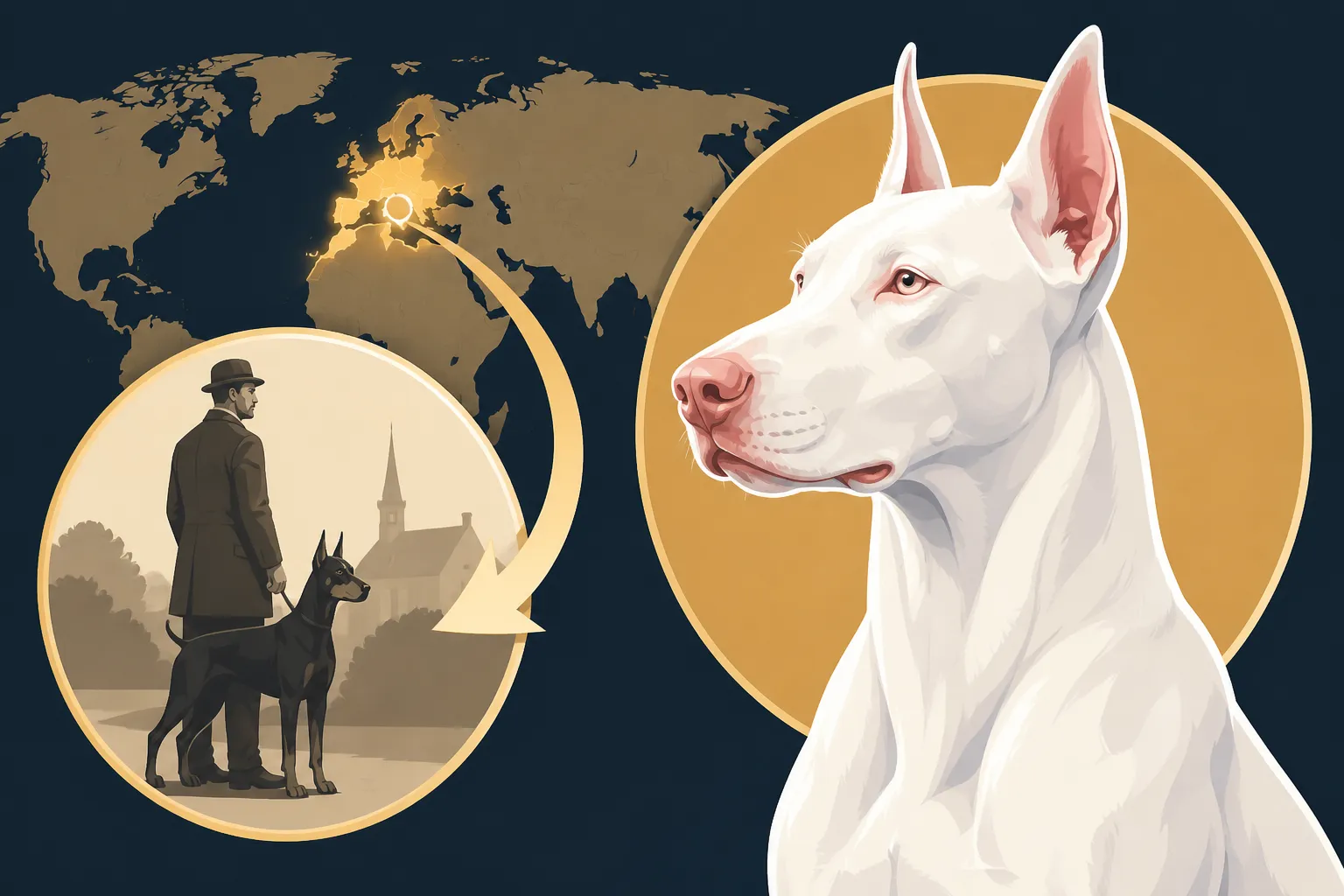
Let's be clear from the outset: a "white Doberman" isn't just a Doberman with a different coat color like black, red, blue, or fawn. It's not like choosing a different shade of paint for your car. These dogs are, in fact, albinos. Albinism is a genetic condition characterized by a complete or partial absence of pigment in the skin, hair, and eyes due to a defect in melanin production. This isn't just a dilution of color; it's a fundamental lack of it. Their eyes are often light blue, or even pinkish, and their noses, paw pads, and lips lack any dark pigment, appearing pink. This makes them incredibly sensitive to light and prone to other health issues that are not typically seen in their normally pigmented counterparts. It's a crucial distinction that often gets lost in the excitement of a "rare" white dog.
The Allure and Misconceptions of Albino Dobermans
There's no denying the striking appearance of an albino Doberman. Their ethereal white coat and light eyes can be incredibly captivating, leading some people to actively seek them out, believing them to be rare and special. This allure, unfortunately, has also fueled misconceptions and, at times, irresponsible breeding practices. Many assume they are simply a fancy color, unaware of the underlying genetic condition and the health implications. Others might believe they are more fragile or have inherent temperament issues, which isn't necessarily true due to their albinism itself, but often due to the conditions they are bred in. It's a common struggle for these dogs to be seen for what they are – Dobermans with a specific genetic challenge – rather than just a novelty. Education is key here, helping prospective owners understand the true nature of their unique beauty and the responsibilities it entails, rather than simply being drawn in by their unusual coat.
The Genesis Story: Tracing the First White Doberman
Every story has a beginning, and the tale of the white Doberman is often fraught with misinformation and confusion. For many years, the existence of these dogs was a mystery, and when they started appearing, their origin was debated. To truly understand the white Doberman, we have to go back to the source, to a specific point in the breed's history where this unique genetic trait first emerged.
The Single Foundation Bitch: Padula's Queen Cleopatra
The story of the albino Doberman doesn't stretch back into the mists of time, like the origins of the standard Doberman colors. Instead, it has a very specific, traceable beginning. All known albino Dobermans, and indeed all Dobermans carrying the gene for albinism, can be traced back to a single female Doberman named Padula's Queen Cleopatra, born in November 1976. Cleopatra was a black and rust Doberman who, unknowingly, carried the recessive gene for albinism. When bred, she produced a litter that included a fully albino Doberman puppy. This particular puppy, named Shebah, was the first documented albino Doberman and the starting point for every albino Doberman thereafter. Her existence confirmed that the gene for albinism was present within the Doberman gene pool, even if it had remained hidden for generations.
How the Recessive Gene Took Hold
The gene for albinism is recessive, meaning a dog needs two copies of the gene (one from each parent) to display the albino trait. If a dog only has one copy, they are a "carrier" and appear normally pigmented, just like Padula's Queen Cleopatra. The key to the gene's spread was simply that Cleopatra, and later her offspring, were bred. When Shebah was born, curiosity and a misguided desire for "rare" dogs led to an interest in breeding for the white coat. Dogs carrying the gene, even if not albino themselves, were bred to each other or back to albino dogs, perpetuating the trait. This meant that even dogs that appeared normal could be silently passing on the gene. This genetic legacy continues to this day, with the gene being present in many Doberman lines, sometimes without owners even knowing they have a carrier. This is why understanding the lineage and genetic testing is so vital for responsible breeders. The Doberman Years When Everything Shows Up can be a difficult time, and genetic issues like these are a big part of that.
The Genetics Behind Albinism in Dobermans
Delving into the "why" behind the white Doberman means taking a closer look at the fascinating, if sometimes complicated, world of genetics. It's not just about what you see on the surface; it's about the microscopic machinery within their cells that dictate their appearance and, unfortunately, some of their vulnerabilities.
Tyrosinase and the Lack of Pigment Production
At the heart of albinism in Dobermans is a specific genetic mutation that affects the production of melanin. Melanin is the pigment responsible for color in skin, hair, and eyes. The key enzyme involved in melanin synthesis is called tyrosinase. In albino Dobermans, there's a defect in the gene that codes for this enzyme, leading to a complete or near-complete inability to produce tyrosinase. Without this enzyme, the biochemical pathway that creates melanin simply grinds to a halt. This isn't just a minor tweak in the amount of pigment; it's a fundamental breakdown in the pigment-making process. Because melanin also plays a role in protecting tissues, particularly the eyes and skin, its absence has significant health implications beyond just aesthetics. Their bodies are essentially operating without this natural protective shield.
Distinguishing True Albinism from Dilute Colors
It’s easy for someone new to Dobermans, or even dog genetics, to confuse an albino Doberman with a dilute-colored Doberman, such as a blue or fawn. After all, they’re all lighter than the typical black or red. However, the distinction is crucial. Blue and fawn Dobermans possess a dilution gene that reduces the intensity of black or red pigment, respectively. They still produce melanin, but it's clumped or sparsely distributed, resulting in a paler, but still colored, coat and typically blue-grey or amber eyes, and appropriately colored noses and paw pads (e.g., blue-grey for a blue Doberman). You can read more about Color Dilution Alopecia in Blue and Fawn Dobermans to understand how different dilution is from albinism. An albino Doberman, on the other hand, produces no melanin at all. Their coat is pure white, their skin is pink, their nose and paw pads are pink, and their eyes are typically light blue or a tell-tale pinkish-red due to the visible blood vessels in the iris. The difference is stark once you know what to look for, and it signifies entirely different genetic mechanisms and potential health challenges. This distinction is vital for understanding why white Dobermans require very specific care.
The Z-Factor: Identifying Carriers and Affected Dogs
To help track and identify Dobermans with the albinism gene, the Doberman Pinscher Club of America (DPCA) implemented what is known as the "Z-factor." If you see a Doberman's registration number that includes a "Z" (e.g., WZxxxxxx for a white Doberman or BZxxxxxx for a black Doberman carrier), it indicates that the dog is either an albino itself or carries the gene for albinism. This "Z" designation serves as a warning flag, alerting potential buyers and breeders to the presence of the gene. The Z in a Doberman Registration Number helps the community identify these lines. While it doesn't prevent breeding of carriers entirely, it aims to promote transparency and discourage the intentional breeding of albino Dobermans. Genetic tests are now available that can accurately determine if a Doberman is clear, a carrier, or affected by the albinism gene. This information is invaluable for responsible breeders looking to avoid producing albino puppies and for owners who want to understand their dog's genetic background, particularly if they suspect albinism or if their dog comes from a line known to carry the gene.
Health Challenges Associated with Albino Dobermans
Owning any Doberman comes with a list of potential health concerns, many of which are breed-specific. But for albino Dobermans, that list expands significantly, largely due to their lack of pigment. These aren't just minor inconveniences; they can profoundly impact a dog's quality of life and require diligent, lifelong management from their human companions.
Light Sensitivity and Vision Problems
Imagine a sunny day, and instead of comfortable daylight, every ray of light feels like a blinding flash. That's often the reality for an albino Doberman. Their eyes lack the protective pigment in the iris and retina that normally filters light. This absence of melanin leads to severe light sensitivity, also known as photophobia. They might squint constantly, avoid bright areas, or even show discomfort and anxiety when exposed to direct sunlight. Light Sensitivity in an Albino Doberman is a serious issue that impacts their daily life. This lack of pigment also affects the development and function of their eyes, potentially leading to poorer vision, particularly in bright conditions, and an increased risk of other ocular issues. They might struggle to see details, especially in high-glare environments, making outdoor activities challenging. Providing shaded areas, doggy sunglasses (yes, they're a thing!), and careful timing of walks becomes paramount to ensure their comfort and safety.
Skin Vulnerabilities: Sunburn and Cancer Risk
Just as their eyes are unprotected, an albino Doberman's skin is also incredibly vulnerable. Melanin acts as a natural sunscreen, shielding skin cells from harmful UV radiation. Without it, their pink skin is highly susceptible to sunburn, even with relatively brief exposure to sunlight. A severe sunburn isn't just painful; it significantly increases their risk of developing skin cancers, such as squamous cell carcinoma or melanoma. This means that year-round sun protection is not an option but a critical necessity. Owners must apply pet-safe sunscreen regularly, dress them in UV-protective clothing, and limit their time outdoors during peak sun hours. It's a constant battle against the elements, requiring vigilance that goes far beyond what a typical Doberman owner faces. Many items available on platforms like Chewy can help with this, from protective clothing to specialized sunscreens. Why an Albino Doberman Burns and Blisters really highlights the severity of this.
Behavioral Tendencies: Debunking Myths and Addressing Realities
There's a common misconception that albino Dobermans are inherently more aggressive, shy, or prone to behavioral problems than their pigmented counterparts. While it's true that some individual albino Dobermans may exhibit these traits, it's crucial to understand why. Their albinism itself doesn't directly cause aggression or shyness. However, their physical vulnerabilities can indirectly contribute to behavioral issues. For instance, a dog with poor vision or severe light sensitivity might become more prone to startling, which can be misinterpreted as nervousness or aggression. A dog in constant discomfort from sunburn or eye irritation might naturally be more irritable or withdrawn. Furthermore, if these dogs come from irresponsible breeders who prioritize color over temperament and health, they might indeed inherit less stable temperaments. It's not the albinism but the experience of living with it, and potentially being poorly bred, that can shape their behavior. With proper care, socialization, and thoughtful breeding, an albino Doberman can be just as sweet and well-adjusted as any other.
Ethical Considerations and Breeding Practices
The existence of albino Dobermans presents a unique set of ethical questions for the Doberman community. While the dogs themselves are deserving of love and care, the practices that lead to their birth have been a source of significant debate and concern among responsible breeders and breed clubs.
The Doberman Pinscher Club of America's Stance
The Doberman Pinscher Club of America (DPCA), the official parent club for the breed in the United States, has a clear and strong stance against breeding albino Dobermans. They view albinism as a serious genetic defect that carries significant health detriments and is not in the best interest of the breed's health and welfare. Why the Doberman Club Opposes White Dogs is a long-standing position. The DPCA advocates for the elimination of the albinism gene from the Doberman gene pool through responsible breeding practices, which includes testing breeding stock and avoiding the breeding of carriers to carriers. They have gone so far as to include the "Z-factor" in registration numbers to identify affected and carrier dogs, making it transparent when a dog comes from albino lines. This stance is rooted in a commitment to responsible breeding and ensuring the health and longevity of the Doberman breed as a whole, rather than promoting a "rare" color for novelty's sake.
Why Responsible Breeders Avoid Breeding Albinos
For ethical and responsible Doberman breeders, the decision to avoid breeding albino Dobermans, or even carriers to carriers, is straightforward. Their primary goal is to produce healthy, sound Dobermans with stable temperaments that adhere to the breed standard. Breeding dogs with known genetic defects that cause health problems goes directly against this principle. Responsible breeders invest heavily in health testing, genetic screening, and careful selection of breeding pairs to minimize the risk of inherited diseases. Introducing or perpetuating a gene that causes significant vision problems, extreme sun sensitivity, and an elevated cancer risk is simply not acceptable to them. They understand that while a white puppy might seem unique, the lifelong challenges and potential suffering for that animal outweigh any aesthetic appeal. Their focus is on improving the breed, not on creating dogs that require constant medical intervention and specialized care from birth.
The Role of Genetic Testing in Preventing Albino Litters
Thankfully, advancements in genetic science have provided a powerful tool for preventing the birth of albino Dobermans: DNA testing. Specific tests are available that can identify whether a Doberman is clear of the albinism gene, a carrier (meaning they have one copy of the gene but appear normally pigmented), or affected (meaning they have two copies and are albino). Whether a Doberman DNA Panel Replaces Screening is an important question. Responsible breeders utilize these tests extensively. By testing all potential breeding stock, they can make informed decisions, ensuring that two carriers are never bred together. If one parent is a carrier, they would only be bred to a dog that is clear of the gene, ensuring that no albino puppies are produced (though some puppies in the litter might still be carriers). This proactive approach is crucial in gradually reducing the prevalence of the albinism gene in the Doberman population, ultimately improving the overall health of the breed and preventing needless suffering.
Living With an Albino Doberman: Special Care Requirements
If you find yourself with an albino Doberman, whether through rescue, a misunderstanding of their genetics, or a chance occurrence, you're signing up for a level of specialized care that goes beyond the typical Doberman owner experience. It's a commitment that requires vigilance, patience, and a deep understanding of their unique needs.
Protecting Sensitive Skin and Eyes
The paramount concern for an albino Doberman is protecting their extremely sensitive skin and eyes from the sun. This isn't just a seasonal task; it's a year-round requirement, even on cloudy days, as UV rays can still penetrate. For their skin, regular application of high SPF, pet-safe sunscreen to exposed areas like the nose, ear tips, and belly is crucial. Many owners invest in UV-protective clothing, such as sun shirts or full-body suits, readily available from retailers like Chewy, to provide a physical barrier against the sun. Walks should be timed for early morning or late evening, avoiding peak sun hours from 10 AM to 4 PM. For their eyes, doggy goggles or visors can offer much-needed protection from bright light, reducing discomfort and potential damage. Inside the home, ensure they have access to shaded, comfortable areas away from direct sunlight streaming through windows. It’s a constant battle, but one that directly impacts their quality of life and longevity.
Environmental Management and Enrichment
Beyond sun protection, careful environmental management is key to helping an albino Doberman thrive. Their vision can be impaired, especially in bright light, so maintaining a consistent and predictable home environment can reduce anxiety and help them navigate. Avoid moving furniture frequently, and ensure clear pathways. Toys and enrichment activities should be chosen with their vision in mind; brightly colored or high-contrast toys can be easier for them to see. Puzzle feeders, also easily found on Chewy, are fantastic for mental stimulation, which is just as important for a Doberman as physical exercise. Since their outdoor time during peak sun may be limited, finding creative ways to provide exercise and mental engagement indoors is vital. This might include longer indoor training sessions, scent work, or treadmill training, if introduced carefully. The goal is to provide a rich, fulfilling life that accounts for their sensory limitations, rather than letting their albinism restrict their world.
Finding the Right Veterinary Support
Having an albino Doberman means you'll likely be spending more time at the vet than owners of normally pigmented Dobermans, particularly for dermatological and ophthalmological concerns. It's crucial to find a veterinary team that is knowledgeable about albinism and its associated health issues. This might include regular skin checks for any suspicious lesions or changes, and potentially more frequent eye examinations to monitor for developing conditions. Discussing a proactive plan for sun protection, including specific sunscreen recommendations and any dietary supplements that might support skin health, should be part of your routine. Skin Care Costs for a Blue Doberman might be informative for understanding the costs involved in managing skin conditions, although albinism often presents unique challenges. Don't hesitate to seek out specialists, such as veterinary dermatologists or ophthalmologists, if your primary vet recommends it. Building a strong relationship with a supportive and informed veterinary team will be one of the most important steps in ensuring your albino Doberman receives the best possible care throughout their life.
The Doberman Community's View and Advocacy
The Doberman community is passionate about its breed, and that passion extends to protecting its health and integrity. The conversation around albino Dobermans often reflects this deep care, albeit with varying approaches and levels of understanding. It's a dialogue that continues to evolve, driven by education, advocacy, and a commitment to animal welfare.
Education vs. Condemnation
For many years, the discussion surrounding albino Dobermans was often polarized, with some condemning their existence and others fiercely defending the dogs themselves. However, the prevailing sentiment within responsible Doberman circles has shifted towards education rather than condemnation of the individual dogs. The understanding is that the dogs themselves are innocent products of genetics and often, misguided breeding. The focus now is on educating prospective owners about the serious health risks associated with albinism and the lifelong commitment required to care for these dogs. It's about empowering people with knowledge so they can make informed decisions, whether they are considering purchasing a Doberman from a known line with the Z-factor, or if they encounter an albino Doberman in a rescue situation. The goal is to prevent future generations of albino Dobermans through responsible breeding, while advocating for the well-being of those already here.
Support for Owners of Albino Dobermans
While the Doberman community largely discourages the breeding of albino Dobermans, there is a growing movement to support the owners of these unique dogs. Many breed-specific rescues and online communities recognize that these dogs exist and require special care. They offer advice on managing their health issues, connecting owners with experienced veterinarians, and sharing tips for daily living, from the best sunscreens to effective coping strategies for light sensitivity. These groups understand that responsible ownership means providing the best possible life for any Doberman, regardless of its genetic predispositions. Buying a White Doberman and What It Means is a topic that requires deep consideration before committing. This supportive network helps ensure that owners don't feel isolated or overwhelmed by the challenges, fostering a community where information and empathy are shared freely.
The Path Forward for the Breed's Health
The long-term goal for the Doberman breed, as envisioned by responsible enthusiasts and the DPCA, is to eliminate the albinism gene from the gene pool entirely. This is a gradual process that relies heavily on genetic testing and selective breeding. It means that every time a clear-to-carrier breeding occurs, while no albino puppies are born, the carrier gene is still passed on. The ideal is to eventually breed only clear dogs to clear dogs, slowly removing the gene's presence. Whether a White Doberman Can Be Bred From is a question with a resounding "no" from ethical breeders, as it only perpetuates the problem. This sustained effort, coupled with continued education about the reality of albinism, ensures that the Doberman breed can thrive with robust health and vitality for generations to come. It’s a testament to the dedication of Doberman lovers who prioritize health and welfare above all else, ensuring that the majestic Doberman continues to be a symbol of strength and companionship.
| Feature | True Albino Doberman (Z-factor) | Dilute Doberman (Blue/Fawn) | Standard Doberman (Black/Red) |
|---|---|---|---|
| Genetic Cause | Defect in melanin production (Tyrosinase) | Dilution gene affecting pigment density | Normal melanin production |
| Coat Color | Pure white | Blue-grey or fawn (light tan/beige) | Black or red (dark reddish-brown) |
| Eye Color | Light blue, pinkish, or pale grey | Blue-grey, amber, or light brown | Dark brown |
| Nose/Pad Color | Pink | Blue-grey or fawn (match coat) | Black (for black), Self-colored (for red) |
| Light Sensitivity | Severe (Photophobia) | Mild to none | None |
| Skin Issues | High risk of sunburn, skin cancer | Potential for Color Dilution Alopecia | Standard Doberman skin health |
| Vision Problems | Common, especially in bright light | Generally normal vision | Normal vision |
| Breeding Stance | Strongly discouraged by breed clubs | Recognized, but with health considerations | Standard and encouraged |
Disclaimer
This article is for general informational purposes only and does not constitute professional advice. Laws, prices and regulations vary by location and change over time. Consult a qualified professional for guidance on your specific situation.