How Many Dobermans Have Silent Liver Disease
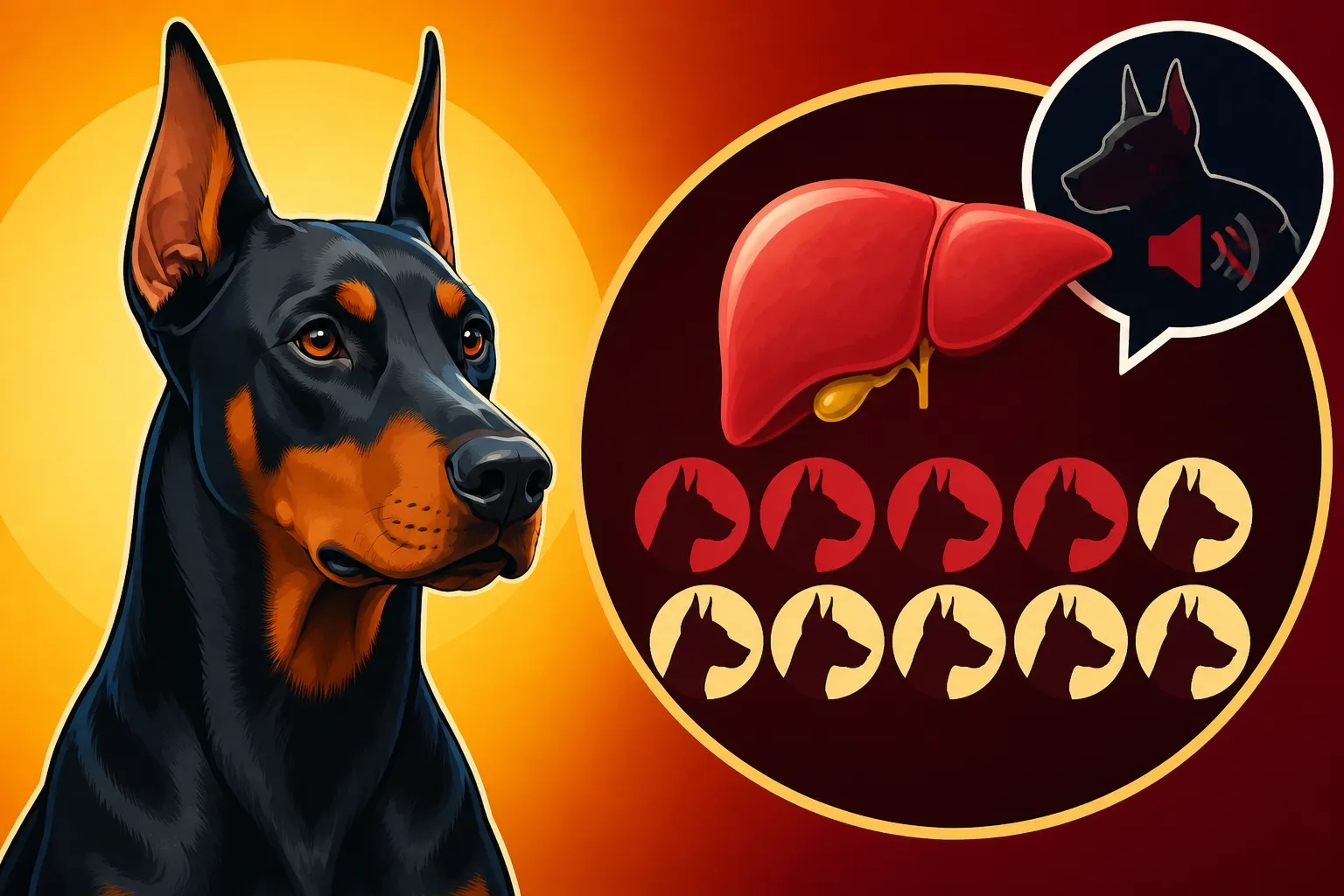
It’s a truly frightening thought: your beloved Doberman could be harboring a serious illness, slowly causing damage within their body, without showing a single outward sign. This silent threat is a reality for many Doberman owners when it comes to liver disease, specifically copper-associated hepatopathy. This guide will walk you through why Dobermans are particularly susceptible, how this insidious condition often goes undetected, and what proactive steps you can take to protect your companion.
Understanding Copper-Associated Hepatitis in Dobermans
The Doberman Pinscher, a magnificent and intelligent breed, unfortunately carries a genetic predisposition to several health conditions, and copper-associated chronic hepatitis is one of the more insidious ones. This isn't just a random ailment; it’s deeply rooted in their unique physiology.
The Genetic Predisposition for Copper Storage
Unlike many other breeds, Dobermans can have a genetic mutation that impacts how their liver processes and excretes copper. Normally, dogs absorb a certain amount of copper from their diet, use what they need for essential bodily functions, and then efficiently excrete the excess. In Dobermans with this genetic predisposition, that excretion process doesn't work quite right. Instead of flushing out the surplus, their liver cells, called hepatocytes, start to accumulate it. Think of it like a leaky faucet that never gets fixed, slowly filling a bucket. Over time, this copper buildup becomes toxic to the liver cells, causing inflammation and damage. You might want to delve deeper into specific breed issues by reading more on Why Doberman Livers Store Copper.
This isn't a condition that appears overnight. It's a slow, progressive accumulation, often starting from a young age. Each meal contributes a little more copper, and each day, the liver's capacity to handle it becomes a bit more overwhelmed. While research is ongoing to pinpoint all the exact genetic markers involved, it's clear that Dobermans are one of the breeds most at risk for this inherited metabolic defect. Other breeds like Bedlington Terriers and West Highland White Terriers also face similar copper storage issues, but the specific genetic pathways can differ.
The Insidious Nature of "Silent" Disease
The most frustrating and dangerous aspect of copper-associated hepatitis in Dobermans is its "silent" nature. For months, even years, your Doberman can appear completely healthy, full of energy, and showing no signs of discomfort, all while their liver is slowly succumbing to copper toxicity. This is because the liver is an incredibly resilient organ, capable of functioning even when a significant portion of it is damaged. It compensates, working harder with the remaining healthy tissue, effectively masking the underlying problem. This compensatory mechanism is why early symptoms are so rare.
When clinical signs finally do appear, they are often vague and non-specific, easily mistaken for other conditions or simply attributed to aging. These might include subtle lethargy, a decreased appetite, or occasional vomiting. By the time obvious symptoms like jaundice (yellowing of the skin or eyes), significant weight loss, or fluid accumulation in the abdomen (ascites) manifest, the disease has usually progressed to a severe stage, often irreversible cirrhosis, where the liver tissue is permanently scarred and unable to regenerate. It’s this hidden progression that makes proactive screening so critical for Doberman owners who understand the breed's vulnerabilities.
Diagnosing Silent Liver Disease: Catching the Unseen Threat
Because of the silent nature of copper-associated hepatopathy, diagnosing it early requires a proactive approach and a willingness to look beyond routine blood tests. It's truly a case where what you don't see is the most worrying part.
The Challenge of Early Detection
Many Doberman owners understandably rely on their annual wellness exams, which typically include a general blood panel. While these tests are invaluable for overall health monitoring, they often fall short in detecting early copper liver disease. Standard liver enzyme levels, such as ALT (alanine aminotransferase) and ALP (alkaline phosphatase), can remain within normal limits for a long time, even as copper is steadily building up and causing microscopic damage. When these enzymes do finally elevate, it often signals that significant liver cell damage has already occurred, pushing the liver past its compensatory abilities. If you've ever looked at your Liver Enzyme Results in a Doberman and felt a false sense of security, you're not alone; it's a common misconception.
Furthermore, other common blood tests, like bile acids, can also be normal in the early stages. This means that a seemingly "clear" blood panel doesn't necessarily rule out silent copper accumulation. This is precisely why relying solely on standard blood work can give a false sense of security and delay critical intervention, making the disease much harder to manage effectively once symptoms finally surface. It's a constant battle against the disease's hidden progression.
The Role of Liver Biopsy for Confirmation
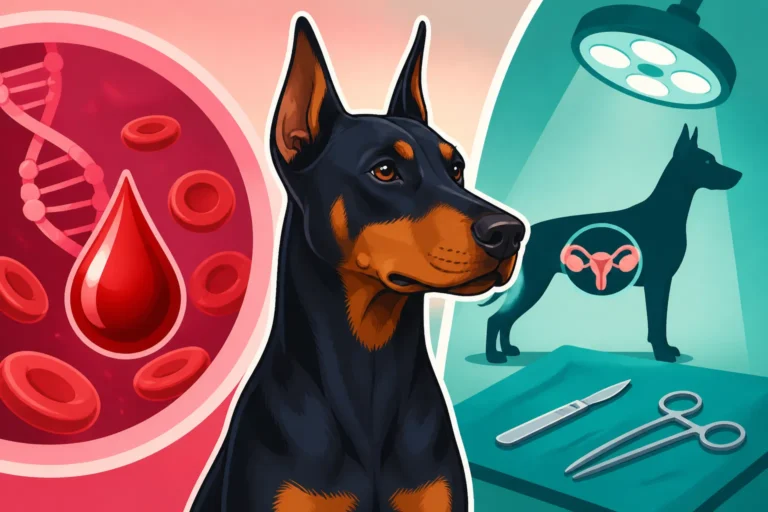
Given the limitations of blood tests, the definitive way to diagnose copper-associated hepatitis and assess its severity is through a liver biopsy. This involves taking a small tissue sample from the liver, which is then sent to a specialized lab for analysis. While it sounds invasive, it’s the gold standard and provides the most accurate picture of what's happening inside your Doberman's liver. A liver biopsy allows a veterinary pathologist to examine the liver cells for signs of inflammation, fibrosis (scarring), and crucially, to quantify the amount of copper present. For a detailed understanding of the procedure, you can read about a Liver Biopsy in a Doberman.
The biopsy sample typically undergoes a specific staining process to highlight copper deposits, and quantitative copper analysis measures the actual copper concentration in the tissue. This number is vital. Elevated copper levels, even in the absence of clinical signs or significantly elevated liver enzymes, confirm the diagnosis and indicate the need for intervention. There are a couple of ways a biopsy can be performed: a wedge biopsy done during open abdominal surgery, which provides a larger sample, or a laparoscopic or ultrasound-guided needle biopsy, which is less invasive but may yield a smaller, potentially less representative sample. The choice often depends on the veterinarian's assessment and the overall health of the dog. While it's an added cost and procedure, it's often the only way to catch this silent killer before it's too late. When considering such procedures, many owners realize the value of comprehensive pet insurance. Providers like Healthy Paws can often help alleviate the financial stress of these critical diagnostic steps, especially if a policy is in place before any signs of illness appear.
Managing Copper Liver Disease: Lifelong Strategies
Once copper-associated hepatitis is diagnosed, managing it becomes a lifelong commitment. The goal is to reduce copper intake, remove accumulated copper, and protect the liver from further damage. It's a journey, not a sprint, and consistency is key.
Dietary Modifications to Reduce Copper Intake
One of the cornerstones of managing copper liver disease is a strict, low-copper diet. This is not a temporary measure but a permanent lifestyle change for your Doberman. The idea is to limit the amount of new copper entering the body, giving the liver a chance to heal and preventing further accumulation. Many commercial prescription diets are specifically formulated for liver support and have carefully controlled copper levels. Brands like Royal Canin, Hill's Prescription Diet, and Purina Pro Plan Veterinary Diets offer excellent options. You can explore this more by learning about Low-Copper Diets for a Doberman.
It's also critical to be aware of foods that are naturally high in copper and to strictly avoid them. These often include organ meats (like liver, kidney), shellfish, mushrooms, nuts, legumes (especially lentils and peas, which are common in many "boutique" or "grain-free" diets), and certain grains like oats. Even treats and supplements need to be vetted for their copper content. Homemade diets can also be formulated, but they must be carefully balanced by a veterinary nutritionist to ensure they are nutritionally complete while still being low in copper. This can be complex, and expert guidance is essential to avoid creating other nutritional deficiencies. Feeding a Doberman on liver medication requires careful attention to both diet and drug interactions.
Medication and Supplementation for Copper Chelation
Beyond diet, medication plays a crucial role in removing excess copper from the body. These drugs, known as chelators, bind to copper in the bloodstream and facilitate its excretion, primarily through the urine. D-penicillamine and Trientine (Syprine) are two common chelating agents used. These medications are powerful and require careful dosing and monitoring by your veterinarian, as they can have side effects. Another strategy involves zinc supplementation. Zinc works in a different way; it induces a protein in the intestinal cells that binds to dietary copper, preventing its absorption into the body. This essentially forms a barrier, reducing the amount of copper that even reaches the liver. It can be used alongside chelators or as a maintenance therapy once copper levels have been reduced.
Supportive medications may also be prescribed to address inflammation (e.g., corticosteroids in specific cases), reduce oxidative stress (e.g., S-adenosylmethionine or SAMe, milk thistle), or help regenerate liver cells. Regular blood work is absolutely essential to monitor liver enzyme levels, zinc and copper levels, and to check for any potential side effects of the medications. These checks allow your vet to adjust the treatment plan as needed. For more information on treatment options, look into Copper Chelation for a Doberman Liver and Medication for a Doberman With Hepatitis. The costs associated with these medications, specialized diets, and frequent monitoring can add up, highlighting again why pet insurance, particularly with a strong provider like Healthy Paws, can be incredibly valuable for long-term health management.
Prognosis and Living with a Doberman with Liver Disease
Hearing your Doberman has liver disease is devastating, but an early and consistent approach to management can make a significant difference in their quality of life and longevity.
Early Diagnosis Makes a Difference
The outcome for a Doberman with copper-associated hepatitis is heavily dependent on when the diagnosis is made. If the disease is caught in its silent, early stages, before extensive damage and cirrhosis have occurred, the prognosis is often good to excellent. With strict dietary management and appropriate chelating therapy, many Dobermans can lead long, comfortable lives with minimal or no clinical signs. The liver, despite its resilience, can repair itself to a remarkable degree if the underlying cause of damage (excess copper) is removed and prevented from accumulating further. This underscores the importance of proactive screening for Doberman owners, particularly those with a known genetic risk in their dog's lineage. Learning How Long a Doberman Lives With Liver Disease often comes down to this early intervention.
However, if the disease is only diagnosed once clinical symptoms are obvious, indicating severe and potentially irreversible liver damage, the prognosis becomes guarded to poor. While management can still help improve comfort and extend life, the liver may have already suffered too much scarring to fully recover. In these advanced cases, the focus shifts to palliative care and managing complications like fluid retention, neurological signs (hepatic encephalopathy), and bleeding disorders. This drastic difference in outcomes truly highlights why the concept of "silent liver disease" is so crucial for Doberman owners to understand and act upon. It's truly a matter of catching it before it turns critical, which is why routine wellness checks for Screening an Older Doberman More Often are paramount.
The Impact on Quality of Life
Living with a Doberman diagnosed with copper liver disease means adapting to a new routine, but it doesn't have to mean a diminished quality of life. The main changes will revolve around diet and medication administration. Your Doberman will need to be on their special low-copper diet indefinitely, meaning no sharing table scraps or giving unauthorized treats. This can be challenging, especially with a food-motivated Doberman, but consistency is vital for their health. Medication, whether chelators or zinc, will also be a regular part of their day, often given once or twice daily. This routine becomes second nature for most owners.
Beyond diet and medication, regular veterinary check-ups and blood work are crucial to monitor their progress, ensure medication effectiveness, and catch any potential complications early. Your vet will advise on the frequency of these visits, which might be more often initially and then less frequent once stable. With careful management, many Dobermans continue to enjoy their usual activities – walks, playtime, and being a cherished family member. The aim is to ensure they remain symptom-free, happy, and active for as long as possible. The peace of mind that comes from knowing you are actively managing their condition, rather than waiting for symptoms, is invaluable. To get an idea of the associated care costs, you can explore the Prescription Diet Costs for a Doberman Liver.
Here's a quick comparison of detection methods for Doberman liver disease:
| Detection Method | What it Measures | Pros | Cons | Utility for Silent Liver Disease |
|---|---|---|---|---|
| Routine Blood Panel | Liver enzymes (ALT, ALP), albumin, bilirubin | Readily available, cost-effective, good general health check | Often normal in early stages, non-specific changes, limited insight into copper levels. | Low |
| Bile Acid Tests | Liver function (pre/post-prandial) | More sensitive for liver function than routine enzymes | Can still be normal in early copper accumulation, doesn't directly measure copper. | Moderate |
| Abdominal Ultrasound | Liver size, texture, presence of masses, ascites | Non-invasive, visualizes liver structure | Cannot definitively diagnose copper storage, results can be normal even with significant damage. | Moderate (for advanced cases) |
| Liver Biopsy (with Quantitative Copper Analysis) | Direct tissue examination, copper concentration, inflammation, fibrosis | Gold standard for diagnosis, definitive proof of copper accumulation | Invasive (requires anesthesia), higher cost, potential for complications (though rare). | High |
Disclaimer
This guide is intended for informational purposes only and does not constitute professional veterinary advice. Always consult with a qualified veterinarian for any health concerns or before making any decisions about your Doberman's care, diet, or treatment. Genetic predispositions and individual health can vary greatly.