How Long a Doberman Lives With Liver Disease
Receiving a diagnosis of liver disease for your beloved Doberman can feel like a punch to the gut. The fear, the uncertainty, and the immediate question of "How much time do we have left?" are absolutely overwhelming. It's a particularly cruel twist when you know Dobermans are prone to certain liver conditions, specifically copper storage hepatopathy, which often progresses silently. This guide aims to shed light on what you can realistically expect regarding your Doberman's lifespan after a liver disease diagnosis, focusing on factors that influence prognosis and the dedicated care that can make a profound difference.
Understanding Doberman Liver Disease and Its Progression
For many Doberman owners, liver disease, particularly chronic hepatitis, comes as a devastating surprise. Our Dobermans are known for their athleticism and vibrant personalities, making the insidious nature of liver conditions even more heartbreaking. Unlike some other breeds, Dobermans have a genetic predisposition to accumulate copper in their liver, leading to a condition known as copper storage hepatopathy. This isn't just a minor issue; it's a serious, progressive disease that can significantly impact their longevity if not managed properly.
The Silent Nature of Copper Storage Hepatopathy
One of the most frustrating and challenging aspects of copper storage hepatopathy in Dobermans is its tendency to remain completely silent for years. You might have a Doberman who appears perfectly healthy, full of energy, and showing no outward signs of illness, all while their liver is slowly accumulating toxic levels of copper. This is why it’s often referred to as a "silent killer" in the breed. The liver is an incredibly resilient organ, capable of functioning remarkably well even when a significant portion of it is damaged. This biological buffer means that by the time overt symptoms appear, the disease is often quite advanced, and substantial, irreversible damage may have already occurred. The initial phases involve inflammation and cell death, which the liver tries to repair, but with continuous copper overload, this leads to scarring, also known as fibrosis, and eventually, cirrhosis. Understanding Why Doberman Livers Store Copper is crucial for appreciating the genetic component at play here.
The timeframe of this silent phase can vary wildly among individual Dobermans. Some might show elevated liver enzymes in routine bloodwork as early as three or four years old, while others might not present symptoms until they are much older, perhaps seven or eight years of age, or even later. This variability makes proactive screening incredibly important, but it also highlights the challenge of early diagnosis without specific testing. The frustration for owners is immense; we want to do everything right, but how can you treat something you don't even know is there? It’s a bitter pill to swallow when you realize How Many Dobermans Have Silent Liver Disease before any warning signs emerge.
When Symptoms Finally Appear
When a Doberman's liver disease finally progresses to a point where the organ can no longer compensate, that's when you start noticing changes. These symptoms are often non-specific, mimicking other illnesses, which can further delay an accurate diagnosis. Common signs include lethargy, a noticeable decrease in energy, and a reluctance to engage in activities they once loved. Your usually ravenous Doberman might lose their appetite, become picky eaters, or even refuse food entirely, leading to significant weight loss. Vomiting and diarrhea are also frequent occurrences as the liver's ability to process toxins and aid digestion declines.
More specific, but often later, indicators can include jaundice – a yellowing of the skin, gums, or whites of the eyes – which signals severe impairment of bile processing. Increased thirst and urination can also be observed as the kidneys work harder to compensate for the liver's failing detoxification functions. In advanced stages, fluid accumulation in the abdomen (ascites) might become apparent, making your Doberman look bloated and uncomfortable. These symptoms are clear red flags that the liver is struggling, and at this point, the disease is typically no longer in its early, easily reversible stages. The quality of life for a Doberman experiencing these symptoms significantly diminishes, as they are often in discomfort and losing their zest for life.
Diagnosing and Managing Doberman Liver Conditions
Once symptoms appear or if routine screening raises concerns, the journey to diagnosis and management becomes paramount. It’s a process that requires a dedicated veterinary team, often including specialists, and a lot of patience and commitment from you as the owner. The goal is to not only confirm the diagnosis but also to determine the extent of the damage and establish a treatment plan that offers the best possible prognosis.
The Diagnostic Journey: From Bloodwork to Biopsy
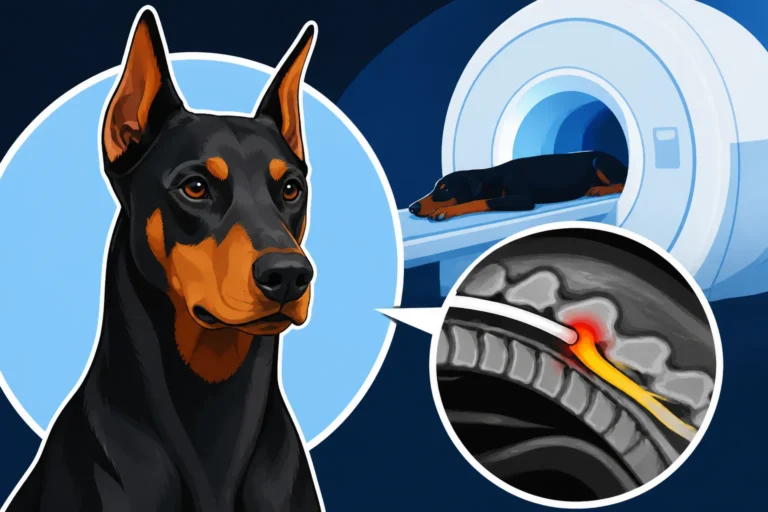
The first steps in diagnosing liver disease in a Doberman usually involve routine bloodwork. This typically includes a complete blood count (CBC) and a chemistry panel, which can reveal elevated liver enzymes such as ALT (alanine aminotransferase) and ALP (alkaline phosphatase). While elevated enzymes are a strong indicator of liver irritation or damage, they don't tell us the cause or the severity. For that, further tests are needed. Bile acid tests, both pre- and post-prandial, assess the liver's ability to process bile, offering a clearer picture of liver function. Your vet might also recommend an abdominal ultrasound, which can visualize the liver's size, shape, and internal architecture, helping to rule out other issues like tumors or gallbladder problems.
However, the gold standard for diagnosing copper storage hepatopathy and assessing the extent of liver damage (fibrosis, cirrhosis) is a liver biopsy. This involves taking small tissue samples from the liver, usually under sedation or general anesthesia, and sending them for histopathological analysis and copper quantification. This crucial step not only confirms the presence of excessive copper but also provides vital information on how much damage has already occurred, guiding the treatment plan and influencing the prognosis. Liver Biopsy in a Doberman is a procedure that, while invasive, offers the most definitive answers, and understanding Liver Enzyme Results in a Doberman in conjunction with these other tests provides a comprehensive picture. Without this detailed understanding, effective, long-term management is often a shot in the dark.
Treatment Strategies to Extend Life
Once a definitive diagnosis of copper storage hepatopathy is made, treatment primarily focuses on two main goals: removing excess copper from the body and supporting liver function to minimize further damage. This is a lifelong commitment, not a short-term fix. The cornerstone of therapy often involves copper chelators, such as D-penicillamine or trientine. These medications work by binding to copper in the body, allowing it to be excreted, thereby reducing the toxic load on the liver. They are powerful drugs and require careful dosing and monitoring for potential side effects.
Alongside chelators, zinc supplements are often prescribed. Zinc helps by blocking the absorption of copper from the diet in the gastrointestinal tract. Antioxidants like S-adenosylmethionine (SAM-e) and milk thistle are frequently used to support liver cell regeneration and protect against oxidative stress. In cases of significant inflammation, anti-inflammatory medications might also be part of the protocol. A crucial component of treatment is also dietary modification. Special low-copper diets are absolutely essential to prevent further copper accumulation. Commercial prescription diets are available, but some owners opt for home-cooked meals under veterinary nutritionist guidance to ensure proper balance and low copper content. Sticking to these protocols meticulously is vital, as any lapse can lead to a resurgence of copper levels and disease progression. You can learn more about Copper Chelation for a Doberman Liver and how it works, as well as the importance of Low-Copper Diets for a Doberman to support overall liver health.
Factors Influencing a Doberman's Prognosis with Liver Disease
When discussing how long a Doberman lives with liver disease, there's no single answer. It's not a straightforward timeline like with some acute conditions. Instead, it’s a complex interplay of several factors, some within our control and some not. This variability is often what makes the journey so emotionally taxing for Doberman owners, as we desperately seek a clear path forward.
The Impact of Early Detection and Consistent Care
Without a doubt, early detection is the single most significant factor in extending a Doberman's life with liver disease. If the condition is caught during the early, asymptomatic phase, before significant fibrosis or cirrhosis has developed, the prognosis is considerably better. In these cases, with aggressive chelation therapy, zinc supplementation, and a strict low-copper diet, many Dobermans can live a relatively normal lifespan, sometimes for several years beyond what would be expected with a late diagnosis. Regular follow-up appointments, including bloodwork to monitor liver enzymes and copper levels, are non-negotiable. These check-ups allow your vet to adjust medications as needed and catch any regressions quickly. This proactive approach underscores Whether Doberman Liver Disease Can Be Caught Early and why it's so vital.
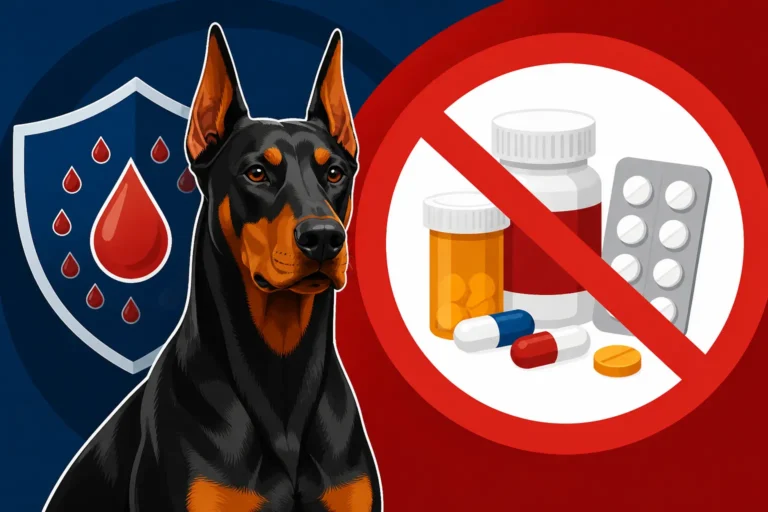
The financial commitment for this chronic care can be substantial, with ongoing costs for medications, specialized diets, and frequent veterinary visits. This is where pet insurance can be a game-changer. Companies like Healthy Paws can help offset these recurring expenses, making consistent, high-quality care more accessible. Having a policy from Healthy Paws in place before any symptoms appear means you're better equipped to provide the best possible long-term care without having to make heartbreaking decisions based solely on cost. Consistent care isn't just about medications; it's about dedicated monitoring, quick adjustments, and a comprehensive health plan.
Severity of Liver Damage at Diagnosis
Unfortunately, many Dobermans are diagnosed only after clinical signs become apparent, indicating that the disease has progressed considerably. The extent of liver damage, particularly the presence and severity of fibrosis or cirrhosis, at the time of diagnosis, is a critical determinant of prognosis. If the liver has already undergone significant scarring, its ability to regenerate and function properly is severely compromised. Dobermans diagnosed with advanced cirrhosis, where much of the liver tissue has been replaced by scar tissue, generally have a much shorter life expectancy, often ranging from a few months to a year or two, even with aggressive treatment.
Complications such as hepatic encephalopathy (a neurological disorder caused by toxins building up in the blood that the liver can no longer filter), ascites (fluid in the abdomen), or portal hypertension (increased blood pressure in the vessels leading to the liver) further worsen the prognosis. These complications indicate profound liver failure and are often challenging to manage effectively long-term. For an owner, receiving such a diagnosis late can feel like a devastating blow, a cruel reminder of the silent progression of the disease. The goal at this stage often shifts from seeking a cure to focusing on palliative care and maintaining the best possible quality of life for the remaining time.
Individual Response to Treatment
Just like people, every Doberman is an individual, and their response to treatment can vary significantly. While the standard protocols for copper chelation and liver support are generally effective, some Dobermans may respond better than others. Some might tolerate the medications well with minimal side effects, while others might experience gastrointestinal upset, lethargy, or other adverse reactions that necessitate dosage adjustments or even changes in medication. This can lead to a period of trial and error, which can be frustrating but is often necessary to find the optimal regimen for your dog.
Regular Monitoring Bloodwork for a Doberman Liver is essential to track the effectiveness of treatment and ensure that copper levels are indeed decreasing. If a Doberman does not respond well to initial therapy, or if the disease continues to progress despite diligent care, the prognosis becomes guarded. In such cases, your veterinary team might explore alternative therapies or make further adjustments. Pet insurance like Healthy Paws can also cover the costs associated with these ongoing tests and specialized medications, ensuring that you have the resources to explore every possible avenue for your Doberman's health. The dedication of the veterinary team, combined with your unwavering commitment to their care, plays a huge role in navigating these complexities and maximizing their time with you.
Living Day-to-Day and Quality of Life Considerations
Navigating life with a Doberman diagnosed with liver disease is a journey of careful management, constant observation, and immense love. Your focus will shift towards making every day comfortable and ensuring their quality of life remains as high as possible.
Adjusting Daily Life for a Doberman with Liver Disease
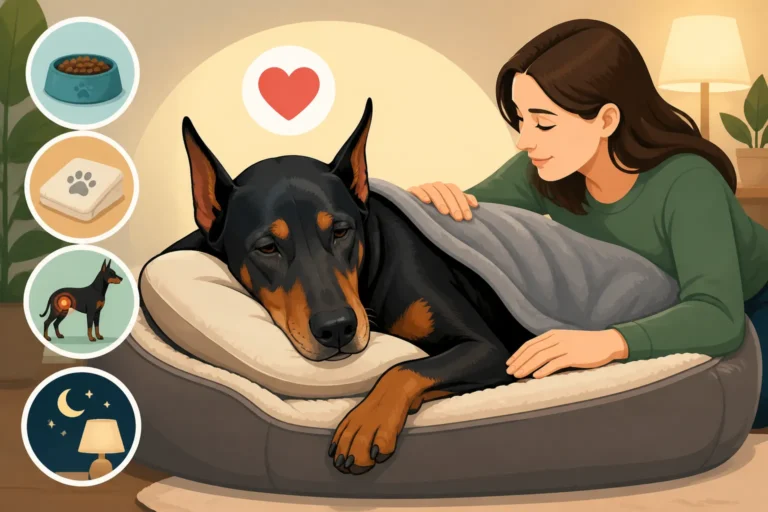
Once your Doberman is on a treatment plan, adjusting their daily routine is crucial. Diet becomes a central pillar of their care; adhering strictly to the low-copper diet is paramount. This often means no unauthorized treats, table scraps, or even certain chew toys that might contain high copper levels. Consistent feeding schedules, often with smaller, more frequent meals, can also help reduce the burden on their digestive system. Hydration is also incredibly important, so ensure fresh water is always available.
Exercise might need to be modified. While Dobermans are active, a dog with compromised liver function will tire more easily. Instead of intense runs, consider shorter, gentler walks, and avoid strenuous activity, especially in hot weather. The goal is to keep them mentally stimulated and physically comfortable, not to push them. Mental enrichment through puzzle toys or gentle training sessions can provide an outlet for their intelligence without overexertion. Minimizing stress in their environment also contributes to overall well-being. Regular vet visits are also part of this adjusted routine to check their progress and manage any emerging issues.
Recognizing When It's Time to Say Goodbye
This is, arguably, the hardest part of any pet owner's journey, and it's particularly poignant when dealing with a chronic, progressive illness like liver disease. As the disease progresses, despite the best medical interventions, there may come a time when your Doberman's quality of life significantly deteriorates. This is a deeply personal decision, and there’s no right or wrong answer, only what’s best for your individual dog. Signs that quality of life is declining may include persistent pain that can't be managed, extreme lethargy, complete loss of appetite, intractable vomiting or diarrhea, severe neurological signs from hepatic encephalopathy, or an inability to engage in normal activities or show interest in their surroundings.
Your veterinarian can help you assess your Doberman's quality of life, using objective measures and guiding you through this agonizing process. The goal is to prevent suffering and ensure a peaceful transition. It's about remembering all the joy they've brought into your life and honoring their dignity by not letting them endure unnecessary pain. While we strive to extend their lives as long as possible, knowing when to say goodbye is the ultimate act of love. For many owners, providing Keeping a Failing Doberman Comfortable at Home in their final days becomes the priority.
Table: Factors Influencing Doberman Liver Disease Prognosis
| Factor | Impact on Lifespan | Key Considerations |
|---|---|---|
| Stage at Diagnosis | Early: Significantly extended | Asymptomatic, mild enzyme elevation, minimal fibrosis |
| Late: Reduced (months to 1-2 years) | Overt symptoms, advanced fibrosis/cirrhosis, complications | |
| Treatment Adherence | Strict: Optimizes survival | Consistent medication, diet, regular monitoring |
| Inconsistent: Accelerates progression | Missed doses, dietary lapses, skipped vet visits | |
| Individual Response | Good: Stable health, extended lifespan | Tolerates meds, copper levels decrease, symptoms resolve |
| Poor: Shorter lifespan, more complications | Med intolerance, persistent high copper, worsening symptoms | |
| Presence of Complications | Absent: Better prognosis | No ascites, encephalopathy, or portal hypertension |
| Present: Severely guarded prognosis | Fluid accumulation, neurological issues, bleeding | |
| Supportive Care | Excellent: Enhances comfort & well-being | Low-stress environment, appropriate exercise, good nutrition |
| Inadequate: Worsens quality of life | High-stress, insufficient mental/physical outlet, poor diet |
Disclaimer
This article is for general informational purposes only and does not constitute professional advice. Laws, prices and regulations vary by location and change over time. Consult a qualified professional for guidance on your specific situation.