The Age a Blue Doberman Starts Losing Hair
It's heartbreaking to see your beautiful blue Doberman, a picture of elegance and strength, start developing thin patches or even bald spots, especially when they're still so young. That glossy, unique coat is part of their charm, and witnessing it change can be incredibly frustrating and confusing for any owner. This guide is here to walk you through why this happens, specifically the typical age when a blue Doberman starts losing its hair due to a condition called Color Dilution Alopecia, and what you can expect as they grow.
What is Color Dilution Alopecia in Blue Dobermans?
Before we dive into the "when," it's crucial to understand the "what" and "why" behind hair loss in blue Dobermans. This isn't just a random cosmetic issue; it's a specific genetic condition known as Color Dilution Alopecia, or CDA. It affects dogs with "diluted" coat colors like blue (diluted black) and fawn (diluted red). It's a frustrating reality for many blue Doberman owners, and it’s important to remember it’s no fault of your own or your dog’s.
The Genetic Roots of Blue Doberman Coat Loss
At its core, CDA is a genetic disorder. Dobermans, like many breeds, carry genes that determine their coat color. The "dilution" gene, responsible for turning black coats blue and red coats fawn, is also linked to this hair follicle abnormality. Essentially, the pigment granules within the hair shaft, which give the hair its color, are improperly distributed or clumped together. This irregular clumping weakens the hair shaft, making it brittle and prone to breaking. Think of it like a poorly manufactured thread that snaps under minimal tension.
This genetic predisposition means that if your Doberman is blue or fawn, they carry the gene for dilution, which inherently puts them at a higher risk for CDA. It's not something you can prevent with diet or special shampoos if the genetic blueprint is already there. This is why you'll often see breeders emphasize healthy genetic lines and testing, though for CDA, the genetic link to the dilute color itself is the primary factor. For a broader understanding of this condition, you might want to read our comprehensive guide on Color Dilution Alopecia in Blue and Fawn Dobermans.
Distinguishing CDA from Other Skin Issues
It's easy to jump to conclusions when you see your Doberman's coat looking sparse. Is it allergies? Mites? A thyroid issue? While all these can cause hair loss in any dog, CDA has some distinct characteristics. With CDA, the hair loss typically affects the diluted colored areas, leaving the rust-colored points untouched. The skin underneath might look normal at first, but over time, it can become dry, flaky, and prone to secondary infections due to the damaged follicles.
A veterinarian, especially a veterinary dermatologist, will be able to perform diagnostic tests to confirm CDA. This usually involves a physical examination, skin scrapings to rule out parasites, fungal cultures to check for ringworm, and often skin biopsies. The biopsy is usually the definitive test, showing characteristic pigment clumping within the hair follicles. This process of elimination is important because, as any Doberman owner knows, their sensitive skin can be prone to various irritations, so getting a clear diagnosis helps focus treatment. For general information about how Doberman health issues tend to manifest, our article on The Doberman Years When Everything Shows Up could be insightful.
When Does Hair Loss Typically Begin?
This is often the most pressing question for worried owners. There's no single "start date" for CDA, but there are typical windows when you might first notice the signs. It's a progressive condition, meaning it usually starts subtly and worsens over time.
Puppyhood Signs and Subtle Changes
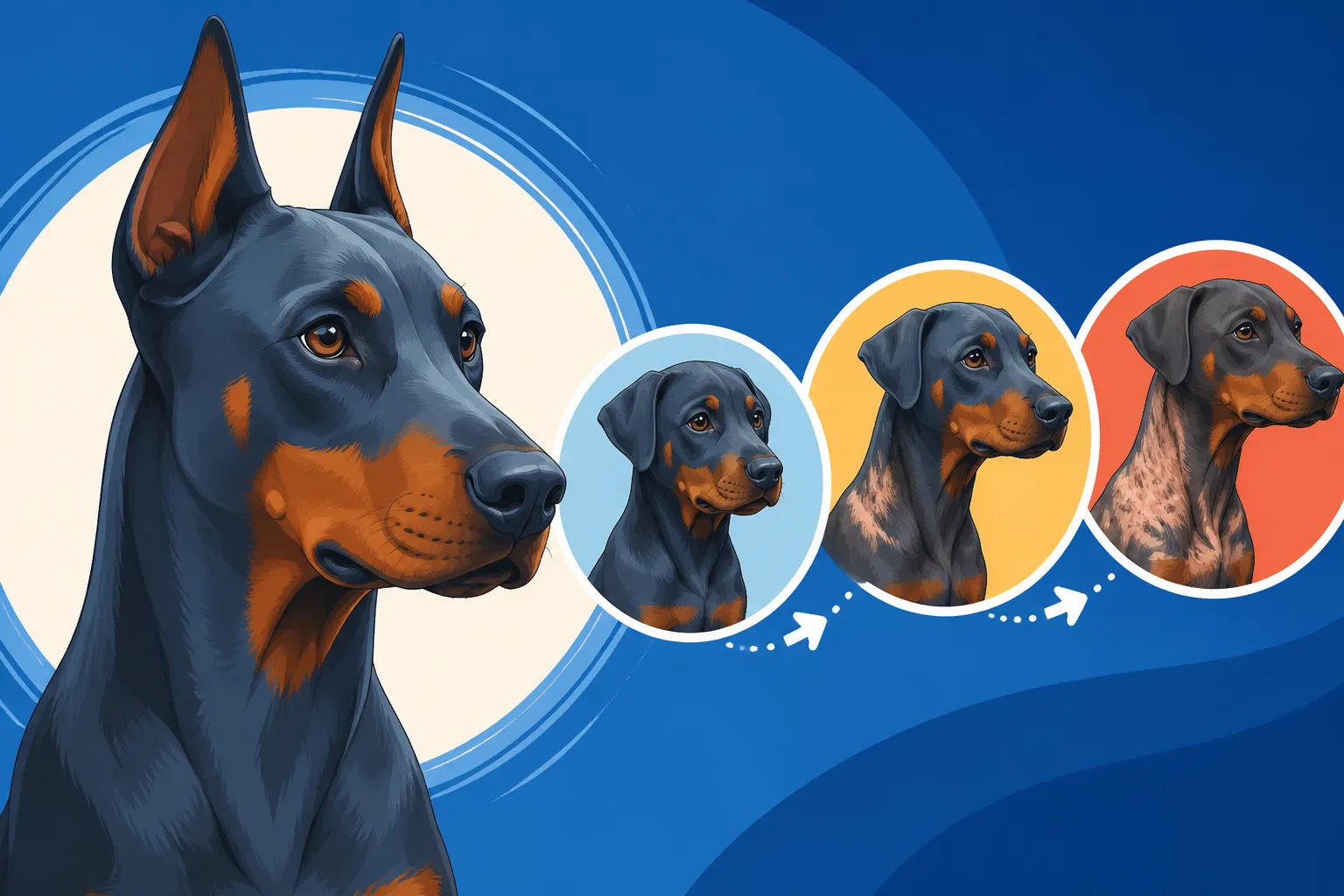
For some blue Dobermans, the signs can begin surprisingly early. You might notice thinning coat on a blue Doberman puppy as young as six months old, or even younger. It often starts around the trunk of the body, particularly along the back and flanks, and sometimes on the neck. Initially, it might just look like a slightly duller coat, or that the hair isn't quite as dense as it should be. The individual hairs may appear broken or brittle.
Owners might dismiss these early signs, thinking it's just puppy coat shedding or a nutritional deficiency. However, if your blue Doberman puppy is developing thin, brittle hair, especially in patches, it's worth a vet visit. The hair loss might not be complete baldness at this stage, but rather a sparse, "moth-eaten" appearance. This can be a particularly disheartening discovery for new puppy owners, who often dream of that sleek, flawless Doberman coat. If you're observing these early changes, you'll find more insights in our specific guide on Thinning Coat on a Blue Doberman Puppy.
Progressive Thinning Through Adolescence and Adulthood
While some dogs show early signs, it's more common for the hair loss to become noticeable as the Doberman moves into adolescence, typically between one and three years of age. This is often when the hair thinning becomes more pronounced, progressing from subtle sparseness to significant bald patches. The coat might become very dry, and the skin can start to develop a scaly, flaky, or even greasy texture.
By the time they reach early adulthood, many blue Dobermans with CDA will have quite significant hair loss, particularly over their backs, sides, and sometimes even their heads and legs. The rust points, however, generally remain unaffected, which is a key indicator of CDA. This progressive nature means that while you might not see a completely bald dog overnight, the condition will likely continue to advance. It's a frustrating journey for owners, watching their dog's coat change, but understanding the typical progression can help you prepare for the necessary care. You can learn more about this general issue in our article on Hair Loss on a Blue Doberman.
| Age Range (Approximate) | Initial Signs | Progression | Common Appearance |
|---|---|---|---|
| 0-6 Months | Rare, very subtle dullness or brittleness of individual hairs, sometimes fine thinning | Can be mistaken for normal puppy coat changes | Slightly less dense coat than siblings, no distinct bald patches |
| 6 Months – 1 Year | Hair appears sparse, especially on flanks and back; some broken hairs; skin may start to feel dry | Gradual increase in noticeable thinning, dullness, potential for tiny bald spots | "Moth-eaten" appearance, areas of sparse hair, dull coat |
| 1-3 Years | Distinct bald patches, often symmetrical on the body; increased skin dryness and flaking | Significant progression to larger bald areas; increased risk of secondary infections | Significant baldness in affected areas, dry/scaly skin, possible blackheads |
| 3+ Years | Extensive baldness in affected dilute areas; chronic skin issues more likely | Stabilizes, but permanent hair loss is established; ongoing management needed for skin health | Largely bald on dilute areas, skin often discolored, thickened, or prone to infection |
Managing and Caring for a Blue Doberman with Hair Loss
While there's no cure for Color Dilution Alopecia, effective management can significantly improve your Doberman's comfort and skin health. It's about proactive care and understanding the specific needs of their delicate skin. This condition, while not life-threatening, requires consistent attention and a dedicated owner.
Preventing Secondary Skin Infections and Irritations
One of the biggest concerns with CDA isn't just the hair loss itself, but the secondary skin problems that often arise. The damaged hair follicles and compromised skin barrier make blue Dobermans highly susceptible to bacterial infections (pyoderma), yeast infections, and general irritation. You might notice blackheads (comedones), pimples, or a greasy, odorous coat. These infections are uncomfortable and can be painful for your dog.
Regular bathing with medicated shampoos prescribed by your vet is often crucial. These shampoos can help remove scales, reduce bacterial and yeast overgrowth, and soothe the skin. Your vet might recommend specific ingredients like benzoyl peroxide, chlorhexidine, or salicylic acid. It's important to use lukewarm water and ensure you rinse thoroughly, as residue can worsen irritation. For more detailed advice, check out our guide on Shampoo That Helps a Bald Doberman. In some cases, oral antibiotics or antifungals may be necessary to clear up persistent infections. Many owners find that having pet insurance, such as a policy from Healthy Paws, can be incredibly helpful for covering the recurring costs of vet visits, specialized shampoos, and medications for chronic conditions like these.
Supportive Care and Environmental Considerations
Beyond medication, daily supportive care and attention to your Doberman's environment play a huge role. Their skin, now more exposed due to hair loss, needs extra protection. In colder climates, a good quality dog coat is essential to keep them warm, as they lack the insulating fur of other breeds. Conversely, in sunny environments, their bare skin is highly susceptible to sunburn. Consider canine-specific sunscreens or protective clothing when they'll be outdoors for extended periods. Our article on Sun Protection for a Thin-Coated Doberman offers practical tips.
Comfortable, soft bedding is also important to prevent pressure sores or further irritation on their exposed skin. Avoid abrasive surfaces or harsh grooming tools. Gentle brushing, if they have some remaining hair, can help distribute natural oils, but be very careful not to irritate already sensitive skin.
Dietary and Supplemental Approaches to Skin Health
While diet cannot cure CDA, it can certainly support overall skin and coat health. A high-quality diet rich in Omega-3 and Omega-6 fatty acids can help improve skin barrier function and reduce inflammation. Many premium dog foods include these, or you can add supplements like fish oil. Consult your vet before adding any supplements to ensure they're appropriate for your dog's specific needs.
Some owners explore supplements like melatonin, though scientific evidence for its effectiveness in CDA is mixed. Biotin, another B vitamin, is often promoted for hair and skin health. Again, always discuss these options with your veterinarian. They can help you determine if a particular supplement is safe and potentially beneficial, and if so, the correct dosage. For further reading on this topic, you might find our article on Omega Oils for a Doberman With Coat Loss to be quite useful. While CDA management is ongoing, having pet insurance like Healthy Paws can ease the financial burden of prescription diets or long-term supplements recommended by your vet.
Living with a Blue Doberman: Beyond the Coat
Embracing a blue Doberman with CDA means accepting that their appearance might be different from the typical Doberman ideal. It's a journey that often involves emotional adjustments for owners and requires diligent advocacy for your dog's well-being.
The Emotional Toll for Owners
It's completely normal to feel a mix of emotions when your Doberman develops CDA. You might feel disappointed about the loss of their beautiful coat, concerned about their health, or even a bit guilty, wondering if there was something you could have done differently. It's easy to compare your dog to others with flawless coats or feel self-conscious about public comments. Please remember, CDA is a genetic condition, not a result of poor care. Your Doberman's worth and your bond are not defined by the perfection of their fur.
Focus on their health, comfort, and the incredible personality that Dobermans are known for. Many Doberman owners find solace and advice in breed-specific forums and support groups where others share similar experiences. Remember, your blue Doberman is still the same loving, loyal companion underneath that thinning coat.
Advocating for Your Dilute Doberman at the Vet
Having a Doberman with a chronic condition like CDA means you'll likely have a close relationship with your veterinarian. It’s important to be a strong advocate for your dog's needs. Don't hesitate to ask questions, seek clarification on treatments, and inquire about referrals to a veterinary dermatologist if your general practitioner is struggling to manage the condition. Keeping detailed records of flare-ups, treatments, and responses can be invaluable for your vet.
Discuss the long-term prognosis and what maintenance care will look like. While there's no cure, many strategies can minimize discomfort and prevent severe secondary infections. This ongoing care can involve frequent vet visits, specialized products, and sometimes prescription medications. Planning for these expenses is important; pet insurance providers such as Healthy Paws can often cover a significant portion of these costs, particularly if you enroll your Doberman before any symptoms or diagnosis of CDA. This proactive approach ensures you can provide the best possible care without constant financial worry. For additional perspective on treating the condition, consider our article on Whether Coat Loss in a Doberman Can Be Treated.
Disclaimer
The information provided in this article is for educational purposes only and is not intended to be a substitute for professional veterinary advice, diagnosis, or treatment. Always seek the advice of your veterinarian or other qualified animal health provider with any questions you may have regarding a medical condition.