Whether Coat Loss in a Doberman Can Be Treated
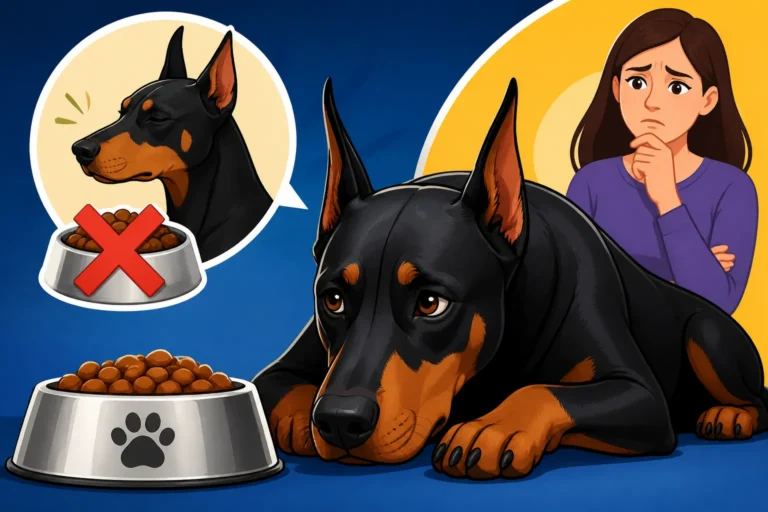
It’s truly disheartening, isn't it, to see your sleek, elegant Doberman start losing that gorgeous, shiny coat? You invest so much into their health and well-being, only to notice patches thinning, dullness appearing, or even bald spots popping up. It's a worry that can leave you feeling frustrated and confused, wondering what went wrong and, more importantly, if there's anything you can do to bring back that beautiful Doberman shine. This guide is here to shed some light on the various reasons behind coat loss in Dobermans and, crucially, to explore whether or not it can be treated effectively.
Understanding Doberman Coat Loss: More Than Just Shedding
Dobermans, with their single, short, and glossy coats, are distinctive. This lack of an undercoat means that any issue affecting their skin and hair often becomes immediately visible, sometimes dramatically so. Unlike some double-coated breeds that can "blow their coat," Doberman hair loss usually points to a more specific underlying concern rather than just a natural seasonal cycle. It's not always simple shedding; it's a sign that something else is going on beneath the surface.
Common Causes of Hair Thinning in Dobermans
When you first notice your Doberman's coat isn't quite right, your mind probably races through a dozen possibilities. Is it their food? Are they stressed? Did they get into something they shouldn't have? The truth is, many factors can contribute to hair thinning in Dobermans, and pin-pointing the exact cause requires a bit of detective work.
For instance, allergies are a huge culprit. Just like people, Dobermans can suffer from environmental allergies (pollen, dust mites, mold), food allergies (certain proteins like chicken or beef), or even contact allergies (reaction to specific detergents, grasses, or bedding materials). When a Doberman has an allergic reaction, the body's inflammatory response can manifest in itchy skin, which leads to excessive scratching, licking, and chewing. This self-trauma not only damages the hair shafts but can also lead to secondary skin infections, creating a vicious cycle of irritation and further hair loss. You might see thinning around the flanks, belly, or base of the tail where they can reach easily.
Parasites are another common, albeit unpleasant, cause. Fleas, mites (like Demodex or Sarcoptes), and even lice can cause intense itching and irritation. If your Doberman is constantly scratching, especially in areas where you might not immediately spot a tiny pest, that consistent trauma to the skin can absolutely result in hair loss. Demodectic mange, for example, is caused by microscopic mites that reside in hair follicles. While most dogs carry these mites without issue, an impaired immune system can lead to an overgrowth, resulting in patches of hair loss, often around the face and legs, and sometimes generalized thinning.
Hormonal imbalances can also play a significant role. One of the most frequently diagnosed endocrine disorders in Dobermans is hypothyroidism, where the thyroid gland doesn't produce enough hormones. This can lead to a dull, brittle coat, hair thinning, and sometimes symmetrical hair loss, often starting on the flanks and spreading. Beyond the coat, you might notice other signs like lethargy, weight gain despite no change in diet, and a general slowing down. Another less common, but possible, hormonal issue is Cushing's disease, where the body produces too much cortisol, leading to thin skin, symmetrical hair loss, and a pot-bellied appearance. Catching these early can make a huge difference, so don't hesitate to investigate if you notice changes in energy levels or body condition.
Nutritional deficiencies, though less common with high-quality commercial dog foods, can also contribute. A diet lacking in essential fatty acids (like Omega-3s and Omega-6s), certain vitamins, or protein can lead to a dry, brittle coat that sheds excessively or thins out. Sometimes, even if the diet is "complete," an individual Doberman might have trouble absorbing specific nutrients, or their higher energy demands aren't being met. This can leave their skin and coat health compromised.
Stress and anxiety are also factors to consider. A Doberman is a sensitive, intelligent breed that thrives on routine and companionship. Significant changes in environment, prolonged separation anxiety, or even chronic pain can manifest physically. An anxious Doberman might excessively lick or chew at specific areas, leading to localized hair loss, often referred to as acral lick dermatitis, or simply stress-induced shedding.
The Specifics of Color Dilution Alopecia CDA
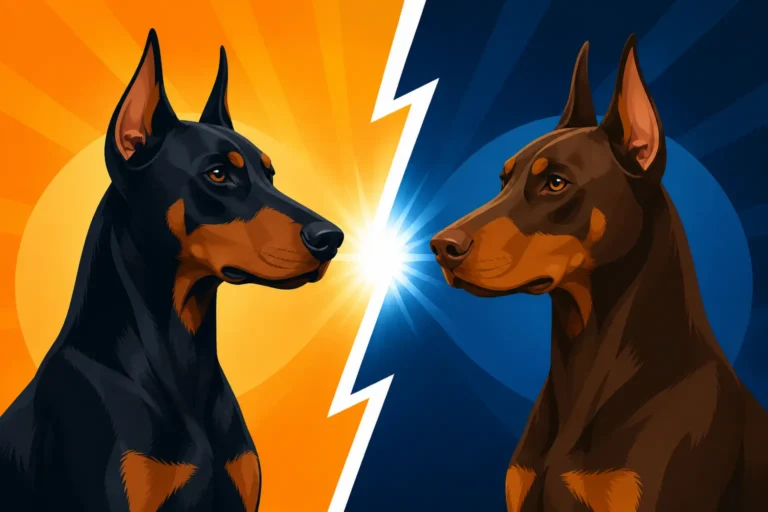
Now, let's talk about a specific type of coat loss that particularly affects Dobermans: Color Dilution Alopecia (CDA). This condition is a frustrating reality for many owners of blue and fawn Dobermans, and it's something breeders should be very transparent about. If you have a blue Doberman or a fawn Doberman, you've likely heard of it, or perhaps you're seeing the tell-tale signs already.
CDA isn't like other forms of hair loss caused by allergies or parasites; it's a genetic condition linked to the dilution gene that creates these beautiful, unique coat colors. It essentially affects the ability of the hair follicles to produce and maintain healthy hair shafts. The diluted pigment, instead of being evenly distributed, clumps together within the hair shaft, making the hair fragile and prone to breaking. It's like having hair that's intrinsically weak from the moment it grows.
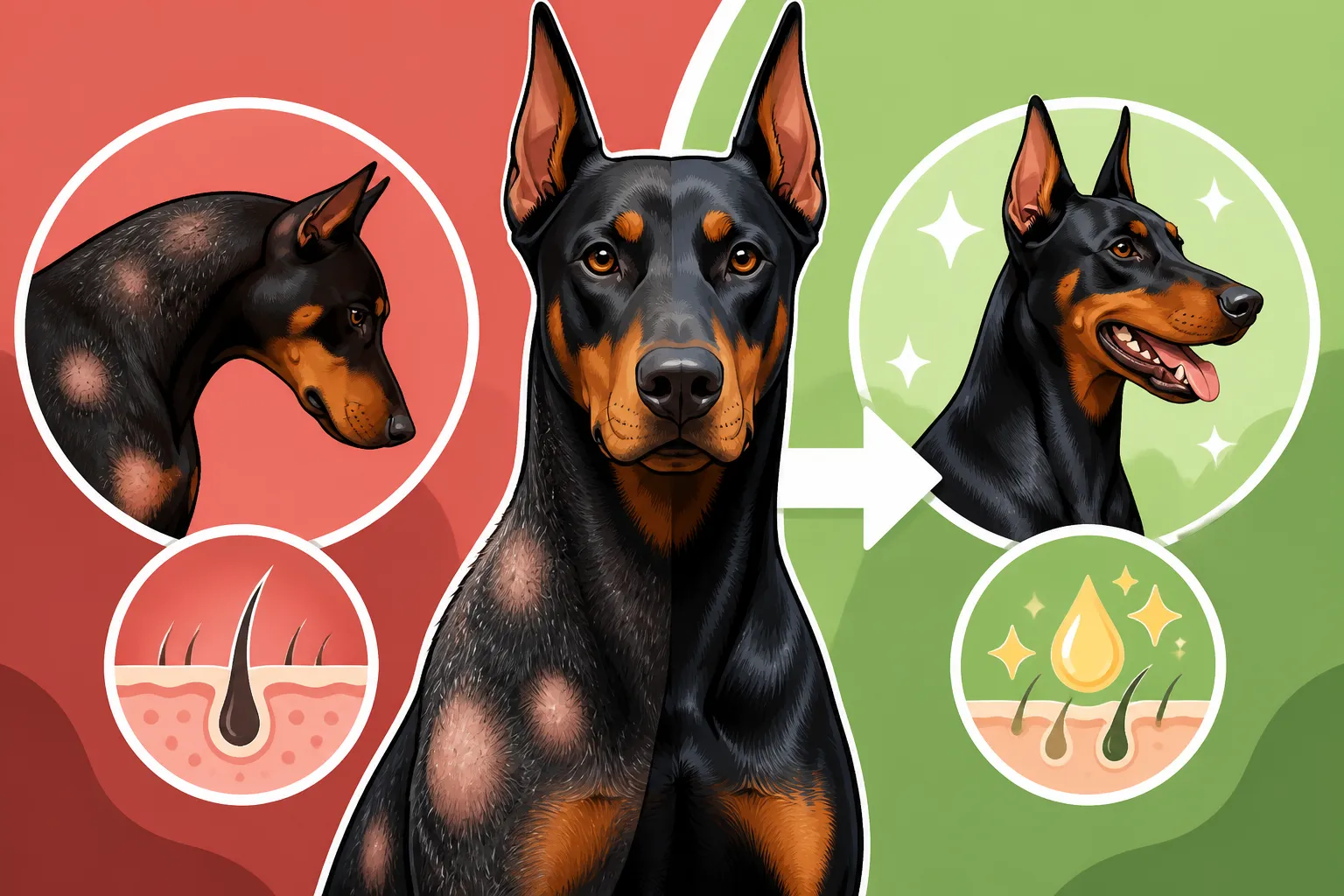
Typically, affected Dobermans are born with a normal coat, but signs usually begin to appear between 6 months and 3 years of age. You might first notice Hair Loss on a Blue Doberman or How Common Coat Loss Is in Fawn Dobermans on the trunk, starting as thinning, often symmetrical, across the back and flanks. Eventually, the hair can become very sparse, dull, and brittle, and in some cases, large areas of the body can become completely bald. The skin in these areas often takes on a dry, scaly, and flaky appearance, and because the protective coat is compromised, these areas become highly susceptible to secondary bacterial infections, folliculitis, and painful inflammation. This is why many owners see Skin Infections in a Bald Doberman.
The tricky part about CDA is that it's an inherited condition. It's not something your Doberman "catches" or that you could have prevented with a different diet or better hygiene. It's part of their genetic makeup, a consequence of breeding for those diluted colors. Because of its genetic basis, CDA is often considered "untreatable" in the sense that you can't cure the underlying genetic defect. However, it's absolutely manageable, and a good management plan is critical for your Doberman's comfort and health. Understanding that it's not a curable disease but a genetic predisposition is the first step in creating a realistic care plan.
Diagnosing the Root Cause of Your Doberman's Hair Loss
The journey to finding out why your Doberman is losing its coat can feel like a maze, especially when you're deeply concerned about your beloved companion. It's important not to self-diagnose based on internet research, no matter how much you read. A definitive diagnosis from a qualified veterinarian is essential to ensure your Doberman gets the right care.
Initial Vet Consultation and Diagnostic Tests
When you first bring your Doberman in for coat loss, your veterinarian will start with a thorough physical examination. They’ll look at the pattern of hair loss, examine the skin for redness, scaling, pustules, or parasites, and assess your Doberman’s overall health and demeanor. They'll also ask you a lot of questions about your Doberman's history: when the hair loss started, if there's itching, changes in diet, new medications, exposure to other animals, and any other symptoms you might have noticed, like changes in appetite or energy levels.
Based on their initial findings, your vet will likely recommend a series of diagnostic tests to narrow down the possibilities. Here are some common ones:
- Skin Scrapes: This involves gently scraping a small sample of skin cells from the affected area and examining it under a microscope. It's a quick and relatively painless way to check for microscopic mites, such as Demodex or Sarcoptes, which can cause intense itching and hair loss.
- Fungal Cultures: Hair loss, especially if accompanied by red, flaky, or circular lesions, could indicate a fungal infection like ringworm. A fungal culture involves taking hair and skin samples and sending them to a lab to see if any fungal organisms grow.
- Blood Tests: A comprehensive blood panel can tell your vet a lot about your Doberman's internal health. This might include a complete blood count (CBC) to check for infection or inflammation, and a biochemistry panel to assess organ function. Importantly, a thyroid panel is crucial for Dobermans presenting with symmetrical hair loss, as hypothyroidism is so common in the breed. Your vet will look at The Thyroid Numbers That Slow a Doberman Down to see if a thyroid hormone deficiency is the culprit.
- Allergy Testing: If allergies are suspected, your vet might discuss options like elimination diets (for food allergies) or environmental allergy testing (blood tests or intradermal skin tests) to identify specific allergens.
- Biopsy: In some cases, especially if initial tests are inconclusive or if conditions like CDA are strongly suspected, a skin biopsy might be recommended. This involves taking a small tissue sample, often under local anesthetic, and sending it to a veterinary dermatopathologist for microscopic examination. This is often the definitive way to diagnose conditions like CDA by identifying characteristic pigment clumping in the hair follicles.
It's a process, and it can feel a bit overwhelming, but each step helps to eliminate possibilities and bring you closer to an accurate diagnosis. Be patient, work closely with your vet, and don't be afraid to ask questions.
Confirming Color Dilution Alopecia
For owners of blue or fawn Dobermans, the possibility of Color Dilution Alopecia (CDA) is often top of mind. As mentioned, this is a genetic condition, not something that appears overnight due to an external factor. Confirming CDA typically involves a combination of factors.
Firstly, the breed and coat color are a major clue. If you have a blue or fawn Doberman exhibiting progressive, symmetrical hair thinning on the trunk, especially starting in early adulthood (6 months to 3 years), CDA is a strong suspect. Your vet will rule out other more common causes first, using the diagnostic tests mentioned above (skin scrapes, fungal cultures, blood work). If these tests come back negative for parasites, infections, or hormonal imbalances, CDA becomes much more likely.
The most definitive way to confirm CDA is through a skin biopsy. A veterinary dermatopathologist can examine the tissue sample and identify the characteristic microscopic changes associated with CDA, such as melanin clumps within the hair shafts and hair follicles, and distorted hair growth. This microscopic view directly reveals the structural weaknesses in the hair follicles that lead to the hair loss. While some people might wonder about genetic tests, there isn't a direct genetic test specifically for the CDA gene in Dobermans that causes the hair loss itself, as the diluted color gene is known. The diagnosis is generally made clinically and confirmed histopathologically.
It's important to remember that receiving a CDA diagnosis, while perhaps disheartening, provides clarity. It means you can shift your focus from finding a "cure" to developing an effective management plan to keep your Doberman comfortable and prevent secondary complications.
Navigating Treatment Options and Management Strategies
Once you have a clear diagnosis for your Doberman's coat loss, the path forward becomes much clearer. The good news is that for many causes of hair loss, effective treatments are available. For others, particularly genetic conditions like CDA, the focus shifts to comprehensive management to maintain skin health and minimize discomfort.
Treating Underlying Medical Conditions
If your Doberman's hair loss is due to an underlying medical condition, the treatment will target that specific issue directly.
- Allergies: If environmental allergies are identified, treatment might involve medications like antihistamines, steroids (for severe flare-ups), or newer anti-itch drugs such as Apoquel or Cytopoint. For long-term management, immunotherapy (allergy shots or oral drops) can desensitize your Doberman to specific allergens. If food allergies are the cause, your vet will guide you through an elimination diet, which involves feeding a novel protein or hydrolyzed protein diet for several weeks to identify and then avoid the trigger ingredients. Maintaining a consistent diet and avoiding known allergens is key.
- Parasites: Treatment for parasites is usually straightforward and highly effective. For fleas, a good quality monthly preventative (oral or topical) is essential. Mites often require specific medicated shampoos, dips, or oral medications. Your vet will prescribe the appropriate treatment based on the type of mite identified. Regular prevention is the best defense against these pesky invaders.
- Hormonal Imbalances: If your Doberman is diagnosed with hypothyroidism, the treatment is typically lifelong thyroid hormone supplementation, usually given in pill form once or twice a day. The response to treatment is often excellent, with coat regrowth usually visible within a few months, and other symptoms like lethargy and weight gain improving significantly. Regular blood tests will be needed to monitor hormone levels and adjust medication dosage. For more complex conditions like Cushing's disease, medication can also help manage the symptoms and reduce cortisol production.
It’s crucial to follow your veterinarian’s instructions meticulously for any prescribed medications or dietary changes. Consistency is key to seeing improvement and preventing recurrence. Remember, a pet insurance plan like Healthy Paws can be incredibly beneficial for managing the ongoing costs associated with chronic conditions or unexpected diagnostic tests.
Managing Color Dilution Alopecia
When it comes to Color Dilution Alopecia (CDA), it's important to set realistic expectations. There is no "cure" for CDA because it's a genetic defect in the hair follicle structure. However, this absolutely does not mean you can't help your Doberman live a comfortable, healthy life. The focus shifts entirely to supportive care, managing symptoms, and preventing secondary issues.
Here’s how you can manage CDA:
- Specialized Shampoos and Conditioners: Regular bathing with moisturizing, pH-balanced, and sometimes medicated shampoos can help improve skin health, reduce scaling, and prevent secondary infections. Look for products containing ingredients like colloidal oatmeal, ceramides, or essential fatty acids. Following up with a good conditioner helps to moisturize the skin and add a layer of protection to the fragile hair. Your vet might recommend Medicated Baths for a Doberman With Coat Loss if infections are present.
- Skin Moisturizers and Sprays: Applying topical moisturizers, hydrating sprays, or leave-in conditioners directly to the affected skin can help combat dryness, flakiness, and itching. These products create a barrier that protects the compromised skin.
- Omega Fatty Acid Supplements: Oral supplements rich in Omega-3 and Omega-6 fatty acids (like fish oil, flaxseed oil, or borage oil) can significantly improve skin and coat health from the inside out. They help reduce inflammation, strengthen the skin barrier, and promote healthier hair growth, even if the hairs remain fragile. These are often recommended for overall coat health in Dobermans.
- Avoiding Harsh Grooming: Minimize brushing, especially with stiff brushes, and avoid products that can strip the skin of its natural oils. Gentle blotting after baths instead of vigorous towel drying is also advisable.
- Protection from the Elements: Since their coat is compromised, Dobermans with CDA are more susceptible to sunburn in summer and cold in winter. Investing in protective clothing, like lightweight dog shirts or Sun Protection for a Thin-Coated Doberman can prevent sun damage. In colder climates, a dog coat is essential to keep them warm.
- Addressing Secondary Infections: Because the skin barrier is compromised, secondary bacterial or yeast infections are common. Your vet will likely prescribe antibiotics or antifungal medications if an infection flares up. Prompt treatment of these infections is crucial to prevent further discomfort and damage to the skin. This can sometimes be an ongoing battle, and having pet insurance from a company like Healthy Paws that covers chronic conditions can alleviate financial stress.
- Dietary Support: While diet isn't the cause, ensuring your Doberman is on a high-quality, balanced diet rich in skin-supporting nutrients can aid overall health. Some owners opt for diets specifically formulated for sensitive skin.
Living with a Doberman with CDA means accepting that their coat may never be as thick or shiny as a black and rust Doberman's, but with consistent care, you can make a huge difference in their comfort and quality of life. The goal is to keep the skin healthy and prevent infections.
Living With a Doberman Prone to Coat Loss
Bringing a Doberman into your life means committing to their health and well-being, and when coat loss becomes an issue, it adds another layer of responsibility. Whether it's a treatable condition or a lifelong management situation like CDA, adapting your routine and understanding their unique needs is paramount.
Preventing Secondary Skin Issues
One of the biggest concerns for Dobermans with chronic coat loss, especially those with Color Dilution Alopecia, is the vulnerability of their exposed skin. A thin or absent coat provides less protection against the environment and everyday scrapes, making them much more susceptible to secondary problems.
- Sunburn: Dobermans with thinning coats, particularly on their backs or bellies, are prone to sunburn, just like people. Sunburned skin can be painful, lead to further inflammation, and increase the risk of skin cancers over time. It’s crucial to limit their direct sun exposure, especially during peak UV hours. Using dog-specific sunscreen on exposed areas can be very helpful, or dressing them in lightweight, UV-protective dog shirts. This is a vital part of Sun Protection for a Thin-Coated Doberman.
- Skin Infections: As discussed earlier, compromised skin is a breeding ground for bacteria and yeast. Even minor irritations can quickly escalate into full-blown infections (folliculitis, pyoderma). You might notice redness, pustules, scabbing, an oily feel, or a strong odor. Regular, gentle bathing with appropriate shampoos, as recommended by your vet, can help keep the skin clean and reduce microbial overgrowth. Always dry your Doberman thoroughly after bathing to prevent moisture trapping, which can encourage yeast growth.
- Trauma and Injury: Without the natural padding of a full coat, your Doberman’s skin is more exposed to minor abrasions, scratches, or even insect bites. Be vigilant during walks, especially in brushy areas, and always check their skin thoroughly after outdoor activities. Small cuts can become infected easily, so prompt cleaning and monitoring are important.
- Temperature Sensitivity: Dobermans are already a single-coated breed that feels the cold more acutely than many others. When they have significant coat loss, this sensitivity is amplified. In winter, they'll need a good quality, warm dog coat for outdoor excursions, and even indoors, they might seek out warmer spots or appreciate a cozy blanket. Conversely, in summer, ensure they don't overheat and always have access to shade and water. Consider investing in Coats That Actually Fit a Doberman's Chest to ensure comfort and coverage.
Regularly inspecting your Doberman's skin and coat, being proactive with prevention, and promptly addressing any new skin issues with your vet are the best ways to keep them healthy and comfortable. Keep an eye out for any unusual lumps, bumps, or changes in skin texture.
Emotional Support for You and Your Doberman
Dealing with a Doberman experiencing coat loss can be an emotional journey for both you and your dog. You might feel a range of emotions – sadness, frustration, concern for their quality of life, or even guilt if you feel you somehow caused it. It’s important to acknowledge these feelings. Seeing your typically majestic Doberman look less than their best can be tough.
First and foremost, remember that your Doberman doesn't care about their appearance; they care about how they feel and the love they receive from you. Your attitude towards their condition will significantly impact their well-being. If you're stressed or anxious about it, they might pick up on that.
Here are some ways to provide emotional support:
- Maintain Affection and Routine: Keep your bond strong. Continue with regular cuddles, playtime, and walks (adjusted for their comfort and skin needs). A consistent routine provides stability and reassurance.
- Focus on Comfort: Prioritize their physical comfort. Ensure their bedding is soft and clean to prevent skin irritation. If they're itchy, work with your vet to manage that effectively, as persistent itching can be incredibly distressing for a dog.
- Positive Reinforcement: Shower them with praise and treats for being cooperative during baths, medication, or skin checks. Make these necessary routines as pleasant as possible.
- Educate Others: People might stare or ask questions about your Doberman's coat. Instead of feeling self-conscious, use it as an opportunity to educate them about CDA or other skin conditions. You might say, "He's a blue Doberman, and unfortunately, he has a genetic condition called Color Dilution Alopecia, which causes his hair to thin, but we manage it well to keep him comfortable." This can help you feel more empowered and less defensive.
- Connect with Other Doberman Owners: Online forums or Doberman groups can be a great place to connect with other owners who have faced similar challenges. Sharing experiences, tips, and emotional support can be incredibly validating and helpful.
- Remember Their Spirit: A Doberman is so much more than its coat. Their intelligence, loyalty, and loving nature shine through regardless of how much hair they have. Celebrate these qualities daily.
While the costs associated with diagnosing and managing chronic skin conditions can be considerable, remember that having a good pet insurance plan from a provider like Healthy Paws in place before symptoms appear can make a substantial difference in your ability to afford the best possible care for your Doberman without added financial stress. Taking good care of their skin and managing their condition is a profound act of love, ensuring they remain happy, comfortable, and cherished members of your family, regardless of their coat.
Cause of Coat Loss Common Symptoms Treatable / Manageable? Typical Treatment/Management Widespread Dobermans are prone to coat issues, which is why a genetic disease like Color Dilution Alopecia (CDA) can be devastating for owners of blue Dobermans. These magnificent dogs often face further complications as their sparse coat provides little protection, necessitating diligent Skin Care Costs for a Blue Doberman. For unexpected veterinary visits to diagnose sudden hair loss, having coverage from a provider like Healthy Paws can ease the financial burden of tests and consultations.
The financial aspect of continuous management, including medications, specialized shampoos, and regular vet check-ups, can be substantial. For owners whose Doberman requires continuous care, managing costs effectively is crucial. This is where a robust pet insurance plan can truly make a difference. Pet insurance providers, such as Healthy Paws, offer coverage for unexpected illnesses and even chronic conditions, which can help offset the expense of managing a Doberman's coat loss, making consistent, quality care more accessible without breaking the bank. For an older Doberman especially, monitoring for issues like Screening an Older Doberman More Often becomes even more vital.
Disclaimer
The information provided in this article is for general informational purposes only and is not a substitute for professional veterinary advice. Always consult with a qualified veterinarian for any health concerns or before making any decisions related to your Doberman's care, diet, or treatment. The author and publisher are not responsible for any adverse effects resulting from the use of any information presented herein.