Sun Protection for a Thin-Coated Doberman
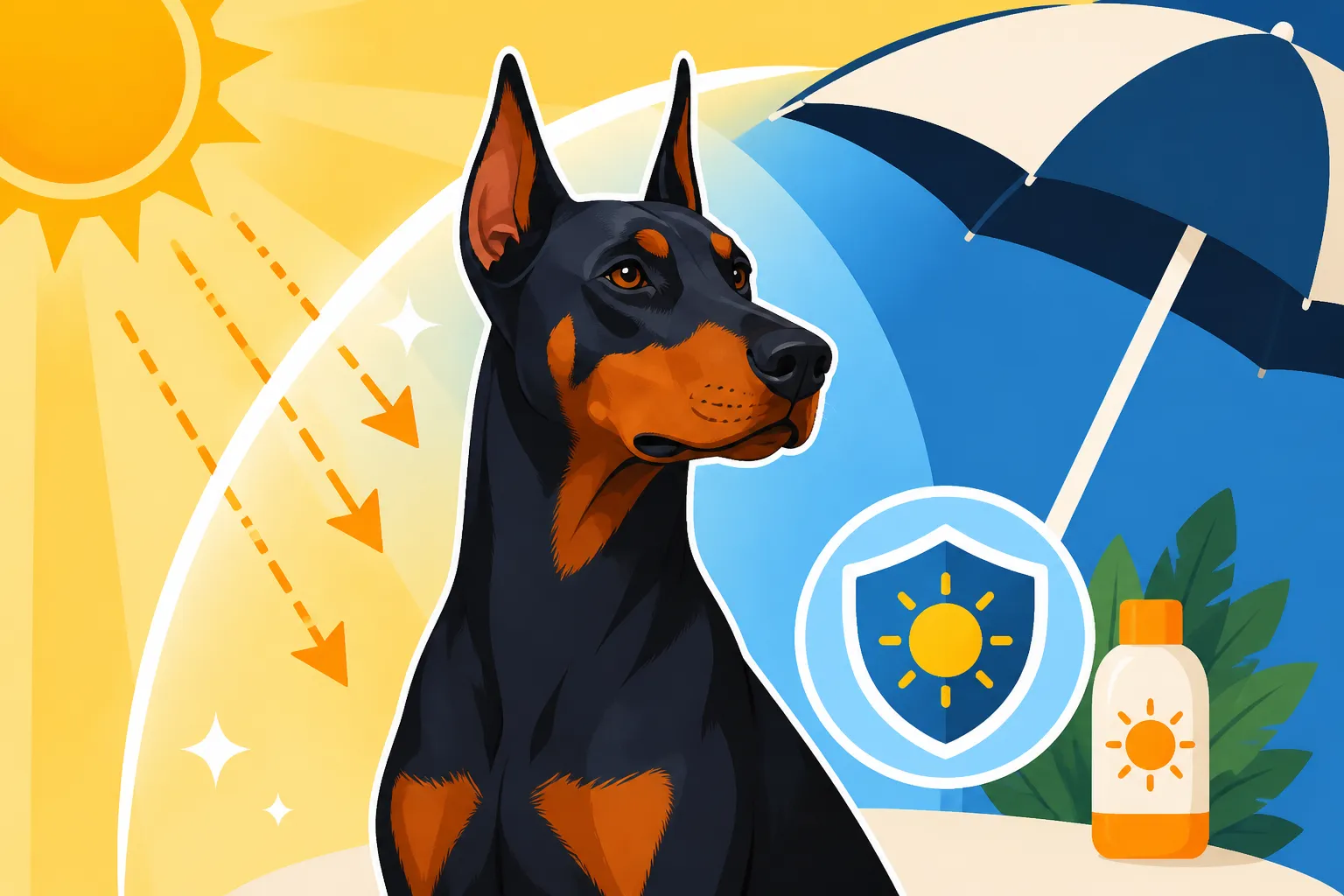
It's heartbreaking to see your beloved Doberman uncomfortable, especially when something as simple as a sunny day can cause them distress. Many Doberman owners, particularly those with dilute colors, face the frustrating challenge of protecting their dog's delicate skin from the sun's harsh rays. This guide will walk you through understanding why your Doberman might be more susceptible to sun damage and provide actionable, realistic strategies to keep their thin coat and sensitive skin safe and healthy.
Understanding Your Doberman's Vulnerability to the Sun
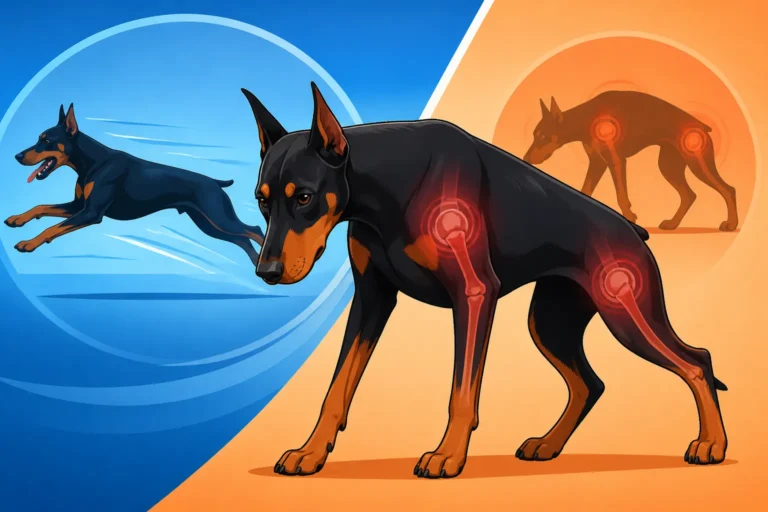
Dobermans are renowned for their sleek, short coats, which are undeniably beautiful but offer less natural protection than the thicker double coats of many other breeds. This physical characteristic, coupled with specific genetic factors, can make them surprisingly vulnerable to sun exposure. It’s not just about getting a little sunburn; it can lead to more serious, long-term health issues that no Doberman parent wants to face.
Why Some Dobermans Have Thinner Coats
While all Dobermans have a single, short coat that lies close to their body, some genetic variations make certain individuals even more susceptible to thinness or hair loss. The most common culprit here is Color Dilution Alopecia in Blue and Fawn Dobermans. If you have a blue or fawn Doberman, you’re likely already aware of their unique coat color, but what often goes hand-in-hand with these striking hues is a predisposition to a thinner, more fragile coat that struggles to offer adequate protection.
This condition isn't just about aesthetics; it's a real health concern. The diluted color gene affects the hair follicles themselves, causing them to become malformed or clumped with melanin. This leads to brittle hair that breaks easily, uneven growth, and often, significant hair loss, sometimes leaving large patches of bare skin. Even black and rust or red Dobermans can have naturally sparse areas, particularly on their bellies, inner thighs, and around their ears and muzzle, which are prime targets for sun damage. The delicate nature of a Doberman's skin means it's less forgiving than you might think, making sun protection a year-round consideration, not just a summer one.
The Risks of Sun Exposure for Doberman Skin
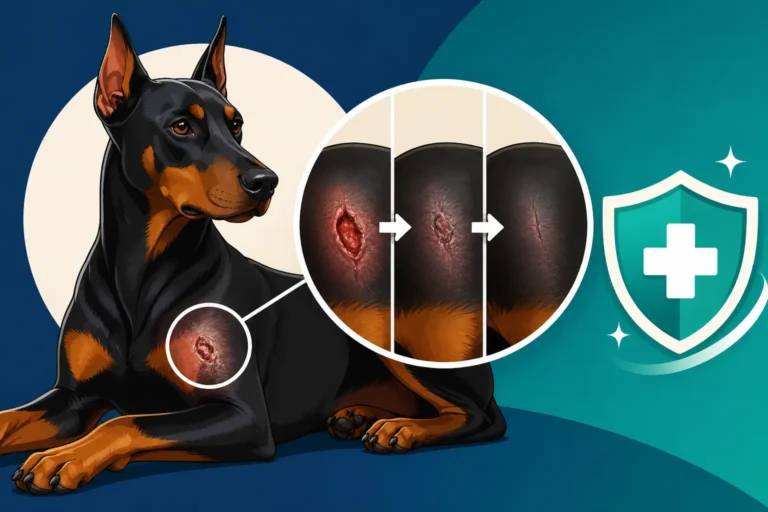
When your Doberman's skin is exposed to too much sun, the immediate and obvious risk is sunburn. Just like us, dogs can get painful, red, and blistering sunburns, especially on those thinly haired or hairless areas. Imagine the discomfort, the itching, the tenderness – it’s not something you want your stoic Doberman to endure. But the dangers extend far beyond a temporary sting.
Chronic sun exposure significantly increases the risk of various skin cancers in Dobermans. These can range from squamous cell carcinoma, which often appears as crusty sores that don't heal, to more aggressive forms like hemangiosarcoma, a type of cancer that affects blood vessels and can be particularly insidious on the skin. The nose, ear tips, and belly are common sites for these lesions to develop. If you start seeing anything unusual, like "Skin Lumps Worth Aspirating on a Doberman," it's crucial to get it checked by your vet immediately. Sun exposure can also exacerbate existing skin conditions, leading to secondary bacterial infections or worsening of allergic dermatitis. The long-term implications are severe, and prevention is always the best approach when it comes to safeguarding your Doberman's health.
Practical Strategies for Doberman Sun Protection
Knowing your Doberman is at risk is the first step, but what can you actually do? The good news is that many effective strategies don't require expensive gadgets or drastic changes. It's often about making smart choices in your daily routine and being mindful of their environment.
Timing Walks and Outdoor Activities
One of the simplest yet most effective ways to protect your Doberman from the sun is to adjust when you take them outside. The sun's rays are strongest and most damaging during the middle of the day, typically between 10 AM and 4 PM. This is when the UV index is highest, and not only is the sun harshest on their skin, but the pavement can also become dangerously hot, risking burns on their paw pads.
Instead, aim for early morning walks, perhaps before 9 AM, or late afternoon/early evening outings after 5 PM. These times offer cooler temperatures and significantly less intense sunlight. Think about your own experience: that crisp morning air or gentle evening glow is far more pleasant for both of you than the oppressive midday heat. This small shift in schedule can make a world of difference for your Doberman’s skin and overall comfort, especially if they are prone to overheating since Dobermans feel the cold before other dogs, but can also suffer from heat. If you absolutely must go out during peak hours, keep it brief, stick to shaded areas, and consider alternative indoor enrichment activities instead of prolonged outdoor exposure.
Seeking Shade and Creating Safe Outdoor Spaces
Even during less intense sun hours, consistent shade is your Doberman's best friend. When you're outdoors, actively seek out natural shade provided by trees, buildings, or awnings. If your Doberman spends time in your yard, evaluate the sun exposure throughout the day. Are there areas that remain shaded during peak hours? If not, it might be time to get creative.
Consider installing a shade sail, a pop-up canopy, or even a large umbrella in your yard or on your patio. These can provide a much-needed retreat for your Doberman to relax without baking in direct sunlight. For those hotter days, a cooling mat in a shaded area can also offer extra relief. The goal is to give them options so they can self-regulate their sun exposure. Remember, a Doberman will often follow you wherever you go, so if you're out in the sun, they will be too. Be their advocate and guide them to cooler, shaded spots.
Protective Clothing and Gear for Dobermans
For Dobermans with particularly thin coats or conditions like "Hair Loss on a Blue Doberman," clothing isn't just a fashion statement; it's a vital piece of sun protection. There's a wide range of dog-specific UV-protective clothing available that can shield your Doberman's vulnerable areas.
Look for lightweight, breathable fabrics designed to block UV rays. Options include:
- Full-body UV suits: These resemble rash guards for dogs and offer comprehensive coverage for the back, sides, and often the legs. Brands like Ruffwear and Hurtta offer quality options.
- UV vests or shirts: If your Doberman only needs protection for their back and sides, a vest or shirt can be a less restrictive option.
- Hats or visors: While some Dobermans might tolerate them, dog hats can be tricky to keep on. If your dog accepts one, it can protect the sensitive nose and forehead.
When choosing clothing, ensure it fits well – snug enough not to chafe, but loose enough for full range of motion. Pay attention to ventilation to prevent overheating. Remember, a thin-coated Doberman might also need a winter coat when the temperatures drop, so they are a breed that truly benefits from a wardrobe!
For walks on sunny days, don't forget their paw pads. Hot pavement can cause serious burns. Consider dog booties, especially if you can’t avoid walking during warmer parts of the day. A quick five-second test (if you can’t hold your hand on the pavement for five seconds, it’s too hot for their paws) is a good rule of thumb.
Sunscreen and Topical Protection for Dobermans
While protective clothing and shade are excellent first lines of defense, there are some areas that clothing just can't cover adequately – like the nose, ear tips, and any particularly sparse spots on their belly or inner legs. This is where dog-specific sunscreen comes into play.
Choosing Dog-Safe Sunscreen
This is a critical point: do not use human sunscreen on your Doberman unless explicitly instructed by your veterinarian. Many human sunscreens contain ingredients that are toxic to dogs if ingested, such as zinc oxide and para-aminobenzoic acid (PABA). Zinc oxide, in particular, can cause severe gastrointestinal upset, red blood cell damage, and anemia if licked. Always read labels carefully.
Look for sunscreens specifically formulated for dogs. These often contain titanium dioxide as a physical blocker, which is generally considered safer, or are free of common irritants. Some veterinary-recommended brands include Epi-Pet Sun Protector Spray or My Dog Nose It! Sunscreen Balm. When in doubt, consult your veterinarian. They can recommend a safe product tailored to your Doberman's specific needs.
Focus on applying sunscreen to the most vulnerable, unpigmented, or thinly haired areas:
- Nose: The bridge of the nose, especially if it's pink.
- Ear tips: Often very thin-skinned and directly exposed.
- Belly and inner thighs: Particularly in Dobermans with lighter pigmentation or if you notice "Bald Patches on a Doberman Puppy's Face" as they grow.
- Groin area: Where hair is sparse.
- Areas of previous hair loss: For Dobermans with conditions like "Color Dilution Alopecia in Blue and Fawn Dobermans" where skin is exposed.
Application Techniques and Frequency
Applying sunscreen to an excited or wiggly Doberman can be a challenge, but consistency is key.
- Start small: Introduce the concept slowly. Let them sniff the tube or spray.
- Positive reinforcement: Use treats and praise during application to create a positive association.
- Target sensitive areas: Gently rub a small amount onto the nose, ear tips, and other sparse areas. For sprays, apply to your hands first and then rub it in, rather than spraying directly into their face, which can startle them.
- Absorb and deter licking: Try to rub the sunscreen in well so it absorbs, and then distract your Doberman with a treat or a quick game immediately after application to minimize licking. If they lick it off too quickly, it won't be effective.
- Reapply regularly: Sunscreen isn't a one-and-done application. It typically needs to be reapplied every 2-4 hours, especially if your Doberman is swimming, sweating (yes, dogs do sweat a little through their paw pads, but mostly cool down through panting), or rubbing against surfaces. On a long hike or a day at the park, frequent reapplication is crucial.
Keep an eye on their skin, even with protection. If you notice any redness or irritation, discontinue use and consult your vet. A proactive approach with sunscreen, combined with shade and clothing, provides the most comprehensive defense.
Long-Term Skin Health and Monitoring
Protecting your Doberman from immediate sun damage is vital, but maintaining long-term skin health requires ongoing vigilance and care. Dobermans, especially those with genetic predispositions to thinner coats or certain skin conditions, need consistent attention to prevent issues from escalating. Regular check-ups are essential, and a good pet insurance plan like Healthy Paws can provide peace of mind for unexpected dermatological issues.
Regular Skin Checks and Early Detection
Making regular skin checks a part of your grooming routine is non-negotiable for Doberman owners. You are your Doberman's first line of defense against skin problems that could be linked to sun exposure or other health concerns. Aim for a thorough check at least once a week, or more frequently if your Doberman spends a lot of time outdoors or has a known skin condition like those experienced by "Fawn Dobermans That Lose Coat Too."
Here’s what to look for during your skin check:
- Redness or inflammation: Particularly on the nose, ear tips, belly, and inner legs. This could indicate sunburn or irritation.
- Flaking or scaling: Dry, flaky skin, often along the back, can be a sign of dryness or an underlying skin issue.
- Bumps, lumps, or nodules: Any new growths, even small ones, should be noted. Pay attention to how they feel – are they hard, soft, movable?
- Crusty sores or scabs that don't heal: These are particularly concerning and could be indicative of precancerous lesions or skin cancer.
- Hair loss: Beyond typical shedding, sudden or patchy hair loss, especially in areas exposed to the sun, warrants attention.
- Changes in pigmentation: New dark spots or changes in existing moles can sometimes be a sign of melanoma, though less common on the skin of Dobermans than in some other breeds.
If you find anything unusual, don't delay in contacting your veterinarian. Early detection is absolutely critical for successful treatment of skin cancers and other dermatological conditions. Remember, your Doberman can't tell you they're hurting, so it's up to you to be observant. Having pet insurance, like a policy from Healthy Paws, can significantly ease the financial burden of diagnostic tests and treatments if a serious skin issue is discovered.
Supporting Skin Health Through Diet and Supplements
A healthy coat and skin start from the inside out. What you feed your Doberman plays a significant role in their overall dermatological health and their ability to withstand environmental stressors, including the sun. While no diet can replace sun protection, optimal nutrition can strengthen their skin barrier.
Look for high-quality dog foods that list meat as the primary ingredient and contain a balanced ratio of omega-3 and omega-6 fatty acids. These essential fatty acids are crucial for skin hydration, elasticity, and reducing inflammation. They can contribute to a healthier, more resilient coat. Some excellent sources of these include fish oil (salmon, sardine), flaxseed oil, and certain plant-based oils.
Supplements can also play a supportive role, but always discuss them with your veterinarian before adding them to your Doberman's regimen. They can advise on appropriate dosages and ensure there are no contraindications with other medications or existing health conditions.
- Omega-3 Fatty Acids (EPA and DHA): Often recommended to improve coat quality and reduce skin inflammation.
- Vitamin E: An antioxidant that can help protect skin cells from damage.
- Biotin: A B vitamin sometimes used to improve hair and nail health.
- Antioxidant blends: These can help combat oxidative stress caused by environmental factors like UV radiation.
For Dobermans with severe skin issues, such as those suffering from the chronic thinning and infections often associated with "Medicated Baths for a Doberman With Coat Loss," a prescription diet specifically formulated for skin sensitivities might be recommended by your vet. These diets are carefully balanced to provide maximum support for skin barrier function and reduce allergic reactions. Don't underestimate the power of good nutrition in building a strong foundation for healthy skin and a beautiful coat.
Comparative Sun Protection Methods for Dobermans
To help you decide which strategies are best for your Doberman, here's a quick comparison of the various sun protection methods we’ve discussed. Each has its own benefits and considerations.
| Method | Pros | Cons | Best For |
|---|---|---|---|
| Timing Activities | Free, natural, helps avoid hot pavement. | Limits outdoor time, requires schedule flexibility. | All Dobermans, especially in summer or during peak UV hours. |
| Seeking Shade | Free, readily available, natural cooling. | Requires pre-planning, limited options in some areas. | All Dobermans, for resting outdoors or short breaks during walks. |
| Protective Clothing | Excellent physical barrier, covers large areas. | Can be expensive, some dogs dislike wearing clothes, risk of overheating. | Dobermans with very thin coats, dilute colors, or large bald patches. |
| Dog-Safe Sunscreen | Targets specific exposed areas (nose, ears). | Requires frequent reapplication, risk of ingestion, not for large areas. | Sensitive areas not covered by clothing, short outdoor stints. |
| Regular Skin Checks | Early detection of issues, preventative. | Requires owner diligence, not a direct protection method. | All Dobermans, as an essential part of ongoing health monitoring. |
| Diet & Supplements | Supports skin health from within, long-term benefits. | Not immediate protection, requires veterinary consultation for supplements. | All Dobermans, for overall skin and coat vitality. Healthy Paws covers many illnesses |
This table shows that a multi-faceted approach, combining several of these methods, is often the most effective way to provide comprehensive sun protection for your Doberman. Just as you might get an "Annual Echo and Holter Screening for a Doberman" to keep an eye on their heart health, regular attention to their skin is equally important for their long-term well-being.
Disclaimer
This guide offers general information and advice on sun protection for Dobermans. It is not a substitute for professional veterinary medical advice. Always consult with your veterinarian for any health concerns, diagnosis, or treatment plans specific to your individual Doberman.