Vets Who Will and Will Not Crop a Doberman
Bringing a Doberman into your life is an incredible journey, filled with unique joys and, let's be honest, some very specific challenges. One of the earliest and most contentious decisions many prospective Doberman owners grapple with is ear cropping. It's not just a cosmetic choice; it's a deep dive into veterinary ethics, availability, and the sometimes-conflicting advice you'll receive from different professionals. This guide is here to shed light on the complicated landscape of finding a veterinarian who will perform this procedure, and why many others won't.
The Complex Reality of Doberman Ear Cropping Today
For centuries, the Doberman Pinscher has been recognized by its distinctive cropped ears, a look that many believe completes the breed's elegant and alert aesthetic. However, in recent decades, the practice of ear cropping has become a hot-button issue, creating a significant divide within the veterinary community and among pet owners. It's a procedure steeped in tradition, yet increasingly scrutinized through a modern lens of animal welfare.
The Ethical Divide Among Veterinary Professionals
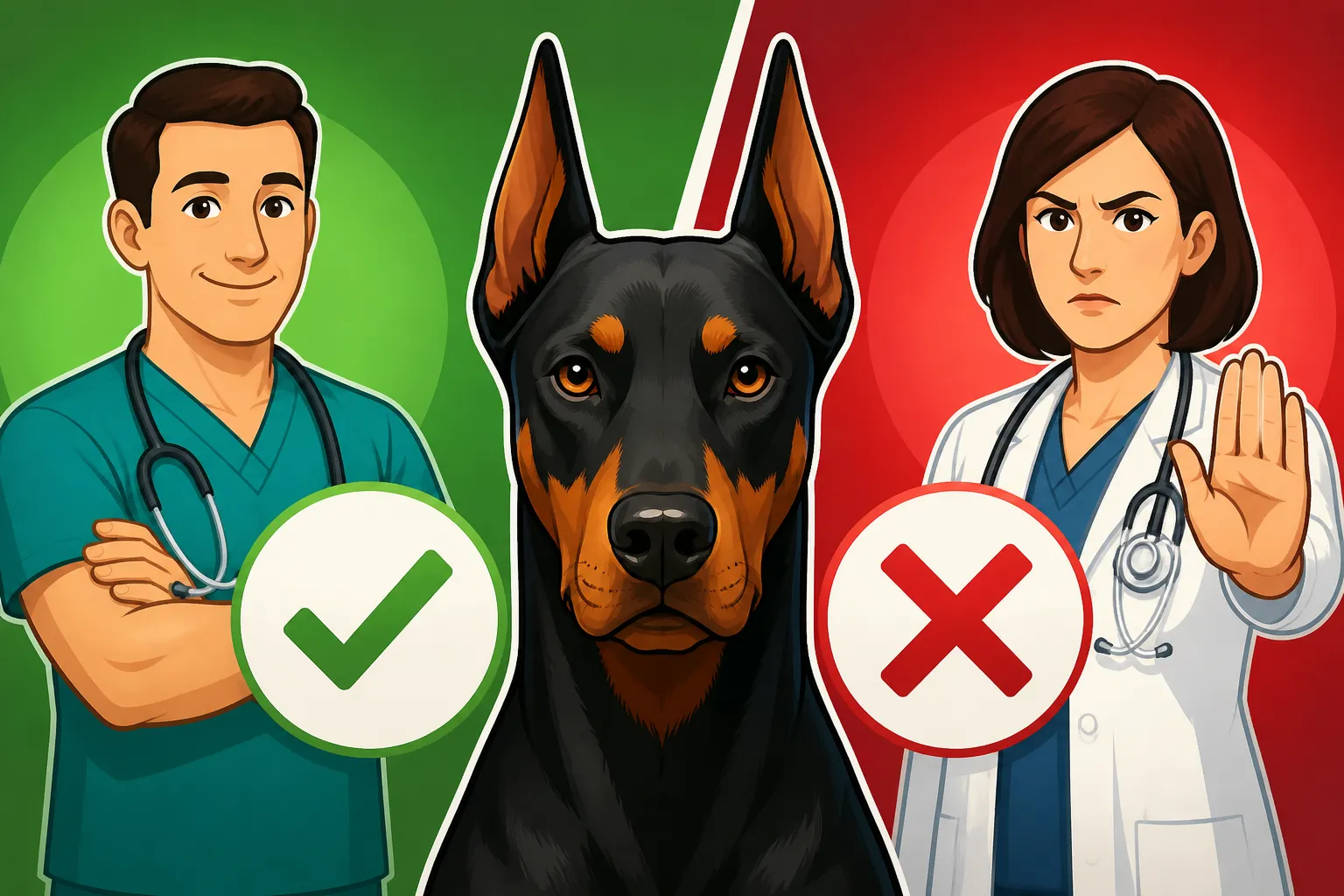
Imagine walking into a veterinary clinic today and asking about ear cropping. You're likely to encounter a wide spectrum of responses. On one end, you have experienced veterinarians who view it as a surgical art form, a traditional part of the Doberman standard, and something they've been performing safely for years. They might have a dedicated clientele specifically seeking them out for this service, often recommended by reputable Doberman breeders who believe in maintaining the breed's historical appearance. These vets emphasize their commitment to pain management and sterile technique, seeing it as no different from any other elective surgery performed for a specific purpose, like spaying or neutering.
On the other end of the spectrum, a growing number of veterinarians flat-out refuse to perform ear cropping. Their refusal stems primarily from ethical considerations, often aligning with the "do no harm" principle of veterinary medicine. Organizations like the American Veterinary Medical Association (AVMA) have expressed their opposition to ear cropping (and tail docking) as purely cosmetic procedures, deeming them medically unnecessary and potentially causing pain and risk to the animal. These vets argue that subjecting a healthy animal to surgery and a lengthy recovery process for aesthetic reasons alone is not in the best interest of the dog. This ethical stance can lead to awkward conversations and a sense of frustration for owners who feel caught in the middle of this debate.
Where Do Vets Stand on Elective Cosmetic Surgeries?
It’s not just ear cropping that falls into this ethical grey area for many vets. The discussion extends to other elective cosmetic procedures such as dewclaw removal (when not medically necessary) or even specific dental aesthetics in some show animals. The core of the issue often revolves around what constitutes "medical necessity" versus "owner preference."
For many veterinarians, their primary role is to ensure the health and well-being of the animal. If a procedure doesn't directly contribute to the dog's physical health, alleviate suffering, or prevent future medical problems, they may view it as non-essential. This perspective has gained traction as pet ownership increasingly focuses on animal rights and welfare. While some procedures like spaying or neutering are elective, they are often encouraged due to their long-term health and population control benefits, which are generally accepted as beneficial for the animal and society. Ear cropping, however, lacks these universally accepted health benefits, making it a point of ethical contention for practices that prioritize a "natural is best" philosophy. This means that even if a vet could technically perform the procedure, their personal or practice's ethical guidelines might prevent them from doing so, forcing owners to search far and wide.
Finding a Veterinarian Who Performs Doberman Ear Cropping
So, you've decided that cropped ears are part of your Doberman vision. The next step is navigating the surprisingly challenging process of finding a vet willing and skilled enough to perform the procedure. It's not as simple as opening the phone book or calling your local clinic; this requires specific research and networking.
Navigating Breeder Recommendations and Specialty Clinics
When it comes to finding a vet for ear cropping, your Doberman breeder is, by far, your most valuable resource. Reputable breeders are deeply invested in the health and appearance of their puppies, and they almost always have long-standing relationships with veterinarians who specialize in ear cropping. These vets are often highly sought after, working on Dobermans, Boxers, Great Danes, and other breeds that commonly undergo the procedure. They understand the specific "look" desired for a Doberman ear and possess the surgical expertise to achieve it aesthetically and safely.
You'll find that many general practice veterinarians, even if they aren't ethically opposed, simply don't have the specialized training or consistent practice to perform a quality ear crop. It's not a procedure typically taught extensively in vet school anymore, and perfecting the technique requires years of hands-on experience and an artistic eye. Therefore, relying on your breeder's network often means you're being directed to a specialist or a clinic that makes ear cropping a significant part of their practice. Expect to travel for this, as these specialized vets are often few and far between, sometimes requiring a drive of several hours. Don't be surprised if your breeder insists on a specific vet, as a poorly done crop can significantly impact the dog's appearance and comfort, and ultimately, reflect on their breeding program.
What to Look for in a Cropping Veterinarian
Once you have a few recommendations, don't just pick the closest or cheapest option. This is a critical procedure that will impact your Doberman for its entire life. Here's what you should meticulously evaluate:
- Experience with Dobermans: This is paramount. Different breeds have different ear cartilages and desired crop styles. A vet who primarily crops Pit Bull ears might not achieve the classic Doberman look. Ask about their specific experience with Dobermans, how many they do a year, and how long they've been performing the procedure.
- Aesthetic Portfolio: A good cropping vet will be proud to show you a portfolio of their work. Ask to see "before and after" photos of Doberman puppies they've cropped. Look for consistency in their results, ears that stand well, and a natural, elegant curve that suits the Doberman head. A poor crop can be too short, too long, uneven, or prone to complications.
- Anesthesia Protocols: Any surgery carries risks, and anesthesia is a major component. Inquire about their anesthesia monitoring practices, the types of drugs they use, and their pain management plan for after the surgery. A responsible vet will prioritize your puppy's comfort before, during, and after the procedure.
- Aftercare Plan: The cropping surgery is only half the battle; the aftercare, or "posting," is arguably even more crucial for successful ear stands. A skilled cropping vet will provide detailed instructions, demonstrations, and potentially offer follow-up posting services. This often involves many trips back to the vet or learning how to post the ears yourself. Missing these crucial steps can mean that even a perfectly executed crop may not stand properly, leading to disappointment and additional costs, as detailed in our guide on Doberman Ear Cropping From Surgery to Last Posting.
- Communication and Trust: You need to feel comfortable with your chosen veterinarian. They should be willing to answer all your questions thoroughly, address your concerns, and explain the procedure and recovery process in detail. A transparent and empathetic approach is key when making such an important decision for your new puppy.
The Reasons Why Many Vets Decline Ear Cropping
It can be incredibly frustrating when you're simply trying to maintain a traditional breed standard, only to be met with resistance from veterinary professionals. Understanding why so many vets choose not to perform ear cropping can help you navigate these conversations and respect their professional boundaries, even if you disagree.
Ethical Concerns and Professional Guidelines
At the heart of many veterinarians' refusal to crop ears are deep-seated ethical convictions. Their professional oath often includes a commitment to prevent animal suffering and promote animal welfare. For many, performing an elective cosmetic surgery on a healthy animal conflicts directly with this oath. They see the procedure as causing unnecessary pain, stress, and potential complications without providing any tangible health benefit to the dog.
Numerous national and international veterinary organizations, including the American Veterinary Medical Association (AVMA) and the Canadian Veterinary Medical Association (CVMA), have officially condemned ear cropping as an unnecessary cosmetic procedure. While these positions are often statements of policy rather than outright bans on their members performing the procedure (unless mandated by law), they strongly influence the ethical stance of individual veterinarians. Many vets feel compelled to align their practice with these broader ethical guidelines, believing that declining the procedure is a responsible way to advocate for animal welfare. This stance is often driven by a genuine concern for the dog, not a judgment of the owner's choices.
Lack of Training and Skill Specialization
Beyond ethics, a very practical reason many general practice vets decline ear cropping is a simple lack of training and specialized skill. Ear cropping is not a standard procedure taught extensively in veterinary schools today, especially in North America. Unlike routine surgeries such as spaying, neutering, or lump removals, ear cropping is considered an art form. It requires not only precise surgical technique but also an understanding of canine anatomy specific to how ears stand, and an aesthetic eye to achieve the desired shape and proportion for the breed.
A poorly performed ear crop can lead to a host of problems:
- Pain and Infection: Improper surgical technique or inadequate aftercare can result in significant pain, prolonged healing, and serious infections.
- Poor Aesthetic Results: Uneven crops, ears that won't stand, or an unnatural shape can leave the Doberman with a permanently marred appearance, which is often the opposite of what the owner intended by getting the crop in the first place.
- Cartilage Damage: Incorrect cutting or sutures can damage the delicate ear cartilage, making it impossible for the ears to ever stand erect, despite diligent posting.
Given these risks, many general veterinarians recognize that they lack the specific expertise to perform the procedure safely and effectively to the standard expected by Doberman owners. They would rather refer you to a specialist than risk a poor outcome for your puppy. The cost of The Six Hundred Dollar Doberman Crop is just the beginning; correcting a botched crop can be far more expensive and traumatic.
Legal and Public Perception Pressures
The increasing public awareness and advocacy for animal welfare have also played a significant role in the changing landscape of ear cropping. In many parts of the world, including most of Europe, Australia, and parts of Canada, ear cropping is illegal except in cases of medical necessity. While it remains legal in the United States, the tide of public opinion is slowly shifting, and many veterinarians feel the pressure to respond to these societal changes.
Local public perception can influence a veterinary practice's decision to offer cropping services. A clinic might face negative feedback or even protests from animal welfare advocates if they are known for performing cosmetic surgeries. This can impact their reputation and client base. Furthermore, some state veterinary boards have become more stringent in their oversight of elective cosmetic procedures, adding another layer of complexity for practitioners. Vets, like any other professionals, are sensitive to the changing legal and social climate, and choosing not to offer ear cropping can be a way to avoid controversy and align with what they perceive as evolving standards of care. This doesn't make your search any easier, but it explains why the options are dwindling.
The Role of Aftercare and Follow-Up with Any Vet
Even if your regular veterinarian doesn't perform the initial ear cropping surgery, their role in your Doberman's overall health and the crucial aftercare process cannot be overstated. The journey to perfectly standing Doberman ears extends far beyond the operating table, and it requires a dedicated partnership with veterinary professionals, regardless of their stance on cropping.
Post-Operative Care Requirements
The initial days and weeks following an ear crop are critical for proper healing and the long-term success of the ears standing upright. Your cropping vet will provide detailed instructions for immediate post-operative care, which typically includes:
- Pain Management: Your puppy will be prescribed pain medication to keep them comfortable. It's vital to administer this as directed to manage discomfort and prevent unnecessary stress during recovery.
- Wound Care: Keeping the incision sites clean and dry is paramount to prevent infection. This might involve gentle cleaning and monitoring for any signs of redness, swelling, or discharge.
- Preventing Self-Trauma: Puppies, being puppies, will naturally want to scratch and paw at their ears. An E-collar (cone of shame) is usually required to prevent the puppy from disturbing the sutures or damaging the healing tissue.
- Initial Taping/Posting: The cropping vet will usually do the very first posting of the ears, which is a meticulous process of taping them to supports to encourage them to stand erect. This phase is critical as the cartilage begins to set.
Beyond these initial steps, the most involved part of aftercare is the continuous "posting" process. This can last for several weeks, or even months, depending on the individual puppy and the strength of their ear cartilage. It involves regularly removing the old tape, cleaning the ears, and reapplying new posts. This is where the long-term commitment really comes in, and many owners find themselves needing frequent appointments for Posting Fees After a Doberman Crop.
Why Your Regular Vet is Still Crucial
While your cropping vet is specialized, your regular, local veterinarian remains an indispensable part of your Doberman's life. Even if they expressed reservations about the cropping, they are still your primary partner for routine health care and any unexpected issues.
- Routine Health and Vaccinations: Your Doberman will still need regular check-ups, vaccinations, parasite prevention, and general health monitoring. Your local vet knows your dog's history and can provide consistent care. This is also where discussions about overall Doberman health, such as screening for The Heart Disease That Reaches Most Dobermans, will take place.
- Aftercare Assistance: Many regular vets, even those who don't crop, are willing to assist with ear cleaning and re-posting if you're struggling. It’s a good idea to discuss this with your local vet before the cropping procedure to gauge their willingness to help. They might not perform the initial surgery, but they can certainly support the healing process.
- Unrelated Emergencies: Accidents and illnesses happen. Your Doberman might eat something they shouldn't, develop an unrelated skin infection, or experience a sudden injury. For these common occurrences, your local vet is your first line of defense. Having a trusted vet who knows your dog's medical history is vital for prompt and effective treatment.
- Support for Other Doberman Health Concerns: Dobermans are prone to several breed-specific health issues. Your local vet will be instrumental in managing conditions like Copper Liver Disease in Doberman Females or addressing concerns about Wobbler Syndrome in the Doberman as your dog ages. They can also help you navigate nutritional choices. Brands like Chewy and Ollie can provide specialized diets, but your vet's guidance on which ones are appropriate is invaluable. Similarly, considering pet insurance from providers like Healthy Paws early on can significantly ease the financial burden of unexpected health issues throughout your Doberman's lifespan.
It's important to maintain a respectful relationship with your regular vet, even if their opinions on cropping differ from yours. They are ultimately there to ensure your Doberman lives a long, healthy life, and you'll need their expertise for countless other aspects of care.
Costs and Considerations Beyond the Initial Procedure
When considering ear cropping for your Doberman, it's easy to focus solely on the initial surgery fee. However, the true financial and practical commitment extends far beyond that single cost. Many owners are surprised by the ongoing expenses and the sheer amount of time involved in successful ear cropping and aftercare.
The Full Financial Picture of Ear Cropping
The price tag you're quoted for the ear cropping surgery is just the tip of the iceberg. To get a realistic understanding of the financial commitment, you need to factor in several additional costs:
- Initial Surgery and Anesthesia: This is the base fee, which can range widely depending on the veterinarian's experience, location, and the clinic's facilities. Expect anywhere from $400 to over $800 in the U.S. for a skilled Doberman crop. This usually includes the surgery, initial pain medication, and the first set of ear wraps.
- Pain Management and Antibiotics: Beyond the initial dose, you might need additional pain medication prescriptions or antibiotics if there are signs of infection during the healing process.
- Follow-Up Posting Appointments: This is where costs can really add up. Many owners opt to have the cropping vet or their local vet perform the re-taping and posting. These appointments are often weekly or bi-weekly for several months and can cost $20-$50 each time. Imagine doing that for 3-5 months, and the numbers quickly climb. These recurring fees contribute significantly to The First Month of Doberman Bills and beyond.
- Supplies for DIY Posting: If you decide to learn to post the ears yourself (which many dedicated Doberman owners do), you'll need to purchase supplies: specialized tape, backer rods or other supports, cotton, and adhesives. While this can save on vet visits, the initial investment in quality materials and the time commitment are considerable.
- Potential Complications: As with any surgery, there's a risk of complications. Infections, allergic reactions to tape, or ears that don't stand correctly can lead to further veterinary visits, medication, or even revision surgeries, adding significant, unexpected costs.
- Travel Expenses: Given that specialized cropping vets are often not local, factor in fuel costs, time off work, and potentially even overnight stays if you're traveling a great distance for the procedure and follow-ups.
Considering these factors, the "total cost" of ear cropping for a Doberman can easily reach $1,000 to $2,000 or even more, before you even factor in the general cost of living with your Doberman puppy.
Long-Term Health and Behavioral Implications
While ear cropping is primarily a cosmetic procedure, it's important to be aware of the potential long-term implications, both health-wise and behaviorally.
- Ear Infections: While proponents argue that cropped ears reduce the incidence of ear infections by improving air circulation, there's no strong scientific consensus supporting this. Some studies suggest no significant difference, while others point to a higher incidence of external ear canal issues during the posting phase due to tape irritation or improper cleaning. If the crop is poorly done, leading to scar tissue or an unnatural shape, it could potentially hinder normal ear health. Maintaining good ear hygiene is crucial, cropped or natural, for your Doberman's long-term comfort.
- Communication with Other Dogs: Dogs primarily communicate through body language, and ears play a significant role in conveying mood, intent, and social signals. A Doberman with cropped, erect ears presents a different visual signal to other dogs than one with natural, floppy ears. Some animal behaviorists theorize that this can sometimes lead to misunderstandings with other canines, who may misinterpret a cropped Doberman's signals (e.g., always appearing alert or dominant). While not definitively proven to cause aggression, it's a consideration for owners who plan for their Doberman to interact frequently with uncropped dogs.
- Skin Health: The repeated taping and re-taping during the posting process can sometimes lead to skin irritation, rashes, or even hair loss around the ear base. Thin-skinned Dobermans are particularly susceptible, and managing these issues can be an ongoing challenge. This can sometimes connect to broader concerns about Thin Doberman Skin and Everyday Cuts.
- Psychological Impact (Puppy Stage): The recovery period, with pain, an E-collar, and restricted play, can be a stressful time for a young puppy. While Dobermans are resilient, ensuring their comfort and providing positive, calm experiences during this formative period is important for their overall development.
Ultimately, the decision to crop a Doberman's ears is a deeply personal one, influenced by breed tradition, aesthetic preference, and careful consideration of ethical and practical factors. Understanding the full scope of veterinary involvement, financial commitment, and potential long-term considerations is essential for any responsible Doberman owner.
| Aspect | Cropping Specialist Vet | General Practice Vet |
|---|---|---|
| Primary Service | Performs surgical ear cropping, provides initial aftercare. | Focuses on general health, vaccinations, routine care. |
| Experience | Highly experienced with specific breeds (Dobermans), artistic skill. | May have limited or no experience with cropping. |
| Ethical Stance | Accepts cropping as a breed tradition/owner choice. | Often ethically opposed, views as unnecessary cosmetic surgery. |
| Availability | Few and far between, often requires travel. | Readily available in most communities. |
| Cost (Cropping) | Higher initial surgery fee, potentially includes some follow-ups. | Will not perform, so no cost for cropping. |
| Aftercare Support | Provides detailed instructions, may offer re-posting services. | May offer re-posting/cleaning support if willing, but not always. |
| General Health | May not be your primary vet for routine care. | Your primary partner for all non-cropping related health needs. |
| Recommendations | Often found through breed clubs and reputable breeders. | Your first point of contact for emergencies or routine health questions. |
Disclaimer
The information provided in this article is for general informational purposes only and does not constitute veterinary medical advice. Always consult with a qualified veterinarian for any health concerns or before making any decisions about your Doberman's care, including surgical procedures like ear cropping. Veterinary practices and regulations regarding ear cropping can vary by location and change over time.