Whether Routine Doberman Screening Counts as Wellness
It's incredibly frustrating, isn't it, trying to navigate the maze of pet insurance policies when you have a Doberman? You invest so much in their preventative care, especially with the breed's known health challenges, and then you're left wondering if those crucial, regular screenings are actually covered under your "wellness" plan. This guide is here to cut through the confusion and help you understand whether those essential Doberman-specific screenings typically fall under wellness benefits or if you need to plan for them differently.
The Fundamental Divide: Wellness vs. Accident & Illness Coverage
When you start looking into pet insurance, it quickly becomes clear that not all policies are created equal, and they certainly don't cover everything. For Doberman owners, understanding the basic distinctions between policy types is absolutely critical, because our dogs have unique, often costly, health needs that standard coverage might completely overlook.
What Traditional Wellness Plans Are Designed For
Think of a traditional wellness plan as covering the routine, predictable aspects of your Doberman's health. These are the things you expect to pay for every year to keep your dog in top shape. Typically, this includes annual veterinary check-ups, where your vet gives your Doberman a good nose-to-tail once-over. Vaccinations, those important boosters that keep serious diseases at bay, are also usually covered. You'll often find parasite prevention—think heartworm tests and preventatives, as well as fecal exams for intestinal parasites—under a wellness umbrella. Some plans might even extend to things like routine bloodwork for healthy seniors, microchipping, or even dental cleanings. These plans are about maintenance, the stuff that prevents problems before they start, or catches them in their very earliest, simplest stages. They're designed for the average, healthy dog's baseline needs, not necessarily for breed-specific risks.
The Scope of Accident and Illness Policies
In stark contrast, accident and illness policies are designed for the unexpected. These are the big, scary, and often incredibly expensive things that crop up without warning. If your Doberman suddenly gets hit by a car, has an emergency bloat surgery, or develops a chronic condition like diabetes, that's where an accident and illness policy steps in. These policies typically cover diagnostic tests (X-rays, ultrasounds, lab work), emergency veterinary visits, specialist consultations, hospitalizations, surgeries, and prescribed medications for covered conditions. For Dobermans, who are unfortunately predisposed to serious conditions like Dilated Cardiomyopathy (DCM), Wobbler Syndrome, and certain cancers, this type of coverage is absolutely non-negotiable. It's the safety net for when life throws an expensive curveball at your dog's health. Without it, a single emergency can easily wipe out your savings.
Why This Distinction Matters So Much for Dobermans
The distinction between wellness and accident/illness coverage isn't just a technicality; it's the key to financially protecting your Doberman. For our breed, routine care extends far beyond just annual shots. We know that conditions like DCM often begin silently, years before symptoms appear, which is why regular cardiac screening is so vital. If you only have a wellness plan, you might assume those annual echoes and Holter monitors are covered, only to find out they aren't, because the insurance company classifies them as diagnostic tests for a pre-existing condition risk, rather than general preventative wellness.
Many standard wellness plans are built around the needs of a generic dog, not a breed with specific, high-stakes health predispositions. This means that while they'll cover Fido's yearly check-up, they often won't touch the specialized testing that could literally save your Doberman's life by catching an issue like heart disease in its occult phase. This gap in understanding can lead to significant financial stress and a delay in crucial care, which is the last thing any Doberman owner wants.
Doberman-Specific Screenings: Where Do They Fall?
This is where the rubber truly meets the road for Doberman owners. We know our dogs come with certain genetic predispositions that require proactive monitoring. But how do pet insurance companies view these vital, breed-specific screenings? Unfortunately, the answer is often complex and can be a source of major frustration.
Understanding Preventative vs. Diagnostic Testing
To an insurance company, there's a fine line between what's considered "preventative" and what's "diagnostic." A routine physical exam is preventative. A stool sample for parasites is preventative. These things are aimed at general health maintenance or catching common issues.
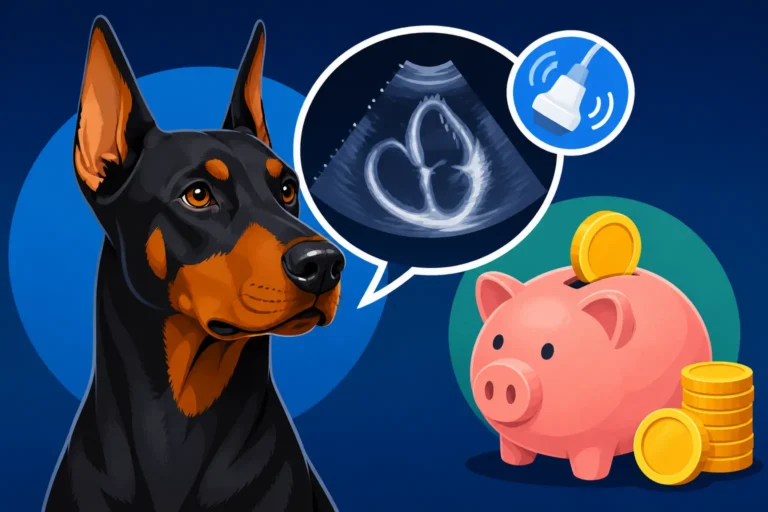
However, a Doberman-specific cardiac ultrasound (echo) or a 24-hour Holter monitor, even if done annually on a seemingly healthy dog, is often seen as a diagnostic test. Why? Because you're specifically looking for signs of a known, inherited disease (DCM). The intent isn't just general wellness; it's targeted screening for a high-risk condition. Similarly, genetic DNA tests for conditions like DCM1, DCM2, or Von Willebrand Disease (vWD) are almost universally considered diagnostic rather than preventative wellness. They're looking for a specific genetic marker that indicates a predisposition to or carrier status for a disease.
This distinction is crucial because traditional wellness plans typically cover preventative care, while accident and illness plans cover diagnostic work-ups for actual illnesses or injuries. This means many of the screenings Doberman owners prioritize often fall into a grey area not easily covered by either standard offering.
The Reality of Cardiac and Genetic Screening Costs
Let's talk brass tacks. The cost of Doberman-specific screenings can add up significantly over their lifespan. An annual cardiac echo performed by a board-certified veterinary cardiologist, often combined with a Holter monitor reading, can be a substantial expense each year. These aren't just simple vet visits; they require specialized equipment and expertise. Many owners find themselves paying for these essential screenings entirely out-of-pocket, hoping to catch the How a Doberman Heart Enlarges Before Symptoms or The Age Doberman Heart Disease Usually Starts before it becomes symptomatic and an emergency.
Similarly, genetic tests, like those for DCM and vWD, are upfront costs that many breeders (the good ones!) will cover for their breeding stock, but you, as a puppy owner, might choose to do yourself or for subsequent generations. These tests give you invaluable information about your dog's genetic blueprint and potential health risks. However, they are almost never included in a basic wellness plan. They're a specific, proactive investment in understanding your Doberman's future health, and you need to budget for them separately.
Breed-Specific Predispositions and Insurance Classifications
The sad reality is that insurance companies are businesses, and they categorize risks. Dobermans, with their known predispositions to DCM, vWD, Wobbler Syndrome, and other conditions, are often viewed through a different lens than, say, a mixed-breed dog with no known genetic risks.
Because these conditions are so prevalent in the breed, many insurers classify any cardiac screening or genetic testing as directly related to these breed-specific risks. If your Doberman tests positive for a DCM gene, for example, even if asymptomatic, it could be flagged. This might mean that while a basic wellness plan won't cover the cost of the screening itself, an accident and illness policy might then consider any subsequent DCM diagnosis a "pre-existing condition" if that screening occurred before enrollment or during a waiting period. This is why understanding The Health Testing a Doberman Breeder Must Show and receiving all relevant documentation for your puppy is so vital from day one.
It's a frustrating Catch-22: you screen proactively to be responsible, but that very act of screening can impact future coverage. You need to be incredibly diligent in reading policy fine print, especially regarding breed exclusions or specific condition clauses, to avoid nasty surprises down the line.
Navigating Pet Insurance for Comprehensive Doberman Care
Given the unique health landscape of Dobermans, simply signing up for any pet insurance plan won't cut it. You need a strategic approach to ensure your beloved companion gets the coverage they deserve, especially for those critical breed-specific concerns.
The Crucial Timing of Enrollment
One of the absolute biggest pieces of advice for any Doberman owner considering pet insurance is this: enroll your Doberman as early as possible. Seriously, the younger, the better. Most insurance companies have waiting periods for accident and illness coverage, and they all have clauses regarding pre-existing conditions. If your Doberman has an echocardiogram at age three and it shows even the earliest signs of DCM, then any future treatment for DCM will likely be considered pre-existing if you enroll after that diagnosis, or even after the first signs are noted by a vet. This can lead to a policy denying coverage for the most expensive and devastating Doberman illness.
Ideally, you want to get your Doberman enrolled while they are still a puppy, before any health issues, even minor ones, have had a chance to surface. This means looking into options like Healthy Paws or similar providers well before your Doberman is old enough for their first cardiac screening. Don't wait until they are two or three years old and you're starting to think about Annual Echo and Holter Screening for a Doberman. By then, a surprise finding could already be a "pre-existing condition" in the eyes of the insurer, leaving you to shoulder The Yearly Heart Bill for a Doberman on your own.
Tackling Pre-Existing Conditions for Dobermans
This is arguably the most challenging aspect of pet insurance for Doberman owners. Because Dobermans are predisposed to so many hereditary conditions, nearly every policy will define "pre-existing condition" very strictly. This typically means any illness or injury that showed symptoms, or was diagnosed, before your policy started or during your waiting period. And here's the kicker: even if you didn't know about it, if a vet record indicates symptoms, it can still be considered pre-existing.
For conditions like DCM, where the occult phase can last for years without obvious signs to an untrained eye, this is particularly problematic. If a Doberman has had an abnormal heart rhythm noted in their veterinary records during a regular check-up before you enrolled, even if nothing was diagnosed, an insurer might link that to a later DCM diagnosis and deny coverage. This is why What an Abnormal Echo Does to a Doberman Policy can be so devastating, potentially turning a preventable health management scenario into a crippling financial burden. It’s absolutely essential to read the definitions of pre-existing conditions in any policy very carefully and understand how they apply specifically to the known Doberman health risks. Don't assume anything.
Decoding Policy Wording and Finding the Right Fit
The sheer volume of pet insurance options can feel overwhelming, but for a Doberman owner, taking the time to truly decode policy wording is non-negotiable. Don't just look at the monthly premium; dig into the deductibles, reimbursement percentages, and annual limits. More importantly, scrutinize what is and is not covered under wellness riders versus accident and illness plans.
Look for policies that explicitly state what they cover regarding hereditary conditions. Some might offer more comprehensive coverage for genetic conditions if enrolled early. Don't be afraid to call the insurance provider directly and ask very specific questions: "Will an annual cardiac echo on my Doberman, performed by a board-certified cardiologist, be covered under your wellness plan if my dog is currently asymptomatic?" or "If my Doberman tests positive for a DCM gene variant before enrollment, but is still asymptomatic, will future DCM treatment be covered?" Ask if they have specific exclusions for Dobermans or breed-specific conditions. Companies like Healthy Paws are known for strong accident and illness coverage, but you still need to understand their stance on breed-specific screenings and pre-existing conditions.
Remember, finding the "right" fit isn't about the cheapest premium, but the one that offers the most robust coverage for your Doberman's specific needs. Sometimes, this means accepting that those critical cardiac and genetic screenings will remain out-of-pocket expenses, even if you have insurance. In such cases, having a strong accident and illness policy in place for when those conditions do become symptomatic is your best defense. If you're using a company like Chewy for pet supplies, they might also offer pet insurance options through partners, so it's worth checking their offerings and comparing them against specialist providers. Similarly, for tailored diets that might aid in heart health, brands like Ollie offer custom meal plans that you'd pay for out-of-pocket, as nutritional support generally falls outside typical insurance coverage too.
Here's a quick comparison to help visualize the typical coverage landscape:
| Feature/Test | Standard Wellness Plan Coverage | Accident & Illness Plan Coverage | Doberman-Specific Screening Reality |
|---|---|---|---|
| Annual Physical Exam | Yes, typically fully covered | No, not a covered illness | Generally considered wellness. |
| Vaccinations & Preventatives | Yes, typically fully covered | No, not a covered illness | Generally considered wellness. |
| Heartworm/Fecal Tests | Yes, often covered | No, not a covered illness | Generally considered wellness. |
| Cardiac Echo (Annual) | Rarely, if ever. Seen as diagnostic. | Yes, if for diagnosed illness after enrollment and not pre-existing. | Almost always out-of-pocket for healthy Dobermans; diagnostic for suspected illness. |
| Holter Monitor (Annual) | Rarely, if ever. Seen as diagnostic. | Yes, if for diagnosed illness after enrollment and not pre-existing. | Almost always out-of-pocket for healthy Dobermans; diagnostic for suspected illness. |
| DCM/vWD Genetic Tests | Never. Considered diagnostic. | Never. Considered diagnostic for predisposition, not illness. | Always out-of-pocket; informs breeding/future care, but rarely impacts coverage of the test itself. |
| Medication for Diagnosed DCM | No | Yes, if diagnosed after enrollment and not pre-existing. | Covered by accident & illness if conditions met. |
| Emergency Surgery (e.g., Bloat) | No | Yes | Covered by accident & illness. |
| Specialist Consultations | No | Yes, if related to a covered illness/injury. | Covered by accident & illness if conditions met. |
Remember, this table shows general trends. Always confirm with your chosen provider directly. The key takeaway is that for a Doberman, preventative care goes beyond simple wellness, and those crucial breed-specific screenings usually fall outside typical "wellness" benefits, requiring separate budgeting or careful policy selection with strong accident and illness coverage.
Disclaimer
This article is for general informational purposes only and does not constitute professional advice. Laws, prices and regulations vary by location and change over time. Consult a qualified professional for guidance on your specific situation.