The Age to Start Screening a Doberman’s Heart
It’s a chilling reality that for many Doberman owners, the specter of heart disease, specifically Dilated Cardiomyopathy (DCM), looms large over our beloved companions. We all want to give our Dobermans the longest, healthiest lives possible, but the question of when to start screening for this silent killer can feel overwhelming, shrouded in conflicting advice and understandable anxiety. This guide is here to cut through the confusion, offering clear, actionable information on the optimal age to begin proactively monitoring your Doberman’s heart health, giving you the best chance to intervene if needed.
Why Proactive Heart Screening for Dobermans is Non-Negotiable
The Doberman Pinscher is a magnificent breed, known for its loyalty, intelligence, and striking appearance. However, beneath that sleek coat and alert demeanor lies a heartbreaking predisposition to certain health conditions, with DCM at the top of the list. This isn't just a minor risk; it's a profound challenge that affects a significant percentage of the breed, often without any outward signs until it's critically advanced. The frustration many owners feel stems from the insidious nature of this disease, which can progress unnoticed for years, stealing precious time.
The Silent Killer: Understanding Doberman DCM
Dilated Cardiomyopathy is a progressive disease of the heart muscle. Essentially, the heart chambers enlarge, and the muscle walls become thin and weak, reducing the heart's ability to pump blood effectively. What makes DCM in Dobermans particularly devastating is its "occult" or "hidden" phase. During this period, which can last for several years, your Doberman might appear perfectly healthy, full of energy, and show no symptoms whatsoever. Meanwhile, the heart is slowly but surely failing. This is why you'll often hear discussions about Why a Doberman Heart Fails Before Anyone Notices – it truly is a silent progression. This frustrating lack of early symptoms is precisely why relying on visible signs is a recipe for disaster. By the time your Doberman is coughing, struggling to breathe, or collapsing, the disease is already in its advanced stages, making treatment much more challenging and prognosis far grimmer.
The Genetic Predisposition in Dobermans
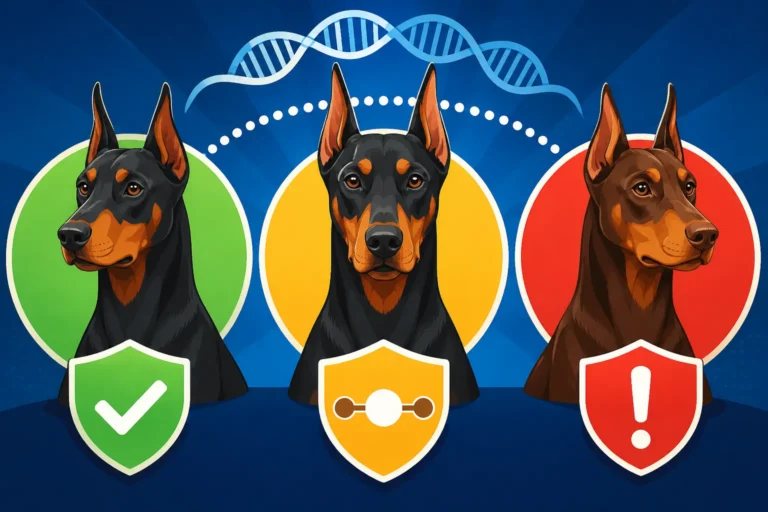
Unlike some diseases that are purely environmental, DCM in Dobermans is strongly linked to genetics. We know there are at least two identified genetic markers, the DCM1 gene and the DCM2 Titin variant, that contribute to the breed's susceptibility. While not every Doberman with these markers will develop DCM, and not every Doberman without these markers is completely safe, the genetic component underscores the importance of breed-specific vigilance. A responsible breeder will be transparent about the genetic history of their lines and provide you with information on The Two Doberman DCM Gene Tests. Even with clear genetic tests, the disease can still manifest, indicating other genetic factors or complexities we don't fully understand yet. This reality leaves many owners feeling powerless, but it actually empowers us to be proactive with screening, as genetic testing alone is not a guarantee of a healthy heart.
Why the Early Years Are So Critical for Monitoring
Many Doberman owners find themselves in a cruel waiting game, knowing that The Doberman Years When Everything Shows Up often coincide with their prime. While DCM can strike at any age, it most commonly manifests clinically in middle-aged to older Dobermans, typically between four and eight years old. However, the occult phase, where the heart changes begin without symptoms, can start much earlier. This is why waiting until your Doberman is "old enough" to show symptoms is a dangerous gamble. Catching the disease in its occult phase, before it progresses to overt heart failure, offers the best window for starting preventative medications, such as pimobendan, which can significantly delay the onset of clinical signs and improve quality of life. Without early and consistent screening, you might unknowingly miss this crucial period for effective intervention.
Essential Heart Screening Methods for Dobermans
When it comes to monitoring your Doberman's heart, there isn't one single "magic bullet" test. Instead, a combination of tools provides the most comprehensive picture of their cardiac health. It can feel like a lot to learn, especially when you're just trying to do right by your dog, but understanding these methods will help you navigate veterinary conversations with confidence.
The Echocardiogram: A Window into the Heart
An echocardiogram, often called an "echo," is essentially an ultrasound of the heart. This non-invasive test allows a veterinary cardiologist to visualize the heart's structure and function in real-time. They can see the size of the heart chambers, the thickness of the muscle walls, how well the valves are working, and most importantly, measure the heart's pumping efficiency (ejection fraction and fractional shortening). For Dobermans, the echo is vital because it can detect the subtle changes in heart size and contractility that signal the onset of DCM in its occult phase, long before any outward symptoms appear. This is truly how you know How a Doberman Heart Enlarges Before Symptoms. Think of it as a detailed blueprint of your Doberman's heart. A normal echo gives you immense peace of mind, while an abnormal one provides the critical information needed to start early management strategies.
The Holter Monitor: Twenty-Four Hours of Surveillance
While an echo gives a snapshot of the heart's structure and function at a specific moment, the Holter monitor provides a continuous, 24-hour recording of your Doberman’s heart rhythm. This is a crucial distinction for Dobermans because DCM often presents with arrhythmias (irregular heartbeats) even before structural changes are clearly visible on an echo. A Holter involves fitting your Doberman with a small, portable ECG device that they wear for a full day as they go about their normal routine. This allows the cardiologist to detect intermittent or exercise-induced arrhythmias that might be missed during a brief, in-clinic ECG. These irregular beats, particularly ventricular premature contractions (VPCs), are often the earliest signs of DCM in Dobermans. Regular Holter monitoring helps answer the question of How Many Abnormal Beats Worry a Doberman Cardiologist. Combining both echo and Holter provides the most robust screening picture for a Doberman's heart health.
The Blood Test: Biomarkers for Heart Stress
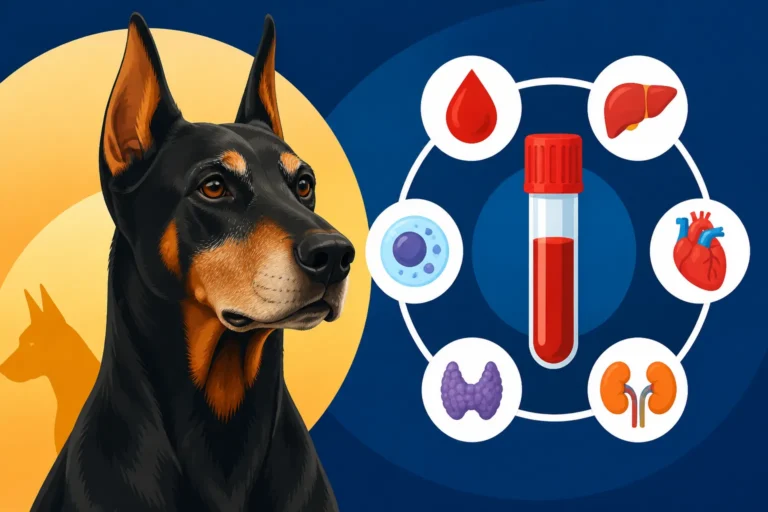
While not a definitive diagnostic tool on its own, a blood test for N-terminal pro-B-type natriuretic peptide (NT-proBNP) can be a useful screening adjunct. This biomarker is released in higher amounts when the heart muscle is stretched or stressed, often indicating underlying heart disease. A significantly elevated NT-proBNP level in a Doberman can serve as an early warning sign, prompting further, more definitive cardiac testing like an echo and Holter. It's a fantastic preliminary screen, especially if you're experiencing a delay in getting a specialist appointment, or as an annual check between more intensive screenings. It's truly The Blood Test That Flags a Doberman Heart, giving you a heads-up that something might be amiss. Keep in mind that a normal proBNP doesn't completely rule out early DCM, but a high one definitely warrants deeper investigation.
Here's a quick comparison of these screening methods:
| Screening Method | What It Measures | Best For Detecting | Frequency (Recommended) | Approx. Cost (USD) |
|---|---|---|---|---|
| Echocardiogram | Heart structure, chamber size, muscle thickness, pumping function, valve health. | Structural changes of DCM, heart enlargement. | Annually for at-risk breeds like Dobermans. | $300 – $600 |
| Holter Monitor | 24-hour heart rhythm, electrical activity. | Arrhythmias (VPCs) that precede structural changes. | Annually for at-risk breeds like Dobermans. | $250 – $500 |
| NT-proBNP Blood Test | Biomarkers indicating heart muscle stress. | Early indicators of cardiac stress, often used as a screening tool. | Annually, or when symptoms arise. | $100 – $200 |
Note: Costs are approximate and can vary widely based on location, specialist fees, and veterinary clinic.
The Optimal Age to Commence Doberman Heart Screening
This is the question that weighs heavily on every Doberman owner's mind. There's a general consensus among veterinary cardiologists and responsible Doberman clubs that proactive screening needs to start earlier than many might assume, precisely because of the silent nature of DCM.
Consensus Guidelines and Breeder Recommendations
Most Doberman breed clubs and leading veterinary cardiologists recommend initiating annual cardiac screening, including both an echocardiogram and a 24-hour Holter monitor, at 2 years of age. This might sound young, especially if your Doberman is still bounding around like a puppy, but it’s exactly when the earliest, subtle changes can begin to appear. Some even advocate for a baseline screening as early as 18 months. The goal is to establish a "normal" baseline for your individual dog and then monitor for any deviations in subsequent annual screenings. Think of it like this: if you know what "normal" looks like for your Doberman at two years old, any tiny change at three or four years old will be much easier to spot. This rigorous schedule is why you'll often see responsible breeders emphasizing the importance of Annual Echo and Holter Screening for a Doberman. They understand the breed's vulnerabilities and advocate for early detection as the best defense.
Individual Risk Factors to Consider
While two years old is the general recommendation, certain individual factors might warrant even earlier or more frequent screening:
- Family History: If your Doberman's parents, grandparents, or close relatives developed DCM at a young age, your Doberman is at a higher genetic risk. Discuss this with your cardiologist; they might recommend starting screenings earlier, perhaps at 18 months, to be extra vigilant. Knowing the detailed health history of your dog's lineage is crucial, and a reputable breeder should always be transparent about this.
- Genetic Test Results: If your Doberman tests positive for the DCM1 or DCM2 Titin variant, even if asymptomatic, it elevates their risk. While these tests aren't 100% predictive, a positive result should reinforce the commitment to annual, diligent screening starting at two years old, if not a little sooner based on your vet's advice. It's good to know Whether a Doberman Positive for Both Genes Is Doomed – they aren't, but vigilance is key.
- Subtle Behavioral Changes: Even without classic "heart failure" symptoms, if you notice any subtle changes in your Doberman's stamina, a slight increase in resting respiratory rate, or any instances of uncharacteristic fatigue or dizziness, don't wait for the annual screen. Get them checked immediately. These subtle cues, even if fleeting, can be the earliest indications of trouble.
The Age Doberman Heart Disease Usually Starts in its symptomatic form is generally later, but the changes leading up to it can begin much earlier.
Finding a Board-Certified Veterinary Cardiologist
One of the most important pieces of advice I can offer is to seek out a board-certified veterinary cardiologist for your Doberman’s heart screenings. While your general practice vet can perform some tests, a specialist has the advanced training, equipment, and experience to accurately interpret the subtle findings crucial for early DCM detection in Dobermans. They are specifically attuned to the nuances of the Doberman heart. Ask your regular vet for a referral, or check the American College of Veterinary Internal Medicine (ACVIM) website for a list of cardiologists in your area. This specialized expertise can make all the difference.
The Cost of Vigilance and How to Plan for It
Let's be real: proactive health screening for a Doberman is an investment. The cost of annual echoes and Holters, especially when performed by a specialist, can add up. This is a common point of stress for Doberman owners, but it's crucial to acknowledge these expenses upfront and plan accordingly. Ignoring them is not an option when your Doberman's lifespan is on the line.
Budgeting for Annual Cardiac Exams
As we saw in the table above, each echo and Holter can cost several hundred dollars. When you're looking at annual screenings, this means budgeting anywhere from $500 to $1,000+ per year just for heart checks. This doesn't even include potential medications if DCM is diagnosed. It's a significant financial commitment, but one that is absolutely essential for a Doberman. Many owners find it helpful to set aside a dedicated "Doberman Health Fund" or to explore pet insurance options.
The Role of Pet Insurance
Pet insurance can be a lifesaver for Doberman owners. Companies like Healthy Paws offer comprehensive plans that can cover a significant portion of diagnostic tests, specialist visits, and medications. However, there's a critical catch for Dobermans: you need to enroll your dog before any signs of heart disease appear or before the first screening that might show abnormalities. If a Doberman is diagnosed with DCM, it becomes a pre-existing condition, and most insurance policies will exclude coverage for anything related to it. This is why getting your Doberman insured early, ideally as a puppy or young adult, is paramount. Don't wait until your Doberman is four or five years old to consider insurance, as that might be too late to cover a developing heart condition. It truly speaks to Whether Any Doberman Owner Should Skip Insurance – for Dobermans, it's a strongly recommended safety net.
What Happens if You Don't Screen Early Enough
The consequences of delaying or skipping heart screenings for your Doberman can be devastating. By the time symptoms like coughing, lethargy, or fainting spells become apparent, the disease has usually progressed to overt heart failure. At this stage, while medications can still help manage symptoms and improve comfort, the prognosis is often much poorer, and the treatment costs can skyrocket, often including emergency visits and extended hospital stays. You might find yourself grappling with the question of How Long a Doberman Lives After a DCM Diagnosis in its advanced stages, and the answer is often far shorter than if it had been caught early. Early detection allows for the initiation of medications that can truly slow the progression of the disease and significantly extend your Doberman's healthy lifespan, giving you more cherished years together. It’s a painful realization that waiting can rob you of precious time.
Disclaimer
The information provided in this article is for educational purposes only and is not a substitute for professional veterinary advice. Always consult with a qualified veterinarian or a board-certified veterinary cardiologist for any health concerns or before making any decisions about your Doberman's medical care.