The Grain-Free Question in a Doberman’s Bowl
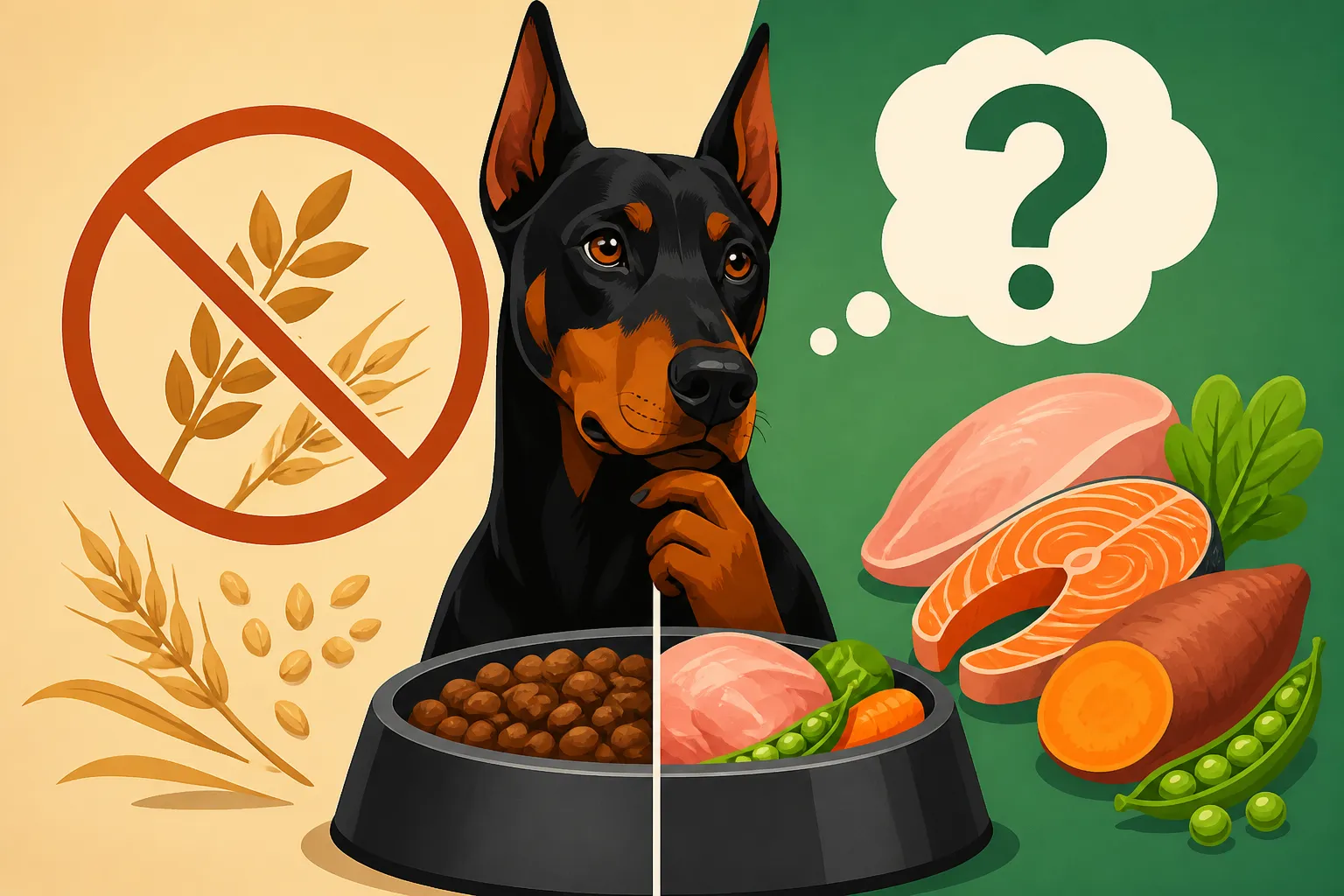
The world of dog nutrition can feel like a minefield, especially for Doberman owners. With so much conflicting advice swirling around, it's easy to feel overwhelmed when faced with the "grain-free" question, particularly when you know your beloved Dobe is prone to serious health issues like Dilated Cardiomyopathy (DCM). This comprehensive guide aims to cut through the noise, offering clear, empathetic, and science-backed insights into what the grain-free trend means for your Doberman's bowl.
Understanding the Grain-Free Trend for Dobermans
For years, "grain-free" dog food was marketed as a superior, healthier choice, mimicking what some believed to be a dog's ancestral diet. Many well-meaning Doberman owners, like ourselves, gravitated towards these diets, believing we were providing the best possible nutrition for our athletic, devoted companions. However, the narrative has shifted dramatically, leaving many of us wondering if we made the right choices or if we're inadvertently putting our Dobermans at risk.
The Rise of Grain-Free for Our Pups
The appeal of grain-free dog food really took off, driven by parallels drawn from human dietary trends and the idea that grains were mere "fillers" or common allergens for dogs. Marketing campaigns often highlighted images of wolves and wild canids, implying that domestic dogs should eat a similar diet devoid of corn, wheat, or soy. It sounded logical: Dobermans are powerful, lean dogs, surely a diet closer to their wild ancestors would be best? This mindset led to a boom in products proudly displaying "grain-free" labels, promising better digestion, shinier coats, and fewer allergies. It became almost an unspoken rule among many dog owners that grain-free was simply better.
Common Misconceptions About Grains for Dogs
It's a common misconception that grains are inherently bad for dogs or that grain allergies are widespread. In reality, true grain allergies in dogs are quite rare. When food allergies do occur, they are far more likely to be triggered by common protein sources like beef, dairy, chicken, or lamb than by grains. Grains, in fact, provide valuable nutrients, including complex carbohydrates for energy, fiber for digestive health, and essential vitamins and minerals. The demonization of grains often overlooked their nutritional contributions, leading many to believe that their removal automatically made a diet healthier, when in many cases, it simply meant they were replaced by other ingredients that might not be as beneficial, or worse, potentially problematic.
The Link Between Diet and Doberman Heart Health: DCM
This is where the grain-free discussion becomes especially poignant for Doberman owners. Our breed is disproportionately affected by Dilated Cardiomyopathy (DCM), a devastating heart disease. Naturally, when reports surfaced suggesting a link between certain diets and DCM, it sent ripples of concern through the Doberman community, myself included.
DCM and the Doberman Breed Predisposition
DCM is a progressive disease where the heart muscle weakens and becomes enlarged, making it less efficient at pumping blood. For a Doberman, this condition is heartbreakingly common, often progressing silently for years before any outward symptoms appear. We know our Dobermans are genetically predisposed to this condition; it’s a fact we live with and screen for diligently. This genetic vulnerability means that any potential environmental or nutritional factor that could exacerbate or even cause DCM needs to be taken incredibly seriously. It's not just about general canine health; it's about the very specific, heightened risk our Dobermans carry. You can learn more about The Heart Disease That Reaches Most Dobermans and how it manifests.
The "occult phase" of DCM, where the heart is already undergoing changes but your Doberman shows no outward signs of illness, is particularly insidious. During this period, a Doberman might appear perfectly healthy, bounding around the yard and enjoying life, while insidious changes are happening within their heart. This silent progression makes early detection and preventive measures, including careful dietary consideration, absolutely crucial. When we think about what goes into our Doberman's bowl, we're not just thinking about energy and a shiny coat, we're thinking about extending those precious years and maintaining heart health for as long as possible. The concept of The Silent Years Before a Doberman's Heart Shows really underscores the need for vigilance.
The Role of Taurine and Carnitine in Doberman Hearts
For a long time, the link between diet and DCM was primarily understood in the context of taurine deficiency in certain breeds. Taurine is an amino acid vital for heart function, and some breeds, notably Cocker Spaniels, were found to develop DCM dueately to a lack of it in their diet. While Dobermans can also have taurine deficiencies, their DCM is often considered a separate, genetically driven form. However, the recent dietary investigations have reopened the conversation about taurine, and another amino acid, carnitine, even for genetically predisposed breeds like ours.
It’s believed that certain ingredients common in some grain-free foods might interfere with the body's ability to synthesize or absorb taurine, or they might not provide sufficient precursors for its production. Carnitine, another important amino acid for heart muscle function, also comes into play. While not every Doberman with diet-associated DCM is found to be taurine deficient, supplementing these amino acids is often part of the treatment protocol once DCM is diagnosed. Understanding Taurine and Carnitine for a Doberman Heart is a critical piece of the puzzle for Doberman owners.
Why the "Occult Phase" Matters for Diet
The reason the "occult phase" (the period before clinical signs of heart failure) is so relevant to diet choice for Dobermans cannot be overstated. Since Dobermans are already at a high genetic risk for DCM, and since the disease often progresses silently, anything that could potentially hasten or worsen this progression is a major concern. If a particular diet, especially a grain-free one, creates a nutritional imbalance that impacts heart health, it could be pushing an already susceptible Doberman further down the path to symptomatic DCM.
For Doberman owners, this means that even if your dog hasn't been diagnosed with DCM, being proactive about their diet based on current veterinary understanding is a vital part of preventative care. You can't see the heart changes happening, but you can control what goes into their food bowl. This is why the question of Whether Grain-Free Food Adds to Doberman DCM is not just academic, but deeply personal and urgent for our breed. It's about trying to protect our dogs during those crucial silent years when we might not even know anything is wrong.
Deciphering the FDA's Findings and the Research
The biggest shift in the grain-free discussion came from the U.S. Food and Drug Administration (FDA) when they announced an investigation into a potential link between certain diets and canine DCM. This wasn't just a casual warning; it was a serious alert that changed how many veterinarians and informed owners viewed pet food.
The Initial Alert and What It Signified
In 2018, the FDA issued an alert regarding a potential connection between "boutique," "exotic ingredient," and "grain-free" (BEG) pet foods and dilated cardiomyopathy (DCM) in dogs. This wasn't a definitive scientific conclusion of causation, but rather an observation of a concerning correlation. They had received reports of dogs, including breeds not typically predisposed to DCM, developing the condition while on these specific diets. For breeds like Dobermans, already wrestling with a high incidence of genetic DCM, this added another layer of complexity and worry. It signaled that something in these popular diets might be interfering with heart health, and that pet owners and veterinarians needed to be acutely aware.
It’s important to remember that this wasn't about dismissing all grain-free foods, but rather flagging a pattern observed in specific types of formulations. The alert wasn't about the absence of grains alone, but what those grains were replaced with, and how that replacement might impact nutrient availability or absorption. The frustration for many Doberman owners was that for years, we were told grain-free was the "best" choice, and now we were being told it might be dangerous.
Ongoing Investigations and Current Understanding
Since the initial alert, the FDA has continued its investigation, collecting more data and collaborating with veterinary cardiologists and nutritionists. While a direct cause-and-effect relationship hasn't been definitively proven for all cases, the evidence strongly suggests that diet plays a role in a subset of DCM cases. The investigation is complex because many factors influence heart health, and pinpointing a single dietary culprit is challenging. It’s not simply about "grain-free" but the overall nutrient profile and specific ingredients in these foods.
Current understanding points to a multifactorial issue, including potential taurine or carnitine deficiencies, but also other complex nutritional imbalances that might not be easily detected through standard nutrient analysis on food labels. This is why veterinary nutritionists often recommend diets from companies that employ board-certified veterinary nutritionists and conduct rigorous feeding trials, rather than relying solely on analytical nutrient testing. The science is still evolving, but the cautionary flag remains very much raised, especially for breeds like Dobermans.
The "BEG" Diet Connection
The term "BEG diets" became shorthand for the types of foods under scrutiny:
- Boutique diets: Often from smaller, independent companies, sometimes lacking the extensive research and development resources of larger, more established pet food manufacturers.
- Exotic ingredients: Using novel protein sources like kangaroo, duck, or venison, and unusual carbohydrates like tapioca or lentils. These were initially popular for dogs with suspected allergies to common ingredients, but their long-term nutritional impact wasn't always well-studied.
- Grain-free diets: The focus of our discussion, where traditional grains like corn, wheat, rice, and barley are replaced with ingredients like peas, lentils, potatoes, or chickpeas.
The concern with BEG diets isn't just about one factor, but the combination. For instance, exotic proteins might not have the same amino acid profile as traditional meats, and the high inclusion of certain legumes in grain-free recipes might interfere with taurine metabolism or absorption. It's the overall formulation and ingredient synergy that veterinary experts are scrutinizing, urging caution for all dog owners, but particularly those with Dobermans.
Ingredients to Watch Out For in Doberman Diets
When we talk about grain-free diets, it's not just the absence of grains that matters, but the ingredients used to replace them. For Doberman owners trying to navigate this complex landscape, knowing what to look for on an ingredient list can be incredibly helpful.
Legumes and Their Potential Impact
Many grain-free formulas heavily rely on legumes like peas, lentils, chickpeas, and beans as primary carbohydrate and protein sources. These ingredients are often listed high on the ingredient panel, sometimes even before or alongside meat proteins. While legumes themselves aren't inherently "bad," their high concentration in certain diets is what has raised flags in relation to DCM.
The scientific community is exploring several theories regarding legumes:
- Antinutrients: Legumes contain compounds called antinutrients (like phytates and tannins) that can interfere with the absorption of essential minerals and amino acids. This could potentially reduce the bioavailability of crucial nutrients like taurine or its precursors, even if they are present in the food.
- Fiber content: High fiber from legumes could affect digestion and nutrient absorption.
- Protein quality: The protein profile of legumes differs from animal protein. Relying too heavily on legume protein might not provide the optimal balance of amino acids needed for heart health, especially in a breed like the Doberman.
Given these concerns, if you're currently feeding a grain-free diet to your Doberman, carefully check the ingredient list. If peas, lentils, or other legumes are among the first five ingredients, it might be worth discussing this with your veterinarian.
Potatoes and Other Starchy Carbohydrates
Beyond legumes, other starchy carbohydrates commonly used in grain-free recipes include potatoes (sweet potato and white potato), tapioca, and quinoa. Similar to legumes, the issue isn't necessarily that these ingredients are toxic, but rather their heavy reliance as primary carbohydrate sources in exclusion of traditional grains.
Potatoes, for example, are high in starch but offer a different nutritional profile compared to grains like rice or oats. When they replace grains entirely, the overall balance of amino acids, fibers, and other micronutrients in the diet can shift. The concern is that these alternative carbohydrate sources might also contribute to the complex nutritional imbalances implicated in diet-associated DCM, either by interfering with taurine metabolism or by simply not providing the necessary nutritional components for optimal heart health. It's about the cumulative effect of these ingredients within the entire dietary formulation.
Exotic Proteins and Novel Ingredients
Another characteristic of some BEG diets is the use of "exotic" or "novel" protein sources. While these were initially introduced for dogs with diagnosed food allergies (to common proteins like chicken or beef), they became fashionable even for dogs without allergies. Ingredients like kangaroo, bison, duck, venison, or even alligator can be found in some grain-free formulas.
The potential issue here is two-fold:
- Limited research: There is less extensive nutritional research on the long-term impact and optimal formulation using these exotic proteins compared to traditional protein sources.
- Ingredient synergy: When combined with high levels of legumes and alternative starches, these novel proteins might contribute to the overall nutritional imbalance, even if they are individually healthy. For instance, certain exotic meats might have different amino acid profiles, and if not carefully balanced with the other ingredients, could inadvertently lead to a deficiency or an interference with crucial pathways like taurine synthesis. For a Doberman already susceptible to heart issues, introducing too many unknown variables into their diet can be a risky move.
Navigating Food Choices for Your Doberman
Given the complexities and the potential risks, how do you make informed food choices for your Doberman? It’s not about fear-mongering, but about making deliberate, educated decisions based on the best available information and your Doberman's individual needs.
Reading Dog Food Labels Critically
Reading a dog food label can feel like deciphering a secret code. But for your Doberman's health, it’s a crucial skill. Here's what to keep in mind:
- Ingredient Order: Ingredients are listed by weight. Look for animal protein (e.g., chicken meal, lamb) as the first or second ingredient. If peas, lentils, or potatoes are higher on the list than a named meat protein, it might be a red flag, especially in a grain-free formula.
- Named Meats, Not Generic Terms: Look for "chicken meal" or "lamb" rather than generic "meat by-products" or "animal digest," which can be inconsistent in quality.
- Balanced Grains (if applicable): If you choose a grain-inclusive diet, look for whole grains like brown rice, oats, or barley. These provide beneficial fiber and nutrients.
- AAFCO Statement: Ensure the food has an AAFCO (Association of American Feed Control Officials) statement confirming it's "complete and balanced" for your dog's life stage (e.g., "for maintenance of adult dogs" or "for growth and reproduction"). Ideally, it should state it meets these requirements through feeding trials, not just formulation.
- Manufacturer Reputation: Research the brand. Do they employ board-certified veterinary nutritionists? Do they conduct feeding trials? Do they have transparent quality control measures? These are indicators of a responsible manufacturer. Companies like Purina, Hill's Science Diet, Royal Canin, and Eukanuba are often recommended by veterinary cardiologists because they invest heavily in research and formulation.
Considering Traditional Grain-Inclusive Diets
For many Doberman owners, returning to or choosing a traditional grain-inclusive diet from a reputable manufacturer is currently the safest recommendation from veterinary cardiologists and nutritionists. These diets typically use well-researched ingredients, often contain a healthy balance of carbohydrates from grains, and have been formulated to ensure adequate taurine and other essential nutrient levels.
Many popular and scientifically-backed brands offer excellent grain-inclusive options that have stood the test of time and research. These foods are designed to be complete and balanced, providing all the necessary nutrients without the potential risks associated with the BEG diets under FDA investigation. For your Doberman, a diet with ingredients like chicken, rice, corn, and oats, backed by sound nutritional science, can provide peace of mind. You can find a wide variety of these reputable brands and their products available through trusted retailers like Chewy or Amazon, allowing you to compare options and read reviews from other informed pet owners.
The Role of Fresh and Home-Cooked Options
The idea of feeding a fresh, home-cooked, or raw diet often appeals to Doberman owners who want to provide what feels like the most natural or highest quality food. While these options can be healthy, they come with their own set of challenges, especially for a breed like the Doberman with specific nutritional needs for heart health.
- Balance is Key: Home-cooked diets must be carefully formulated by a board-certified veterinary nutritionist to ensure they are complete and balanced. Simply cooking chicken and rice will not provide all the necessary vitamins, minerals, and amino acids (like taurine and carnitine) your Doberman needs. Deficiencies can easily arise, leading to serious health problems, including DCM. Services like Ollie offer fresh, pre-portioned meals, but even with these, it's wise to discuss with your vet if they meet the specific needs of a Doberman, particularly concerning the BEG diet concerns.
- Quality and Safety: Sourcing high-quality, human-grade ingredients and ensuring food safety (e.g., preventing bacterial contamination in raw diets) are paramount.
- Cost and Time: Home-cooking for a large, active Doberman can be time-consuming and expensive, and consistency is vital.
Unless you are working directly with a veterinary nutritionist to create a balanced recipe, commercial diets from reputable brands are generally a safer and more reliable option to ensure your Doberman receives proper nutrition. This isn't to say fresh food is bad, but it requires significant expertise to get it right.
Working with Your Vet and a Veterinary Nutritionist
Making dietary decisions for a Doberman, especially concerning sensitive issues like heart health, should never be a solo endeavor. Your veterinarian is your primary partner, and in complex cases, a board-certified veterinary nutritionist can be an invaluable resource.
When to Seek Professional Dietary Advice
If you're a Doberman owner, the answer to "when to seek professional dietary advice" is practically always. From the moment you bring your puppy home, discussing their nutritional needs with your vet is essential. This is even more crucial if:
- You are considering a grain-free, exotic ingredient, or boutique diet.
- Your Doberman has any health conditions, especially a diagnosed heart murmur or DCM.
- You are thinking about home-cooking or raw feeding.
- Your Doberman has unexplained digestive issues, skin problems, or changes in energy levels.
- You simply feel overwhelmed by the sheer volume of conflicting information and want guidance tailored to your specific dog.
Your general practice veterinarian can provide excellent initial guidance. However, for deep dives into nutrition and specific formulations, particularly regarding DCM, a referral to a board-certified veterinary nutritionist is highly recommended. These specialists have advanced training in animal nutrition and can formulate precise diets to meet your Doberman's unique health profile.
Tailoring a Diet to Your Doberman's Specific Needs
Every Doberman is an individual, and their dietary needs can vary based on age, activity level, health status, and even genetics. There’s no one-size-fits-all answer, especially in a breed with such a high prevalence of specific health concerns.
- Age and Life Stage: A rapidly growing Doberman puppy has different calorie and nutrient requirements than an active adult or a senior dog. Daily Calories for an Adult Doberman will vary significantly from a puppy's needs. Growing Dobermans need careful control over growth rates to protect their joints.
- Activity Level: A Doberman involved in protection sports or agility will require higher Protein and Fat for a Lean Working Doberman compared to a couch potato companion.
- Health Conditions: If your Doberman has a known condition like DCM, kidney disease, or copper liver disease (which is seen in some Dobermans), their diet will need to be specifically formulated to support that condition. For instance, a Doberman with copper liver disease would require a Low-Copper Feeding for a Doberman.
- Allergies/Sensitivities: While rare, if your Doberman has a diagnosed food allergy, a vet or nutritionist can help you navigate appropriate hypoallergenic diets without falling into the BEG trap.
A professional can help you choose a commercial diet or formulate a home-cooked one that balances all these factors, ensuring your Doberman receives optimal nutrition for their specific situation, giving them the best chance at a long, healthy life.
Monitoring Your Doberman's Health on Any Diet
No matter what diet you choose for your Doberman, continuous monitoring of their health is non-negotiable. This isn't just about watching for immediate issues but also for subtle, long-term changes that could indicate a problem.
- Regular Vet Check-ups: Maintain a schedule of annual wellness exams, or more frequently as recommended by your vet. These check-ups include assessing weight, coat condition, and overall demeanor. As your Doberman ages, Screening an Older Doberman More Often becomes crucial.
- DCM Screening: For Dobermans, regular cardiac screening is paramount, regardless of diet. This includes annual echocardiograms (heart ultrasounds) and 24-hour Holter monitoring. These tests can catch the early, occult phase of DCM before symptoms appear. For more information, see Annual Echo and Holter Screening for a Doberman.
- Bloodwork: Periodically, your vet may recommend blood tests to check organ function and nutrient levels, especially if you're feeding a non-traditional diet or if there are any health concerns.
- Behavioral and Physical Observations: Pay attention to changes in appetite, thirst, energy levels, coat quality, stool consistency, and any signs of discomfort or illness. You know your Doberman best, and your observations are invaluable.
If you observe any concerning changes, or if your Doberman is diagnosed with DCM, your vet will likely recommend a dietary review, and potentially specific Medication for a Doberman in the Occult Phase or other treatments. Early detection and intervention, often including dietary adjustments, can significantly impact How Much Longer Early Treatment Buys a Doberman.
Making an Informed Decision for Your Doberman's Bowl
The sheer volume of information and often contradictory advice about dog food can make any Doberman owner feel lost. It's an emotional decision, because we all want the absolute best for our dogs. But when it comes to grain-free diets for Dobermans, making an informed, evidence-based choice is critical.
Weighing the Risks and Benefits
For Dobermans, the potential risks associated with certain grain-free, legume-heavy diets, particularly their suspected link to diet-associated DCM, currently outweigh any perceived benefits unless there's a specific, diagnosed medical reason for such a diet.
Perceived Benefits (often unsupported by science for general canine health):
- Reduced allergies: True grain allergies are rare; protein sources are more common culprits.
- Improved digestion: Many dogs thrive on grains; digestive issues are more often related to sudden diet changes or overall diet quality.
- "More natural" or "ancestral": Domestic dogs have evolved to digest starches and grains.
Potential Risks (especially for Dobermans):
- Diet-associated DCM: The ongoing FDA investigation and veterinary cardiology community observations indicate a concerning correlation between certain BEG diets and DCM.
- Nutritional imbalances: High levels of certain legumes or other alternative starches might interfere with taurine metabolism or nutrient absorption, leading to deficiencies.
- Lack of long-term research: Many boutique grain-free brands lack the extensive feeding trials and long-term research of more established companies.
Given the Doberman's genetic predisposition to DCM, introducing a diet with even a potential link to heart disease is a risk many informed owners are now choosing to avoid.
Prioritizing Scientifically Backed Nutrition
When choosing a food for your Doberman, prioritize brands that adhere to the highest standards of nutritional science and quality control. This means looking for companies that:
- Employ board-certified veterinary nutritionists in their research and development teams.
- Conduct extensive feeding trials (not just formulation analysis) to ensure their diets are truly complete and balanced and meet a dog's nutritional needs over their lifetime.
- Have transparent quality control measures and can provide detailed nutrient analysis for their products.
- Follow WSAVA (World Small Animal Veterinary Association) guidelines for pet food manufacturers, which set high standards for expertise, quality, and research.
Brands that fit this description typically include well-established names that might not always be the trendiest on social media, but whose products are backed by decades of research and veterinary trust. These brands often offer both grain-inclusive and, if formulated correctly, some grain-free options that have been thoroughly tested.
Staying Updated on Doberman Dietary Guidelines
The field of pet nutrition is constantly evolving, with new research emerging all the time. What was considered best practice five or ten years ago might be updated today. For Doberman owners, it's crucial to stay connected with reliable sources of information.
- Consult your veterinarian regularly: They are your best resource for the most current, evidence-based recommendations.
- Follow veterinary cardiology organizations: Groups like the American College of Veterinary Internal Medicine (ACVIM) often publish updates on topics like diet-associated DCM.
- Avoid relying solely on anecdotal evidence or social media: While online communities can be supportive, nutritional advice should always come from qualified professionals.
By staying informed and partnering with veterinary professionals, you can ensure your Doberman's diet is always optimized for their specific needs, mitigating risks and supporting their overall health for years to come. This proactive approach is a hallmark of responsible Doberman ownership.
Beyond Grain-Free: Holistic Doberman Nutrition
Focusing solely on the grain-free question can sometimes overshadow the broader picture of holistic nutrition and care for our Dobermans. While diet is a cornerstone, it's just one piece of the puzzle in ensuring our Dobermans live their fullest, healthiest lives.
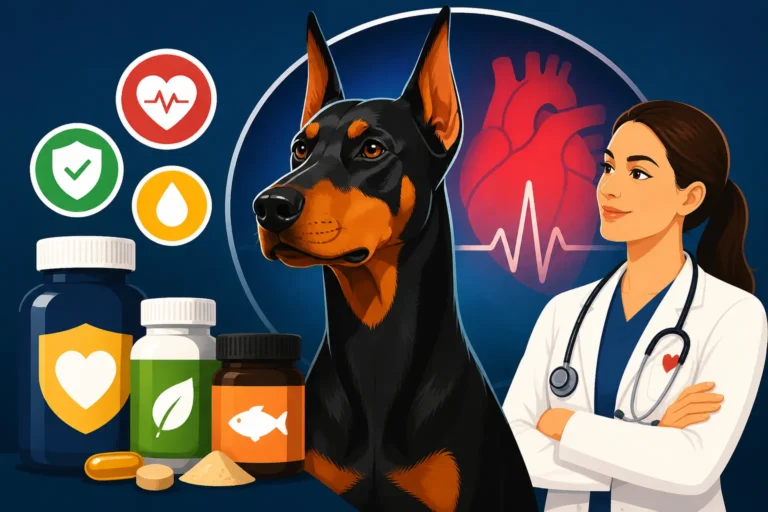
Supplements for Overall Doberman Health
Many Doberman owners, understandably, look to supplements to bolster their dog's health, particularly their heart. While no supplement can replace a complete and balanced diet, some can offer additional support, especially under veterinary guidance.
- Omega-3 Fatty Acids: Fish oil, rich in EPA and DHA, is often recommended for its anti-inflammatory properties and benefits for heart, skin, and joint health.
- Taurine and Carnitine: If your Doberman is on a diet under suspicion for DCM, or if a deficiency is detected, your vet may recommend supplementing these amino acids. However, never start these without veterinary consultation, as improper dosing can be harmful.
- Joint Supplements: Given the Doberman's athletic build and potential for joint issues, glucosamine and chondroitin can be beneficial for preventative care, especially as they age.
Always discuss any supplements with your veterinarian before adding them to your Doberman's regimen. They can advise on appropriate dosages and potential interactions with other medications or existing health conditions.
Ensuring Adequate Hydration and Exercise
A premium diet alone won't guarantee health if other basic needs aren't met. Hydration and appropriate exercise are fundamental pillars of Doberman well-being.
- Hydration: Always ensure your Doberman has access to fresh, clean water. This is crucial for all bodily functions, including kidney health and circulation. Active Dobermans, especially in warm weather, need constant hydration.
- Exercise: Dobermans are high-energy dogs that require consistent, appropriate exercise to maintain muscle mass, cardiovascular health, and mental well-being. This isn't just about walks; it includes mental stimulation through training and play. However, exercise levels need to be carefully managed, especially for a Doberman with a known heart condition. For example, Whether a Doberman With DCM Should Exercise is a question that requires careful veterinary guidance. A strong, lean body contributes to overall resilience, making it easier for them to cope with any health challenges that arise.
The Importance of Regular Health Screenings
Finally, no matter how carefully you manage your Doberman's diet, regular health screenings remain critical. Dobermans are prone to several inherited conditions beyond DCM, and early detection is often key to effective management and better outcomes.
- Cardiac Screening: As mentioned, annual echocardiograms and Holter monitoring are vital for Dobermans to catch DCM in its earliest stages. The Age to Start Screening a Doberman's Heart is typically around two years old, but your vet may recommend earlier based on individual factors.
- Thyroid Testing: Hypothyroidism is common in Dobermans. Regular thyroid panels can detect this condition, which can affect energy levels, coat health, and metabolism.
- Von Willebrand's Disease (vWD) Testing: This is a bleeding disorder that many Dobermans carry. Knowing your dog's status is important, especially before any surgery. The Von Willebrand DNA Test for Dobermans is crucial information.
- Breed-Specific Genetic Panels: DNA tests can screen for various genetic markers linked to certain conditions. A comprehensive approach involves combining these genetic insights with clinical screenings. If you're considering breeding, understanding The Health Testing a Doberman Breeder Must Show is paramount, and it’s important to familiarize yourself with Reading a Doberman Puppy's Test Certificates when acquiring a new Dobe.
By taking a comprehensive, proactive approach to your Doberman's diet, exercise, and health screenings, you provide them with the best possible foundation for a long, happy, and vibrant life. It's a testament to the deep bond we share with these magnificent dogs.
Comparing Diet Options for Your Doberman
Choosing the right food for your Doberman involves considering various factors beyond just the "grain-free" label. Here's a simplified comparison to help visualize the common characteristics and considerations for different diet types.
| Feature | Reputable Grain-Inclusive Commercial Diets (e.g., Purina, Hill's, Royal Canin) | Grain-Free Commercial Diets (BEG-style, high legume/potato) | Fresh/Home-Cooked Diets (Veterinary Nutritionist Formulated) |
|---|---|---|---|
| Grain Content | Present (corn, rice, wheat, barley, oats) | Absent | Varies (can be grain-inclusive or grain-free) |
| Legume/Potato Content | Low to moderate | High (peas, lentils, chickpeas, potatoes) | Varies (can be low, moderate or high depending on formulation) |
| Protein Sources | Traditional (chicken, beef, lamb) | Traditional & Exotic (kangaroo, bison, duck) | High-quality human-grade (e.g., chicken, beef, fish) |
| Scientific Backing | High (extensive research, feeding trials, veterinary nutritionist oversight) | Limited to none (often marketing-driven, less R&D) | High (if formulated by specialist) |
| DCM Risk (Doberman) | Low (if reputable brand) | Potentially Higher (FDA investigation) | Low (if precisely balanced) / High (if unbalanced) |
| Taurine & Carnitine | Generally adequate | Potentially deficient or poor absorption | Needs careful balancing, often supplemented |
| Cost | Moderate | Moderate to High | High (ingredients & prep time) |
| Convenience | High | High | Low |
| Recommendation | Often preferred by veterinary cardiologists and nutritionists for Dobermans. | Generally advised against until more research is available. | Excellent if correctly balanced by a specialist. |
This table serves as a general guide. Always remember that the quality of the formulation and the manufacturer are more important than any single ingredient or diet type.
Disclaimer
This article is for general informational purposes only and does not constitute professional advice. Laws, prices and regulations vary by location and change over time. Consult a qualified professional for guidance on your specific situation.