Whether Doberman Cancer Rates Are High
Doberman cancer rates and genetic predispositions, including common types, warning signs, and management strategies for owners.
Doberman cancer rates and genetic predispositions, including common types, warning signs, and management strategies for owners.
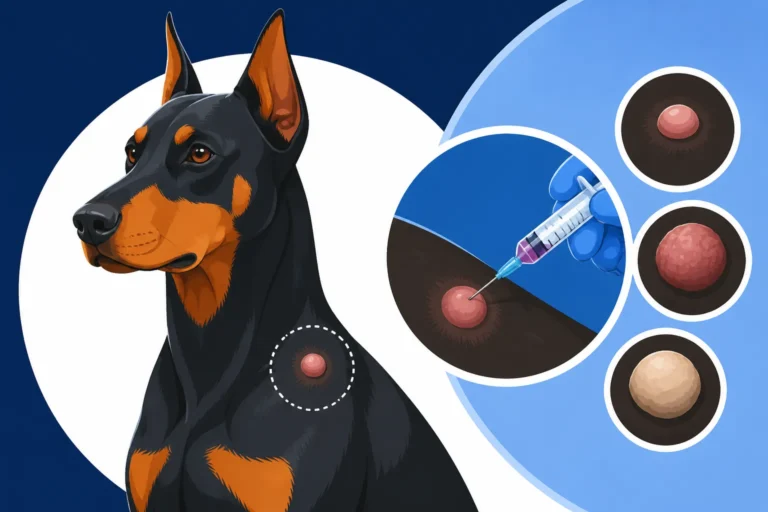
Doberman skin lumps require a veterinary fine needle aspiration to safely distinguish between benign fatty tumors and cancerous growths.
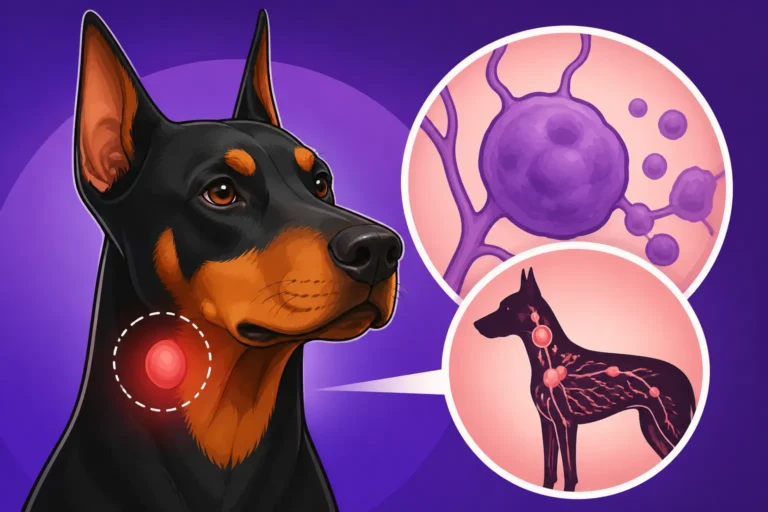
Swollen lymph nodes in Dobermans often indicate canine lymphoma, a serious cancer affecting lymphocytes and white blood cells throughout the body.
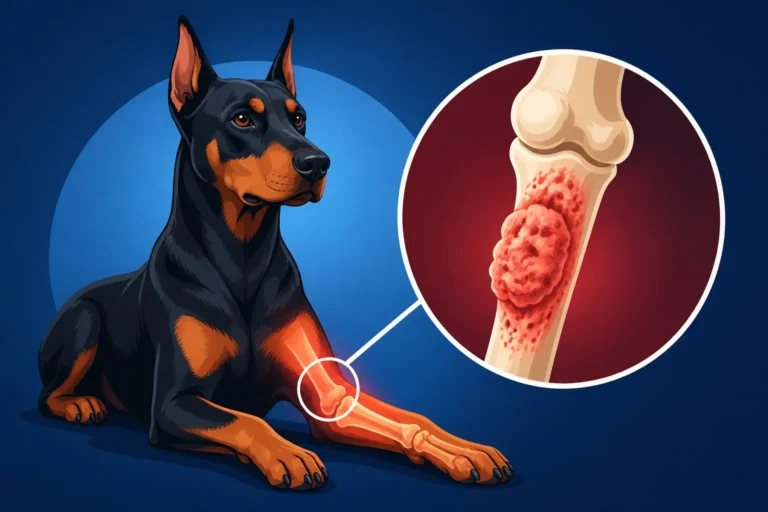
Osteosarcoma is an aggressive bone cancer causing severe lameness, swelling, and pain in middle aged to older Dobermans.
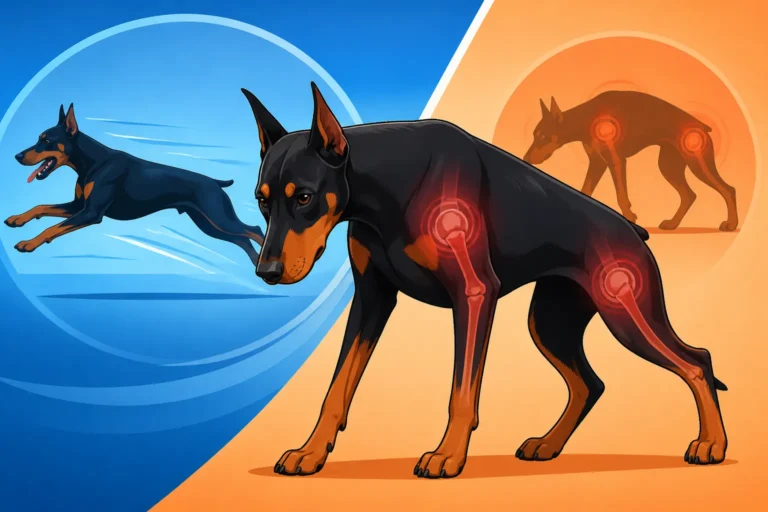
Stiffness in a sprinting Doberman can result from soft tissue injuries, osteoarthritis, hip dysplasia, or spinal conditions.
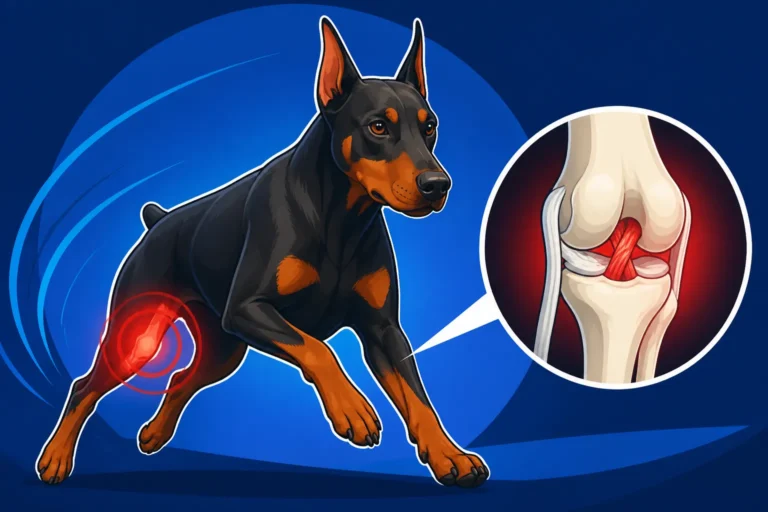
Cranial cruciate ligament damage in athletic Dobermans, detailing knee stability, acute tears, progressive degeneration, diagnosis, and treatment steps.
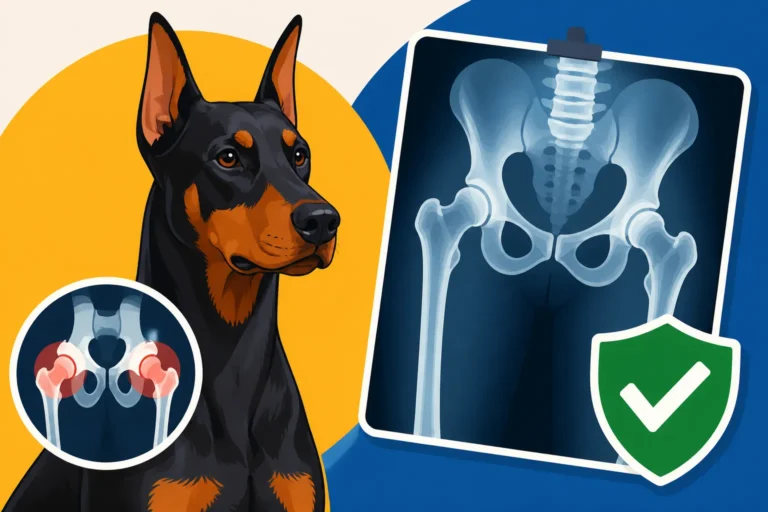
Hip X-rays for Dobermans reveal developmental joint malformation early, preventing long-term pain and degenerative disease.
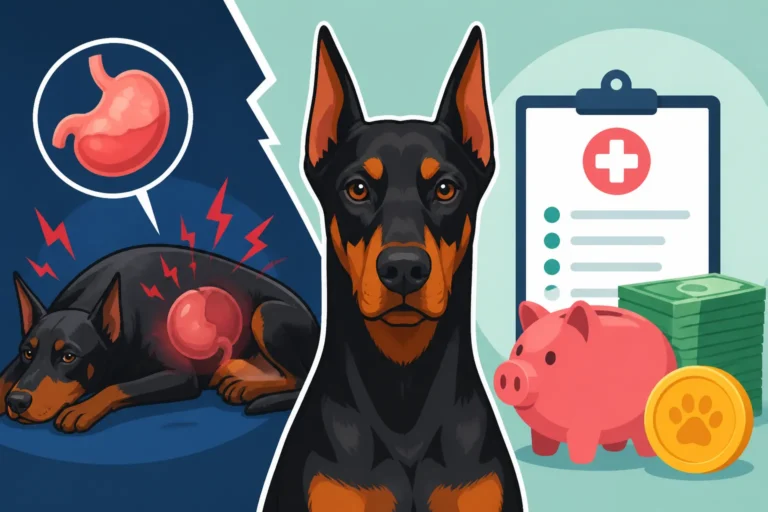
Doberman bloat surgery costs and emergency veterinary care expenses, including initial stabilization, diagnosis, and post-operative treatment.
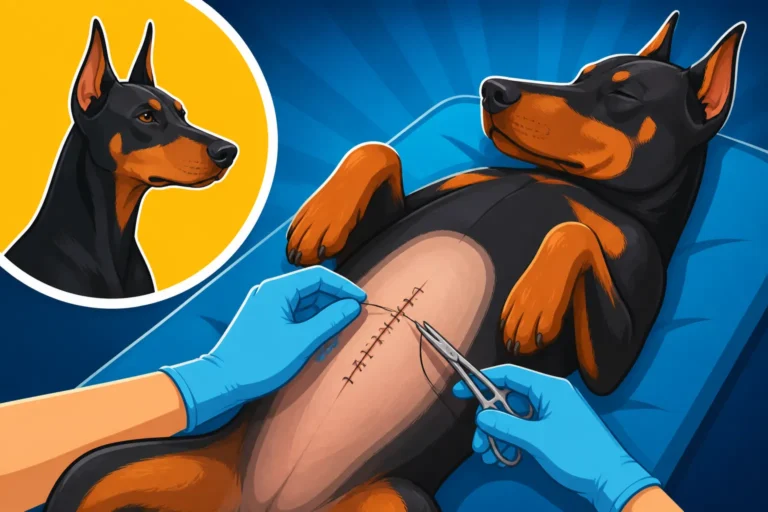
Prophylactic gastropexy is a preventative surgery attaching a Doberman stomach to the abdominal wall to stop dangerous twists.
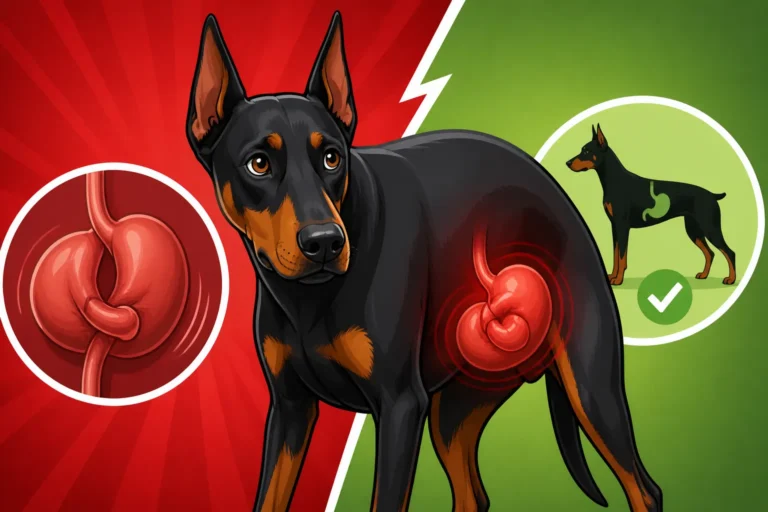
Doberman stomach twist or gastric dilatation volvulus causes rapid gas trapping, cutting off blood supply and risking death.