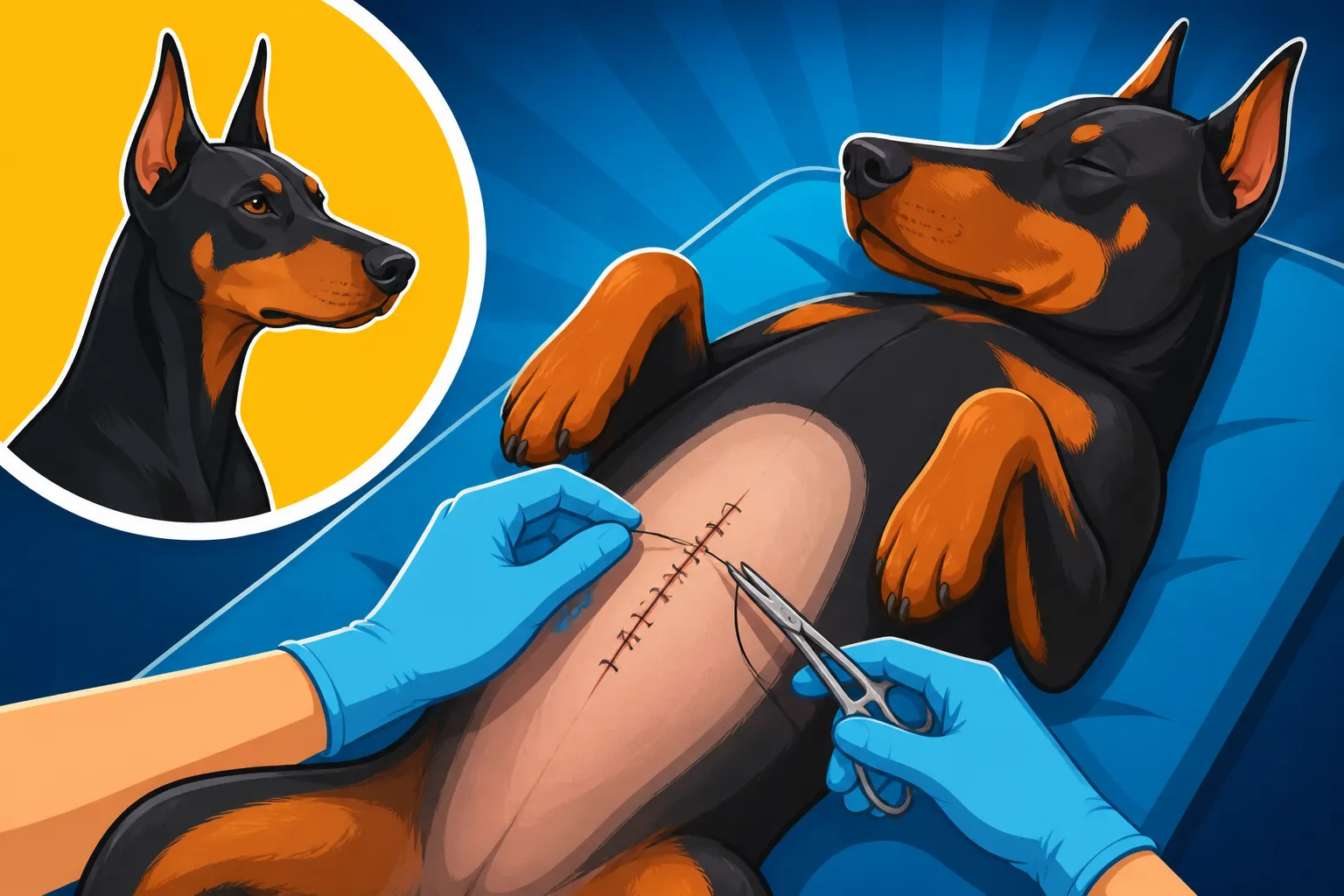
Tacking a Doberman’s Stomach While It Is Under
The thought of your beloved Doberman suddenly succumbing to bloat, a condition where their stomach twists on itself, is every owner's worst nightmare. It's a terrifying emergency, often happening without warning, and the frantic rush to the vet can be incredibly stressful, not to mention expensive, with no guarantee of a positive outcome. This guide aims to demystify one of the most effective preventative measures available: surgically tacking a Doberman's stomach, known as a prophylactic gastropexy, often performed while your dog is already under anesthesia for another procedure.
The Silent Threat: Gastric Dilatation-Volvulus (GDV) in Dobermans
For Doberman owners, Gastric Dilatation-Volvulus, or GDV, is more than just a scary medical term; it’s a terrifying reality that can strike with alarming speed. You might know it simply as bloat, but the "volvulus" part is the killer: it means the stomach doesn't just fill with gas and distend (dilatation), but it actually twists, cutting off its own blood supply and blocking any exit for the gas or food. This is an incredibly painful and rapidly life-threatening condition.
Dobermans, with their deep, narrow chests, are unfortunately among the breeds at highest risk for GDV. It's not just about size; it's about their unique anatomy. The deep chest cavity allows the stomach more room to swing and, under certain conditions, flip over. While we don't know exactly why it happens, factors like eating too quickly, exercising vigorously after meals, stress, and even genetics are thought to play a role. When bloat occurs, every minute counts. The pressure from the distended stomach can compromise breathing, blood flow to vital organs, and if the twist isn't corrected swiftly, it leads to tissue death, shock, and ultimately, death. This is why knowing how to quickly identify the signs, like unproductive retching, a distended abdomen, and signs of extreme discomfort, is so crucial for any Doberman owner. You can learn more about Recognizing a Doberman Stomach Twist in Time.
The sheer urgency of a bloat emergency is what makes it so terrifying. Imagine your Doberman, who was perfectly fine just an hour ago, suddenly pacing, drooling, trying to vomit without success, and their belly swelling right before your eyes. This isn't just an upset stomach; it's a critical medical emergency requiring immediate veterinary attention. There's no time to wait and see if it passes. An emergency surgery to untwist the stomach and assess for damage is the only course of action, and even then, the survival rate, while decent, is not 100%. The recovery from emergency bloat surgery is also far more complicated and carries higher risks than a planned, preventative procedure.
Prophylactic Gastropexy: A Preventative Lifeline
This is where a prophylactic gastropexy comes into play, offering a significant layer of protection against the most dangerous aspect of bloat: the volvulus, or twisting. A prophylactic gastropexy is an elective surgical procedure performed to permanently attach a section of the stomach wall to the abdominal wall. Think of it like tacking down a rug that tends to slip and slide – it keeps the stomach from rotating. While it doesn't prevent the stomach from dilating (filling with gas), it makes it virtually impossible for it to twist, which is the truly life-threatening part of GDV.
The primary benefit of this procedure is immense peace of mind. Knowing that your Doberman is significantly protected from the deadliest form of bloat can alleviate a huge amount of anxiety for owners. Instead of living in constant fear of that sudden, terrible emergency, you can focus on enjoying your dog's life. This preventative measure is a common recommendation for Dobermans and other large, deep-chested breeds due to their elevated risk.
This procedure is typically performed while your Doberman is already under general anesthesia for another, often routine, surgery. For female Dobermans, it's frequently done at the same time as their spay. For males, it can be combined with their neuter, or sometimes done as a standalone procedure if neutering isn't planned or has already happened. The advantage of combining procedures is twofold: it reduces the number of times your dog needs to go under anesthesia, and it often means only one recovery period. When you're making decisions about your Doberman's health, combining elective procedures makes a lot of sense, both for their well-being and your wallet.
The Surgical Procedure: What Happens During a Doberman Gastropexy
Understanding the process can help alleviate any concerns you might have about your Doberman undergoing a gastropexy. The procedure itself is quite straightforward for an experienced veterinary surgeon, and there are a couple of common techniques.
The traditional method is an "open" gastropexy, which involves a standard incision into the abdomen. Once the abdomen is open, the surgeon identifies a specific section of the stomach wall and then sutures it directly to the inner abdominal wall. This creates a permanent adhesion as it heals, effectively "tacking" the stomach in place. This method allows the surgeon a clear view and direct access, making it a very reliable technique. Recovery usually involves a few days of careful monitoring, pain management, and restricted activity to allow the surgical site to heal properly. Just like with any surgery, there will be careful protocols for Sedating a Doberman for a Dental and What It Costs and other procedures, ensuring your Doberman is as safe as possible throughout.
An increasingly popular and less invasive option is a laparoscopic gastropexy. This technique uses a small camera and specialized instruments inserted through tiny incisions (keyhole surgery). The surgeon watches on a monitor as they perform the attachment. This minimally invasive approach often leads to less pain, smaller incisions, and a quicker recovery time for your Doberman. However, it does require specialized equipment and training, so not all veterinary clinics offer it. Regardless of the method, your Doberman will be carefully monitored throughout the anesthesia and recovery period. They'll have intravenous fluids, pain medication, and be kept warm and comfortable. The surgical team will keep a close eye on their vital signs, ensuring they wake up smoothly and without complications.
Making the Decision: Pros, Cons, and Considerations
Deciding whether to proceed with a prophylactic gastropexy for your Doberman is a significant choice, and it's essential to weigh all the factors with your veterinarian. On the "pro" side, the biggest benefit, as we've discussed, is the dramatic reduction in the risk of fatal bloat. This can prevent a terrifying emergency, save your Doberman's life, and save you from the emotional and financial strain of emergency surgery. Many owners find the peace of mind invaluable. It means you don't have to constantly worry about meal times, exercise, or if every burp or cough is a sign of impending disaster. It's a proactive step towards a healthier, longer life for your Doberman, particularly given their predisposed anatomy.
However, it's also important to consider the "cons." First and foremost, any surgery carries inherent risks, including those associated with general anesthesia. While veterinary anesthesia is generally very safe, complications can occur. There's also the financial cost of the procedure itself, which can be substantial, though significantly less than emergency bloat surgery. For many Doberman owners, having pet insurance like Healthy Paws can be a real game-changer here. While prophylactic procedures might not always be fully covered, having a plan in place for other potential health issues means you're not facing unexpected bills alone. Discussing the specifics of coverage with your insurance provider, such as Healthy Paws, before any elective surgery is always a good idea.
| Factor | Prophylactic Gastropexy (Elective) | Emergency GDV Surgery (Reactive) |
|---|---|---|
| Timing | Planned, usually combined with another surgery | Urgent, life-threatening emergency |
| Risk to Dog | Lower surgical/anesthesia risks | Higher surgical/anesthesia risks due to crisis |
| Survival Rate | Extremely high (>95%) | ~70-85% (varies greatly with severity/speed) |
| Cost | Significant, but usually predictable | Very high, often unexpected, critical care |
| Recovery | Generally smoother, less complicated | Often prolonged, higher risk of complications |
| Peace of Mind | High, greatly reduces bloat-related anxiety | Little, often leaves owners traumatized |
| Prevention of Twist | Yes, prevents stomach rotation | Only treats after rotation has occurred |
Age also plays a role in the decision. Many veterinarians recommend performing a gastropexy when a Doberman puppy is around six months to a year old, often at the time of spay or neuter. This allows for a single anesthetic event during a period when they are typically healthy and resilient. However, it can also be done on older Dobermans who haven't had the procedure yet. The decision should always be made in consultation with your trusted veterinarian, taking into account your Doberman's individual health, age, and any other risk factors. It's part of being a responsible Doberman owner, making informed decisions that contribute to their overall health and longevity, much like considering genetic screening before breeding and understanding Whether a Doberman Should Be Screened Before Breeding.
Combining Gastropexy with Other Procedures
One of the practical advantages of prophylactic gastropexy is its suitability for combination with other common veterinary procedures, minimizing the number of times your Doberman needs to undergo anesthesia. This approach is not only convenient but also generally safer and more efficient for your dog.
For female Dobermans, the most common time for a gastropexy is during their spay surgery. A spay, or ovariohysterectomy, is a routine procedure where the ovaries and uterus are removed. Since the abdomen is already open for the spay, it's a natural and logical extension to perform the gastropexy at the same time. This avoids an entirely separate surgical event, separate anesthesia, and a second recovery period, which is a huge benefit for your dog's comfort and your peace of mind. The added cost of a gastropexy to a spay is typically less than performing it as a standalone surgery, as discussed in Gastropexy Costs Added to a Doberman Spay.
Similarly, for male Dobermans, a gastropexy can often be performed during their neuter procedure. While the neuter incision is usually in a different area (scrotal), some vets can perform a laparoscopic gastropexy with minimal additional invasion, or a small abdominal incision might be made specifically for the gastropexy in conjunction with the neuter. Again, the goal is to consolidate surgical events. If your male Doberman is already neutered or you plan to keep him intact, a gastropexy can still be performed as a standalone elective surgery. In these cases, your vet will discuss the best approach, whether that's an open surgery or a less invasive laparoscopic technique.
Beyond spaying and neutering, a gastropexy can sometimes be combined with other minor procedures if necessary, such as microchipping (if not already done) or even a dental cleaning, assuming the patient is a good candidate for the combined length of anesthesia. Your veterinarian will carefully assess your Doberman's health, age, and any potential risks before recommending combining procedures. The key is to ensure your Doberman's safety and comfort throughout the entire process, leveraging a single anesthetic episode for maximum benefit.
Life After Gastropexy: Care and Continued Vigilance
Undergoing a prophylactic gastropexy is a significant step towards protecting your Doberman, but proper post-operative care is crucial for a smooth recovery and long-term success. Your veterinarian will provide detailed instructions, but generally, the first few days to weeks after surgery require careful management.
Pain management will be a top priority. Your Doberman will likely go home with a course of pain medication and possibly anti-inflammatory drugs to keep them comfortable. It’s vital to administer these exactly as prescribed. Activity restriction is also key; no strenuous exercise, jumping, or rough play for several weeks. Leash walks for potty breaks are usually fine, but high-impact activities need to be avoided to allow the internal and external surgical sites to heal without strain. This might feel challenging with an energetic Doberman, but patience during this period prevents complications like incision dehiscence (opening).
You'll also need to monitor the incision site daily for any signs of redness, swelling, discharge, or if your Doberman is excessively licking it. An E-collar (cone of shame) will probably be a temporary but necessary accessory to prevent them from interfering with the healing wound. Your vet will advise on when stitches or staples need to be removed, usually around 10-14 days post-op. Dietary recommendations after surgery might include a bland diet for a few days to ease digestion, and then a gradual return to their regular food. Even after a gastropexy, it's always a good idea to ensure appropriate Meal Timing on a Deep-Narrow Doberman Chest to minimize gas accumulation.
It's important to remember that while a gastropexy prevents the stomach from twisting (volvulus), it doesn't entirely eliminate the risk of gastric dilatation (bloat, or the stomach filling with gas). Your Doberman's stomach can still fill with air, food, or fluid, leading to discomfort and potentially needing veterinary attention. However, without the twist, the condition is far less immediately life-threatening. You'll still want to be vigilant for signs of extreme discomfort or a distended abdomen. Maintaining good feeding practices, like feeding multiple smaller meals throughout the day and avoiding vigorous exercise immediately before or after eating, remain important practices for overall digestive health. A gastropexy is an excellent preventative measure, but it's part of a holistic approach to keeping your Doberman healthy.
Financial Aspects of Gastropexy
Let's be realistic: owning a Doberman, especially when it comes to preventative health measures, can be an investment. The cost of a prophylactic gastropexy can vary significantly depending on your geographic location, the veterinary clinic, the specific surgical technique used (open vs. laparoscopic), and whether it's combined with another procedure. Typically, you can expect costs to range from several hundred to over a thousand dollars. While this is a notable expense, it pales in comparison to the cost of emergency bloat surgery.
Emergency GDV surgery is one of the most expensive veterinary emergencies a Doberman owner can face. It often involves after-hours or weekend rates, extensive diagnostics (X-rays, bloodwork), surgical fees, potentially blood transfusions, and intensive overnight hospitalization for several days, often in a critical care unit. The total bill for emergency bloat surgery can easily climb into the thousands of dollars, sometimes well over $5,000 to $10,000 depending on complications and location. Learning about What Bloat Surgery Costs a Doberman Owner can be quite sobering. So, while a prophylactic gastropexy is an upfront cost, it's a proactive investment that could save you significantly more money (and heartbreak) down the line.
This is where pet insurance can be a true lifesaver for Doberman owners. Reputable pet insurance providers like Healthy Paws often cover a significant portion of emergency veterinary care, including emergency bloat surgery, once your deductible is met. However, when it comes to prophylactic or elective procedures like a gastropexy, coverage can vary. Some policies or add-ons might cover a portion of preventative care, while others may not. It is absolutely crucial to investigate this with your chosen provider, such as Healthy Paws, before scheduling the surgery. You'll want to understand your policy's specifics, including deductibles, reimbursement percentages, and any waiting periods for surgical procedures. It’s also wise to get your Doberman enrolled in a policy well before any health issues arise, as pre-existing conditions are typically not covered, highlighting the importance of Insuring a Doberman Before the Heart Turns. Planning ahead financially for your Doberman's health, as part of understanding What a Doberman Costs Month to Month, is one of the kindest things you can do for them. Unexpected events, like a Doberman collapsing due to bloat, can lead to astronomical Emergency Vet Fees for a Collapsing Doberman, which can put immense pressure on an owner if not prepared.
Disclaimer
The information provided in this article is for educational and informational purposes only and does not constitute veterinary medical advice. Always consult with a qualified veterinarian for any health concerns or before making any decisions about your Doberman's care, diet, or treatment.