Choosing a Doberman Breeder or a Rescue
Doberman acquisition methods include evaluating health tests and lineage from breeders or adopting dogs from rescues.
Is this the right one for you?
Origins and temperament, size and coat, what living with one is actually like, and how it compares to the breeds people weigh against it.

Doberman acquisition methods include evaluating health tests and lineage from breeders or adopting dogs from rescues.

Doberman and German Shepherd dogs differ in their historical working purposes, protective instincts, and daily personality needs.

Doberman temperament and protective instincts around children, explaining how proper socialization fosters a safe, harmonious family environment.
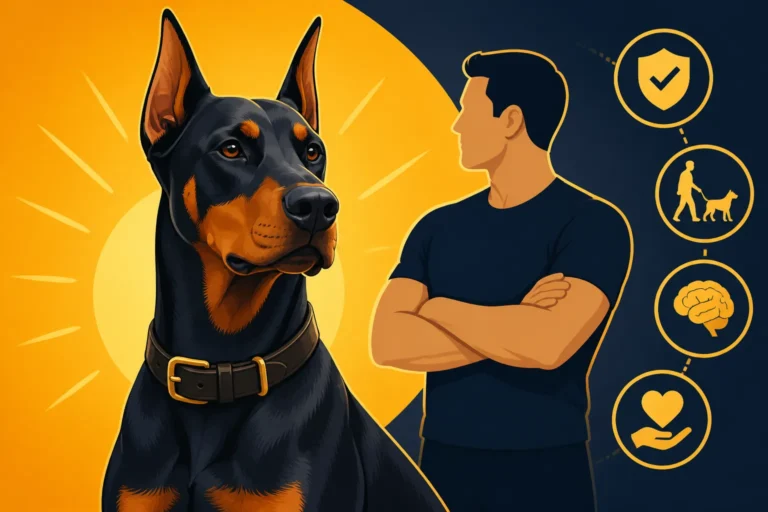
First-time Doberman owners learn the mental engagement, consistent leadership, and lifelong training this sensitive, powerful working breed demands.

World War II Marine Corps Dobermans served in the Pacific Theater as jungle warfare specialists and military assets.

Doberman working dogs serve police and military forces globally, using their intelligence, physical strength, and bravery.
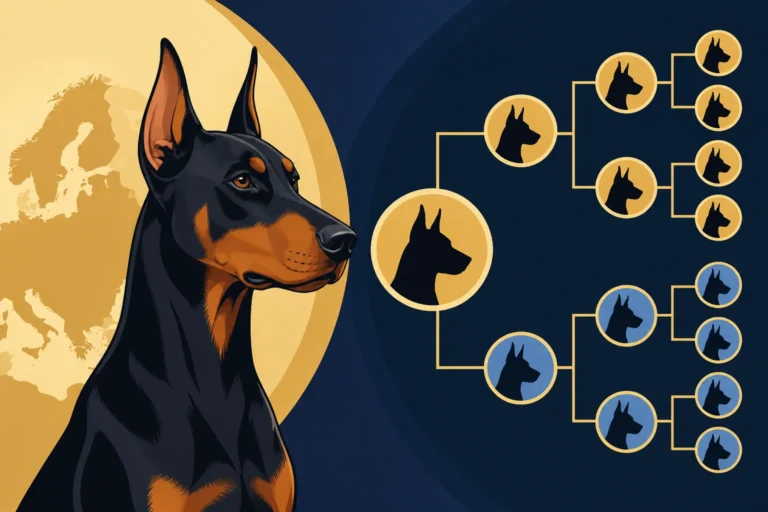
European Doberman working titles explain the letters and numbers on pedigrees, showing a dog’s intelligence and training abilities.
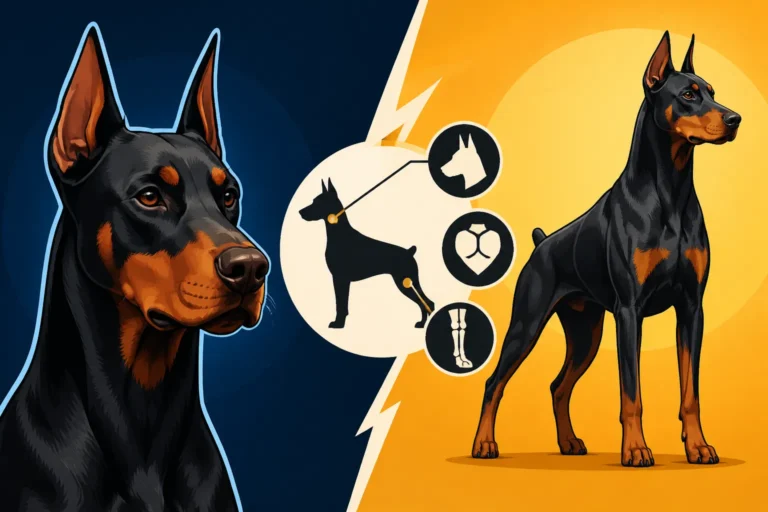
European Doberman bone structure, heavy skeletal mass, and deep chest proportions compared with the American line.
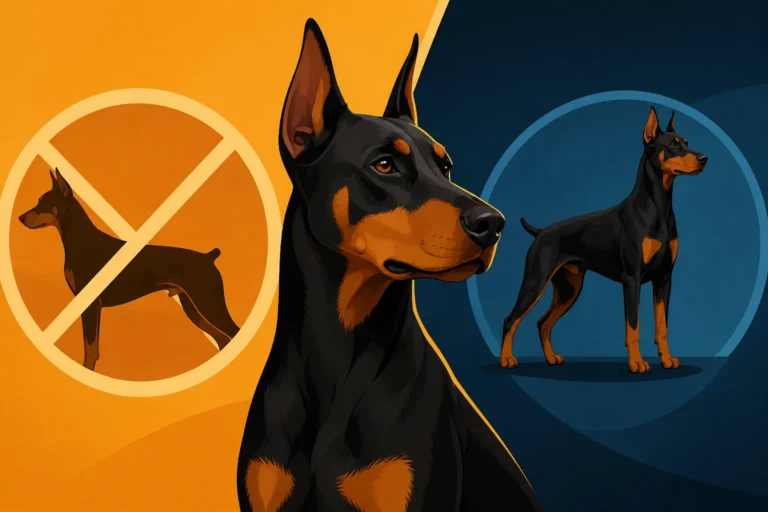
Karl Dobermann and the 1900 German Doberman Standard explain why puppies have docked tails at three to five days old.
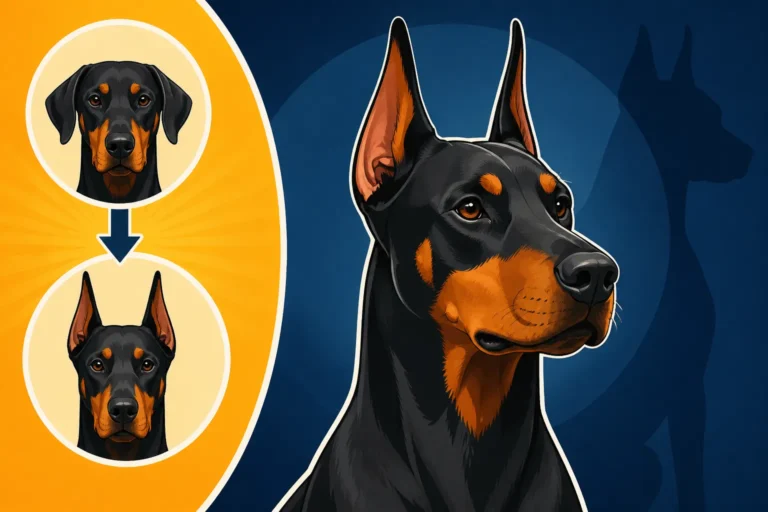
Doberman ear cropping history, the American Kennel Club standard, surgery practicalities, and weeks of aftercare are examined.