Harnesses That Hold a Strong Doberman
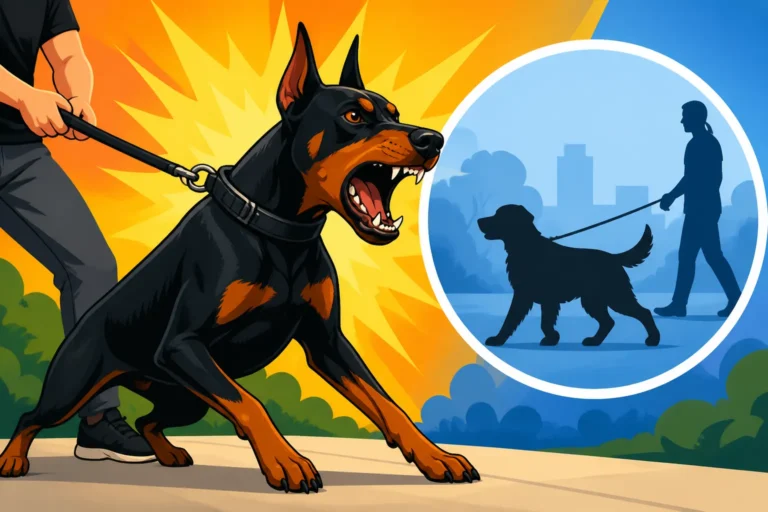
One of the most common frustrations Doberman owners face is the sheer power these incredible dogs possess on a leash. You might have found yourself being pulled down the street, feeling more like a water skier than someone enjoying a leisurely walk with their beloved companion. It’s disheartening when you’re trying your best, but your Doberman's enthusiasm (or sudden squirrel-spotting prowess) makes every outing a struggle. This guide is here to help you navigate the world of harnesses, understanding which types are designed to safely and effectively manage your Doberman's strength, making walks enjoyable for both of you.
Why a Standard Harness Just Isn't Cutting It for Your Doberman
Let's be honest, those cute, flimsy harnesses designed for smaller, less driven breeds? They just don't stand a chance against a Doberman. You’ve probably already discovered this the hard way, perhaps with a broken buckle, a stretched strap, or a sudden lunge that nearly pulled your arm out of its socket. Dobermans aren't just big; they're built for power and purpose, and their equipment needs to match that.
The Doberman's Powerful Build and Drive
Dobermans are athletes, plain and simple. They were originally bred to be formidable guardians, capable of covering ground quickly and holding their own. This means they possess an incredibly muscular, deep-chested build, with powerful shoulders and hindquarters designed for bursts of speed and sustained effort. When that power is channeled into pulling on a leash, it can feel like trying to hold back a small horse. You’re not imagining it; your Doberman is indeed a powerhouse.
Think about it: an 80-pound Doberman, especially one in its prime, can exert an enormous amount of force. If they spot a rabbit, another dog, or just get excited about a new smell, that impulse to lunge forward is incredibly strong. A collar, even a well-fitting one, can put immense pressure on their neck and throat, which is not only uncomfortable and potentially damaging for them, but also offers minimal control for you. We often talk about Leash Manners for an Eighty-Pound Doberman, and the right equipment is absolutely foundational to teaching those manners. Without it, you're fighting an uphill battle.
Common Harness Problems: Chafing, Slipping, and Escape Artists
Many generic harnesses on the market are simply not designed with a Doberman's unique physique in mind. You might have encountered straps that dig into their delicate armpit skin, causing painful chafing, especially if your dog pulls consistently. This can lead to raw spots, infections, and a Doberman that actively resists wearing the harness, making your job even harder. No one wants their dog to be in pain, and those red, irritated patches are a clear sign something isn't working.
Then there's the slipping. Dobermans have sleek, short coats, and a harness that isn't snug enough in the right places can easily shift. A poorly fitted harness allows your Doberman to twist and contort their body, sometimes backing right out of it in a panic or a moment of excitement. Imagine your Doberman slipping their harness on a busy street – it's a terrifying thought that keeps many of us up at night. These aren't just minor inconveniences; they're significant safety concerns that demand a better solution. The frustrations are real, and they stem from a mismatch between the dog's build and the equipment.
Understanding Different Harness Types for Dobermans
When you're dealing with a dog as strong and intelligent as a Doberman, choosing the right harness isn't just about aesthetics; it's about function, safety, and effective communication. There's a whole world beyond the basic back-clip models, each offering different benefits and levels of control.
Front-Clip Harnesses: The Game Changer for Leash Pullers
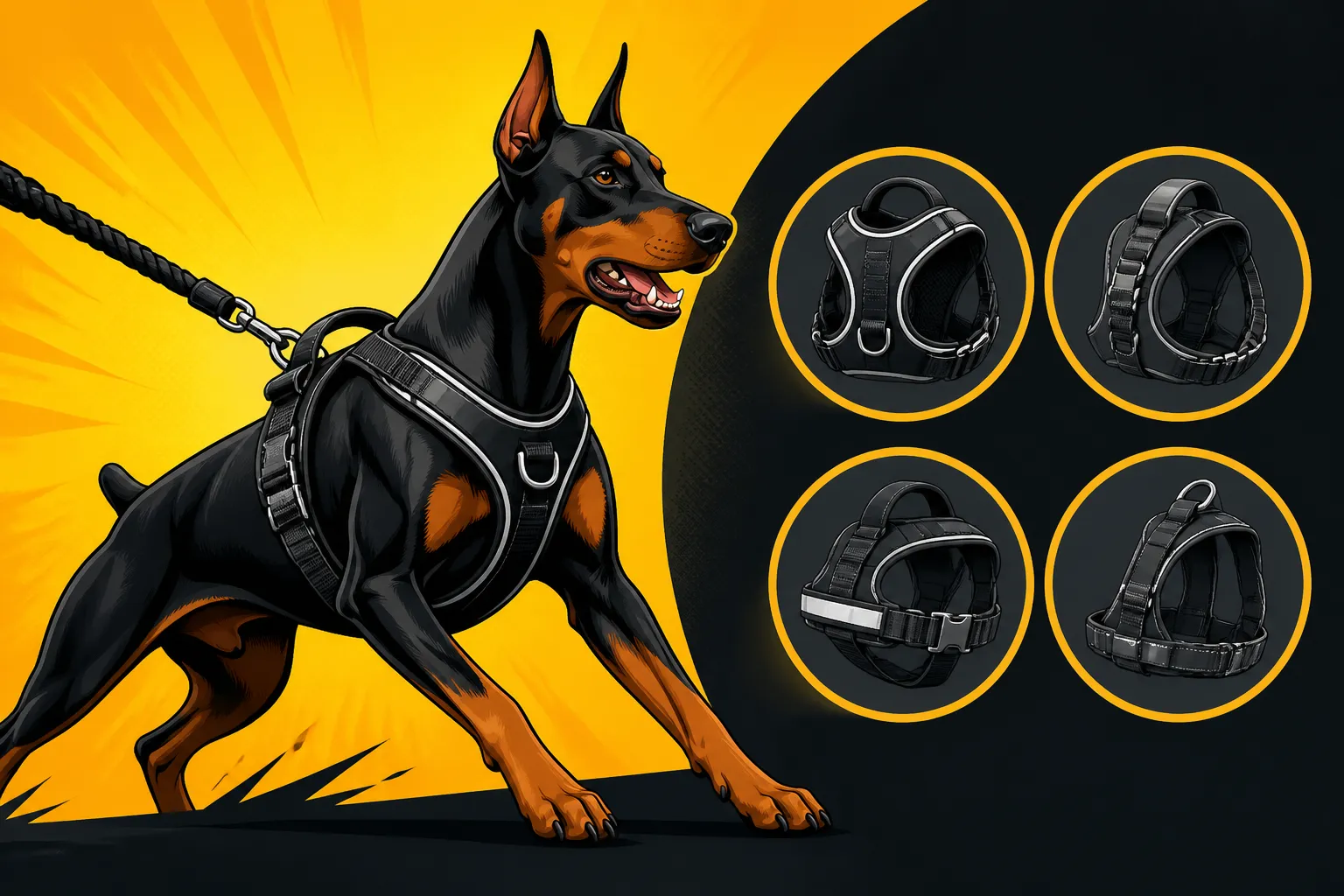
For many Doberman owners grappling with a strong puller, a front-clip harness can feel like a revelation. Instead of the leash attaching to a ring on their back, it clips to a ring located on the front of their chest, right over their sternum. The magic here is simple: when your Doberman pulls forward, the leash connection redirects their momentum to the side, gently turning them back towards you. This makes it incredibly difficult for them to get leverage and pull with their full body weight. It's a mechanical advantage for the human, and a subtle, non-aversive correction for the dog.
The beauty of these harnesses is that they work with the dog's natural movement, rather than against it. They don't cause discomfort in the neck or throat like a collar can, and they encourage your Doberman to stay beside you. While no harness is a substitute for consistent training, a front-clip model can provide invaluable assistance, especially during those adolescent months when a Doberman is really testing boundaries. You'll find a wide variety of these on platforms like Amazon, from basic webbing designs to more padded, ergonomic options. However, it's crucial that they fit well; an ill-fitting front-clip harness can sometimes twist or rub, so thorough measurement is key.
Back-Clip Harnesses: Best for Established Walkers and Comfort
Back-clip harnesses are perhaps the most common type you see. The leash attachment point is located on the dog's back, usually between the shoulder blades. For a Doberman that already has excellent leash manners, or for smaller, less powerful dogs, these harnesses are fantastic. They distribute pressure comfortably across the chest and back, and they allow for a full range of motion without any interference from the leash in the front. They're often preferred for activities like hiking or running where a dog isn't expected to pull, and you want maximum comfort.
However, for a Doberman that does pull, a back-clip harness can inadvertently reinforce the pulling behavior. Think of it like a sled dog harness: the attachment point on the back allows them to lean into the pull with their entire body. This isn't to say back-clip harnesses are bad; they just need to be used with the right dog and the right training foundation. If your Doberman has mastered loose-leash walking and you're looking for something that prioritizes comfort and freedom of movement, this style can be an excellent choice. But if you're still working on those foundational skills, you might find yourself back to square one.
Dual-Clip Harnesses: The Versatile Option
For those who want the best of both worlds, or whose Doberman's pulling behavior is inconsistent, a dual-clip harness offers incredible versatility. These harnesses feature both a front clip and a back clip. This means you can choose how you want to walk your Doberman on any given day or for any particular situation. For instance, if you're in a busy area where you anticipate distractions and potential lunges, you can use the front clip for maximum control. If you're on a quiet trail and your Doberman is walking beautifully, you can switch to the back clip for a more relaxed, comfortable experience.
Some owners even use a double-ended leash, attaching one end to the front clip and the other to the back. This provides a truly remarkable level of control and stability, distributing pressure even more evenly and giving you multiple points of contact. It's especially useful for Dobermans undergoing rehabilitation from injury, or those who need extra guidance during intense training sessions. Think of this as the Swiss Army knife of harnesses—ready for whatever your day with your powerful Doberman throws at you. For a breed as intelligent and adaptable as the Doberman, having options in your training toolkit is always a plus. Training a Doberman That Is Smarter Than You Expect often means having the right tools to communicate effectively.
Key Features to Look For in a Doberman Harness
Once you've decided on the general type of harness you need, it's time to dive into the specifics that truly make a harness suitable for a Doberman. These aren't just minor details; they are critical for your dog's comfort, safety, and the overall effectiveness of the harness.
Fit and Adjustability: Preventing Discomfort and Escapes
This is, without a doubt, the most important aspect. A Doberman has a deep chest and a sleek body, meaning a "one size fits all" approach simply won't work. You need a harness with multiple adjustment points – ideally around the neck, chest, and girth – to ensure a snug, customized fit. When you fit the harness, you should be able to comfortably slide two fingers under the straps at any point, but no more. Any looser, and your Doberman might become an escape artist; any tighter, and it's uncomfortable and could cause chafing.
Pay particular attention to the straps around the armpits. A Doberman's skin in this area is sensitive, and constant rubbing from poorly placed or unpadded straps can lead to painful sores. Look for harnesses that either avoid this area or offer generous padding, like neoprene or fleece, to prevent irritation. Remember, a Doberman won't walk happily if they're constantly uncomfortable. If they start trying to chew off their harness or rub against everything, it's a sure sign the fit is off. How a Doberman Behaves When You Come Home might be pure joy, but a walk with a badly fitting harness will quickly sour that enthusiasm.
Durability and Materials: Standing Up to Doberman Strength
Dobermans are strong. They are powerful dogs, and they need equipment that can stand up to that power day in and day out. Flimsy buckles or thin webbing simply won't cut it. Look for harnesses made with heavy-duty nylon or similar robust materials. The stitching should be reinforced, especially at stress points where straps connect to rings. Metal hardware, like D-rings and buckles, is generally more durable than plastic, though high-quality plastic buckles can be acceptable if they're rated for large, strong dogs.
Consider the climate you live in, too. If you're often out in wet weather, look for materials that are quick-drying and won't absorb moisture, which can lead to odors or skin irritation. Even the best-behaved Doberman can have a moment of unexpected excitement, and you need a harness that won't fail when you need it most. Investing in a well-constructed harness is not just about longevity; it's about peace of mind knowing you have reliable control over your powerful companion.
Safety and Visibility: Day and Night Considerations
Safety extends beyond just holding your Doberman. Dobermans, with their dark coats, can disappear quickly in low light conditions. Look for harnesses that incorporate reflective stitching or strips to make your dog more visible to motorists and pedestrians during early morning or evening walks. Bright colors can also help, though many Doberman owners prefer classic black or red.
Beyond visibility, consider the overall design for safety. Are the attachment points secure? Does the harness have any loose straps that could snag? Some harnesses also feature a top handle, which can be incredibly useful for quickly gaining control in an emergency, or for helping your Doberman over an obstacle. This can be a lifesaver if you need to quickly bring your Doberman close, for instance, if another dog suddenly appears or if you’re navigating a crowded area. For instance, if you're trying to teach your Doberman to settle calmly in a public space, a quick grab handle can offer that extra bit of security without needing to yank on the leash.
| Harness Type | Pros for Dobermans | Cons for Dobermans | Best Use Case |
|---|---|---|---|
| Front-Clip | Reduces pulling, redirects momentum, no neck pressure | Can twist if ill-fitting, less comfy for established walkers | Teaching loose-leash walking, strong pullers |
| Back-Clip | Comfortable, full range of motion, easy to put on | Encourages pulling, less control for strong dogs | Dogs with good leash manners, casual walks, hiking |
| Dual-Clip | Versatile, offers front and back clip options | Can be bulkier, requires more adjustments | Inconsistent pullers, advanced training, maximum control options |
| Head Halter | Excellent immediate control over head direction | Can be disliked by some dogs, requires careful introduction | Extreme pullers, reactive dogs (with proper training) |
Training Considerations When Using a Harness
A harness, no matter how well-designed, is ultimately just a tool. It's a fantastic aid for managing a powerful Doberman, but it doesn't replace the fundamental need for consistent, positive reinforcement training. Think of it as a helpful aid on your journey to a well-behaved companion, not a magic bullet.
Introducing the Harness Positively
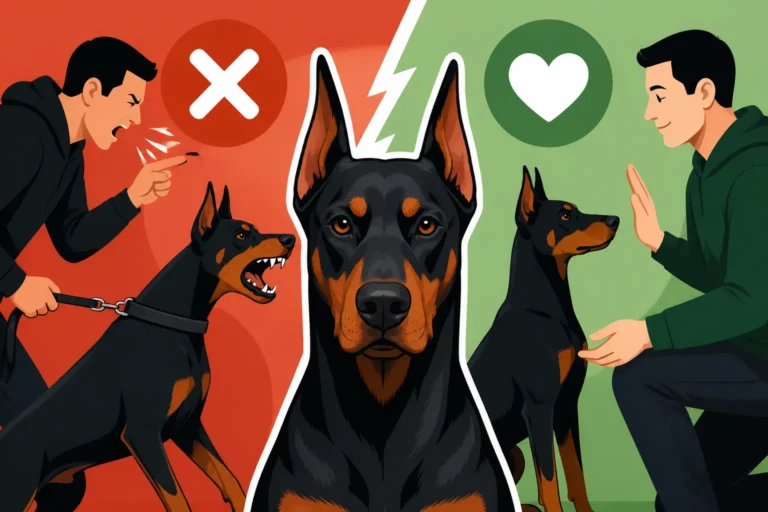
Dobermans are intelligent and sensitive. If their first experience with a new harness is uncomfortable or stressful, they're likely to develop an aversion to it. It's crucial to introduce any new equipment in a positive, gentle way. Start by simply letting your Doberman sniff the harness, offering treats and praise. Don't force it. The next step might be to drape it over their back for a few seconds, again with treats. Gradually, work up to buckling it on for short periods, always followed by something positive like a meal, a play session, or a short, happy walk.
Never rush this process. Some Dobermans might take to a new harness immediately, while others, especially those who’ve had bad experiences with equipment or vet visits, might need more time. The goal is for them to associate the harness with good things. Platforms like BAXTER & Bella offer valuable guidance and structured programs for integrating new equipment and training into your Doberman's routine, ensuring a smooth, stress-free transition. Remember, a calm, willing Doberman will learn much faster than a stressed one.
Combining Harnesses with Leash Training
While a good harness can significantly reduce pulling, it's not a substitute for teaching your Doberman how to walk politely on a leash. The harness gives you better control and prevents your Doberman from getting leverage, but the underlying lesson of loose-leash walking still needs to be taught. Continue to use positive reinforcement – rewarding your Doberman with treats, praise, or a favorite toy the moment they walk nicely by your side, with slack in the leash.
Consistency is paramount with a Doberman. They are quick learners, but they also test boundaries. Every walk, every outing, is an opportunity to reinforce those good habits. If you only focus on training intermittently, your Doberman will quickly figure out when they can get away with pulling. A combination of the right equipment, like a well-fitting front-clip harness, and consistent training will yield the best results. Over time, you'll find that your Doberman understands the expectation, and walks will become a joyous shared experience, not a wrestling match. This is crucial for building a strong bond and ensuring your Doberman is a confident, well-adjusted companion, whether you're working on Keeping a Doberman Mentally Tired through structured walks or just enjoying a casual stroll.
Disclaimer
This article is for general informational purposes only and does not constitute professional advice. Laws, prices and regulations vary by location and change over time. Consult a qualified professional for guidance on your specific situation.