Von Willebrand as a Pre-Existing Doberman Condition
It's incredibly frustrating when you're doing your best to prepare for a Doberman, researching their health concerns, only to hit a brick wall with pet insurance because a known genetic condition like Von Willebrand Disease might be deemed "pre-existing." This guide is here to walk you through what Von Willebrand Disease means for your Doberman and, crucially, how it impacts securing pet insurance coverage, so you can plan effectively without unpleasant surprises.
Understanding Von Willebrand Disease in Dobermans
Von Willebrand Disease, or VWD, is a topic many Doberman owners become intimately familiar with, often much sooner than they expected. It's a prevalent inherited bleeding disorder in our beloved breed, and understanding it is the first step toward proactive care.
What Exactly is Von Willebrand Disease?
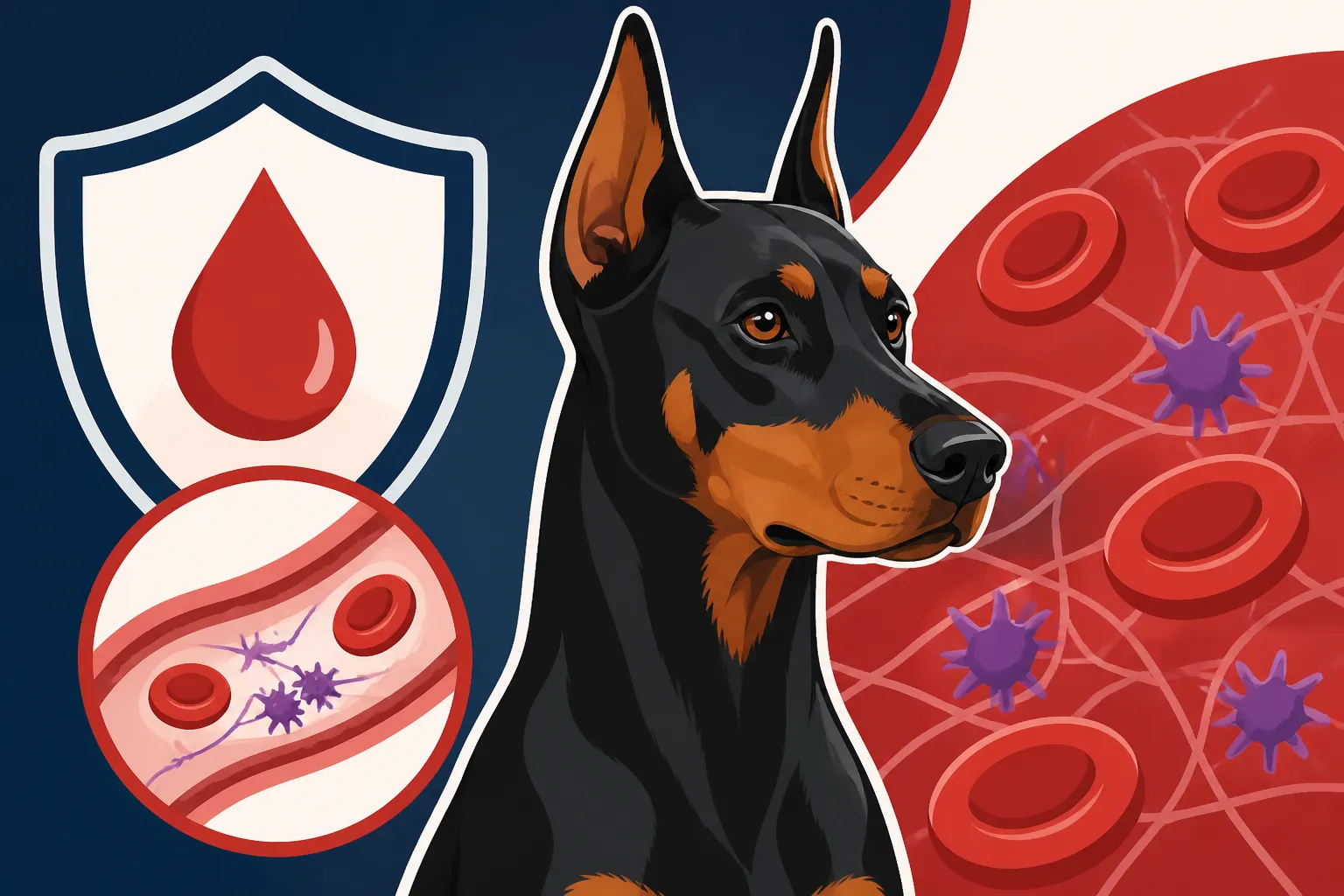
Imagine your Doberman gets a small cut, like a scraped paw from playing a little too hard. For most dogs, a blood clot forms quickly to stop the bleeding. In a Doberman with Von Willebrand Disease, this process doesn't work quite as efficiently. VWD is a genetic disorder where the blood lacks a specific protein called von Willebrand factor (vWF), which is essential for proper blood clotting. Think of vWF as the "glue" that helps platelets stick together and adhere to injured blood vessel walls, forming a plug to stop bleeding. Without enough of this glue, or if the glue isn't working right, clotting can be delayed or insufficient, leading to prolonged bleeding.
While there are different types of VWD in dogs, Dobermans primarily suffer from Type 1, which is generally the mildest form. This means they usually have reduced levels of vWF, rather than a complete absence of it. However, "mild" doesn't mean "insignificant." Even a mild reduction can cause serious issues in specific situations. Many Dobermans with VWD Type 1 might go their whole lives without a major bleeding episode, while others could experience significant complications from a routine surgery or a minor injury. It's a silent threat lurking in the background for many. If you're looking into this more, you might find more comprehensive details on The Bleeding Disorder Almost Every Doberman Line Carries.
How Dobermans Inherit Von Willebrand
VWD Type 1 in Dobermans is inherited in what's known as an autosomal recessive pattern. This sounds complicated, but let's break it down simply. It means that a Doberman needs to inherit two copies of the affected gene – one from each parent – to actually express the disease (meaning they are "affected" and produce insufficient vWF).
However, it's not quite that straightforward with Dobermans and VWD Type 1. While officially considered recessive, the presence of even one copy of the gene (making a dog a "carrier") can sometimes lead to lower vWF levels than a "clear" dog. Here’s a quick breakdown of genetic statuses:
- Clear: The Doberman has two normal copies of the gene and will not develop VWD, nor will they pass it on to their offspring.
- Carrier: The Doberman has one normal copy and one affected copy of the gene. They usually do not show clinical signs of the disease themselves, but they can pass the affected gene to 50% of their offspring. This is where things get tricky for insurance, as a carrier might still have lower vWF levels than a clear dog.
- Affected: The Doberman has two affected copies of the gene. They will have reduced vWF levels and are at risk for bleeding episodes. They will pass an affected gene to all their offspring.
Understanding these distinctions is crucial, not just for breeding decisions but for informing your vet and, as we'll discuss, for pet insurance. Knowing whether your Doberman is clear, a carrier, or affected can provide immense peace of mind or prepare you for potential challenges. You can delve deeper into what these statuses mean in practice by reading Clear, Carrier and Affected Doberman Results.
Recognizing the Signs of a Bleeding Disorder
One of the challenging aspects of VWD Type 1 in Dobermans is that the signs can be quite subtle or only appear under specific circumstances. Many affected Dobermans lead perfectly normal lives with no obvious symptoms until something triggers a bleeding event.
Common signs that might indicate a bleeding disorder include:
- Frequent Nosebleeds: This isn't just a random sniffle. We're talking about unprovoked nosebleeds that are hard to stop or occur regularly.
- Easy Bruising: You might notice bruises appearing on your Doberman's skin with minimal trauma, perhaps just from a rough play session or bumping into furniture. These might look like darker patches under their thin coat.
- Prolonged Bleeding After Injury: A minor cut that takes an unusually long time to stop bleeding, or a wound that re-bleeds hours after it seemed to have closed.
- Excessive Bleeding During or After Surgery: This is often when VWD is first diagnosed. Routine procedures like spaying, neutering, or even a dental cleaning can result in significant blood loss.
- Bleeding Gums: You might notice blood when your Doberman chews on a toy or after brushing their teeth. Check out Nosebleeds and Gum Bleeding in a Doberman for more information on these specific symptoms.
- Blood in Urine or Stool: While less common for VWD Type 1, internal bleeding can manifest this way.
It's vital to remember that not all Dobermans with VWD will show all these signs, or any signs at all, until a critical moment. This silent nature is precisely why genetic testing and early insurance enrollment are so important.
The "Pre-Existing Condition" Predicament
This is where the rubber meets the road for many Doberman owners. You want to protect your beloved companion, but the definition of a "pre-existing condition" by pet insurance companies can feel like a minefield, especially with a genetic predisposition like VWD.
What Constitutes a Pre-Existing Condition for Pet Insurance?
In the world of pet insurance, a "pre-existing condition" generally refers to any illness or injury that your Doberman showed signs of, or was diagnosed with, before your insurance policy officially started or during its waiting period. This definition can vary slightly between providers, but the core principle remains consistent. It doesn't matter if you knew about the condition or not; if the symptoms were present before your policy's effective date, it's typically considered pre-existing.
For genetic conditions like Von Willebrand Disease, this can be particularly tricky. If your Doberman is diagnosed as "affected" with VWD via a genetic test before you enroll in a policy, or if they exhibit any bleeding symptoms that lead to a diagnosis during the waiting period, that condition—and any related issues—will almost certainly be excluded from coverage. This means any vet bills for VWD-related treatments, medications, or emergency care will fall squarely on your shoulders. Some policies even consider conditions that are "suspected" or "likely" to be pre-existing based on vet notes, even without a formal diagnosis.
It's a frustrating reality for many. You’re trying to be responsible and proactive, but the very act of seeking a diagnosis or even noticing a subtle symptom can lock you out of coverage for that specific issue.
The Impact of a VWD Diagnosis on Insurance Coverage
Let's say you've had your Doberman for a few years, and you decide to get them tested for VWD, or perhaps they have an unexpected bleeding event during a routine dental procedure, leading to a VWD diagnosis. If this diagnosis occurs before you enroll in a pet insurance policy or during the initial waiting period of a new policy, Von Willebrand Disease will almost certainly be classified as a pre-existing condition.
What does this mean for you? It means that any future veterinary care directly related to VWD – whether it's managing a spontaneous bleeding episode, specialized transfusions, or even prophylactic treatments before surgery – will not be covered by that insurance policy. You would be responsible for 100% of those costs out of pocket. This can quickly add up, especially if a Doberman needs emergency care for significant blood loss or requires specific medications to manage their clotting ability. It’s a similar principle to how an abnormal heart result can affect coverage for DCM; once known, it's often excluded. For more on this, consider reading Why a Doberman Heart Result Ends Coverage.
The financial burden can be substantial, transforming a manageable monthly premium into potentially thousands of dollars in unexpected vet bills for a condition that, with early planning, might have been at least partially covered. This scenario underscores why understanding VWD and timing your insurance enrollment is so critical for Doberman owners.
Navigating Pet Insurance with a Doberman and VWD Risk
Given the prevalence of VWD in Dobermans and the strict rules around pre-existing conditions, a strategic approach to pet insurance is not just recommended, it's practically essential for this breed.
The Importance of Early Genetic Testing
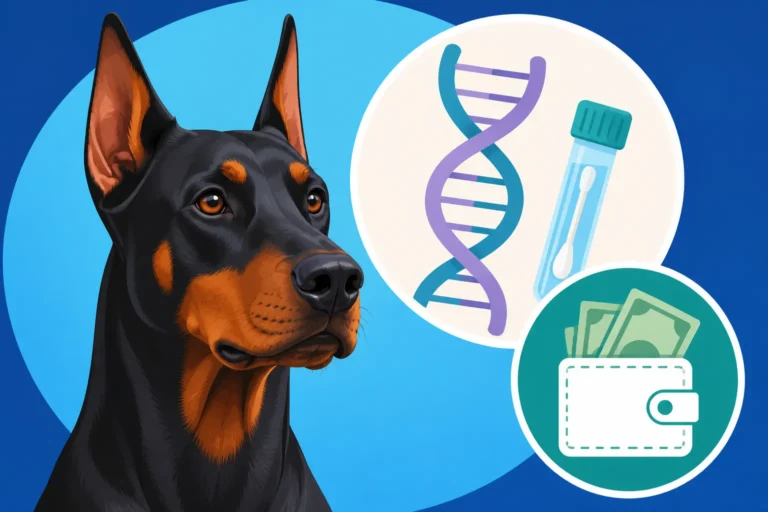
One of the most powerful tools in your arsenal against the pre-existing condition dilemma for VWD is early genetic testing. Before you even bring a Doberman puppy home, and certainly before their first birthday, you should ideally know their VWD status.
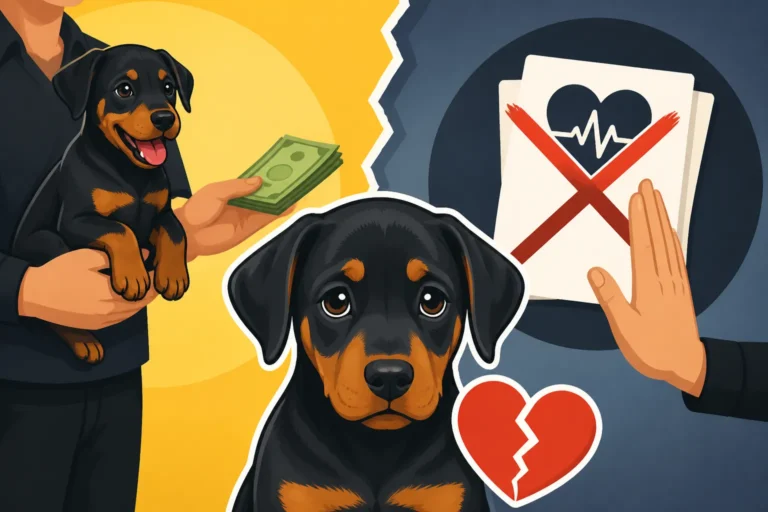
Reputable Doberman breeders should already be testing their breeding stock for VWD and be able to provide clear results for the parents, and often for the puppies themselves. When you are evaluating a puppy, ask to see proof of these tests. If the puppy's parents are both "clear," then the puppy will also be "clear" by parentage. If one parent is a carrier and the other is clear, or if both are carriers, then individual puppy testing becomes crucial to determine their status (clear, carrier, or affected).
If your Doberman puppy tests "clear" for VWD before you enroll them in pet insurance and before any symptoms appear, then VWD will generally not be considered a pre-existing condition. This allows you to secure coverage for potential future VWD-related issues, should they arise unexpectedly (though for Type 1, if they test clear, it's highly unlikely they'll develop it). Knowing your Doberman's VWD status early empowers you to make informed decisions about their care and, significantly, their insurance. Detailed information on these tests can be found at The Von Willebrand DNA Test for Dobermans.
Some pet insurance providers, like Healthy Paws, are quite transparent about their definitions of pre-existing conditions and often have extensive FAQ sections explaining how genetic conditions are handled. While they (and others) won't cover a condition already known, getting a clear genetic test before coverage starts can protect you.
When to Enroll Your Doberman in Pet Insurance
The short answer: as early as humanly possible. The moment you bring your Doberman puppy home, or even before if the insurer allows, should be your cue to enroll them in pet insurance. Most pet insurance companies have waiting periods for accidents and illnesses, which typically range from a few days to a few weeks. Crucially, they also often have longer waiting periods (sometimes 6 months to a year) for orthopedic conditions or certain genetic issues.
By enrolling your Doberman as a young puppy, you maximize the chances that any potential health conditions, including VWD, will not have manifested or been diagnosed before your policy becomes active and all waiting periods have passed. If your Doberman is clear on their genetic test and you get them insured before any symptoms appear or diagnosis is made, then VWD should not be considered pre-existing. This proactive step can save you immense financial stress down the line. It's similar to the advice given for heart screening; getting them covered before any issues are detected is paramount, as discussed in Getting a Doberman Covered Before the First Echo. Every day you wait after acquiring your Doberman is another day an unforeseen symptom or diagnosis could arise and classify a condition as pre-existing.
Comparing Insurance Providers for Genetic Conditions
Not all pet insurance policies are created equal, especially when it comes to genetic conditions like Von Willebrand Disease. It's crucial to do your homework and compare providers carefully.
Here's what to look for and questions to ask:
- Definition of Pre-Existing Conditions: Understand their precise definition. Do they distinguish between curable and incurable pre-existing conditions? For VWD, an incurable genetic condition, their stance is vital.
- Genetic Condition Coverage: Some policies might cover genetic conditions if they are not pre-existing (i.e., symptoms or diagnosis happened after waiting periods). Others might have specific exclusions or limitations.
- Waiting Periods: Pay close attention to waiting periods for illnesses, particularly any extended periods for genetic or hereditary conditions.
- Bilateral Conditions: Some policies might exclude the other limb or organ if one side develops a condition (e.g., if one hip has dysplasia, they might exclude the other). While VWD isn't typically bilateral, understanding this indicates the insurer's general approach to pre-existing conditions.
- Hereditary vs. Congenital: Understand how they differentiate. Hereditary conditions are inherited; congenital conditions are present at birth. VWD is both.
- Veterinary Exam Requirements: Some insurers require a full vet exam shortly before or after enrollment to establish a baseline of health. Ensure you comply to avoid claim denials.
- Reimbursement Levels, Deductibles, and Annual Limits: These fundamental aspects determine your out-of-pocket costs, regardless of the condition.
Many online platforms, like Chewy, offer comparisons of different pet insurance plans, allowing you to filter and review policies side-by-side. It’s a good starting point to gather information on various providers and their coverage specifics for hereditary conditions.
Here’s a simplified table comparing hypothetical approaches:
| Feature | Insurer A (Standard) | Insurer B (More Flexible) | Insurer C (Budget) |
|---|---|---|---|
| Pre-Existing VWD | Always Excluded | Excluded if diagnosed before enrollment/WPs | Always Excluded |
| Genetic Condition Coverage | Yes, if not pre-existing | Yes, with no specific waiting period | Limited coverage for genetic conditions |
| Illness Waiting Period | 14 days | 14 days | 30 days |
| Hereditary Condition Specific Waiting Period | 6 months | None, falls under general illness WPs | 12 months |
| Annual Limit | $10,000 | Unlimited | $5,000 |
| Reimbursement | 80% | 90% | 70% |
This is just an example, and policies change, so always check the current terms directly with any provider you consider. The key is to find a policy that clearly outlines its stance on genetic and hereditary conditions and allows for coverage if your Doberman is tested clear and enrolled early.
Living with a Doberman Affected by Von Willebrand
Even if your Doberman is affected by Von Willebrand Disease, either as a carrier with lower factor levels or with a full diagnosis, it doesn't mean a life of constant worry. With proactive management and careful planning, your Doberman can still lead a full and happy life. It simply means you need to be a little more vigilant and communicate effectively with your veterinary team.
Proactive Management and Care
The cornerstone of living with a VWD-affected Doberman is minimizing the risk of bleeding events and being prepared if one occurs.
- Careful Handling: While Dobermans are robust, try to avoid situations where they might sustain deep cuts or punctures. This isn't about coddling them, but common sense. Be mindful during rough play with other dogs, or when exploring dense brush that could cause scrapes.
- Inform All Professionals: Every veterinarian, veterinary technician, groomer, or pet sitter who cares for your Doberman must be aware of their VWD status. This information needs to be prominently displayed in their medical record.
- Medication Awareness: Certain medications can interfere with blood clotting and should be avoided or used with extreme caution in VWD-affected dogs. Non-steroidal anti-inflammatory drugs (NSAIDs) like aspirin, ibuprofen, and even some common prescription pain relievers can worsen bleeding. Always consult your vet before giving any new medication or supplement.
- Emergency Preparedness: Have a first aid kit handy, including pressure bandages and clotting agents if recommended by your vet. Know the nearest emergency vet clinic and ensure they are aware of your Doberman's condition in advance if possible. For tips on handling a bleed at home, you might find Managing a Doberman Bleed at Home helpful.
- Regular Vet Check-ups: Maintain a schedule of regular veterinary visits to monitor your Doberman's overall health and discuss any new concerns.
Preparing for Necessary Procedures
One of the most critical times for a VWD-affected Doberman is when they need surgery or a dental procedure, even routine ones. This is when the risk of excessive bleeding is highest.
- Pre-Surgical Screening: Before any planned surgery, your vet should perform a Buccal Mucosal Bleeding Time (BMBT) test. This simple test measures how long it takes for a small, standardized cut on the inside of the lip to stop bleeding. An abnormally long BMBT indicates impaired clotting and can confirm the need for precautions. Even if your Doberman has a VWD genetic test result, a BMBT gives a real-time assessment of their clotting ability on the day of surgery.
- Desmopressin (DDAVP): This medication can be a lifesaver. Desmopressin acetate (DDAVP) can be administered intravenously before surgery to temporarily increase the release of vWF from the body's storage sites, thus improving clotting function. It's often used as a prophylactic measure in VWD-affected Dobermans undergoing surgery.
- Fresh Frozen Plasma (FFP): In severe cases or for major surgeries, a transfusion of fresh frozen plasma might be necessary. FFP contains von Willebrand factor and other clotting factors, providing immediate support to the blood's clotting ability.
- Careful Anesthesia: Anesthetic drugs should be chosen carefully to avoid those that might exacerbate bleeding or lower blood pressure unnecessarily.
Open and thorough communication with your veterinary surgeon and their team is paramount. Ensure they have a clear plan for managing potential bleeding complications during and after the procedure. For more on surgical considerations, check out Surgery on a Doberman With a Clotting Problem.
Dietary Considerations and Supplements
While no specific diet or supplement can "cure" Von Willebrand Disease, supporting your Doberman's overall health through good nutrition is always beneficial.
- Balanced, High-Quality Diet: Provide a complete and balanced diet appropriate for your Doberman's age, activity level, and any other health needs. High-quality protein and essential nutrients support overall physiological function, including blood health. Brands like Ollie, which focus on fresh, whole ingredients, can be excellent choices for overall nutrition, though they don't offer VWD-specific benefits.
- Omega-3 Fatty Acids: Some anecdotal evidence suggests that Omega-3 fatty acids (EPA and DHA) found in fish oil might have a mild anti-inflammatory effect and potentially improve platelet function. However, always discuss with your vet before adding any supplements, as high doses of certain Omega-3s can, paradoxically, reduce clotting in some individuals.
- Avoid Unknown Supplements: Be very cautious about "herbal" or "natural" supplements that make grand claims about improving blood clotting. Without scientific evidence and veterinary approval, these can be ineffective at best and harmful at worst, especially if they interact with the blood clotting cascade. Stick to what your veterinarian recommends.
- Hydration: Ensure your Doberman always has access to fresh, clean water. Good hydration supports all bodily functions, including circulation.
Always remember, dietary changes and supplements should be discussed with your veterinarian to ensure they are safe and appropriate for your Doberman's specific health needs, especially when dealing with a condition like VWD.
Disclaimer
This article is for general informational purposes only and does not constitute professional advice. Laws, prices and regulations vary by location and change over time. Consult a qualified professional for guidance on your specific situation.