Rehabilitation Costs After Doberman Spinal Surgery
The moment your Doberman is diagnosed with a spinal issue requiring surgery, it's a gut punch. You brace yourself for the surgical bills, but what many Doberman parents don't fully anticipate is the marathon that follows: rehabilitation. This isn't just a few weeks of rest; it's a structured, often long-term commitment that comes with its own significant financial considerations, and this guide is here to walk you through understanding and preparing for those costs.
The Hidden Costs Beyond Doberman Spinal Surgery Itself
You’ve gone through the stress of diagnosis, the agonizing wait for surgery, and the sheer relief when your Doberman comes out of the operating room. It feels like the biggest hurdle is over, doesn't it? But then your vet or veterinary neurologist starts talking about weeks, maybe months, of physical rehabilitation. This isn't an optional extra; for many spinal conditions in Dobermans, especially something like Wobbler Syndrome in the Doberman or intervertebral disc disease (IVDD), rehabilitation is absolutely critical for maximizing recovery, preventing setbacks, and restoring as much function as possible. The initial surgery might fix the immediate problem, but without proper rehabilitation, your Doberman's muscles can atrophy, joints can stiffen, and nerve pathways might not fully reconnect.
The sticker shock from the surgery itself can be immense, but the rehabilitation costs often creep up on you, draining your reserves little by little over time. It’s not just a single bill; it’s a series of ongoing appointments, specialized therapies, medications, and equipment you might never have considered. People often assume that once the surgery is done, it's just a matter of time and rest, but a Doberman’s athletic build and propensity for certain conditions mean a hands-on, active recovery is usually paramount. This journey can feel overwhelming, not just emotionally, but financially, as you try to balance your dog’s best interests with your budget.
Decoding the Different Types of Rehabilitation and Their Price Tags
When it comes to Doberman spinal rehabilitation, there isn't a one-size-fits-all approach. Your veterinary rehabilitation specialist will craft a personalized plan based on your Doberman's specific injury, surgical outcome, and individual progress. Each type of therapy has its own cost structure, and often, a combination is used to achieve the best results.
Hydrotherapy and Underwater Treadmill Sessions
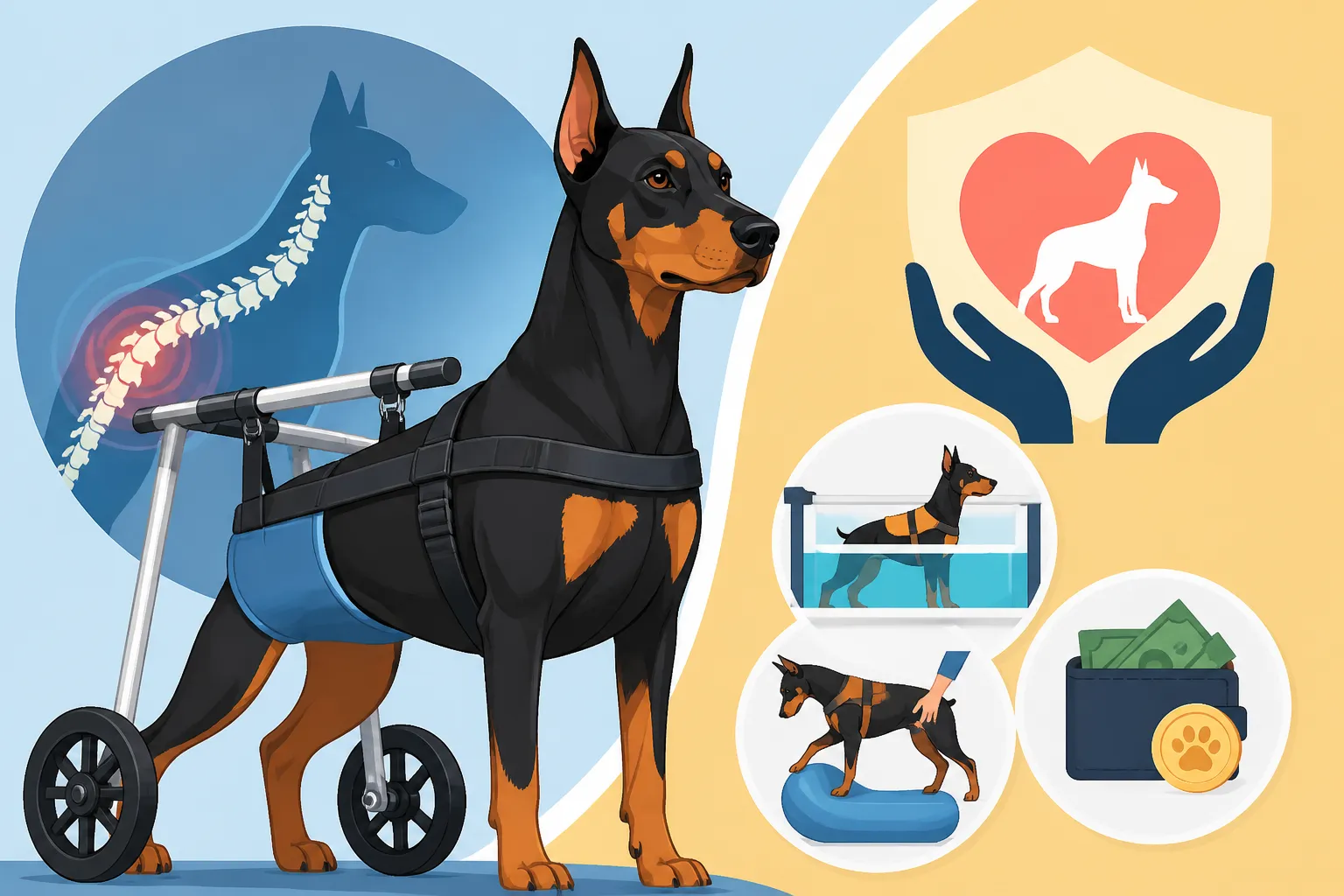
One of the most common and effective rehabilitation tools for spinal patients is hydrotherapy, often using an underwater treadmill. The buoyancy of the water reduces weight-bearing stress on the spine and joints, allowing your Doberman to move and rebuild muscle strength without pain or excessive strain. The warm water also helps to relax muscles and increase circulation. These sessions are usually supervised by a certified canine rehabilitation therapist.
The cost for hydrotherapy can vary based on your location and the facility. Typically, you'll pay per session, and many places offer packages that reduce the per-session cost if you commit to several. A typical Doberman might need these sessions weekly or even twice a week for several months, gradually decreasing in frequency as they improve. Think about it like human physical therapy; it's a commitment that adds up.
Therapeutic Exercises and Manual Therapy
This category encompasses a wide range of hands-on techniques and specific exercises performed with your Doberman. It includes things like massage to alleviate muscle spasms, passive range of motion (PROM) exercises to maintain joint flexibility, stretching, and targeted strengthening exercises. These might involve balance boards, cavaletti poles (small hurdles), or specific controlled movements to re-engage weak muscles and improve proprioception (the sense of where the body is in space).
Therapeutic exercise sessions are also typically billed per session, and a Doberman might need these regularly, often in conjunction with hydrotherapy. The therapist will also teach you exercises you can do at home, which is invaluable but still requires the initial expert guidance. This is where you really see the dedication of a good rehab specialist, tailoring exercises that are specific to a Doberman's long frame and powerful musculature.
Advanced Modalities: Laser, Acupuncture, and More
Beyond the core therapies, many rehabilitation centers offer advanced modalities that can significantly aid recovery, often at an additional cost per session.
- Therapeutic Laser Therapy (Cold Laser): This non-invasive treatment uses specific wavelengths of light to reduce pain and inflammation, accelerate tissue healing, and improve nerve function. It's often used post-surgery to reduce swelling and promote incision healing, and then later to manage pain and promote deeper tissue repair. Many Doberman owners find this an invaluable tool for pain management and faster healing.
- Acupuncture: Based on traditional Chinese medicine principles, acupuncture involves inserting fine needles into specific points on the body to stimulate nerve function, release natural pain-relieving endorphins, and improve blood flow. For Dobermans recovering from spinal surgery, it can be particularly helpful for pain control and stimulating neurological recovery.
- Neuromuscular Electrical Stimulation (NMES): This uses electrical currents to stimulate muscle contractions, which can prevent muscle atrophy and re-educate muscles that have lost nerve input. It's especially useful in the early stages of recovery when voluntary movement is limited.
These specialized treatments can be very effective, but they add to the overall cost. A Doberman might receive laser therapy several times a week initially, then less frequently, while acupuncture might be a weekly or bi-weekly treatment.
Specialized Equipment and Mobility Aids
As your Doberman recovers, they might need temporary or long-term specialized equipment. This could include:
- Support Harnesses or Slings: Essential for assisting your Doberman with standing, walking, and going to the bathroom, especially in the early weeks post-surgery. These help prevent falls and give you control.
- Wheelchairs or Carts: For Dobermans with severe or permanent hind-end weakness, a custom-fitted wheelchair can restore mobility and quality of life. These are a significant investment but can be life-changing.
- Orthopedic Beds: A high-quality, supportive orthopedic bed is crucial to prevent pressure sores and provide comfort during long periods of rest. Brands like Healthy Paws, while an insurer, highlight the importance of preventive care, and a good bed falls under making your Doberman comfortable during recovery.
- Non-Slip Flooring: If you have slick floors at home, you might need to invest in rugs or non-slip mats to prevent slips and falls, which could re-injure the spine.
- Food and Water Bowls (Elevated): Depending on the spinal issue, bending down to eat or drink might be uncomfortable or detrimental. Elevated bowls can help maintain proper spinal alignment. You can find a good selection of these and other supplies on sites like Chewy.
Here's a simplified look at the typical components and their role in rehabilitation:
| Rehabilitation Component | Primary Benefit | Typical Frequency (Early Rehab) | Cost Implication |
|---|---|---|---|
| Hydrotherapy/Underwater Treadmill | Builds strength with reduced impact, improves gait | 1-2 times/week | Moderate to High |
| Therapeutic Exercises | Muscle strengthening, flexibility, proprioception | 1-3 times/week (clinic & home) | Moderate |
| Manual Therapy (Massage, PROM) | Pain relief, flexibility, muscle relaxation | Integrated into therapy sessions | Included/Moderate |
| Therapeutic Laser Therapy | Reduces pain, inflammation, promotes healing | 2-3 times/week initially | Moderate |
| Acupuncture | Pain control, nerve stimulation, neurological support | 1-2 times/week | Moderate |
| Neuromuscular Electrical Stimulation (NMES) | Prevents muscle atrophy, re-educates muscles | Integrated or 1-2 times/week | Moderate |
| Mobility Aids (Harnesses, Slings) | Support, fall prevention | Daily at home | Low to Moderate |
| Wheelchairs/Carts | Long-term mobility for severe cases | As needed | High |
| Medications & Supplements | Pain, inflammation, nerve support | Daily | Ongoing |
Note: Frequencies and costs are general estimates and will vary greatly based on individual needs and location.
Planning for the Long Haul: Ongoing Rehab and At-Home Costs
Spinal rehabilitation for a Doberman is rarely a quick fix. It's a journey that can last months, sometimes even a lifetime, especially for degenerative conditions. The initial intensive phase might transition into a long-term maintenance program, which still carries costs, albeit often lower ones, and requires significant commitment from you as the owner.
Maintenance Therapy and Check-ups
Even after your Doberman has made significant strides, they might still benefit from occasional maintenance sessions at a rehabilitation center. This could be monthly hydrotherapy, periodic laser treatments for flare-ups, or check-ups with the rehab specialist to ensure their progress is sustained. These are crucial for preventing regression and addressing any new compensations or issues that might arise. Much like how Screening an Older Doberman More Often becomes necessary, continued monitoring of a Doberman recovering from spinal surgery is equally vital.
Your regular veterinarian will also play a crucial role in monitoring your Doberman's overall health, managing pain medication, and coordinating with the rehabilitation specialist. These routine vet visits, bloodwork, and medication refills are ongoing costs that contribute to the long-term management of a Doberman with a history of spinal surgery.
At-Home Exercises and Environmental Modifications
A huge part of successful rehabilitation happens at home. Your therapist will teach you specific exercises, stretches, and techniques to continue daily. While you aren't paying a professional for every single repetition, your time is valuable, and consistency is key. You might need to purchase small pieces of equipment like exercise bands, balance discs, or specific therapeutic toys.
Beyond exercises, you'll likely need to make permanent modifications to your home environment. This could include ramps for stairs or to get into the car, elevating food bowls (as mentioned earlier), ensuring non-slip surfaces throughout the house, and possibly restricting access to furniture or certain areas to prevent jumping or strenuous activity. These changes, while an upfront cost, are investments in your Doberman's continued well-being.
Diet and Supplements for Recovery and Weight Management
Nutrition plays a vital role in recovery and long-term spinal health. During rehabilitation, your Doberman might have reduced activity levels, making weight management critical to avoid putting extra stress on their healing spine. Your vet or rehab specialist might recommend a specific diet, perhaps one lower in calories but still high in quality protein, or one with anti-inflammatory properties. Brands like Ollie offer fresh, customizable meal plans that could be beneficial for a Doberman needing careful dietary management, especially if their activity levels are reduced.
Supplements might also be recommended, such as omega-3 fatty acids for anti-inflammatory benefits, or joint support supplements containing glucosamine and chondroitin. While some of these can be purchased over the counter, always discuss them with your vet to ensure they are appropriate and won't interact with any existing medications. These supplements are an ongoing monthly expense.
Strategies to Manage the Financial Burden of Doberman Spinal Rehabilitation
Facing significant veterinary bills, especially for long-term conditions, can be daunting. However, there are several strategies you can employ to help manage the financial strain of Doberman spinal rehabilitation.
Pet Insurance: A Lifeline for Unexpected Costs
Pet insurance can be an absolute lifesaver when dealing with major medical events like spinal surgery and the subsequent rehabilitation. If your Doberman was insured before the spinal issue developed (as most policies consider such conditions pre-existing if diagnosed prior to coverage), a good policy could cover a substantial portion of your rehabilitation costs. Policies from providers like Healthy Paws often have comprehensive coverage for accidents and illnesses, which typically includes rehabilitation therapies like hydrotherapy, laser, and acupuncture when prescribed by a vet.
It's crucial to understand your policy's specifics: what percentage they cover, your deductible, and any annual limits. Remember that many policies won't cover pre-existing conditions, so insuring your Doberman early, ideally as a puppy, is the best preventive measure against these financial shocks. Having pet insurance can truly alleviate the stress of making medical decisions based solely on cost. For some Doberman owners, having a policy that covers Repeat Heart Scans Every Year for a Doberman and other breed-specific concerns is just as important as covering accident and illness.
Setting Aside Emergency Funds and Payment Plans
If pet insurance isn't an option, or even if it is, having a dedicated emergency fund for your Doberman's health is incredibly wise. You could set up a separate savings account and contribute to it regularly, specifically for veterinary expenses. This allows you to build up a buffer for unexpected costs, like those associated with extensive rehabilitation.
Many veterinary and rehabilitation clinics understand the financial pressures owners face and may offer payment plans. It's always worth asking if they have options to split large bills into more manageable installments. CareCredit and similar third-party financing options are also widely accepted and can provide interest-free periods if paid off within a certain timeframe.
Seeking Out Grants and Financial Aid Programs
There are various non-profit organizations and foundations dedicated to helping pet owners afford veterinary care. While these often have specific eligibility criteria and focus on particular types of conditions or financial hardships, it's always worth researching if there are any programs that could offer assistance for your Doberman's spinal rehabilitation. A simple online search for "veterinary financial aid" or "pet medical grants" can yield several possibilities. These programs are designed to help bridge the gap when owners are facing truly overwhelming costs.
Managing the rehabilitation costs after Doberman spinal surgery is undoubtedly a challenge, but with careful planning, understanding of the available resources, and unwavering dedication, you can provide your beloved Doberman with the best possible chance at a full and comfortable recovery. Knowing What a Doberman Costs Month to Month normally helps put the additional rehab costs into perspective.
Disclaimer
This article is for general informational purposes only and does not constitute professional advice. Laws, prices and regulations vary by location and change over time. Consult a qualified professional for guidance on your specific situation.