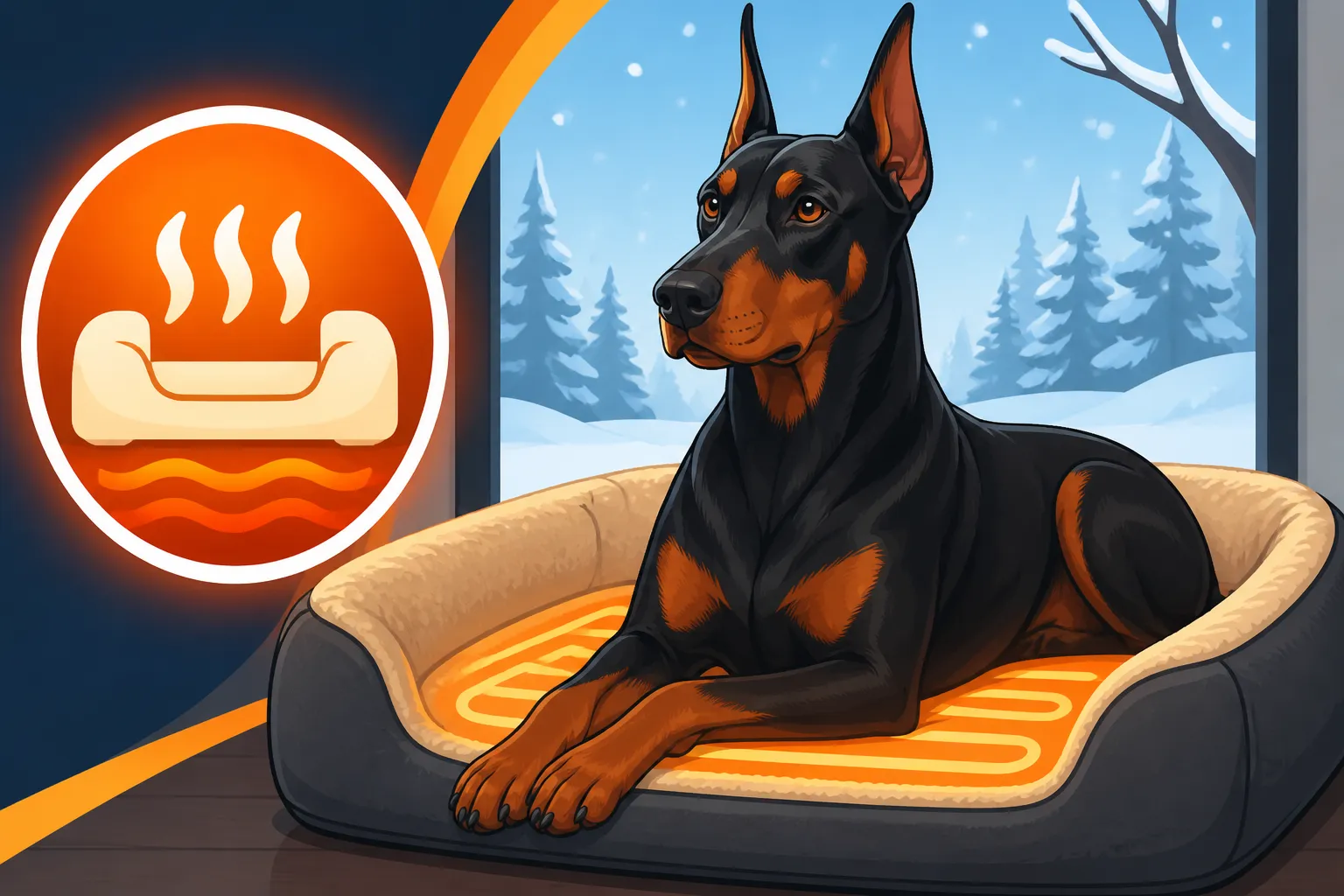
Heated Beds for a Doberman in Winter
If you're a Doberman owner, you know all too well that these elegant, short-coated companions aren't exactly built for arctic expeditions. Watching your beloved Dobe shiver through the colder months, or constantly seek out the warmest patch of sun or a spot right next to the heater, can be heartbreaking. This guide is here to help you understand why your Doberman feels the cold so intensely and how a heated bed can be a game-changer for their comfort and well-being during winter.
Why Dobermans Get So Chilly in Winter
It’s not just in your head—Dobermans genuinely struggle with cold temperatures more than many other breeds. There's a reason they become your personal "Velcro dog" when the thermostat drops, often burrowing under blankets or trying to squeeze onto your lap even if they weigh a solid eighty pounds. Understanding why they feel the chill so profoundly is the first step to keeping them cozy and content.
The Doberman's Unique Coat and Body Type
Our Dobermans are truly magnificent creatures, known for their sleek, powerful build and their distinctive, short coats. But that very coat, which is so striking, is also their biggest disadvantage when it comes to staying warm. Unlike many breeds that boast a thick, insulating double coat (think of a Golden Retriever or a Siberian Husky), Dobermans have a single, very short coat with virtually no undercoat to trap warm air against their skin. It's like wearing a thin t-shirt in winter – it offers very little protection.
Beyond their coat, consider their body type. Dobermans are incredibly lean and athletic, with minimal body fat. While this contributes to their impressive speed and agility, it means they don't have the natural layer of insulation that a stockier, heavier-boned breed might possess. Think of it this way: less fat means less natural padding against the cold, and more surface area relative to their body mass from which heat can escape. This is a common frustration for owners who see their Dobermans shivering even indoors when the house feels perfectly comfortable to a human. For more on keeping them warm, check out Winter Coats and Cold-Weather Gear for a Doberman.
Their physiology also plays a role. Their long legs and deep, narrow chests, while ideal for their working heritage, also mean a larger exposed surface area that can quickly lose heat. This isn't just about feeling a bit cool; it can lead to genuine discomfort, making them restless and unable to truly relax. You might notice them curling into a tight ball, a natural instinct to reduce their exposed surface and conserve body heat.
The Impact of Cold on Doberman Health and Comfort
The cold isn't just an inconvenience for a Doberman; it can genuinely impact their physical health and overall demeanor. Prolonged exposure to even moderate cold can lead to shivering, which, while a natural response to generate heat, also expends a lot of energy. If your Doberman is constantly shivering, they're likely burning calories just to stay warm, which isn't ideal for their energy levels or muscle maintenance. You might also notice stiffness, especially in the mornings or after they've been lying down for a while, as cold can exacerbate minor aches and pains.
For older Dobermans, or those with pre-existing conditions like arthritis or Doberman Hip Dysplasia, cold weather can be particularly unforgiving. The chill can penetrate deep into their joints, making movement more painful and reducing their willingness to exercise or even get up and move around the house. This can create a vicious cycle, where reduced movement further stiffens their joints and makes them more susceptible to the cold.
Beyond the physical, there's the psychological impact. A Doberman that is perpetually cold can become restless, anxious, or even withdrawn. They might struggle to settle down, constantly shifting positions, or whining softly. This isn't just a matter of spoiling them; it's about providing an environment where they feel secure, comfortable, and able to relax fully, which is crucial for their mental well-being. A constantly cold dog isn't a happy dog, and their comfort is paramount to their quality of life. Consider Bedding for an Old Doberman's Elbows for more on joint support.
The Benefits of a Heated Bed for Your Doberman
Given how sensitive Dobermans are to cold, a heated bed isn't just a luxury—it's often a necessity, especially during the colder months or if you live in a climate with significant temperature drops. It offers a multitude of benefits that go far beyond just "being warm."
Providing Consistent Warmth and Comfort
Imagine stepping out of a warm bath on a cold day; that initial shiver is exactly what your Doberman experiences far too often. A heated bed provides a consistent, gentle source of warmth that permeates through their thin coat and into their core. This isn't just about a momentary burst of heat; it's about maintaining a comfortable body temperature for extended periods, allowing them to truly relax and rest deeply. Unlike a regular bed, which quickly chills with their body heat, a heated bed actively works to keep them toasty.
This consistent warmth can make a huge difference in their overall demeanor. Instead of seeing your Doberman huddled in a tight ball, shivering, or constantly searching for a warmer spot, you'll likely find them stretched out, fully relaxed, and enjoying their personal haven. It’s their own little slice of summer, even when the snow is falling outside. This can be especially important for those cold mornings when the house is still warming up, providing them with a cozy retreat until the ambient temperature catches up.
It also means you don't have to crank up your home's thermostat to uncomfortable levels just to keep your Doberman from shivering. A heated bed offers targeted warmth, allowing them to regulate their own comfort without affecting the entire household's energy bill. This targeted approach is both efficient and highly effective for our heat-seeking companions.
Supporting Joint Health and Muscle Relaxation
As Dobermans age, or if they have inherited conditions like hip dysplasia or Wobbler Syndrome in the Doberman, cold can significantly aggravate their discomfort. The gentle heat from a heated bed acts much like a warm compress or a therapeutic hot pack. It increases blood flow to the muscles and joints, helping to relax tight tissues and reduce stiffness. This can be a huge relief for a dog with aching joints, allowing them to move more freely and with less pain.
For an older Doberman, getting up after a long nap can be a painful ordeal if they've been lying on a cold floor or an unheated bed. The warmth provided by a heated bed can make those transitions much smoother and less painful, encouraging them to remain active and mobile for longer. It's an investment in their long-term joint health and overall quality of life, acting as a preventative measure against chronic stiffness and discomfort. Learn more about senior Doberman care in Screening an Older Doberman More Often.
Even young, athletic Dobermans who might be prone to muscle soreness after intense exercise can benefit. The warmth aids in muscle recovery, helping to soothe any post-workout aches and preventing muscles from tightening up. It promotes better circulation, which is essential for carrying away metabolic waste products that contribute to muscle fatigue. It's a simple, passive therapy that can make a world of difference.
Enhancing Sleep Quality and Reducing Anxiety
A truly comfortable and warm sleeping environment is paramount for deep, restorative sleep. If your Doberman is constantly cold, they might spend the night restless, shifting, or even shivering, which prevents them from entering those deeper sleep stages vital for physical and mental rejuvenation. A heated bed eliminates this problem, allowing them to sink into a truly cozy slumber.
For Dobermans prone to anxiety, especially those with separation anxiety who might struggle when you leave the house, a heated bed can provide a sense of security and comfort. The consistent warmth can have a calming effect, creating a predictable and soothing spot for them to retreat to. It acts as a comforting presence, reducing the stress that might otherwise manifest as restlessness or destructive behavior. You might find your Doberman more settled and content when you return home if they've spent their alone time in their warm, safe haven. For more on separation anxiety, see A Doberman That Cannot Cope When You Go Out.
Furthermore, for Dobermans who are recovering from illness or surgery, maintaining a stable body temperature is crucial. A heated bed can provide that much-needed thermal support, helping them conserve energy for healing rather than expending it trying to stay warm. It's a simple yet powerful tool for aiding recovery and improving overall well-being.
Choosing the Right Heated Bed for Your Doberman
With so many options on the market, selecting the perfect heated bed for your Doberman might seem daunting. However, focusing on specific types, features, and practical considerations will ensure you make an informed decision that truly benefits your furry friend.
Types of Heated Beds and Their Features
Heated beds generally fall into a few categories, each with its own benefits. The most common are electrically heated beds. These beds contain low-voltage heating elements and often come with thermostats or timers, allowing you to control the warmth level and duration. Look for models with chew-resistant cords and automatic shut-off features for safety. Many reputable brands offer these, and you can often find a wide selection on platforms like Amazon or Chewy. These are fantastic for consistent, all-night warmth.
Then there are self-warming beds. These don't plug in, but instead use insulating materials or reflective layers to trap and reflect your Doberman's own body heat back to them. While they don't provide active heat, they can be a great option for Dobermans who aren't severely sensitive to cold or as a supplemental layer in an already warm room. They are also completely safe from an electrical perspective, which offers peace of mind. They are typically more affordable and often more portable.
Lastly, you might encounter microwaveable heating pads. These are typically gel or grain-filled pads that you heat in a microwave and then place under a regular bed or blanket. They offer short-term, intense warmth but cool down after a few hours. These can be useful for quick comfort on a chilly evening, but they won't provide overnight heat and require frequent reheating. They are perhaps best for a quick warm-up session rather than continuous comfort.
Size, Durability, and Washability Considerations
When choosing any bed for your Doberman, size is paramount, but especially so for a heated bed. A Doberman is a large, long-bodied dog, and they need a bed spacious enough for them to stretch out fully without any part of their body hanging off. A bed that's too small defeats the purpose, forcing them to curl up and not fully benefit from the warmth. Measure your Doberman from nose to tail while they're stretched out, and then add a few inches to ensure ample room. A good resource for checking dimensions and options can be found on Chewy.
Durability is another non-negotiable factor. Dobermans, especially younger ones, can be powerful chewers. Look for beds made with robust, tear-resistant fabrics and, for electric models, ensure the power cord is protected with a chew-resistant casing. Some beds even feature reinforced seams to prevent easy destruction. Investing in a durable bed upfront can save you money and headaches in the long run.
Finally, consider washability. Accidents happen, and pet beds can quickly accumulate dirt, dander, and odors. A heated bed with a removable, machine-washable cover is a game-changer for maintaining hygiene. Being able to easily toss the cover in the wash will keep the bed fresh and your home cleaner. When browsing options on Amazon, always check the product description for care instructions and material composition.
Safety Tips and Best Practices for Using Heated Beds
While heated beds offer incredible comfort, safety should always be your top priority. After all, we're talking about an electrical appliance that your beloved Doberman will be spending a lot of time on. Following these best practices will help ensure your Dobe stays warm and safe.
Proper Placement and Supervision
The placement of your Doberman's heated bed is crucial. Choose a location that is free from drafts, ideally in a quiet corner where your Doberman can feel secure and undisturbed. Avoid placing the bed directly against a wall if the cord needs to be positioned awkwardly, which could lead to bending or pinching. Ensure the electrical outlet is easily accessible and not overloaded with other appliances.
Initially, it's wise to supervise your Doberman when they first use the heated bed. Watch how they react to the warmth. Most Dobermans will quickly embrace the cozy feeling, but some might be curious about the cord or the new texture. Monitor for any signs of discomfort or overheating, though most heated beds are designed to maintain a safe, regulated temperature. If your Doberman seems too hot, or tries to get off the bed repeatedly, adjust the settings or consider a different type of bed.
Never place anything on top of the heated bed that could trap heat excessively, such as thick blankets that weren't designed to be used with the bed. The bed needs proper air circulation to prevent overheating and ensure the heating elements function correctly. Also, consider the environment. If your Doberman tends to chew on everything, even if the cord is chew-resistant, additional cord protectors or routing the cord out of reach might be a good idea. This proactive approach ensures peace of mind.
Electrical Safety and Maintenance
Electrical safety is paramount. Always inspect the power cord and the bed itself regularly for any signs of damage, such as fraying, chew marks, exposed wires, or scorched areas. If you spot any damage, immediately unplug the bed and discontinue use. A damaged cord poses a serious fire hazard and a risk of electrical shock to your Doberman. It's far better to replace a damaged bed than to risk an accident.
When plugging in the bed, use a ground-fault circuit interrupter (GFCI) outlet if possible, especially if the bed is in an area where water might be present, like a laundry room. GFCIs provide an extra layer of protection against electrical shocks. Never use extension cords unless absolutely necessary, and if you do, ensure it's a heavy-duty, outdoor-rated cord that is kept tidy and out of your Doberman's reach. Loose cords are tempting chew toys and tripping hazards.
Regular cleaning, as per the manufacturer's instructions, is also important for the longevity and safety of the bed. Dust and pet hair buildup can sometimes interfere with heating elements or create fire hazards if allowed to accumulate. Most heated beds have removable covers that are machine washable, making maintenance simple. Following these guidelines will ensure your Doberman enjoys their warm bed safely for many winters to come.
Here's a quick comparison of different types of heated beds:
| Feature | Electric Heated Bed | Self-Warming Bed | Microwaveable Heating Pad |
|---|---|---|---|
| Heat Source | Electrical current (low voltage) | Doberman's own body heat (reflective materials) | Microwave-heated gel/grain pack |
| Warmth Level | Consistent, controllable (often thermostat-regulated) | Passive, mild, depends on body heat | Intense initially, gradually fades |
| Duration of Warmth | Continuous as long as plugged in | Continuous as long as dog is on it | Short-term (few hours) |
| Safety Concerns | Electrical hazards (chewing cords, overheating) | Minimal (no electrical components) | Risk of burns if overheated; cools quickly |
| Cost | Generally moderate to high | Generally low to moderate | Very low (often used with existing beds) |
| Best For | Dobermans very sensitive to cold, older dogs, continuous warmth | Mildly chilly Dobermans, supplemental warmth, no electricity | Quick warm-ups, temporary relief |
| Maintenance | Regular cord inspection, washable cover | Washable cover | Reheating, washable cover |
Disclaimer
This article is for general informational purposes only and does not constitute professional advice. Laws, prices and regulations vary by location and change over time. Consult a qualified professional for guidance on your specific situation.