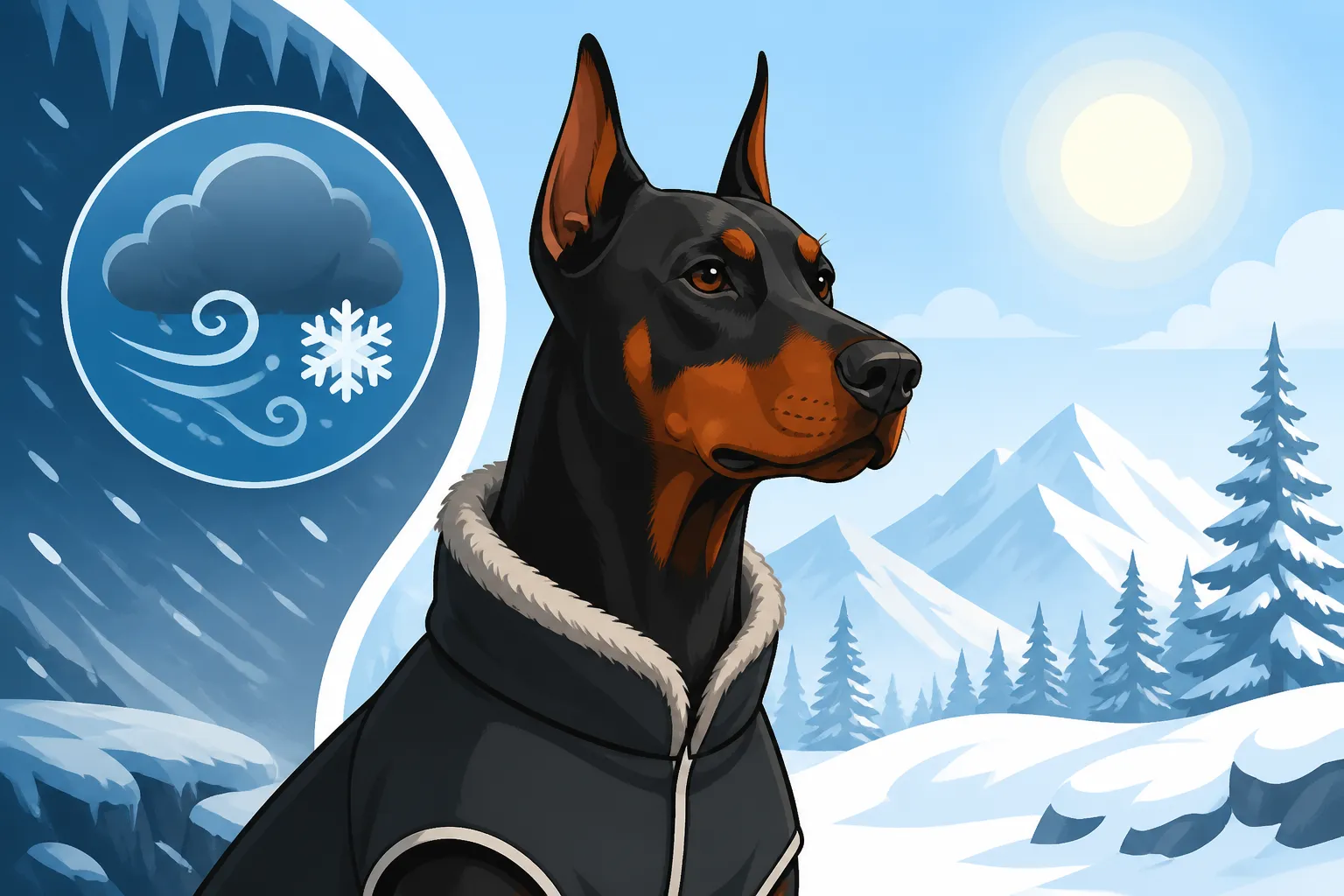
Whether a Doberman Manages a Northern Winter
For anyone living in a northern climate, the thought of your sleek, short-coated Doberman enduring a harsh winter can bring a real chill to your heart, quite literally! You might wonder if your beloved companion is truly built for snowy landscapes and biting winds, or if you're setting them up for discomfort, or even danger. This guide aims to ease those worries by diving deep into how Dobermans handle cold weather and, more importantly, how you can ensure they not only survive but thrive through those frosty months.
Understanding the Doberman's Unique Cold Sensitivity
Dobermans are magnificent creatures, known for their elegant, athletic build and keen intelligence. However, these very traits that make them so striking also contribute to their vulnerability in cold weather. They simply aren't engineered for extreme chill in the same way a husky or a Newfoundland is.
The Doberman's Lean Physique and Thin Coat
One of the most defining characteristics of a Doberman is their sleek, short, and often single-layered coat. Unlike breeds native to colder regions, Dobermans lack the dense undercoat that provides crucial insulation. Think of a Siberian Husky with its thick double coat, capable of trapping a layer of warm air close to the body – your Doberman has none of that natural buffer. Their coat is designed for utility and ease of movement, not for fending off blizzards.
Beyond their coat, Dobermans are also naturally lean, with a low body fat percentage. While this contributes to their athletic prowess and chiselled appearance, it means they have less subcutaneous fat to act as a natural insulator. Picture a stockier, more heavily built dog; they have an extra layer of protection that your Doberman simply doesn't possess. This combination of a thin, single coat and minimal body fat means that heat escapes their bodies much more rapidly in cold conditions. When the temperatures drop, their body has to work harder to maintain a stable core temperature, and without proper protection, they can quickly become uncomfortably cold or even suffer from hypothermia. This isn't just about shivering; it's about a fundamental difference in how their bodies manage heat.
Metabolic Rate and Energy Expenditure in Cold
When the mercury drops, a Doberman's body has to kick its metabolism into overdrive to generate enough heat to stay warm. This is a natural physiological response, but it comes at a cost. Their system starts burning through calories at an accelerated rate just to maintain their core body temperature. Imagine running a heater full blast in a drafty old house; it's constantly working to compensate for the heat loss.
This increased metabolic demand means that your Doberman needs more energy during colder months, especially if they are still active outdoors. If their caloric intake doesn't increase to meet this demand, they can start to lose weight, feel lethargic, and generally be more susceptible to the cold. You might notice them shivering more frequently, seeking out warm spots in the house, or being less enthusiastic about walks when it's chilly. These are all signs their body is struggling to keep up. It's not just about providing warmth from the outside; it's also about fueling their internal furnace adequately. Overlooking this aspect can lead to a perpetually cold and uncomfortable Doberman, even if they're otherwise healthy.
Preparing Your Doberman for a Northern Winter
Successfully navigating a northern winter with a Doberman means being proactive. You can't just expect them to tough it out; they need your help to stay comfortable and safe. This involves both providing them with the right gear and making smart adjustments to their diet.
Essential Winter Gear for Dobermans
When you live somewhere with genuinely cold winters, a Doberman coat isn't a fashion statement – it's a necessity. We're talking about more than just a cute sweater here; you need a serious, insulated dog coat that offers comprehensive coverage. Look for coats made from water-resistant or waterproof materials to protect against snow, sleet, and freezing rain. Critically, the coat should cover their chest and belly, as these areas are particularly exposed and can lose heat rapidly. Many Dobermans have deep chests and lean bellies, so finding a coat that fits well without restricting movement can be a bit of a hunt, but it's worth the effort. You can find a vast selection of options on sites like Chewy or Amazon, allowing you to read reviews and compare insulation levels. The goal is to provide a protective barrier against the elements, mimicking the undercoat they don't possess. Think about the type of insulation – fleece lining, synthetic fill – and ensure it allows them to move freely without chafing. Coats That Actually Fit a Doberman's Chest will be a game-changer for their comfort.
Beyond a coat, dog boots are another crucial piece of winter gear. They protect your Doberman's paws from a multitude of winter hazards: sharp ice, abrasive rock salt, chemical de-icers, and simply the extreme cold of frozen ground. Imagine walking barefoot on ice or a salt-strewn pavement – that's what your Doberman's pads endure. Boots provide a barrier, preventing painful cracks, chemical burns, and frostbite. It might take a little patience to get your Doberman accustomed to wearing them, but the payoff in terms of paw health and comfort is immense. Start with short sessions indoors, offering plenty of praise and treats, and gradually increase the duration. Some Dobermans might also benefit from a neck warmer or snood, especially if their ears are cropped and thus more exposed to cold winds. Even natural ears can get chilly, and a snood can provide an extra layer of warmth around their vulnerable neck and ear area.
Nutritional Adjustments for Colder Months
As we discussed, a Doberman's metabolism works harder in the cold, burning more calories to maintain body temperature. This means that during the peak winter months, especially if your Doberman is still enjoying regular outdoor activity, you might need to slightly increase their caloric intake. This isn't about overfeeding them to make them gain excess weight, but rather about providing enough fuel for their internal furnace. Consult with your vet to determine an appropriate increase, as every dog's needs will vary based on their age, activity level, and individual metabolism.
The quality of their food is also paramount. Feeding a high-quality, balanced diet ensures they are getting all the essential nutrients, vitamins, and minerals needed to support their immune system and overall health during a potentially stressful time for their bodies. Brands like Ollie, known for their fresh, human-grade ingredients, can be a great option for ensuring your Doberman gets nutrient-dense meals. Alternatively, many premium kibble brands offer formulas designed for active dogs that might have a slightly higher calorie content. You could also consider adding warm, low-sodium broth to their meals, which not only makes it more palatable but also helps with hydration, which is just as important in winter as in summer. A well-nourished Doberman will be better equipped to generate and conserve body heat, keeping them more comfortable and resilient against the cold.
Keeping Your Doberman Warm Indoors
While appropriate outdoor gear is vital, a Doberman truly thrives when they have a warm, comfortable indoor environment to retreat to. Their thin skin and lack of undercoat mean they are far more sensitive to drafts and lower temperatures than many other breeds.
Optimal Indoor Temperatures and Sleeping Arrangements
Think about what feels comfortable to you in your home during winter – your Doberman likely has similar needs. While you don't need to turn your home into a tropical paradise, keeping the indoor temperature consistently comfortable, generally above 68-70°F (20-21°C), can make a huge difference for your Doberman. They will feel the chill much faster than you do, especially if they are just lying still.
Equally important are their sleeping arrangements. A Doberman shouldn't be asked to sleep on a cold, hard floor, especially without adequate bedding. Provide a draft-free sleeping area, away from exterior doors or poorly insulated windows. Keeping a Doberman Warm Overnight Indoors is about creating a cozy den. Elevated beds can be excellent, as they lift your Doberman off the cold floor, preventing conductive heat loss. Orthopedic beds offer crucial joint support, which is beneficial year-round but especially important for older Dobermans who might feel the cold more acutely in their joints. Even better, consider a self-heating bed or a bed with a removable, washable blanket that they can burrow into. Dobermans love to nest and tunnel under blankets, so providing them with a soft, warm place to curl up is not just about comfort; it's about fulfilling a natural instinct to create a warm hideaway. You'll often find them trying to squeeze under blankets on the couch or in your bed, which is a clear sign they're seeking warmth. Ensure they have access to their preferred warm spot at all times. Beds That Cushion a Bony Doberman can really make a difference for their comfort.
Monitoring for Cold-Related Issues Indoors
Even inside, it's essential to keep an eye on your Doberman for signs that they might be too cold. Constant shivering, seeking out warm vents or fireplaces, huddling tightly, or trying to climb into your lap repeatedly can all indicate they're feeling chilly, even in a seemingly warm house. These subtle cues are your Doberman's way of communicating discomfort.
Another common indoor issue during winter is dry skin and a flaky coat, often exacerbated by dry indoor heating. Just like our skin gets drier in winter, so does a Doberman's, especially with their short, un-oily coat. You might notice Flaky Skin Along a Doberman's Back or increased scratching. To combat this, ensure good hydration, and you might consider a humidifier in the main living areas, especially where your Doberman sleeps. Regular grooming with a soft brush can help stimulate natural skin oils, and a fish oil supplement can also contribute to healthier skin and coat. Always use a gentle, moisturizing shampoo if bathing them, to avoid stripping their natural oils.
Consistency in warmth is key. For older Dobermans or those with underlying health conditions like arthritis or heart disease, maintaining a stable, warm environment is even more critical. Their bodies are less efficient at regulating temperature, and cold can exacerbate existing discomfort. Regularly check on them, ensure their bedding is always clean and dry, and be quick to adjust the thermostat if you notice them showing signs of being cold. Feeding and Grooming a Doberman Past Eight becomes even more focused on comfort and warmth.
Safe Outdoor Activities in Cold Weather
Just because it's cold doesn't mean your Doberman should be cooped up all winter. They are an active breed and need mental and physical stimulation. The key is to manage their outdoor time smartly and safely.
Managing Walk Durations and Intensity
When winter truly bites, those long, leisurely strolls you enjoy in milder weather might need to be adjusted. Instead of one long walk, consider several shorter, more frequent outings. This allows your Doberman to get their necessary exercise and potty breaks without prolonged exposure to bitter temperatures. On particularly frigid days, even a quick 10-15 minute walk might be enough, especially if they are wearing appropriate gear. You'll want to pay close attention to The Degrees at Which a Doberman Starts Shivering – that's a clear sign it's time to head back inside.
The intensity of exercise also matters. High-intensity bursts of play, like fetch in a securely fenced yard (with their coat on!), can be more effective for burning energy quickly than a slow, plodding walk. The vigorous movement helps generate body heat. However, avoid letting them get too sweaty and then standing still, as this can lead to a rapid drop in body temperature. Always keep an eye on their demeanor. If they seem hesitant to go out, are lifting their paws, or are shivering uncontrollably, it's time to cut the outdoor session short. Winter Walks With a Thin-Coated Doberman require vigilance.
Protecting Paws and Skin from Winter Elements
Your Doberman's paws are their primary contact with the cold, harsh ground, and they are susceptible to damage. Beyond providing dog boots, it's vital to implement a routine of paw care. After every walk in snow, ice, or on salted surfaces, thoroughly wipe down their paws with a warm, damp cloth. This removes any salt, de-icers, or ice balls that might have accumulated between their pads. Rock salt and chemical de-icers can cause painful chemical burns and irritation, and if ingested (from licking their paws), can lead to digestive upset. Check for Salt Burns on a Doberman's Bare Pads regularly.
Regularly inspect their paw pads for cracks, cuts, or redness. A good paw balm or moisturizer can help keep their pads supple and prevent drying and cracking. In some areas, sunlight reflecting off snow can be intense. For Dobermans with very thin coats, especially the blue or fawn varieties, or those with very sparse hair, exposed skin can be vulnerable to sunburn, even in winter. Sun Protection for a Thin-Coated Doberman isn't just a summer concern. A lightweight dog coat with good coverage and perhaps a pet-safe sunscreen on particularly exposed areas (like the bridge of the nose, if not covered) might be necessary on bright, sunny, snowy days.
Here's a quick look at essential winter gear for your Doberman:
| Item | Purpose | Key Features to Look For | Brand Examples |
|---|---|---|---|
| Winter Coat | Insulation, wind & moisture protection | Waterproof/resistant, insulated lining, chest/belly coverage, adjustable fit | Ruffwear, Hurtta (often found on Chewy, Amazon) |
| Dog Boots | Paw protection from cold, salt, ice | Durable sole, good traction, secure fastening, comfortable fit | Pawz, Muttluks (often found on Chewy, Amazon) |
| Neck Warmer | Added warmth for neck/ears | Soft, fleece-lined, stretchy for comfort | Locally-made, various pet retailers |
| Paw Balm | Moisturizes and protects paw pads | Natural ingredients, non-toxic, healing properties | Musher's Secret, Burt's Bees (found on Amazon) |
| Heated Bed | Provides consistent warmth indoors | Low wattage, auto shut-off, chew-resistant cord | K&H Pet Products (found on Amazon, Chewy) |
Recognizing and Responding to Hypothermia and Frostbite
Despite all your best efforts, sometimes conditions can be worse than anticipated, or your Doberman might simply be more sensitive to the cold than you realized. It's crucial to know the signs of hypothermia and frostbite, which can be life-threatening.
Signs of Hypothermia:
- Mild Hypothermia: Persistent shivering (beyond what's normal for cold), lethargy, weakness, seeking warmth, hunched posture.
- Moderate Hypothermia: Intense shivering that may stop as the body tries to conserve energy, stiff muscles, shallow breathing, decreased heart rate, pale or bluish gums, dilated pupils.
- Severe Hypothermia: Collapse, unconsciousness, fixed and dilated pupils, no shivering, extremely cold skin to the touch.
Signs of Frostbite:
Frostbite typically affects extremities first – ears, tail, paws, and scrotum.
- Initially, the skin may appear pale, waxy, or grayish.
- Later, the affected area might become red, swollen, and painful as it thaws.
- Blisters can form.
- In severe cases, the tissue may turn black and slough off over days or weeks.
What to do if you suspect Hypothermia or Frostbite:
- Get Inside Immediately: Remove your Doberman from the cold environment.
- Warm Slowly: Wrap them in warm blankets or towels. You can use a hairdryer on a low, cool setting from a distance, or place warm (not hot) water bottles wrapped in towels against their body. Avoid direct heat that could cause burns.
- Offer Warm Liquids: If they are conscious and able to drink, offer small amounts of warm broth or water.
- Elevate Core Temperature: Focus on warming their core (chest, belly) first.
- Seek Veterinary Attention: Even with mild symptoms, it's always best to contact your vet. Hypothermia can have serious internal effects, and frostbite damage might not be immediately apparent. Your vet can assess the extent of the problem and provide appropriate medical care, including monitoring for complications.
Living with a Doberman in a northern winter is absolutely manageable, but it requires diligent care and preparation. By understanding their unique vulnerabilities and providing the right gear, nutrition, and indoor environment, you can ensure your Doberman stays happy, healthy, and warm all winter long. Don't let the cold deter you from enjoying these incredible companions – just be ready to bundle up both of you!
Disclaimer
This article is for general informational purposes only and does not constitute professional advice. Laws, prices and regulations vary by location and change over time. Consult a qualified professional for guidance on your specific situation.