Protein and Fat for a Lean Working Doberman
It’s a common sight for Doberman owners: you’re looking at your sleek, athletic Doberman and wondering if they’re getting enough, or if they’re getting the right balance of nutrients to maintain that incredible physique and energy level. Many Dobermans are naturally lean, and it can be a constant balancing act to ensure they’re not too thin, especially if they lead an active life or are involved in working sports. This guide aims to demystify the roles of protein and fat in your Doberman’s diet, helping you understand how to fuel their powerful bodies for optimal health and performance.
Understanding Your Doberman’s Unique Nutritional Demands
Dobermans are a breed apart when it comes to their build and energy. They're lean, muscular, and often described as having a "hard" condition, meaning they carry very little excess body fat. This isn't a sign of starvation, but rather their natural athleticism. However, this lean physique also means their dietary needs are quite specific, requiring careful consideration of macronutrients to support their high metabolism and active lifestyle.
Why Dobermans Are Naturally Lean
If you’ve ever felt like your Doberman is constantly on the go, even when they seem to be resting, you’re not imagining things. Dobermans typically have a higher metabolic rate compared to many other breeds. They burn through calories efficiently, which contributes to their naturally svelte appearance. Unlike some breeds where a bit of extra padding is common, a healthy Doberman should have visible ribs (but not jutting out prominently) and a distinct tuck-up at their waist. People sometimes worry that their Doberman looks too thin, but often, this is precisely how they are meant to look. You can learn more about Reading Ribs and Hip Points on a Doberman to gauge their condition accurately. Their fine, short coat also does little to hide their contours, making their leanness even more apparent. This high metabolism and active nature means their food needs to be dense in the right kind of energy.
The Impact of an Active Lifestyle on Diet
Whether your Doberman is a beloved family companion with daily walks and yard play, or a dedicated athlete training in protection sports, obedience, or agility, their activity level directly impacts their caloric and nutrient requirements. A Doberman running sprints, practicing bite work, or spending hours tracking will need significantly more fuel than a couch potato, no matter how much you love that couch potato. High-intensity exercise demands not only quick energy but also robust support for muscle repair and recovery. If your Doberman is involved in regular strenuous activity, their body is constantly breaking down and rebuilding muscle tissue, and this process relies heavily on the quality and quantity of protein in their diet. Neglecting these elevated needs can lead to weight loss, decreased performance, and even a compromised immune system over time. It’s a delicate balance to strike, but getting it right ensures your Doberman thrives.
The Role of Protein in a Working Doberman's Diet
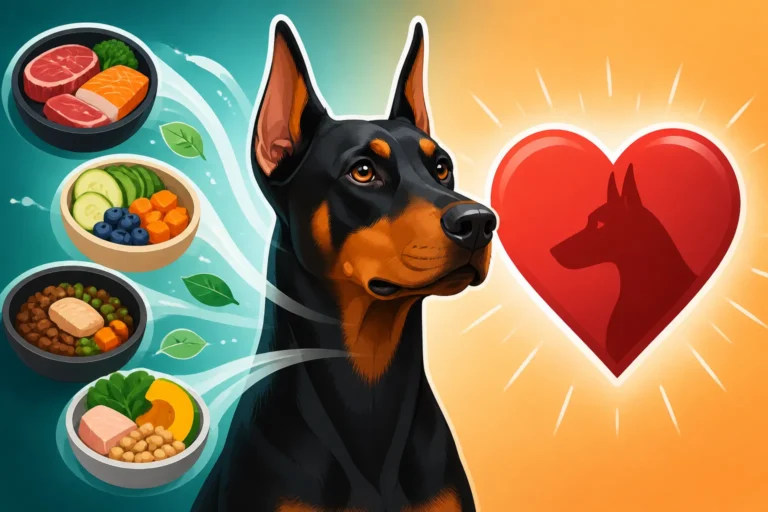
Protein is absolutely foundational for a Doberman, especially one that’s actively using its powerful musculature. Think of protein as the building blocks for every part of their body – not just muscles, but also skin, hair, enzymes, hormones, and antibodies. For a breed known for its strength, agility, and presence, adequate, high-quality protein is non-negotiable.
Why Protein is Non-Negotiable for Muscle and More
When your Doberman runs, jumps, or even just stands alert, their muscles are working hard. Micro-tears occur in muscle fibers during exercise, and protein is essential for repairing these tears and building stronger tissue. Without sufficient protein, their body struggles to recover, potentially leading to muscle wastage, weakness, and a general lack of stamina. It’s not just about bulk; it’s about maintaining healthy, functional muscle mass, which is critical for their overall well-being and longevity. Beyond muscles, protein also plays a vital role in immune function. Antibodies, which fight off infections, are made of protein. Hormones that regulate various bodily processes, from growth to metabolism, are also protein-based. Even their shiny, sleek coat and healthy skin depend on a steady supply of amino acids from dietary protein. So, when we talk about protein, we’re talking about comprehensive health support.
Identifying High-Quality Protein Sources
Not all proteins are created equal, and for your Doberman, quality matters immensely. High-quality proteins are those that provide a complete amino acid profile, meaning they contain all the essential amino acids your Doberman cannot synthesize on their own. The best sources are typically animal-based.
Here are some excellent examples:
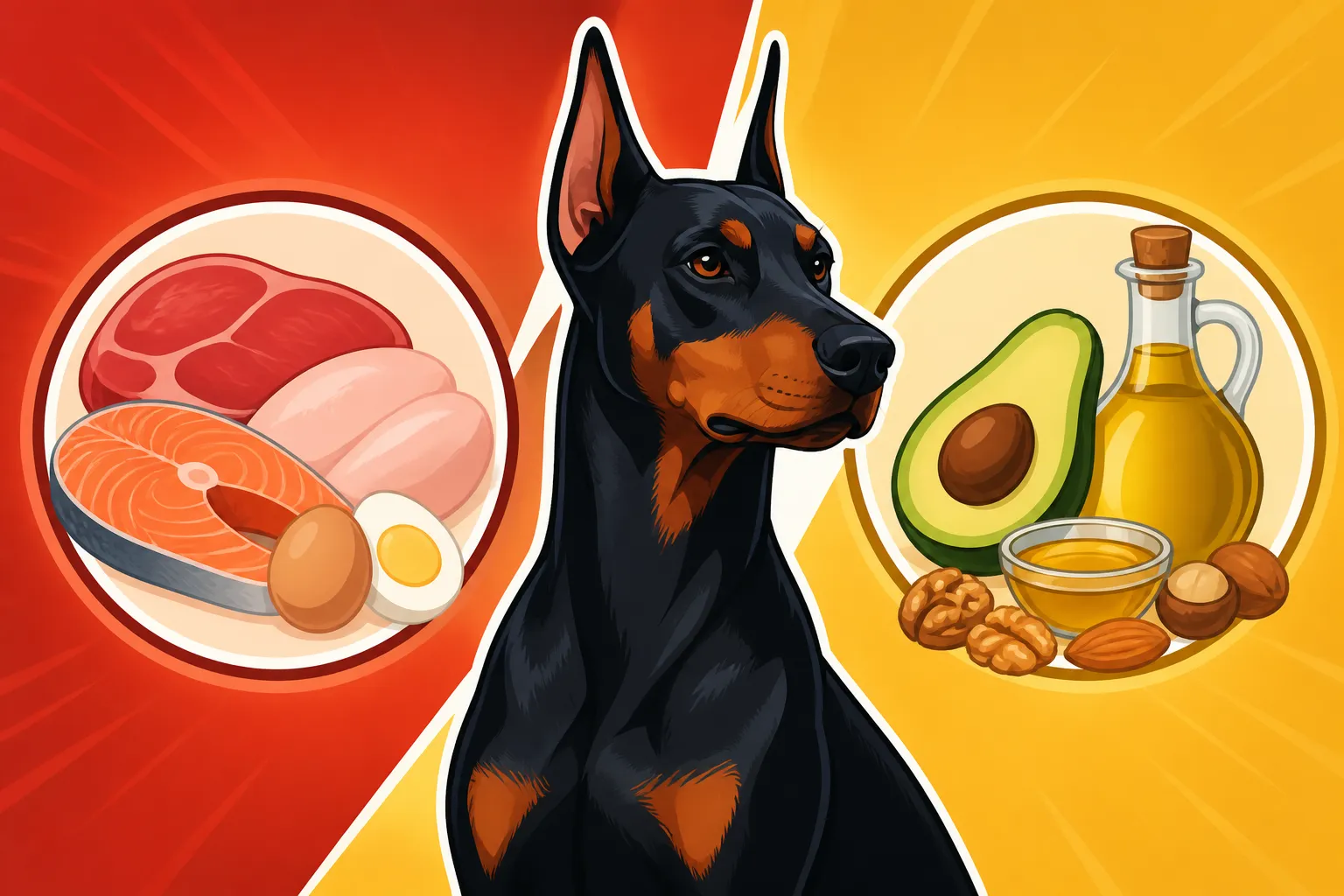
- Muscle Meats: Chicken, beef, lamb, turkey, and fish (salmon, cod) are superb sources. Look for foods where these are listed as the first one or two ingredients. Whole meat is always preferable to "meat meal" if given the choice, though a high-quality meat meal (like chicken meal) can also be a concentrated source of protein once water is removed.
- Organ Meats: Liver, heart, and kidney are incredibly nutrient-dense, offering not just protein but also essential vitamins and minerals. These are often included in premium kibbles or raw diets.
- Eggs: A fantastic, highly digestible protein source. Cooked eggs can be a great addition to your Doberman’s diet as an occasional treat or supplement.
- Dairy (in moderation): Some Dobermans can tolerate plain, unsweetened yogurt or cottage cheese, which offer protein and probiotics. However, many dogs are lactose intolerant, so introduce these carefully.
When you're looking at dog food labels, the clearer and more specific the protein source, the better. "Meat by-products" or "animal digest" are often less desirable because their origin can be vague and their nutritional quality inconsistent. Brands like Ollie, for example, focus on human-grade whole meat ingredients, which speaks to their commitment to high-quality protein sources.
How Much Protein is Enough for an Active Doberman?
This is where it can get tricky, as there isn't a one-size-fits-all answer, but we can talk in general terms. For an adult Doberman, especially one that's active, you're generally looking for a food with a minimum of 25-30% crude protein on a dry matter basis. For highly active or working Dobermans, some experts suggest even higher, in the 30-35% range or more, depending on the intensity and duration of their work.
Remember, this is about the proportion of protein in the food, not necessarily the amount of food. A very active Doberman will eat more of a food that might be, say, 28% protein, and thus get more total protein.
It's crucial to consider the Doberman's individual needs:
- Age: Growing puppies need more protein for development. Protein Levels for a Doberman in Hard Work are significantly different from those for a senior dog who might need less.
- Activity Level: A Doberman doing daily Schutzhund training will require a higher protein intake than one who enjoys leisurely strolls.
- Overall Health: Dogs with certain health conditions might have modified protein needs, which your vet can advise on.
Always remember that the protein percentage on a bag of kibble is a "crude protein" percentage, and it's calculated on an "as fed" basis. To get a clearer picture, especially when comparing dry kibble to wet or fresh food, you need to calculate the dry matter basis. This takes the moisture content out of the equation.
Dry Matter Basis Calculation Example:
If a kibble is 28% protein and 10% moisture:
Protein on Dry Matter Basis = (Crude Protein % / (100% – Moisture %)) * 100
= (28 / (100 – 10)) * 100 = (28 / 90) * 100 = 31.1%
This calculation helps you make accurate comparisons between different types of food.
The Importance of Healthy Fats for Doberman Energy and Health
While protein takes the spotlight for muscle building, healthy fats are the unsung heroes of energy, coat health, and overall physiological function for your active Doberman. They are a concentrated source of calories, providing more than twice the energy per gram compared to protein or carbohydrates, making them absolutely vital for sustained energy during periods of high activity.
Fats as a Concentrated Energy Source
For a Doberman that’s burning through calories with gusto, fats provide a steady, slow-release energy source. This is especially important for endurance during longer training sessions or extended periods of activity. Imagine your Doberman running agility courses or going on a long hike; without enough dietary fat, they'll "hit the wall" much sooner, their stamina dwindling. Fats aren't just for immediate energy; they're crucial for storing energy efficiently in the body. When you're feeding a lean, energetic breed like the Doberman, every calorie counts, and fat delivers those calories in a potent package. It helps prevent muscle from being broken down for energy, preserving that hard-earned mass. Fat Levels for a Doberman in Sport Training are often higher than for more sedentary dogs for this very reason.
Essential Fatty Acids for Skin, Coat, and Organ Function
Beyond energy, fats deliver essential fatty acids (EFAs) that your Doberman cannot produce internally and must obtain from their diet. The most well-known are Omega-3 and Omega-6 fatty acids, which play critical roles throughout the body.
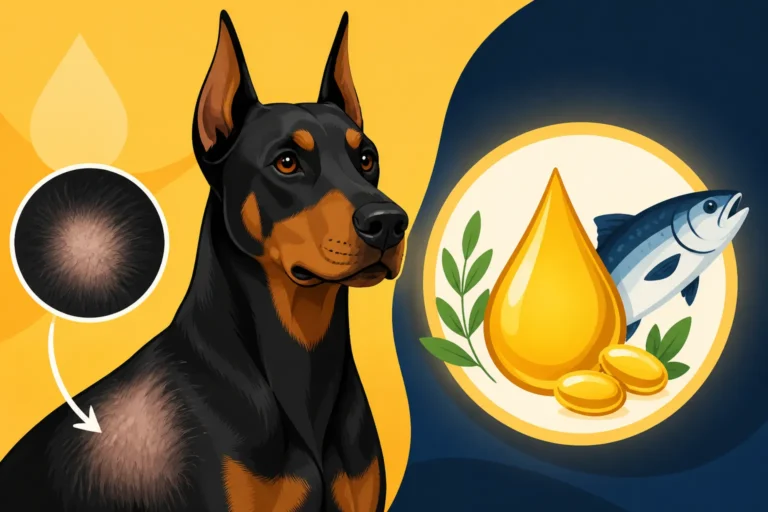
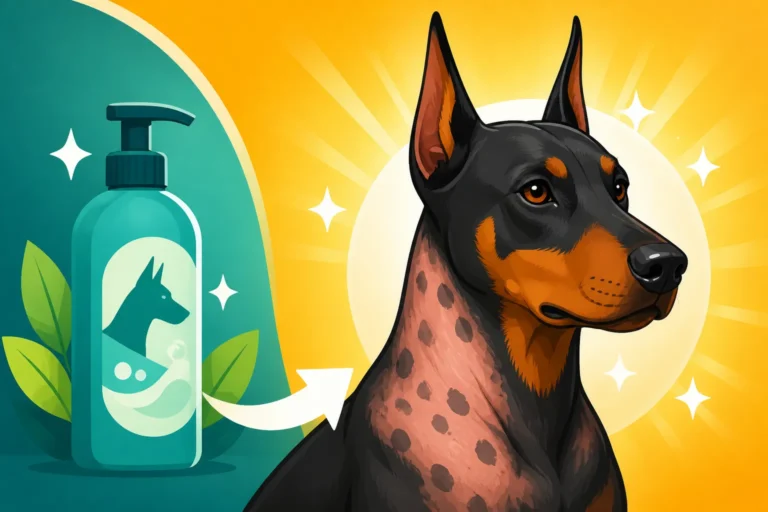
- Skin and Coat Health: Ever seen a Doberman with a dull, dry coat or flaky skin? Often, a deficiency in essential fatty acids is the culprit. Omega-3s and Omega-6s are integral to maintaining the skin's barrier function, keeping it hydrated and protected. They contribute to that characteristic sleek, shiny Doberman coat that we all admire. For Dobermans prone to certain coat issues, like Hair Loss on a Blue Doberman, ensuring optimal EFA intake can be particularly important.
- Anti-inflammatory Properties: Omega-3s, in particular, are powerful anti-inflammatory agents. This can be beneficial for Dobermans dealing with joint stiffness or recovery from strenuous exercise. Whether Joint Supplements Help a Long-Backed Doberman is a common concern, and adequate Omega-3s can certainly play a supportive role alongside other interventions.
- Brain and Eye Development: These fats are crucial for neurological development in puppies and for maintaining cognitive function and vision throughout life.
- Cellular Health and Organ Function: EFAs are integral components of cell membranes, influencing cell flexibility and function. They support proper kidney function, immune response, and even cardiovascular health. Omega Oils for a Doberman With Coat Loss are often recommended because of these wide-ranging benefits.
Good Sources of Dietary Fats
Just like protein, the source of fat matters significantly. You want to prioritize healthy, digestible fats.
Here are some top contenders:
- Animal Fats: Tallow, chicken fat, and salmon oil are excellent. These are often rendered and included in kibble. Salmon oil is particularly rich in Omega-3s.
- Fish Oils: Derived from cold-water fish like salmon, mackerel, and sardines, fish oils are rich in EPA and DHA, two potent Omega-3 fatty acids. You can add these as a supplement to your Doberman’s food.
- Flaxseed Oil: A plant-based source of Omega-3s (alpha-linolenic acid), though dogs convert ALA to EPA/DHA less efficiently than humans. Still a good source of healthy fats.
- Certain Plant Oils: Sunflower oil and safflower oil are good sources of Omega-6s, but balance is key. You don't want too much Omega-6 without adequate Omega-3.
- Whole Foods: Eggs, certain seeds (chia, flax), and even some meats naturally contain beneficial fats.
When choosing a commercial dog food, look for named fat sources like "chicken fat" or "salmon oil" rather than generic "animal fat." You can also purchase high-quality fish oil supplements through retailers like Amazon or specialized pet stores to add to your Doberman’s diet, ensuring they get enough of these crucial fats.
Balancing Macronutrients for Optimal Performance and Health
Feeding your Doberman isn't just about throwing a bowl of food at them; it's about providing a carefully balanced diet that meets their unique needs for energy, repair, and overall health. Getting the ratios of protein, fat, and carbohydrates right is key to unlocking their full potential and keeping them vibrant.
Understanding Macronutrient Ratios
Macronutrients are the components of food that the body needs in large amounts: protein, fats, and carbohydrates. Each plays a distinct role, but they work synergistically.
- Protein: As discussed, for muscle growth, repair, and overall body function.
- Fats: Concentrated energy, essential fatty acids for skin, coat, and organ health.
- Carbohydrates: Provide quick energy (glucose) for immediate needs and fiber for digestive health. While Dobermans, as carnivores, don't have a dietary requirement for carbohydrates, quality carbs in moderate amounts can provide readily available fuel, especially for bursts of activity.
For an active Doberman, a common guideline for macronutrient ratios (on a dry matter basis) might look something like:
- Protein: 25-35% (higher for very active dogs)
- Fat: 15-25% (again, higher for working dogs or those needing to gain weight)
- Carbohydrates: The remainder, often 30-45%
These are general guidelines, and the precise balance can vary based on individual metabolism, age, and activity level. Some Dobermans do better on higher fat, lower carb diets, while others thrive with a moderate amount of quality carbohydrates. It's often a process of observation and adjustment.
The Dangers of Imbalance: Too Much or Too Little
Getting the balance wrong can have real consequences for your Doberman.
Too Little Protein:
- Muscle Loss: Your Doberman will start to lose muscle mass, appearing "stringy" or frail, even if they are eating enough calories.
- Poor Coat: Dull, brittle coat, excessive shedding, and flaky skin.
- Weakened Immune System: More susceptible to illness and slower recovery from injury.
- Low Energy: Lethargy and reduced stamina.
Too Much Protein:
While often less common with quality proteins, excessive protein (especially from low-quality sources) can sometimes be hard on the kidneys in older or predisposed dogs. However, for healthy, active Dobermans, it's generally well-tolerated. The main issue with imbalanced high protein might be if it comes at the expense of adequate fat or other vital nutrients.
Too Little Fat:
- Weight Loss: Despite eating, your Doberman might struggle to maintain a healthy weight due to insufficient caloric density. Putting Weight on an Underweight Doberman can be a challenge without adequate healthy fats.
- Dry, Itchy Skin: A classic sign of EFA deficiency, leading to scratching and potential secondary skin infections.
- Dull Coat: Lack of shine and softness.
- Lack of Stamina: Quick to tire during exercise.
Too Much Fat:
- Weight Gain: Obesity is a concern, putting strain on joints and organs. While Dobermans are lean, it can happen.
- Pancreatitis: A serious and painful inflammation of the pancreas, especially if a dog consumes a single meal very high in fat (e.g., raiding the trash for bacon grease).
- Digestive Upset: Diarrhea or vomiting in response to overly rich food.
The Role of Carbohydrates
Don't overlook carbohydrates entirely. While not essential in the same way protein and fat are, quality complex carbohydrates provide sustained energy and fiber. Sweet potatoes, brown rice, oats, and certain vegetables offer vitamins, minerals, and dietary fiber that supports healthy digestion. The fiber content is also vital for gut motility and promoting healthy gut flora. When choosing foods, focus on whole-food carbohydrate sources rather than refined grains or excessive fillers. Remember, the focus is on a balanced diet that meets the energy demands of your active Doberman.
Choosing the Right Food and Supplements
Navigating the world of dog food can be overwhelming, with countless brands and endless debates about kibble, raw, fresh, and everything in between. For your Doberman, the key is finding a diet that provides optimal protein and fat, suits their individual needs, and fits your lifestyle.
Evaluating Commercial Dog Food Options
When you're standing in the pet store aisle or browsing online at Chewy, here's what to look for:
- Ingredient List: This is your primary tool. The first few ingredients should be named meat sources (e.g., "chicken," "beef meal," "salmon"). Avoid vague terms like "meat by-products" or "animal fat."
- Guaranteed Analysis: This tells you the minimum percentages of crude protein and crude fat, and maximums for crude fiber and moisture. Remember to convert to a dry matter basis for accurate comparison, especially if comparing dry kibble to wet or fresh food. Aim for the protein and fat ranges discussed earlier (25-35% protein, 15-25% fat on dry matter for active dogs).
- Reputation and Testing: Choose brands that conduct thorough research and quality control, and ideally those that perform feeding trials. Look for an AAFCO (Association of American Feed Control Officials) statement on the label, indicating the food meets nutritional requirements for a specific life stage (e.g., "for all life stages" or "for adult maintenance").
- Fresh Food Diets: Options like Ollie deliver freshly prepared, human-grade meals that can be an excellent choice for Dobermans. These often have clearly defined, high-quality protein and fat sources. However, they typically come at a higher cost and require refrigeration.
- Raw Diets: Some owners opt for raw (BARF or PMR) diets, which can offer very high-quality, biologically appropriate protein and fat sources. However, raw feeding requires extensive research to ensure nutritional completeness and safety (handling raw meat correctly). It's crucial to work with a veterinary nutritionist if considering a raw diet to avoid nutrient deficiencies or imbalances.
When Supplements Might Be Necessary
For most healthy Dobermans on a high-quality, complete and balanced diet, supplements aren't strictly necessary. However, there are scenarios where they can be beneficial:
- Essential Fatty Acids: Even with good food, some Dobermans benefit from extra Omega-3s, especially if they have dry skin, a dull coat, or joint stiffness. Fish oil supplements (salmon, sardine, or anchovy oil) are widely available. You can find many reputable brands on Amazon.
- Joint Support: As a large, active breed with a long frame, joint health is a concern. Supplements like glucosamine, chondroitin, and MSM can offer support, especially as your Doberman ages or if they are prone to conditions like Doberman Hip Dysplasia.
- Taurine and Carnitine: Given the Doberman's predisposition to Dilated Cardiomyopathy (DCM), some owners choose to supplement with taurine and L-carnitine, although research on their preventative benefits is still evolving and complex. Taurine and Carnitine for a Doberman Heart is a topic often discussed within the Doberman community. Always consult your veterinarian or a veterinary cardiologist before adding these, as individual needs vary.
- Probiotics: If your Doberman has a sensitive stomach or has recently been on antibiotics, probiotics can help restore healthy gut flora.
Always consult your veterinarian before adding any supplements to your Doberman's diet. They can help you determine if a supplement is truly needed, what dosage is appropriate, and if it might interact with any existing medications or conditions.
Monitoring Your Doberman's Condition
Feeding your Doberman isn't a "set it and forget it" task. Their needs can change with age, activity level, and health status. Regular monitoring of their physical condition and overall demeanor is crucial to ensure their diet remains appropriate and effective.
Regular Weight and Body Condition Scoring
This is one of the most important things you can do. You should be able to easily feel your Doberman's ribs without seeing them sharply. There should be a noticeable waist when viewed from above and a distinct abdominal tuck when viewed from the side. The Waist a Doberman Should Show From Above is a good indicator of appropriate weight.
- Visual Check: Take a moment each week to look at your Doberman from above and the side. Are they looking leaner than usual? Or have they started to thicken around the middle?
- Hands-on Check: Run your hands along their sides. Can you feel their ribs easily, like the knuckles of your hand, without them being overly prominent? You should feel a thin layer of fat covering them, not just skin and bone.
- Weighing: If possible, weigh your Doberman regularly, especially if you have a growing puppy or an older dog whose metabolism might be slowing. This helps you track trends. Many vet clinics allow quick "weight-only" visits for free.
If your Doberman is losing weight despite eating adequately, or if they're gaining weight, it's a sign that dietary adjustments might be needed, or it could even signal an underlying health issue. You might need to adjust their daily calorie intake, or evaluate Daily Calories for an Adult Doberman more closely.
Observing Energy Levels, Coat Health, and Stool Quality
Your Doberman's physical appearance and waste can tell you a lot about how well their diet is working.
- Energy Levels: A well-fed Doberman should have ample energy for their daily activities. While they enjoy downtime, they should be eager for walks, play, and training. If your Doberman seems lethargic, tires quickly, or their enthusiasm for activities wanes, it could be a sign of insufficient calories or a nutrient imbalance. This could also be a symptom of underlying health issues, so keep an eye on it.
- Coat Health: A healthy Doberman should have a short, sleek, and shiny coat. It should feel soft and smooth, not coarse or brittle. Excessive dryness, dandruff, flaking, or a dull appearance can indicate a lack of essential fatty acids or other nutritional deficiencies. You might also notice increased shedding beyond normal seasonal changes.
- Stool Quality: This is a crucial, if not glamorous, indicator. Healthy dog stool should be firm, moist, and easy to pick up, like a well-formed log. If your Doberman consistently has loose stools, diarrhea, or extremely hard, dry stools, it suggests their digestive system isn't happy with their current diet. It could be an intolerance to an ingredient, too much fat, too little fiber, or a sign they're not absorbing nutrients efficiently. Similarly, if they're having trouble defecating, constipation could be an issue. Always check Whether a Doberman Can Hold Down Kibble if digestive upset is a recurring problem.
It's helpful to Weighing a Doberman's Ration Daily to ensure consistency, and to monitor changes over time. Any significant or persistent changes in these areas warrant a conversation with your veterinarian. They can help rule out medical issues and provide tailored dietary advice.
Sample Macronutrient Comparison Table
To give you a clearer idea, here's a general comparison of how protein and fat might look in different types of dog foods. Remember, these are approximate values on a dry matter basis and can vary widely by specific product and brand. Always check the guaranteed analysis on your chosen food.
| Food Type | Crude Protein (Dry Matter Basis) | Crude Fat (Dry Matter Basis) | Typical Uses | Considerations |
|---|---|---|---|---|
| Standard Kibble | 22-28% | 12-18% | Adult maintenance, less active dogs | Varies widely in quality; check ingredients carefully. |
| Performance Kibble | 28-35%+ | 18-25%+ | Highly active/working Dobermans, puppies | Denser in calories and nutrients; good for sustained energy. |
| Fresh/Lightly Cooked | 25-40% | 15-25% | Good for sensitive stomachs, picky eaters, active dogs | Often human-grade ingredients; typically higher cost; requires refrigeration. Ollie is an example. |
| Raw/Freeze-Dried Raw | 30-50%+ | 15-30%+ | Biologically appropriate, highly digestible | Requires careful handling; ensure complete and balanced. |
| Low-Fat Prescription | 20-25% | 8-12% | Dogs with pancreatitis or specific health issues | Only used under veterinary guidance; not for healthy, active Dobermans. |
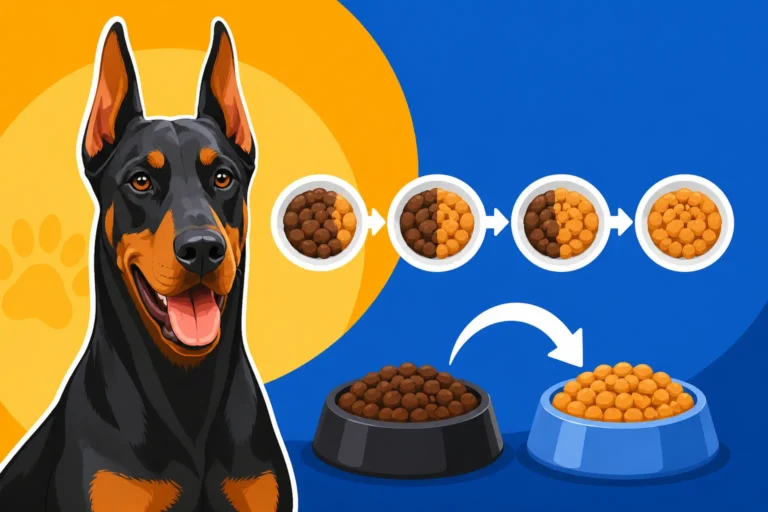
This table provides a snapshot, but the ultimate choice will depend on your Doberman's unique needs, your budget, and what your veterinarian recommends. Always transition any new food slowly over 7-10 days to avoid digestive upset.
Disclaimer
This article is for general informational purposes only and does not constitute professional advice. Laws, prices and regulations vary by location and change over time. Consult a qualified professional for guidance on your specific situation.