Winter Coats and Cold-Weather Gear for a Doberman
There’s nothing quite like seeing your beloved Doberman shiver, tucked tightly into a ball, even when indoors. It’s a common frustration for Doberman owners, especially as the temperatures drop, because their sleek, short coats offer precious little protection against the biting cold. This guide will walk you through everything you need to know about keeping your Doberman warm and comfortable during the colder months, from understanding their unique needs to selecting the perfect winter coats and essential cold-weather gear.
Why Dobermans Are So Sensitive to Cold Weather
If you’ve ever owned another breed, you might be surprised by just how much your Doberman seems to feel the cold. They aren't just being dramatic; there are very real physiological reasons why Dobermans are far more susceptible to chilly temperatures than many other dogs. Understanding these factors is the first step in providing them with the best protection.
The Doberman's Unique Coat and Body Composition
Unlike many cold-weather breeds such as Huskies or Newfoundlands, Dobermans possess a single, short, smooth coat with no insulating undercoat. This means there's no natural barrier trapping warm air close to their skin, making them incredibly vulnerable to heat loss. Imagine stepping outside in just a t-shirt in winter – that’s pretty much how your Doberman feels without proper insulation. Their skin, too, is quite thin, which contributes to faster heat dissipation.
Beyond their coat, Dobermans are naturally lean and athletic, with very little body fat. While this contributes to their striking, elegant appearance, it also means they lack the thick layer of insulating fat that helps many other breeds stay warm. They are essentially built for speed and agility, not for enduring freezing temperatures. This low body fat percentage combined with a short coat creates a perfect storm for them to get cold quickly, even during relatively mild dips in temperature. You might notice your Doberman shivering at temperatures that wouldn't bother a heavily coated dog in the slightest. For a deeper dive into this, you might find our article on Why a Doberman Feels the Cold Before Other Dogs particularly insightful.
Metabolic Rate and Staying Warm
Another less obvious factor contributing to a Doberman's cold sensitivity is their metabolic rate. While a high metabolism might seem like it would generate more heat, it also means they burn through energy faster. To maintain their core body temperature, especially in the cold, their bodies have to work harder, consuming more calories. This is why you might notice your Doberman seems hungrier in winter, or perhaps a little less energetic if they're constantly trying to conserve warmth.
Their body temperature regulation is a continuous effort. If they're expending too much energy trying to stay warm, it can impact their overall health and energy levels, leaving them more vulnerable to illness. It’s a constant balancing act, and providing external warmth through coats and gear significantly eases the burden on their system. This is why feeding an eighty-pound Doberman well and ensuring they get their Daily Calories for an Adult Doberman is crucial, especially during winter months, to support their metabolism and maintain body heat.
Choosing the Right Winter Coat for Your Doberman
Selecting a winter coat for your Doberman isn't just about fashion; it's about crucial protection. With so many options out there, it can feel overwhelming, but focusing on a few key factors will help you make the best choice for your dog's comfort and safety.
Material and Insulation: What Really Matters
When it comes to material, think about what you’d wear in cold weather yourself. You want something that offers good insulation without being overly bulky, allows for freedom of movement, and is preferably water-resistant. Many quality Doberman coats feature an outer shell made from durable, waterproof or water-resistant nylon or polyester, often ripstop material, to protect against rain, snow, and wind. This is crucial because a wet coat offers no warmth at all.
Inside, look for insulating layers such as fleece, synthetic down (like Thinsulate or similar polyfill), or even wool blends. Fleece is excellent for warmth and breathability, while synthetic down provides superior warmth-to-weight ratio, trapping air effectively. It’s important that the material is comfortable against your Doberman's skin and doesn't cause static or irritation. Brands like Hurtta, Ruffwear, and even some lesser-known, Doberman-specific brands found on online retailers like Chewy often provide excellent material choices designed for active dogs in cold climates. Always ensure seams are well-stitched and durable, as Dobermans are active and can be tough on their gear.
Fit and Coverage: A Doberman's Unique Shape
This is perhaps the most critical aspect for a Doberman. Their deep chests, long backs, and relatively slender waists mean that many generic dog coats simply won't fit properly. A coat that’s too short won’t cover their vital organs or the length of their back, leaving them exposed. One that’s too loose will shift, chafe, and allow cold air to get in. Too tight, and it will restrict movement, causing discomfort and potentially rubbing their thin skin raw.
A good Doberman winter coat should cover from the base of their neck all the way to the base of their tail. It should also extend down their sides, ideally covering their belly as much as possible without interfering with their ability to relieve themselves. Many Doberman owners struggle to find a coat that truly fits this unique build, often resorting to custom-made options or brands that specifically cater to sighthound or deep-chested breeds. Look for features like adjustable belly straps, chest straps, and even leg loops to ensure a snug, secure fit that won't ride up or twist. This topic is so important that we’ve dedicated an entire article to Coats That Actually Fit a Doberman's Chest.
Essential Cold-Weather Gear Beyond Just a Coat
While a good winter coat is paramount, it’s not the only piece of gear your Doberman might need. Cold weather can impact various parts of their body, and being prepared with additional accessories ensures their overall comfort and protection.
Paw Protection: Guarding Against Harsh Surfaces
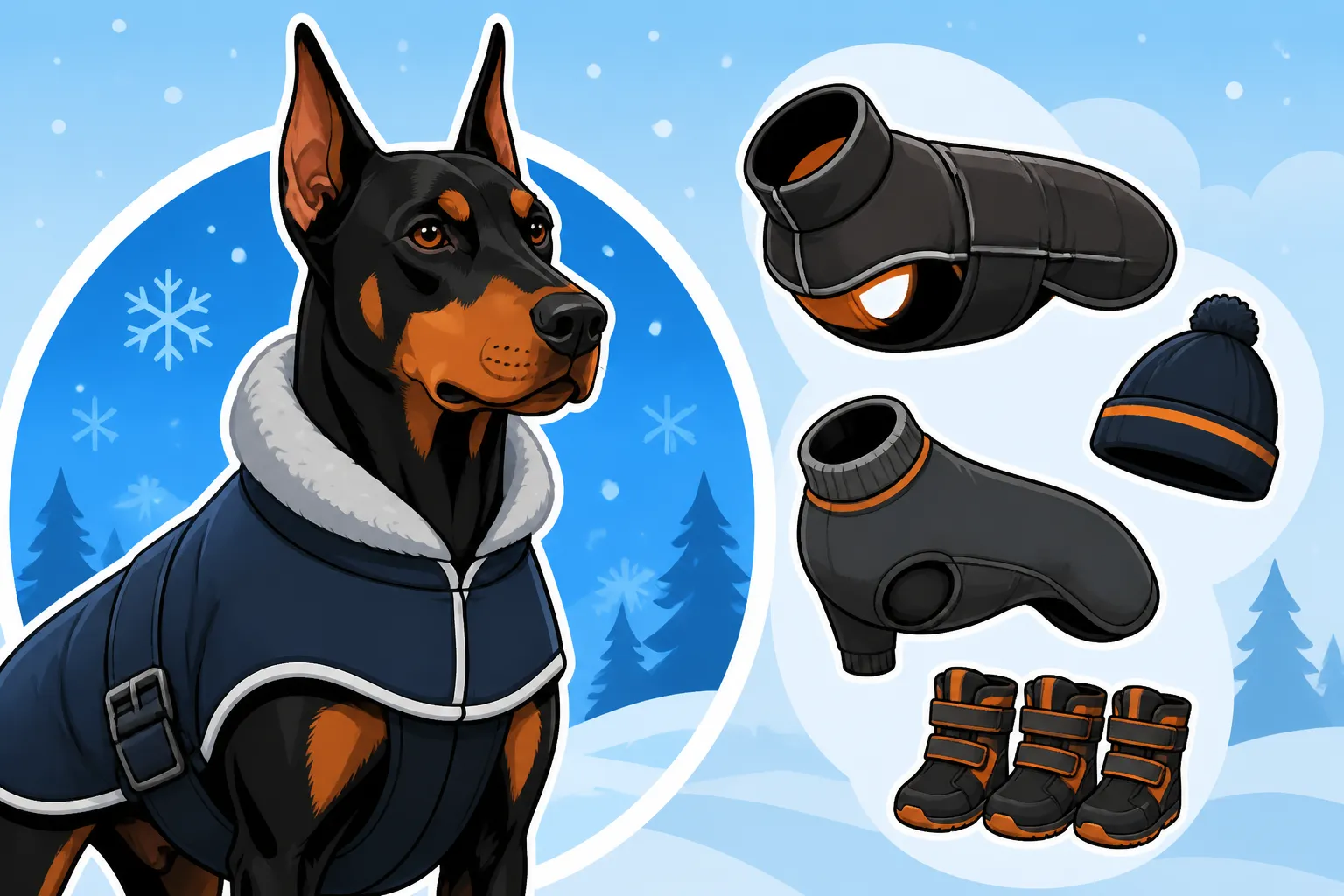
Dobermans have sensitive paw pads, and winter brings a host of hazards that can cause pain and injury. Ice, snow, road salt, de-icing chemicals, and even extremely cold pavement can cause discomfort, cracks, and chemical burns. Dog boots are an excellent solution. They create a barrier between your Doberman’s paws and these harsh elements. Look for boots with durable, waterproof material and non-slip soles that offer good traction on icy surfaces. Brands like Ruffwear and Muttluks are often recommended for their quality and fit.
When choosing boots, ensure they fit snugly enough to stay on but aren't so tight they restrict circulation. This often requires careful measurement. If boots aren’t an option, or for quick trips, paw balms or waxes (such as Musher's Secret) can provide a protective layer and help soothe chapped pads. Remember to always wipe your Doberman's paws thoroughly after winter walks to remove any salt or chemicals, which can be irritating or even toxic if ingested. This is especially vital given the risks of Salt Burns on a Doberman's Bare Pads.
Sweaters and Baselayers: Extra Warmth Indoors and Out
Sometimes, a single coat isn't enough, especially for very cold climates or older Dobermans. This is where sweaters and baselayers come in handy. A sweater made of fleece, wool, or a soft acrylic can be worn underneath a winter coat for an added layer of insulation during outdoor activities. This layering approach is incredibly effective, much like how humans layer clothing to stay warm.
Indoors, a sweater can provide comfort when your home isn't quite as warm as your Doberman prefers. They have no undercoat, so even a slight chill in the house can make them shiver, particularly if they're lying on a cold floor. A soft, well-fitting sweater can help Keeping a Doberman Warm Overnight Indoors and make them feel more secure. Look for sweaters that are easy to put on and take off, and ensure they don't restrict movement. For puppies or senior Dobermans, who are even more susceptible to cold, an indoor sweater can be a game-changer.
Snoods and Neck Warmers: Protecting Sensitive Areas
The Doberman's sleek build means they have very little fur protection around their neck and ears. In windy or extremely cold conditions, these areas can quickly lose heat, leading to discomfort and even potential frostbite on the ear tips. A snood or neck warmer, essentially a tubular scarf for dogs, can offer crucial protection.
These are particularly useful if your Doberman has natural ears, which are more exposed than cropped ears. Snoods can be made from fleece or other warm, soft materials and simply slip over their head. They help keep the neck and ears insulated, preventing uncomfortable drafts. Many owners find them indispensable for Winter Walks With a Thin-Coated Doberman in blustery conditions. Just ensure the snood isn't too tight around the neck, allowing for comfortable breathing and movement.
How to Measure Your Doberman for the Perfect Fit
Getting the right fit for your Doberman’s winter gear is absolutely critical. A poorly fitting coat or pair of boots is not only uncomfortable but also ineffective at keeping them warm. Don't just guess; take precise measurements to ensure maximum comfort and protection.
Taking Accurate Measurements
Measuring your Doberman isn't difficult, but it requires a soft tape measure and a calm dog. Here are the key measurements you'll need:
- Back Length: This is the most important measurement for coats. Start at the base of their neck, where the collar sits, and measure along their spine to the base of their tail. Do not include the tail itself. This length ensures their vital organs and entire back are covered.
- Chest Girth: Measure the widest part of their chest, typically right behind their front legs. This is crucial for ensuring the coat isn't too tight or too loose, allowing for comfortable movement and breathing. Remember, Dobermans have deep chests!
- Neck Girth: Measure around the base of their neck, where their collar would naturally rest. This helps ensure the neck opening of the coat isn't too restrictive or too baggy.
- Waist/Belly Girth: For coats that wrap around the belly, measure the narrowest part of their waist, usually just in front of their back legs. This helps confirm the belly strap or panel will fit correctly.
- Leg Height (for boots): If getting boots, you might need to measure from the bottom of their paw to just above their wrist/ankle. For paw width, have your dog stand on a piece of paper and mark the widest points, then measure between the marks.
Always measure a few times to ensure accuracy. If your Doberman is between sizes, it's often better to size up slightly, especially for chest girth, to avoid restriction, provided the back length isn't excessively long.
Trying On and Adjusting for Comfort
Once you have the gear, the real test begins: trying it on. Put the coat or sweater on your Doberman and observe them closely. Do they move freely? Are there any signs of restriction, like pulling or rubbing at the shoulders or armpits? A good fit allows for a full range of motion – they should be able to walk, run, sit, and lie down comfortably.
Check that the coat covers their back adequately. It shouldn't ride up over their tail when they move. Adjust any straps so they are snug but not tight. You should be able to comfortably fit two fingers under any strap. Pay particular attention to the chest and belly areas, as these are common spots for ill-fitting coats to cause chafing on a Doberman’s thin skin. If you notice any redness or irritation after a short wear, the fit might be off. Remember, the goal is warmth and comfort, so don't settle for anything less than a perfect fit.
When to Dress Your Doberman and When to Stay Inside
Knowing what gear to get is only half the battle; knowing when to use it is just as important. Dobermans aren't built for extreme cold, and there's a point where even the best gear isn't enough to keep them safe.
Temperature Guidelines for Outdoor Activity
As a general rule, once temperatures drop below 45°F (7°C), most Dobermans will benefit from a coat, especially if they are going to be outside for more than a quick potty break. When the temperature dips below 32°F (0°C), a good, insulated, waterproof coat becomes essential for any significant outdoor time. For extreme cold, like temperatures consistently below 20°F (-6°C), even with a coat, short outdoor trips are best, and extended exposure should be avoided.
Wind chill is also a critical factor. A 30°F day with a strong wind can feel like 15°F or colder to your Doberman, stripping away their body heat rapidly. Always consider the "feels like" temperature. Puppies, senior Dobermans, or those with existing health conditions (like a Doberman experiencing The Heart Disease That Reaches Most Dobermans) will be even more sensitive and may need protection at higher temperatures. Observe your Doberman for signs of cold, such as shivering, hunching, trying to find shelter, or lifting paws – these are clear indicators they need to go inside or get more layers.
Activity Levels and Exposure Time
The duration and intensity of your Doberman's outdoor activity also dictate the need for cold-weather gear. A quick dash outside for a potty break might not require a full winter coat if the temperature is only mildly chilly. However, a 30-minute walk or a play session in the park absolutely will, even in more moderate cold. If your Doberman is actively moving, their body generates more heat, but this is quickly lost in the cold without insulation.
For sustained activities like hiking, training sessions, or long walks, ensure they have full body coverage, including paw protection. On the flip side, if your Doberman is mostly standing around or sitting, they'll get cold much faster, so they'll need even more protection. When it's truly frigid, even short periods of inactivity outdoors can lead to hypothermia or frostbite. Remember, it's always better to be slightly over-prepared with layers you can remove than to risk your Doberman getting dangerously cold. Considering their lean build, even having heated beds for a Heated Beds for a Doberman in Winter can make a huge difference in their comfort at home.
General Winter Wellness for Your Doberman
Beyond coats and gear, a holistic approach to winter wellness ensures your Doberman stays happy and healthy throughout the coldest months. This involves paying attention to their diet, grooming, and overall environment.
Adjusting Diet for Colder Weather
In colder temperatures, your Doberman's body expends more energy to maintain its core temperature. This means their caloric needs might increase. While you shouldn't drastically overfeed them, a slight increase in their daily food intake, particularly in healthy fats and proteins, can provide the necessary fuel. Always consult your vet before making significant changes to their diet, but keeping an eye on their body condition is key. You want to ensure they maintain their lean muscle mass without becoming underweight, which would further reduce their natural insulation.
Consider high-quality, nutrient-dense foods. Some Doberman owners find that fresh food options from brands like Ollie can provide easily digestible and energy-rich nutrition to help their dogs thrive in colder weather. Good nutrition also supports a healthy immune system, which is crucial as winter can bring its own set of challenges, including increased exposure to respiratory illnesses. Ensure they have constant access to fresh, unfrozen water, as hydration is just as important in winter as it is in summer. Proper Protein and Fat for a Lean Working Doberman will help them stay warm.
Skin and Coat Care in Dry Winter Air
The dry air of winter, both outdoors and indoors from heating systems, can be harsh on a Doberman's thin skin and short coat. You might notice increased dandruff, dry patches, or dullness in their fur. Regular grooming, though minimal for Dobermans, is still important. A soft brush can help stimulate natural oil production and distribute them through the coat, improving skin health. Over-bathing can strip essential oils, so try to stick to baths only when truly necessary, using a moisturizing, dog-specific shampoo.
Supplements like omega-3 fatty acids (fish oil) can also do wonders for skin and coat health, helping to combat dryness from the inside out. If you notice persistent itching, flaking, or hair loss, it's always best to consult your veterinarian, as these could be signs of underlying issues. While grooming needs are minimal, understanding The One Brush a Doberman Coat Needs can help you manage their shedding and keep their skin healthy.
Indoor Environment Considerations
Even indoors, your Doberman needs a warm and comfortable environment. Dobermans should never be considered outdoor dogs, especially in cold climates; their lack of undercoat and body fat makes them particularly susceptible to hypothermia. Ensure they have warm, soft bedding away from drafts. Orthopedic beds are a great investment, not only for joint support but also for providing insulation from cold floors.
If your home gets particularly chilly at night or when you’re out, a heated dog bed can be a wonderful luxury for your Doberman, providing consistent warmth and comfort. Remember that concrete or tile floors can quickly draw heat away from their bodies, so providing elevated beds or thick mats in common resting areas is important. Ultimately, their comfort indoors is just as important as their protection outdoors when it comes to managing the cold. It’s why topics like Whether a Doberman Should Be Kenneled Outside are so critical for their well-being.
Final Considerations for Doberman Owners
Bringing a Doberman into your home means committing to their unique needs, and cold weather is certainly one of them. Their stoic nature might sometimes mask their discomfort, so it's up to us to be vigilant and proactive.
Monitoring for Cold-Related Illnesses
Even with the best gear, it’s crucial to monitor your Doberman for any signs of cold-related illnesses such as hypothermia or frostbite. Symptoms of hypothermia can include shivering (though this might stop in severe cases), lethargy, weakness, muscle stiffness, pale gums, and a low body temperature. Frostbite typically affects extremities like ears, tail, and paw pads, appearing as pale, waxy, or discolored skin that might later become painful, swollen, or blistered.
If you suspect your Doberman is suffering from either, bring them indoors immediately, wrap them in warm blankets, and contact your veterinarian. In severe cases, emergency veterinary care might be necessary. Having pet insurance, like a policy from Healthy Paws, can provide peace of mind in such emergencies, covering unexpected veterinary costs that can quickly add up when dealing with cold-related injuries or illnesses. While we hope you never need it, being prepared for the unexpected is part of responsible Doberman ownership.
Creating a Safe and Warm Routine
Establishing a consistent routine during winter can also help. Plan walks during the warmest parts of the day and keep them shorter if temperatures are very low. Always check weather forecasts, including wind chill, before heading out. When indoors, ensure their favorite resting spots are warm and draft-free.
Remember, a Doberman's comfort in winter is a direct reflection of your preparedness. Investing in quality gear, understanding their physiological needs, and being vigilant about their well-being will ensure your Doberman can still enjoy the colder months without unnecessary discomfort or risk. They give us so much love and loyalty; providing them with warmth and protection is the least we can do in return.
Disclaimer
This article is intended for informational purposes only and does not constitute veterinary advice. Always consult with a qualified veterinarian for any health concerns or before making changes to your Doberman's diet, exercise, or healthcare routine. Individual needs may vary.