How Rare a Red Doberman Is
It's a common question that pops up in Doberman circles, often fueled by what we see online or even at local dog parks: "Just how rare is a red Doberman?" Many aspiring Doberman owners start their search picturing that classic black and rust coat, but then they stumble upon a stunning red Dobe and wonder if they've found something truly unique. This guide will dive deep into the genetics and common misconceptions surrounding red Dobermans, helping you understand their place in the breed's rich tapestry and what makes them so special.
Understanding Doberman Colors: The Basics
When we talk about Doberman colors, it's easy to get lost in the nuances. But at its heart, the Doberman breed actually has a fairly straightforward genetic color palette, governed by a few key genes. These genes determine not just the base color, but also how that color expresses itself.
The Core Colors: Black and Red
Believe it or not, when you strip away the fancy terms, Dobermans primarily come in two genetic base colors: black and red. Every Doberman, regardless of how they appear, carries genes that dictate whether their coat will be black-based or red-based. Black is a dominant gene, meaning if a Doberman inherits even one copy of the black gene, they will be black (with rust markings, of course). Red, on the other hand, is a recessive gene. For a Doberman to be red, it must inherit two copies of the red gene, one from each parent.
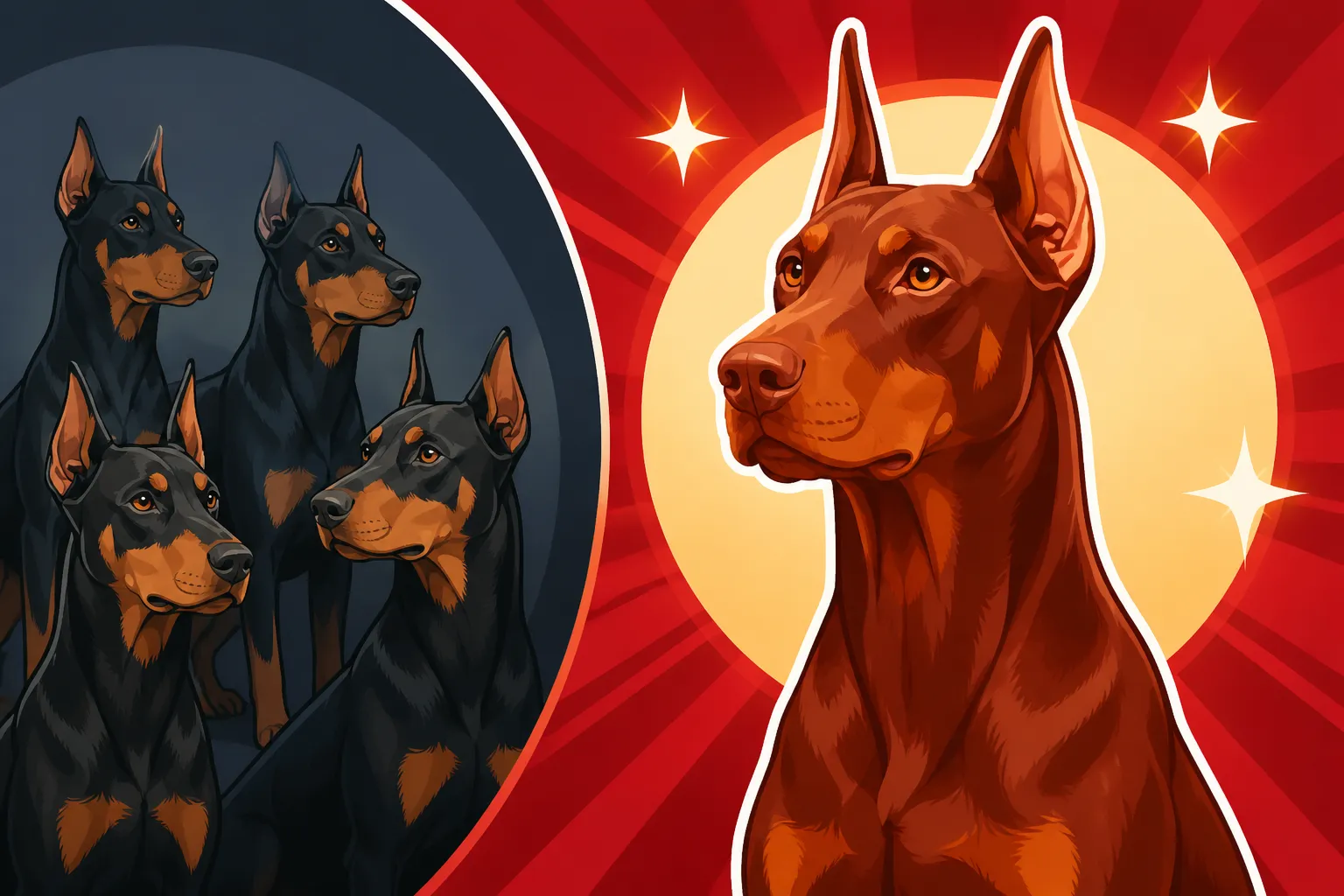
This genetic reality often clashes with people's perceptions. Because black and rust Dobermans are so iconic, so prevalent in media, and historically favored in some show lines, there's a widespread assumption that red Dobermans are somehow "rare." They're certainly less common than black Dobermans in many regions, but that doesn't automatically mean they're genetically rare. It simply means the genetic combination required for red is recessive, and breeders might produce more blacks, or perhaps certain black lines have been more widely bred over time. The truth is, red Dobermans are a perfectly standard and accepted color within the breed.
Dilute Colors: Blue and Fawn
Beyond the core black and red, Dobermans can also exhibit what are known as "dilute" colors: blue and fawn. These colors are genuinely rarer and arise when a specific dilution gene acts upon the base black or red coat. Blue Dobermans are essentially diluted black Dobermans, where the black pigment is lightened to a grey-blue shade. Fawn Dobermans are diluted red Dobermans, with their red coat appearing much lighter, often a sandy or Isabella shade.
The dilution gene, like the red gene, is recessive. For a Doberman to be blue or fawn, it must inherit two copies of the dilution gene, in addition to carrying the black or red genes accordingly. The truly important distinction here is that these dilute colors can sometimes be associated with specific health concerns, most notably Color Dilution Alopecia in Blue and Fawn Dobermans. This is why responsible breeders of blue and fawn Dobermans are so crucial, and why these colors require extra consideration compared to black and red. While striking, the genetic mechanisms behind blue and fawn make them genuinely distinct from the black and red varieties in terms of overall prevalence and potential care needs.
Is the Red Doberman Truly Rare? Debunking the Myth
The idea of a "rare" red Doberman is persistent, and it's easy to see why. When you walk into a Doberman event or even just browse online, you'll often see more black-and-rust dogs. This visual dominance leads many to conclude that red must be an uncommon, perhaps even exotic, variant. However, a deeper look at Doberman genetics reveals a more nuanced picture.
The Genetics Behind Red Dobermans
Let's talk about the specific genes responsible. Doberman colors are primarily controlled by what geneticists refer to as the "B locus." This locus determines whether a dog can produce black pigment.
- A Doberman with at least one dominant 'B' allele (BB or Bb) will have black pigment in its coat.
- A Doberman with two recessive 'b' alleles (bb) will have red pigment.
Think of it like this:
- Black Doberman: Can be BB (carries only black) or Bb (carries black and red).
- Red Doberman: Must be bb (carries only red).
This means that a red Doberman isn't a genetic anomaly; it's simply the expression of a recessive gene. If two black Dobermans that both carry the recessive 'b' gene (meaning they are both Bb) are bred together, statistically, about 25% of their puppies will be red (bb), 50% will be black carriers (Bb), and 25% will be black not carrying red (BB). This makes red Dobermans a completely natural and expected outcome in Doberman litters, provided the parent dogs carry the necessary genes. It's not about rarity in a genetic sense, but rather the distribution of these alleles within the breeding population.
Perception vs. Reality: Why Red Seems Rare
So, if red Dobermans aren't genetically rare, why do they seem less common? Several factors contribute to this perception:
- Historical Preference: In the early days of the breed and for many years in the show ring, the classic The Black and Rust Doberman was often favored. This led to more black Dobermans being intentionally bred and shown, naturally increasing their numbers over time. The powerful, sleek image of a black Doberman became the breed's hallmark.
- Breeder Focus: Some breeders may focus on specific lines that consistently produce black Dobermans, either due to their own preference or the perceived market demand. If a breeder doesn't actively try to produce reds by pairing two 'Bb' carriers, then fewer reds will naturally appear in their litters.
- Eye-Catching Contrast: The stark black and rich rust markings create a high-contrast appearance that is undeniably striking and instantly recognizable. While The Red Doberman also boasts beautiful rust markings, the overall visual impact might be perceived differently by the public. This can lead to a slight bias in how people recall or identify Dobermans.
- Regional Differences: The popularity of red Dobermans can vary by region. In some areas, they might be just as common as black Dobermans, while in others, they might indeed be seen less frequently. This isn't due to inherent rarity but rather local breeding trends and public preference.
Ultimately, while you might not see as many red Dobermans as black ones on a daily basis, they are a well-established and accepted color variant within the breed standard. Their relative frequency is more a reflection of breeding choices and historical trends than true genetic rarity.
The Charm and Nuances of the Red Doberman
Beyond the genetics and statistics, red Dobermans hold a special place in the hearts of many enthusiasts. Their warm, earthy tones are incredibly striking, offering a different kind of beauty than their black counterparts. They are, after all, still very much Dobermans, embodying all the intelligence, loyalty, and protective instincts the breed is known for.
The Spectrum of "Red"
When we say "red Doberman," it's important to understand that this isn't a single, monolithic shade. Just like human hair, there's a beautiful spectrum of reds that can appear in Dobermans. You might see dogs with a deep, rich mahogany coat that almost verges on chocolate, while others exhibit a lighter, coppery red that glistens in the sun. Some might even have a more brownish-red hue, reminiscent of a bay horse.
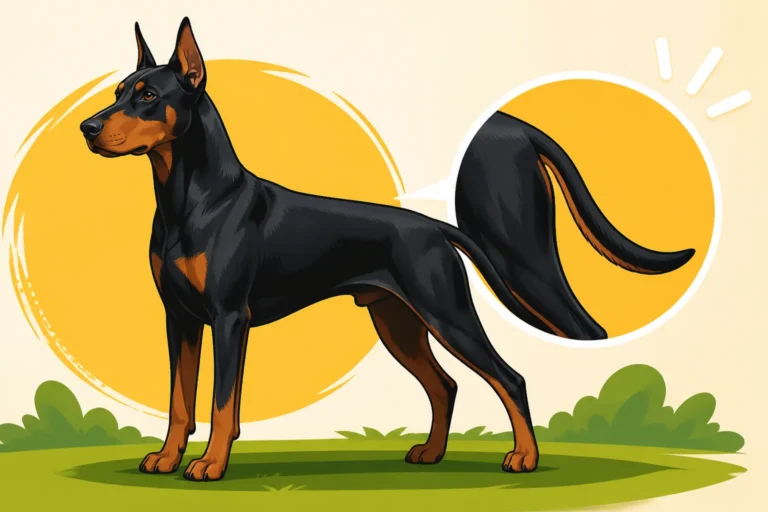
These variations in shade are normal and add to the unique appeal of each individual dog. Regardless of the specific red tone, all red Dobermans will display the characteristic "rust" markings. These markings are typically found above each eye, on the muzzle, throat, and forechest, on all four legs and feet, and beneath the tail. Understanding Where Rust Markings Belong on a Doberman helps appreciate the consistency of these patterns, even as the base coat color varies. The depth and richness of these rust markings can also vary, complementing the specific shade of red on their body.
Health Considerations for Red Dobermans
One of the most reassuring aspects for prospective owners is that the red color itself does not predispose Dobermans to any specific health issues. Unlike the dilute blue and fawn colors, which can sometimes be linked to Color Dilution Alopecia in Blue and Fawn Dobermans, the gene responsible for the red coat color (the 'b' allele) carries no inherent health risks.
This means that a red Doberman faces the same potential health challenges as a black Doberman. They are susceptible to common Doberman ailments such as Dilated Cardiomyopathy (DCM), Von Willebrand's Disease, Wobbler Syndrome, and hypothyroidism, among others. The Doberman Lifespan and Why It Is Short is often impacted by these breed-specific conditions, not coat color. Therefore, the most critical factor when acquiring any Doberman, regardless of its coat color, is to choose a responsible breeder who performs comprehensive health testing on their breeding stock. This commitment to health ensures that you're getting a puppy from parents who have been screened for these inheritable conditions, giving your future companion the best possible start in life.
| Doberman Color | Genetic Basis | Perceived Rarity | Associated Health Concerns (Color-Specific) |
|---|---|---|---|
| Black | Dominant (BB or Bb) | Common | None |
| Red | Recessive (bb) | Less common but not truly rare | None |
| Blue | Diluted Black | Rarer | Color Dilution Alopecia (CDA) |
| Fawn | Diluted Red | Rarer | Color Dilution Alopecia (CDA) |
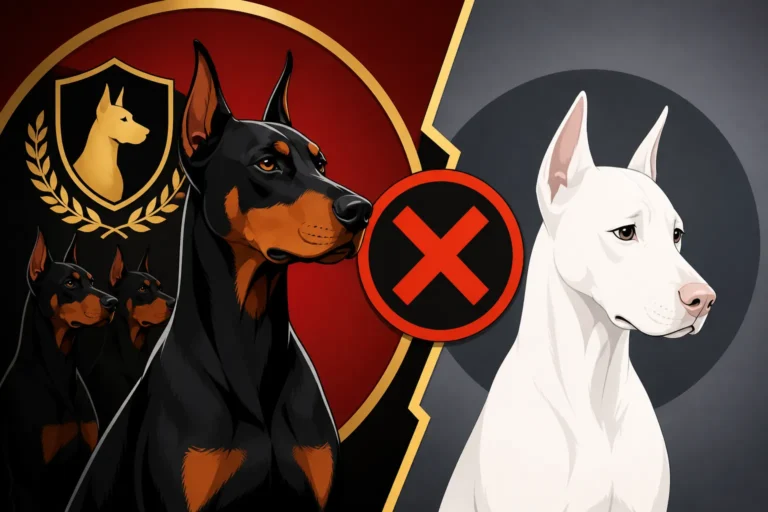
| White (Albino) | Recessive (aa) | Extremely Rare | Severe photosensitivity, other health risks |
Choosing a Red Doberman: What to Look For
So, you've fallen in love with the idea of a beautiful red Doberman. That's wonderful! They are magnificent dogs. But finding the right Doberman, regardless of color, is about much more than just aesthetics. It's about finding a healthy, well-tempered companion from a responsible source.
Finding a Reputable Breeder
This cannot be stressed enough: prioritize finding a reputable breeder above all else. A good breeder will put the health and temperament of their dogs first, and that means being transparent about their practices. When you're looking for a red Doberman puppy, or any Doberman puppy for that matter, make sure to ask about:
- Health Testing: Ask for verifiable health clearances for both parents, including cardiac screenings (Echocardiograms and Holter monitors), Von Willebrand's disease testing, thyroid panels, and potentially hip/elbow certifications. A breeder should be eager to show you The Health Testing a Doberman Breeder Must Show and discuss the results openly. Don't be shy about asking to see paperwork, not just hear verbal assurances. Reading a Doberman Breeder's Heart Paperwork is a critical skill for any prospective Doberman owner.
- Temperament: Observe the parents if possible. They should be confident, stable, and approachable, not overly shy or aggressive. A good breeder also starts socializing their puppies early, laying the foundation for a Building a Doberman Puppy That Is Confident, Not Sharp.
- Breeding Philosophy: A reputable breeder breeds for improvement, not just to produce puppies for sale. They should be knowledgeable about Doberman genetics, conformation, and working ability. They often participate in dog sports or conformation shows, demonstrating their commitment to the breed standard.
- Support and Contract: A responsible breeder will offer a health guarantee, a spay/neuter contract, and lifetime support for their puppies. They'll also ask you plenty of questions to ensure their puppies are going to good homes.
Avoid breeders who only advertise based on color, especially if they use terms like "rare" to hike up prices for red Dobermans or other colors. Focus on the whole package: health, temperament, and ethical breeding practices.
Preparing for Your Red Doberman
Once you've found your red Doberman puppy, the care and preparation are identical to bringing home any Doberman. These dogs are intelligent, energetic, and thrive on companionship and clear guidance.
- Training and Socialization: Early and consistent training is paramount. Dobermans are smart and learn quickly, but they need structure and boundaries. Enroll in puppy classes, continue with obedience training, and expose your Doberman to a variety of sights, sounds, people, and safe dogs from a young age. This helps them grow into well-adjusted adults.
- Exercise and Mental Stimulation: Dobermans are not couch potatoes. They require plenty of physical exercise – daily walks, runs, or play sessions. Just as important is mental stimulation through puzzle toys, training exercises, or even dog sports. A bored Doberman can become a destructive Doberman!
- Nutrition: Feed a high-quality diet appropriate for large, active breeds. Discuss nutrition with your breeder and veterinarian to ensure your Doberman receives all the necessary nutrients for healthy growth and development. You'll find a vast selection of premium dog foods and supplements on platforms like Chewy, making it easy to find what your Doberman needs.
- Supplies: Stock up on essential supplies before your puppy comes home. This includes a sturdy crate (Dobermans grow quickly, so plan for a large one!), appropriate leashes and collars, durable toys, food and water bowls, and grooming tools. You can often find great starter kits and high-quality items from trusted retailers like Chewy.
Remember, a red Doberman is first and foremost a Doberman. They demand commitment, consistency, and a deep bond with their human family. The color is merely a beautiful jacket on an incredible companion.
Disclaimer
This article is for general informational purposes only and does not constitute professional advice. Laws, prices and regulations vary by location and change over time. Consult a qualified professional for guidance on your specific situation.