Reading a Doberman Breeder’s Heart Paperwork
Bringing a Doberman into your life is an incredible joy, but it also comes with the heavy responsibility of understanding their unique health challenges, particularly when it comes to their hearts. It's a heartbreaking reality that Dobermans are highly susceptible to an insidious disease called Dilated Cardiomyopathy (DCM), which can strike without warning. This guide is here to demystify the crucial heart health paperwork a reputable Doberman breeder should provide, helping you navigate these complex documents so you can make the most informed decision possible for your future family member.
Understanding Doberman Heart Health Challenges
It's natural to feel overwhelmed when you start researching Doberman health. There's a lot of information out there, and much of it focuses on the serious health issues our beloved dogs can face. But understanding these challenges is the first step toward making responsible choices and giving your Doberman the best chance at a long, healthy life.
Why Heart Health is Paramount for Dobermans
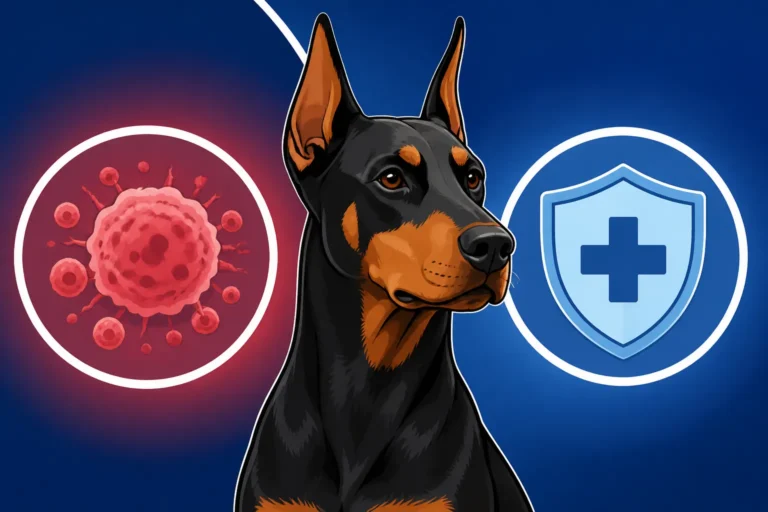
The Doberman Pinscher is, without a doubt, one of the breeds most affected by Dilated Cardiomyopathy (DCM). This isn't just a minor issue; it's a devastating disease where the heart muscle becomes thin and weak, leading to an enlarged heart that struggles to pump blood effectively. It can progress silently for years, making it incredibly difficult to detect without specific screenings. When we talk about finding a responsible Doberman breeder, their dedication to heart health testing isn't just a bonus; it's absolutely non-negotiable. This relentless disease is the primary reason why many Dobermans have a shorter lifespan than their owners hope. For a deeper dive into this condition, you might want to read about The Heart Disease That Reaches Most Dobermans.
The sheer prevalence of DCM in the breed means that breeders must be proactive in their breeding choices. Simply put, ignoring heart health when breeding Dobermans is irresponsible and perpetuates the cycle of this disease. Owners are often caught off guard, watching their seemingly healthy dog suddenly decline, highlighting the urgent need for robust screening protocols. It's not just about treating the disease once it's apparent; it's about doing everything possible to prevent it from happening in the first place through careful, ethical breeding practices.
The Silent Threat: DCM's Progression
One of the most frustrating and terrifying aspects of Doberman DCM is its "occult" or hidden phase. During this period, which can last for several years, a Doberman's heart is already undergoing pathological changes – enlarging, thinning, and developing arrhythmias – but the dog shows absolutely no outward signs of illness. They might be running, playing, and acting completely normal, making it incredibly hard for an owner to suspect anything is wrong. This is why regular, specialized heart screening is so critically important; without it, you'd never know there was a problem until the disease is already quite advanced. To truly grasp the gravity of this, consider learning about Why a Doberman Heart Fails Before Anyone Notices.
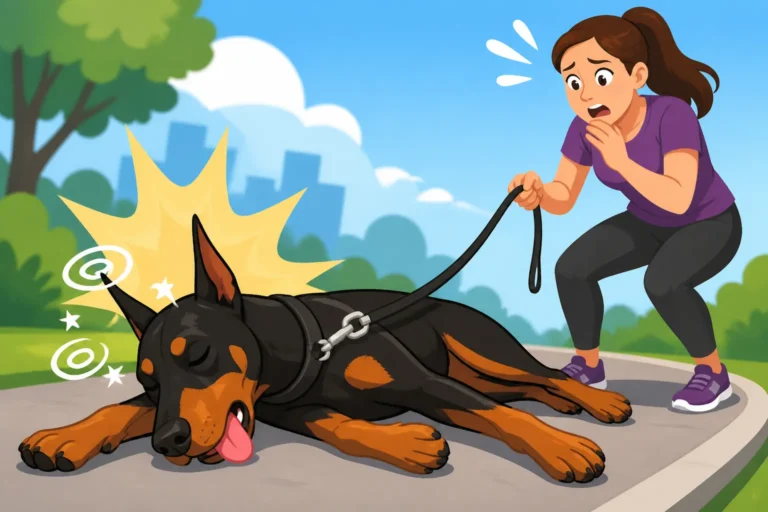
Imagine taking your vibrant, energetic Doberman for a walk, totally unaware that their heart is slowly failing. This scenario is a reality for countless Doberman owners who only discover their dog has DCM when they start exhibiting noticeable symptoms like coughing, lethargy, or even fainting. By this point, the disease has usually progressed to congestive heart failure, making treatment much more challenging and the prognosis more guarded. This is why the paperwork from a breeder isn't just a formality; it's a window into the efforts made to prevent this silent progression.
Deciphering the Breeder's Heart Screening Records
When a breeder presents you with their dogs' health paperwork, it can feel like you're staring at hieroglyphics. There are acronyms, numbers, and technical terms that aren't immediately clear. But with a little guidance, you can learn to read these documents and understand what they tell you about the health of your potential puppy's parents. It's about looking beyond a simple "clear" statement and understanding the depth of testing performed.
Annual Echocardiogram Results
An echocardiogram, often simply called an "echo," is a non-invasive ultrasound of the heart. This isn't your regular vet's stethoscope check-up; it's a detailed imaging procedure performed by a board-certified veterinary cardiologist. The echo allows them to visualize the heart's structure, measure its chambers, assess the thickness of its walls, and observe how well it's pumping blood. For Dobermans, annual echocardiograms are the gold standard for monitoring cardiac health and detecting subtle changes that might indicate the onset of DCM long before clinical signs appear. You'll want to review What a Doberman Echo Actually Measures to understand the intricacies.
When you look at an echo report, you're primarily looking for objective measurements. Key metrics include left ventricular internal diameter in systole and diastole (LVIDs and LVIDd), ejection fraction (EF), and fractional shortening (FS). A healthy Doberman will have these measurements within normal ranges. Crucially, you should see reports for both the sire and dam, ideally showing clear results over multiple years, especially for dogs aged two years and older. A single "clear" echo for a young dog isn't as reassuring as a history of clear annual echoes up to age five or six. Remember to check for the signature of a board-certified veterinary cardiologist, often abbreviated as DACVIM (Cardiology), as their expertise is essential for accurate interpretation.
24-Hour Holter Monitor Reports
While an echocardiogram gives us a snapshot of the heart's structure and function, a Holter monitor provides a movie of its electrical activity over a full 24-hour period. This small, portable device is worn by the dog, typically in a vest, allowing the cardiologist to record every heartbeat during various activities – resting, playing, eating, sleeping. This is vital for Dobermans because DCM often manifests with electrical abnormalities, particularly ventricular premature contractions (VPCs), which are extra, abnormal heartbeats that can lead to sudden cardiac death. To learn more about this crucial diagnostic, explore Twenty-Four Hours of Holter on a Doberman.
The Holter report will show the number of VPCs detected over the 24 hours. While a few VPCs might be considered normal even in healthy dogs, a significant number – typically over 100-300 VPCs in 24 hours – is a major red flag for DCM in Dobermans. As with echocardiograms, these tests should be performed annually by a board-certified veterinary cardiologist, and you should see a history of clear results for the breeding pair. Looking at How Many Abnormal Beats Worry a Doberman Cardiologist can give you a better idea of what those numbers mean. A comprehensive breeding program will incorporate both annual echoes and Holters to give the most complete picture of a Doberman's current cardiac health, as discussed in Annual Echo and Holter Screening for a Doberman.
Genetic DNA Test Results (DCM1 and DCM2)
Beyond structural and electrical assessments, advancements in genetics have given us DNA tests that can identify specific genetic mutations linked to DCM in Dobermans. The most well-known are the DCM1 (PDK4 gene deletion) and DCM2 (Titin variant) tests. It's critical to understand that these tests are not definitive diagnostics for DCM; rather, they identify a genetic predisposition or risk factor. A Doberman can be "clear" (meaning they don't carry the mutation), a "carrier" (one copy of the mutation), or "affected" (two copies of the mutation). These tests add another layer to understanding the genetic heritage of your puppy and can be further explored in The Two Doberman DCM Gene Tests.
For the DCM1 (PDK4) test, a Doberman inheriting two copies of the deletion has a significantly higher risk of developing DCM and often at an earlier age. You can read more about The DCM1 Gene Test Explained for Doberman Owners. The DCM2 (Titin variant) is also associated with an increased risk of DCM, and its interaction with DCM1 can further complicate the picture, as detailed in The DCM2 Titin Variant in Dobermans. While these genetic tests are valuable tools for breeders to make informed pairing decisions to reduce the risk in future generations, it's crucial to remember that a Doberman testing clear for both known mutations is not guaranteed to be free of DCM, nor is a carrier dog guaranteed to develop it. DCM is a complex, polygenic disease, meaning multiple genes and environmental factors are likely involved. Therefore, genetic testing should always be viewed as complementary to, not a replacement for, regular physical cardiac screenings like echoes and Holters.
Red Flags and What to Ask Your Doberman Breeder
Navigating the paperwork for a Doberman puppy can be a minefield, especially if you're new to the breed or specific health concerns. A responsible breeder will be an open book, eager to share their extensive health testing results and answer all your questions. Conversely, evasiveness or incomplete documentation should raise immediate red flags.
Recognizing Incomplete or Questionable Paperwork
When reviewing a breeder's heart paperwork, several inconsistencies or omissions should make you pause. First, always look for the dates on the certifications. Heart screenings need to be annual. If you're only shown a single "clear" echo from when a dog was two years old, but they are now five, that's a problem. DCM can develop and progress quickly, so outdated information is largely useless. Second, verify the credentials of the professional who performed and interpreted the tests. An echo or Holter read by a general practitioner vet, no matter how skilled, does not hold the same weight as one signed off by a board-certified veterinary cardiologist (DACVIM-Cardiology). Their specialized training is essential for detecting the subtle nuances of Doberman heart disease.
Another major red flag is if a breeder offers "clear by parentage" for heart testing. While this can apply to simple recessive genetic traits, it's completely inadequate for DCM, which is a complex disease with multiple genetic factors and environmental influences. Each breeding dog needs its own individual, annual screenings. Be wary if a breeder only provides general health certificates without specific, detailed cardiac reports from a cardiologist. And always be suspicious if paperwork seems doctored or if original copies are not available for review. Reputable breeders often register their results with public databases like the Orthopedic Foundation for Animals (OFA) or participate in the Canine Health Information Center (CHIC) program, making verification straightforward. They should be transparent and willing to show you Whether a Doberman Breeder Should Show Echo Results without hesitation.
Crucial Questions for Your Breeder
Beyond scrutinizing the documents, having a list of pointed questions for your Doberman breeder is invaluable. Don't be shy; a good breeder will appreciate your thoroughness. Start by asking about the frequency of their heart screening for their breeding dogs. Are they performing annual echoes and Holters? For how many generations back have they been consistently screening? Ask if they've ever had a dog in their lines develop DCM, and if so, how they handled it in their breeding program. This shows their commitment to transparency and ethical breeding.
Inquire about their philosophy regarding breeding dogs that are carriers for DCM1 or DCM2. While many reputable breeders will still breed carriers (to maintain genetic diversity and avoid narrowing the gene pool too much), they should always pair a carrier with a clear dog to ensure no puppies are "affected" (two copies of the gene). Ask which board-certified veterinary cardiologist they use and, if comfortable, if you could speak with them to verify testing protocols, though this may not always be feasible due to privacy. Finally, discuss their health guarantee. What does it cover, specifically concerning heart disease? For instance, some guarantees might cover reimbursement or replacement for a puppy diagnosed with severe, early-onset DCM. A breeder's commitment to extensive health screening is an investment in the longevity of their lines, and ultimately, in the health of your puppy. This proactive approach by breeders is also something that insurance providers, like Healthy Paws, look favorably upon, as it indicates a lower risk pool for their policies. Understanding The Health Testing a Doberman Breeder Must Show will empower you to ask all the right questions.
Proactive Steps for Your Doberman's Future
Even with the most meticulously screened parents, owning a Doberman means committing to a lifetime of proactive health management. The work doesn't stop once you bring your puppy home; in fact, it's just beginning. Being vigilant and prepared is key to helping your Doberman live their fullest life.
Continued Screening and Early Intervention
Once you bring your Doberman puppy home, remember that their inherited health is a foundation, not a guarantee. Even with impeccably clear parents, your Doberman will still need regular cardiac screening as they age. The consensus among Doberman cardiologists is to begin annual echocardiograms and Holter monitoring around two to three years of age. This allows for early detection of any changes that might indicate the onset of DCM, offering the best chance for early intervention with medications that can significantly prolong their quality of life. To truly understand the timeline, delve into The Age to Start Screening a Doberman's Heart.
Beyond formal cardiac screenings, maintaining regular veterinary check-ups is paramount. Your primary care veterinarian can monitor for subtle changes in your Doberman's demeanor, energy levels, or breathing that might suggest a heart issue. Be observant yourself: is your Doberman tiring faster on walks? Are they coughing, especially at night or after exercise? Are they reluctant to play as vigorously as before? These can be subtle signs of progressing heart disease, and reporting them promptly to your vet can make a significant difference. Early intervention, even before obvious symptoms, can buy precious time.
The Role of Pet Insurance
Let's be realistic: managing a Doberman's health, particularly if they develop a condition like DCM, can become incredibly expensive. Veterinary cardiology specialists, diagnostic tests, and long-term medications can quickly add up to thousands of dollars annually. This is where pet insurance becomes less of a luxury and more of a necessity for Doberman owners. It acts as a financial safety net, allowing you to make medical decisions based on what's best for your dog, rather than being limited by your budget.
However, the key to effective pet insurance for Dobermans is to enroll them early, ideally as puppies, or at least before their first cardiac screening. Most pet insurance policies, including those from providers like Healthy Paws, have exclusions for pre-existing conditions. If your Doberman receives a DCM diagnosis, or even an abnormal heart finding, before you enroll them or during the policy's waiting period, any treatment related to that condition will likely not be covered. So, acting preemptively is crucial. With a policy in place from a reliable provider like Healthy Paws, you can face the potential reality of Doberman heart disease, or any other unexpected illness, with much greater peace of mind, knowing that a significant portion of those expensive specialist visits and medications will be covered. Learning about Insuring a Doberman Before the Heart Turns can provide invaluable insights for this process. It's an investment in their future health, especially as you approach Renewing a Doberman Policy in the DCM Years when costs often escalate.
Key Doberman Heart Health Tests
| Test Type | What it Assesses | Frequency | What to Look For in Results | Performed By |
|---|---|---|---|---|
| Echocardiogram | Heart structure, chamber size, wall thickness, pumping function, valve integrity. | Annually | "Normal" findings, specific measurements (LVIDd, LVIDs, EF, FS) within breed-specific healthy ranges. Consistent clear history over multiple years. | Board-Certified Veterinary Cardiologist (DACVIM-Cardiology) |
| Holter Monitor | Heart's electrical activity, presence and number of arrhythmias (VPCs). | Annually | Low VPC count (ideally < 100-300 in 24 hours). Consistent clear history over multiple years. | Board-Certified Veterinary Cardiologist (DACVIM-Cardiology) |
| DCM1 (PDK4) Gene Test | Genetic predisposition to DCM (identifies a specific mutation). | Once (lifetime) | "Clear" (no copies of mutation) or "Carrier" (one copy) if paired with a clear dog. "Affected" (two copies) indicates high risk. | Accredited DNA Testing Lab |
| DCM2 (Titin) Gene Test | Genetic predisposition to DCM (identifies a specific mutation). | Once (lifetime) | "Clear" (no copies of mutation) or "Carrier" (one copy) if paired with a clear dog. "Affected" (two copies) indicates high risk. | Accredited DNA Testing Lab |
Disclaimer
The information provided in this article is for educational purposes only and is not intended to be a substitute for professional veterinary advice, diagnosis, or treatment. Always seek the advice of your veterinarian or other qualified health provider with any questions you may have regarding a medical condition.