Monitoring Bloodwork for a Doberman Liver
One of the most insidious challenges Doberman owners face is the potential for silent, progressive health issues that can fester for years without obvious signs. Among these, liver disease, particularly copper-associated hepatopathy, stands out as a serious concern, often only revealing itself when significant damage has already occurred. This guide is dedicated to helping you understand why your Doberman's liver needs careful monitoring, what specific blood tests are crucial, when to perform them, and how to interpret the results to safeguard your beloved companion's health.
Why Doberman Livers Need Special Attention
It’s heartbreaking to think that our strong, vibrant Dobermans could be harboring a silent illness, but when it comes to liver health, this is often the case. Unlike some more obvious conditions, liver disease can progress quietly, making proactive monitoring not just a good idea, but an absolute necessity for our breed.
The Genetic Predisposition to Copper Storage
Dobermans, unfortunately, are genetically predisposed to a condition called copper-associated hepatopathy, sometimes referred to as copper storage disease. This means their bodies can struggle to metabolize and excrete copper properly, leading to an accumulation of the metal in the liver. Over time, this excess copper becomes toxic, causing inflammation, cell damage, and eventually, scarring (cirrhosis) and liver failure. It's a cruel twist of genetics that means a seemingly healthy dog can be slowly poisoning itself.
What makes this even more frustrating is that the disease progresses slowly, often over years. You might not see any outward signs of illness until a significant portion of the liver is already damaged. This is why just waiting for symptoms to appear is a gamble many Doberman owners regret taking. Knowing that your dog is at higher risk for Why Doberman Livers Store Copper really emphasizes the need for early and regular checks.
Silent Progression and the Need for Early Detection
The liver is an incredibly resilient organ, capable of functioning quite well even when a large percentage of its cells are compromised. This resilience is a double-edged sword for Doberman owners. On one hand, it allows the dog to maintain a good quality of life for an extended period. On the other hand, it means that by the time you notice classic signs of liver disease—like jaundice, lethargy, vomiting, or a distended abdomen—the disease is often in an advanced stage, making treatment much more challenging and less effective.
Imagine your Doberman, full of life, sprinting across the yard, seemingly without a care in the world. Meanwhile, inside, their liver is quietly accumulating copper, inching closer to critical failure. This is why the concept of early detection through routine bloodwork is so vital. It’s about catching those subtle shifts in biochemical markers before they translate into visible illness, giving you and your veterinarian the best chance to intervene. We've seen too many cases where owners wish they had known about How Many Dobermans Have Silent Liver Disease sooner.
Key Bloodwork Markers for Liver Health
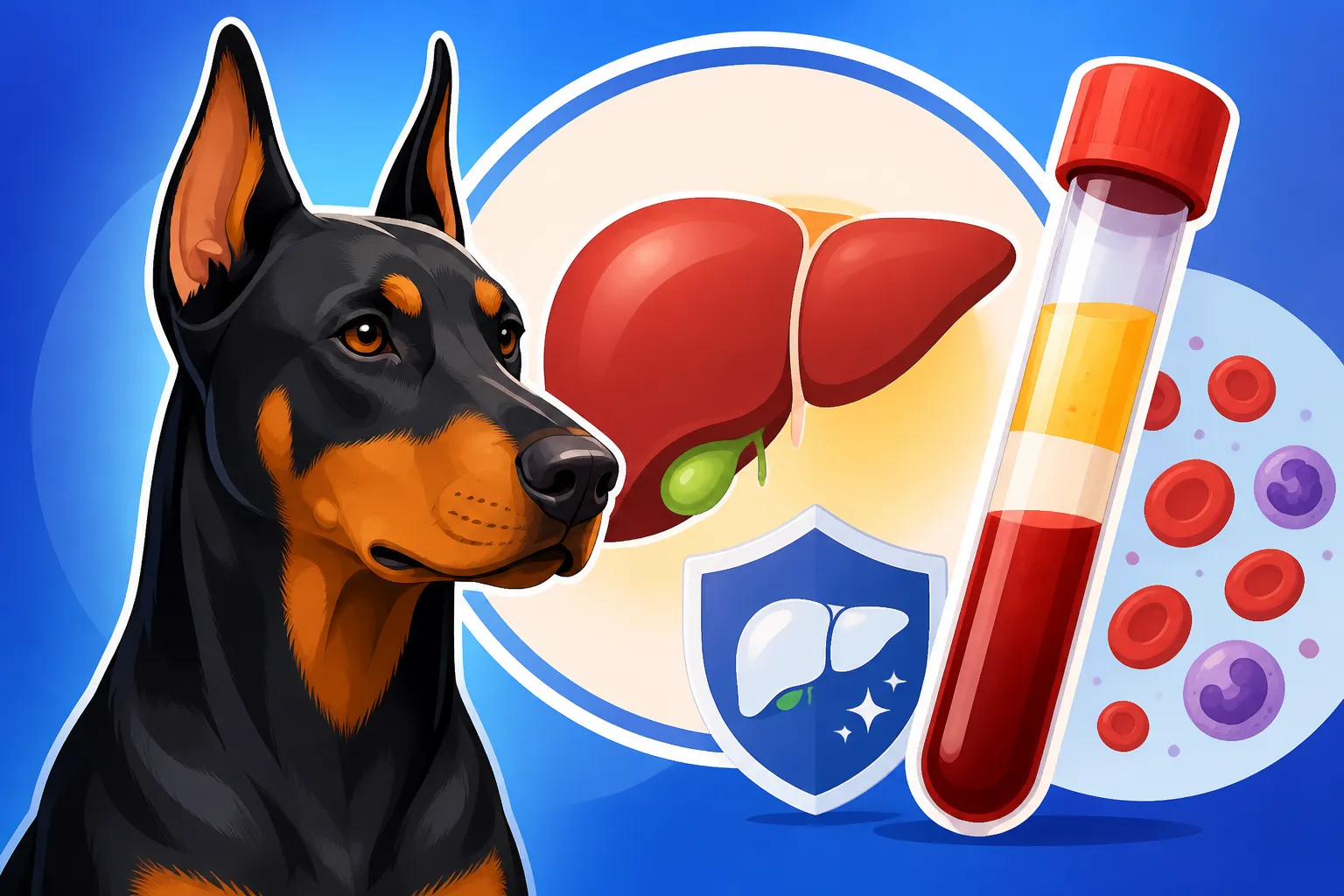
When your veterinarian runs a blood panel to check on your Doberman's liver, they aren't just looking at one number. They're looking at a constellation of indicators that, when viewed together, paint a picture of what's happening inside. It's like a detective gathering clues to solve a mystery.
Liver Enzymes ALT, ALP, GGT, and Bilirubin
These are often the first things we look at. They're typically part of a standard complete blood count (CBC) and chemistry panel.
- ALT (Alanine Aminotransferase): This enzyme is found primarily in liver cells. When liver cells are damaged or dying, ALT leaks into the bloodstream, causing its levels to rise. A significant increase in ALT is often the first red flag that liver cell damage is occurring.
- ALP (Alkaline Phosphatase): ALP can also indicate liver issues, but it's a bit less specific. It can rise with bile duct obstruction, certain medications (like steroids), or even in growing puppies. In older Dobermans, especially, a sustained elevation needs further investigation.
- GGT (Gamma-Glutamyltransferase): Similar to ALP, GGT can indicate liver cell damage or bile duct problems. It's often evaluated alongside ALP to get a clearer picture.
- Bilirubin: This is a byproduct of red blood cell breakdown, processed and excreted by the liver. Elevated bilirubin in the blood can indicate that the liver isn't processing it correctly, or there's an obstruction in the bile ducts. High bilirubin levels are what cause jaundice, the yellowing of skin and eyes, which is often a sign of advanced liver trouble.
It's important to remember that elevated liver enzymes don't automatically mean liver failure. Stress, certain medications, or even other health conditions can temporarily increase these values. However, in a Doberman, persistent elevations are a serious call to action. You can often see these results under Liver Enzyme Results in a Doberman.
Here's a quick look at what these common markers might indicate:
| Blood Test Marker | Primary Indication | Specificity for Liver |
|---|---|---|
| ALT (Alanine Aminotransferase) | Liver cell damage, inflammation | High |
| ALP (Alkaline Phosphatase) | Bile flow obstruction, liver cell damage, bone growth | Moderate (can be elevated by other factors) |
| GGT (Gamma-Glutamyltransferase) | Bile flow obstruction, liver cell damage | High (especially with ALP) |
| Total Bilirubin | Impaired liver function, bile duct obstruction | High |
Bile Acids and Ammonia Tests for Liver Function
While the enzymes mentioned above indicate damage to the liver, bile acid and ammonia tests assess how well the liver is actually functioning. These are considered more direct indicators of liver function.
- Bile Acid Stimulation Test: This involves taking a blood sample after a fast, feeding the dog a small meal, and then taking another sample a couple of hours later. The liver produces bile acids to help digest fats, then reabsorbs them. If the liver isn't functioning correctly, bile acid levels in the post-meal sample will remain elevated because the liver isn't clearing them from the blood as it should. This is a very sensitive test for liver dysfunction.
- Ammonia: The liver is responsible for converting ammonia, a toxic byproduct of protein metabolism, into urea, which is then excreted by the kidneys. If the liver is compromised, ammonia can build up in the bloodstream, leading to neurological signs (hepatic encephalopathy). An elevated ammonia level is a serious finding and indicates significant liver impairment.
These functional tests are crucial when initial enzyme levels are high or if your Doberman is showing subtle signs that could be related to liver issues, such as disorientation or unusual lethargy.
Albumin, Globulin, and Glucose – Broader Indicators
Beyond the direct liver markers, a standard blood chemistry panel provides other insights. The liver plays a huge role in producing proteins and regulating blood sugar, so changes in these values can also point to liver trouble.
- Albumin and Globulin: These are proteins produced by the liver. Low albumin levels (hypoalbuminemia) can suggest that the liver isn't producing enough protein, which often happens with chronic liver disease. Changes in globulin levels can also be indicative of chronic inflammation or other underlying issues that might indirectly affect the liver.
- Glucose (Blood Sugar): The liver is central to maintaining stable blood sugar levels. In severe liver disease, the liver's ability to produce or release glucose can be impaired, leading to dangerously low blood sugar (hypoglycemia). While hypoglycemia can have many causes, in the context of other liver markers, it’s another piece of the puzzle.
These broader indicators, while not exclusive to liver disease, become highly significant when combined with other suspicious findings, urging a deeper dive into your Doberman's liver health.
When and How Often to Monitor Your Doberman's Liver
Knowing what to test for is only half the battle; knowing when and how often is equally crucial, especially for a breed like the Doberman with its known predispositions.
Starting Early: Baseline Testing in Young Dobermans
For Dobermans, the conversation about liver health should really start early. Many veterinarians recommend establishing a baseline liver panel when your Doberman is still young, typically around 1-2 years of age, or even with their routine puppy vaccinations if your vet is agreeable. This initial bloodwork gives you a picture of what "normal" looks like for your specific dog.
Think of it like setting a benchmark. If you have a baseline, any future changes, even subtle ones, become much easier to spot. Without it, you’re comparing your dog's future results to a generalized "normal range," which might not be perfectly normal for them. A solid baseline helps in Whether Doberman Liver Disease Can Be Caught Early by giving you data to track trends. It's a small investment early on that can pay huge dividends in peace of mind and early intervention down the line.
Routine Annual Monitoring for Adult Dobermans
Once you have that baseline, annual liver function panels should become a non-negotiable part of your Doberman's routine veterinary care. This means a chemistry panel, and potentially a bile acid test if your vet recommends it based on the breed's risk.
Many vets already include these as part of a general wellness panel, but it’s always good to specifically ask about the liver markers for your Doberman. Why annual? Because that silent progression we talked about means changes can occur slowly over 12 months. Catching these changes year over year is how you stay ahead of the curve. Even if your Doberman seems perfectly healthy, this yearly check is critical. As they get older, around 6-8 years, your vet might even suggest more frequent monitoring or adding additional tests, especially if previous results showed any slight anomalies.
Increased Vigilance for Symptomatic Dobermans
If your Doberman starts showing any signs that could point to liver issues, it’s time for immediate bloodwork, regardless of when their last annual check was. These symptoms can be subtle or dramatic:
- Lethargy or decreased activity: Your usually energetic Doberman is just not as keen to play or go for walks.
- Loss of appetite or weight loss: They're turning their nose up at food, or you notice they're looking a bit thinner.
- Vomiting or diarrhea: Especially if it's persistent or unexplained.
- Increased thirst or urination: Though this can point to many conditions, it's worth noting.
- Jaundice: A yellow tinge to their gums, skin, or the whites of their eyes. This is a severe sign.
- Dark urine or pale stools: Indicating issues with bilirubin excretion.
- Disorientation, circling, or unusual behavior (hepatic encephalopathy): These neurological signs are often associated with ammonia buildup due to severe liver dysfunction.
If you observe any of these, don't wait. Contact your vet right away. Bloodwork will be a primary diagnostic tool to confirm if the liver is involved and to what extent, guiding the necessary next steps.
Understanding Your Doberman's Bloodwork Results
Receiving bloodwork results can be a little nerve-wracking, especially when you see numbers outside the "normal" range. But it's important not to panic. Understanding what those numbers mean, and what the next logical steps are, is key to being a proactive advocate for your Doberman's health.
Interpreting Elevated Liver Enzymes
When you get those results back and your Doberman's liver enzymes are elevated, it doesn't automatically mean a death sentence. It means "investigation needed." Here’s what your vet will consider:
- How high are they? A slight elevation might be due to stress from the vet visit, a medication, or a mild inflammatory process elsewhere in the body. Significantly elevated enzymes (e.g., 2-3 times the upper limit or more) are much more concerning and point strongly to primary liver damage.
- Which enzymes are elevated? If ALT is high, it points to liver cell damage. If ALP and GGT are also high, especially alongside ALT, it might suggest bile flow issues or a more widespread problem.
- Are there other clinical signs? If your Doberman is acting completely normal despite a mild enzyme elevation, your vet might recommend re-testing in a few weeks to see if it resolves. If they are showing symptoms, even a mild elevation demands immediate attention.
- What's the trend? This is where your annual monitoring and baseline tests become invaluable. Is this a sudden spike, or has there been a gradual, upward trend over several years? Trends tell a powerful story.
Your vet will take all these factors into account to interpret Liver Enzyme Results in a Doberman and decide on the appropriate course of action.
The Next Steps After Abnormal Results
If bloodwork reveals abnormal liver values, your veterinarian will likely recommend further diagnostics to pinpoint the cause and severity of the issue.
- Repeat Bloodwork: Sometimes, a single abnormal result can be an anomaly. Your vet might recommend a repeat blood test after a short period (e.g., 2-4 weeks) or after discontinuing any medications that might influence liver values.
- Imaging: An abdominal ultrasound is often the next step. This non-invasive procedure allows the vet to visualize the liver's size, shape, and internal architecture, looking for abnormalities like masses, changes in texture, or signs of inflammation or bile duct obstruction. They might also assess other organs.
- Liver Biopsy: This is often the most definitive diagnostic tool. A small piece of liver tissue is taken (either surgically or with a specialized needle guided by ultrasound) and sent to a lab for histopathological examination. This can confirm the presence of copper storage disease, determine the degree of inflammation and scarring, and rule out other liver conditions. Discussing What It Costs to Confirm Doberman Liver Disease is important at this stage.
- Dietary Modifications: For copper storage disease, a low-copper diet is often a cornerstone of treatment. Your vet might recommend specific prescription diets formulated for liver support. You can find many options, including low-copper prescription diets, on platforms like Chewy or discuss custom fresh food plans with services like Ollie, ensuring they meet the specific dietary requirements for liver health.
- Medication: Depending on the diagnosis, medication may be prescribed. This could include copper chelators (drugs that bind to copper and help remove it from the body, such as D-penicillamine or trientine), anti-inflammatory drugs, or supplements to support liver function. Knowing about Medication for a Doberman With Hepatitis and Chelation Drug Costs for a Doberman will be crucial here.
Working with Your Veterinarian and Specialists
Navigating a Doberman liver diagnosis can feel overwhelming, but you're not alone. Building a strong partnership with your veterinarian is paramount. They will guide you through the diagnostic process, explain the results in understandable terms, and outline a treatment plan tailored to your Doberman's specific needs.
In some cases, your primary vet might recommend consulting with a veterinary internal medicine specialist or a veterinary nutritionist, especially if the case is complex or requires very specific dietary management or advanced treatment protocols. These specialists have advanced training and experience with complex conditions like chronic liver disease. Don't hesitate to ask for a referral if your vet suggests it, or if you feel you need a second opinion. When considering the financial implications of long-term care, specialized diets, and ongoing monitoring, having pet insurance like Healthy Paws can significantly ease the burden, allowing you to focus on your Doberman's health rather than the mounting bills. Prescription Diet Costs for a Doberman Liver can add up over time, so planning ahead is wise.
Remember, you are your Doberman's advocate. Ask questions, understand the options, and work together with your veterinary team to give your beloved companion the best possible care and the longest, healthiest life.
Summary of Liver Blood Tests for Dobermans
To help visualize the key liver-related blood tests, here's a summary of what's commonly checked and why:
| Test Category | Specific Test | What it Measures | Why it's Important for Dobermans |
|---|---|---|---|
| Liver Enzymes | ALT | Leakage from damaged liver cells | Primary indicator of liver cell injury, often the first sign of trouble. |
| ALP | Enzyme often elevated with bile duct issues or liver damage | Can indicate bile stasis or liver disease; less specific than ALT. | |
| GGT | Enzyme associated with bile duct cells | Aids in confirming bile flow obstruction, often rises with ALP. | |
| Liver Function | Bile Acid Stimulation Test | Liver's ability to produce, excrete, and reabsorb bile acids | Highly sensitive test for liver dysfunction; assesses functional capacity. |
| Ammonia | Levels of toxic byproduct processed by the liver | Indicates severe liver impairment if elevated, can lead to neurological signs. | |
| General Health | Albumin | Protein synthesized by the liver | Low levels can indicate chronic liver disease. |
| Globulin | Immune proteins (changes can signal inflammation) | General indicator of inflammation or disease, can be affected by liver. | |
| Glucose | Blood sugar levels regulated by the liver | Low levels (hypoglycemia) can occur in severe liver failure. |
Taking a proactive approach to your Doberman's liver health through consistent monitoring is one of the most loving and responsible things you can do. By understanding the risks, knowing what to look for in bloodwork, and working closely with your veterinary team, you significantly improve your chances of catching potential problems early and ensuring your Doberman can live their best, healthiest life.
Disclaimer
This article is for general informational purposes only and does not constitute professional advice. Laws, prices and regulations vary by location and change over time. Consult a qualified professional for guidance on your specific situation.