Renewing a Doberman Policy in the DCM Years
It's one of the biggest heartaches of Doberman ownership: knowing that as your beloved companion reaches a certain age, the specter of Dilated Cardiomyopathy (DCM) looms large. The anxiety isn't just about their health, it's also about the financial burden, especially when it comes to renewing their pet insurance policy during these critical "DCM years." This guide is here to walk you through what to expect, how to prepare, and how to navigate the complex world of insurance renewals when your Doberman enters the age range where heart issues typically begin to manifest.
Understanding the Doberman's Critical DCM Years and Insurance Implications
For Doberman owners, the phrase "DCM years" isn't just a clinical term; it's a period fraught with worry. It’s the time when many of these magnificent dogs, often without obvious symptoms, can begin to develop the early stages of heart disease. Understanding this window and its implications for pet insurance is absolutely crucial.
When DCM Typically Manifests in Dobermans
DCM is often referred to as a "silent killer" because it can progress significantly before any outward signs become apparent. For Dobermans, this critical period generally begins around 4 to 6 years of age, though it can certainly strike younger or older dogs. It's not uncommon for a Doberman to appear perfectly healthy and full of energy, only for routine screening to reveal an occult (hidden) stage of DCM. This initial phase involves changes to the heart muscle and electrical activity, but the heart hasn't yet enlarged enough to cause the coughing, lethargy, or fainting that signal congestive heart failure.
Many owners are blindsided, thinking their dog is in its prime, only to discover their Doberman's heart is already compromised. This is why diligent, proactive screening is so important during these years. You can learn more about this silent progression by reading about The Age Doberman Heart Disease Usually Starts and The Silent Years Before a Doberman's Heart Shows.
The Impact of a DCM Diagnosis on Insurance Policies
The moment a veterinarian, particularly a veterinary cardiologist, records any finding consistent with DCM – whether it's an abnormal echo, an elevated Holter count, or a positive blood marker – your pet insurance company will likely classify it as a pre-existing condition. This isn't unique to Dobermans or DCM; it's a standard practice across pet insurance. A pre-existing condition is generally defined as any illness or injury that showed symptoms or was diagnosed before the coverage began or during a policy's waiting period.
The challenge during the "DCM years" is that symptoms can be subtle or entirely absent, and then suddenly, a screening reveals a problem. If your policy was already active and your Doberman had no recorded heart issues prior to enrollment or during its initial waiting period, then future DCM-related claims should be covered according to your policy's terms. However, if a condition is noted for the first time at renewal or shortly after, and you haven't been proactive with screening, you could face difficulties. It's a tricky tightrope walk, and many owners feel like they're walking on eggshells with every vet visit.
Proactive Steps Before Your Doberman's Policy Renewal
Given the Doberman's predisposition to DCM, being proactive is the name of the game when it comes to managing their health and, by extension, their insurance. Waiting until a problem arises often means missing the boat on optimal coverage.
Regular Heart Screenings Are Key
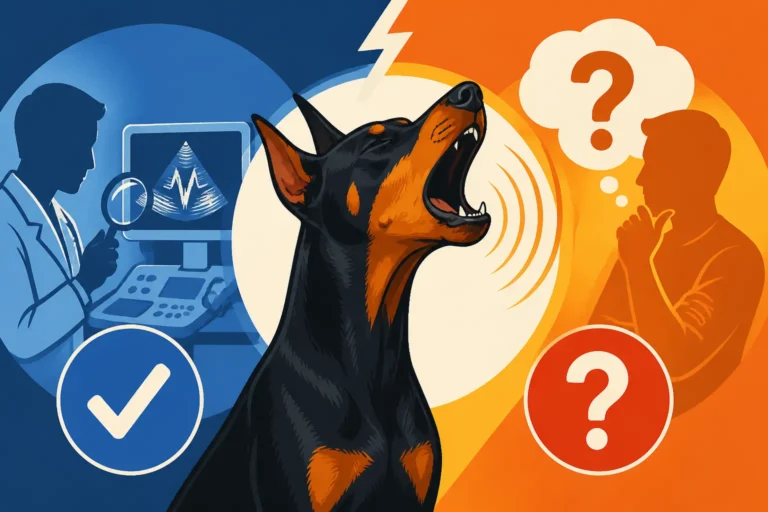
This cannot be stressed enough: regular, annual heart screenings are your best defense. This includes both an echocardiogram (echo) to check the heart's structure and function, and a 24-hour Holter monitor to record its electrical activity. These screenings can detect the early, occult stages of DCM long before your Doberman shows any outward signs of illness. Most veterinary cardiologists recommend starting these screenings by age two or three, and certainly no later than four years old, then continuing them annually.
If your Doberman consistently screens clear, this provides a strong record of health for your insurer. If an issue is found, having a policy in place before that finding is critical. Think of it as investing in peace of mind. Without this consistent screening, if your Doberman suddenly develops symptoms, it becomes much harder to argue that the condition isn't pre-existing when you try to make a claim. This is why learning about Annual Echo and Holter Screening for a Doberman is so vital for every Doberman owner.
Reviewing Your Policy's Terms and Conditions
Before that dreaded renewal notice arrives, take the time to actually read your pet insurance policy. Yes, it's tedious, but understanding the fine print can save you a world of stress and money. Pay close attention to sections on:
- Pre-existing Conditions: How does your specific provider define them? Is there a "curable" vs. "incurable" clause? For a progressive disease like DCM, it's almost always considered incurable once diagnosed.
- Waiting Periods: When you first enrolled, there would have been an initial waiting period. Does this apply to renewals, or only to new conditions that arise?
- Annual Limits and Deductibles: How much coverage do you have for chronic conditions? Are there separate deductibles for accidents versus illnesses?
- Specialist Consultations and Medications: Are visits to a board-certified cardiologist covered? What about the lifelong medications your Doberman might need, like pimobendan or antiarrhythmics?
Knowing these details before a problem arises helps you prepare. If you're considering getting insurance for a young Doberman, or if your current policy is inadequate, now is the time to research. Companies like Healthy Paws are known for comprehensive coverage, but it always pays to compare quotes and read their sample policies closely before enrollment, especially regarding hereditary conditions. You can also explore Getting a Doberman Covered Before the First Echo to ensure you start strong.
Navigating Renewal with a Pre-Existing DCM Condition
If your Doberman has already received a DCM diagnosis, even in its occult phase, renewing your policy becomes a much more delicate dance. The key here is clear communication and understanding your options.
Communicating with Your Insurer
When renewal time comes and your Doberman has a DCM diagnosis on record, transparency is essential. Your insurer will likely request updated veterinary records to assess the risk. This is where your diligent annual screenings and detailed vet notes become incredibly important. Be prepared to discuss:
- The initial diagnosis: When was DCM first identified? What were the findings?
- Current treatment plan: What medications is your Doberman on? What is the prognosis?
- Ongoing monitoring: What is the schedule for follow-up echoes, Holters, and bloodwork?
If your Doberman's DCM was diagnosed after your policy's waiting period and there was no evidence of it prior to enrollment, you generally have a strong case for continued coverage. However, every company and policy is different. Sometimes, depending on the severity and progression, your insurer might make adjustments to your policy or even offer different terms. This is especially true if you change providers, as the new provider would classify any existing condition as pre-existing. It's a big risk to switch once a diagnosis has been made.
Understanding Policy Changes and Exclusions
Once your Doberman has a DCM diagnosis, it’s possible your insurer might propose changes to your policy upon renewal. These changes could include:
- Increased Premiums: Due to the higher risk associated with a chronic, progressive condition.
- Higher Deductibles: You might be required to pay a larger out-of-pocket amount before coverage kicks in.
- New Exclusions: While your existing policy should continue to cover DCM if it wasn't pre-existing at enrollment, some insurers might try to introduce new exclusions for specific, advanced treatments or complications if your policy terms allow for annual review. This is why understanding What an Abnormal Echo Does to a Doberman Policy is so important.
It's vital to meticulously review any proposed changes. If you don't understand something, call your insurer and ask for clarification in writing. Never assume; always verify. Here's a quick comparison of how a policy might look before and after a DCM diagnosis, assuming the policy was in force and clear before diagnosis:
| Feature | Before DCM Diagnosis (Doberman aged 2-4) | After DCM Diagnosis (Doberman aged 4+) |
|---|---|---|
| Deductible | Standard | Potentially higher |
| Premium | Standard (based on age, breed) | Potentially increased |
| Annual Limit | Full policy limit applies | Full policy limit should apply |
| DCM Coverage | Fully covered | Fully covered (as pre-existing on renewal) |
| New Conditions | Fully covered | Fully covered (unless new exclusions) |
| Exclusions | Standard, general exclusions | Might include specific new exclusions for complications depending on policy |
Exploring Alternatives and Financial Planning
If, for some reason, your policy becomes too expensive, or if you face difficulties with renewal, don't despair. There are other avenues for financial planning.
- Pet Savings Accounts: Consider setting up a dedicated savings account specifically for your Doberman's medical expenses. Even if you have insurance, this can help cover deductibles, co-pays, or treatments that might not be fully covered.
- Veterinary Payment Plans: Many veterinary clinics and specialist hospitals understand the financial strain of chronic illness and offer payment plans. Don't be afraid to ask about options.
- Breed-Specific Rescues and Charities: Some Doberman rescues or charities might offer financial assistance programs for Dobermans with severe health conditions. These resources are often community-driven and can provide a much-needed lifeline.
- Discount Plans: While not insurance, some discount plans offer reduced rates on veterinary services for an annual fee. These can be helpful for ongoing maintenance and medication costs.
For managing the day-to-day care and medication, online retailers like Chewy can be a huge help. They often carry prescription diets specifically formulated for cardiac health and can ship medications directly to your door, potentially saving you trips and offering competitive pricing on the essential supplies your Doberman will need throughout their treatment for DCM. This ongoing care is a significant part of Lifetime Heart Medication for a Doberman.
The Long-Term Financial Picture for a Doberman with DCM
Living with a Doberman diagnosed with DCM is a marathon, not a sprint. The financial commitment extends far beyond the initial diagnosis and insurance renewal. It requires long-term planning and advocacy for your beloved companion.
Estimating Costs Beyond Insurance
Even with a robust insurance policy, there will inevitably be out-of-pocket costs. Deductibles need to be met annually, and co-pays are a part of every specialist visit. Then there are the costs that might simply exceed your annual coverage limits, especially for a severe or rapidly progressing case of DCM.
Consider the potential for emergency vet visits if your Doberman experiences a sudden collapse or goes into congestive heart failure. These situations can rack up bills quickly for diagnostics, hospitalization, oxygen therapy, and new medications. A visit to a veterinary emergency room can easily run into thousands of dollars, making even a portion of it a significant hit. Owners often find that The Yearly Heart Bill for a Doberman can be substantial.
Advocating for Your Doberman's Continued Care
Your role as an advocate for your Doberman is paramount. This means not only staying on top of their medical care but also being proactive in managing the financial aspects. Keep meticulous records of all vet visits, diagnoses, treatments, and communications with your insurance company. If you ever feel a claim is unfairly denied or a policy change is unwarranted, having clear, documented evidence can be invaluable for an appeal.
It's also about building a strong relationship with your veterinary team, particularly your cardiologist. They are your partners in this journey and can offer guidance on managing costs, optimizing treatment plans, and navigating insurance complexities. They often see what works and what doesn't with various providers and can help you understand the long-term prognosis and what to expect. While it's heartbreaking to consider, understanding the progression and knowing when to make difficult decisions is part of this journey, as explored in Deciding When a Doberman With DCM Has Had Enough.
Ultimately, renewing a Doberman policy in the DCM years can feel like walking a tightrope. But with proactive health screening, a thorough understanding of your insurance, and diligent financial planning, you can provide your Doberman with the best possible care and support through these challenging years.
Disclaimer
This article is for general informational purposes only and does not constitute professional advice. Laws, prices and regulations vary by location and change over time. Consult a qualified professional for guidance on your specific situation.