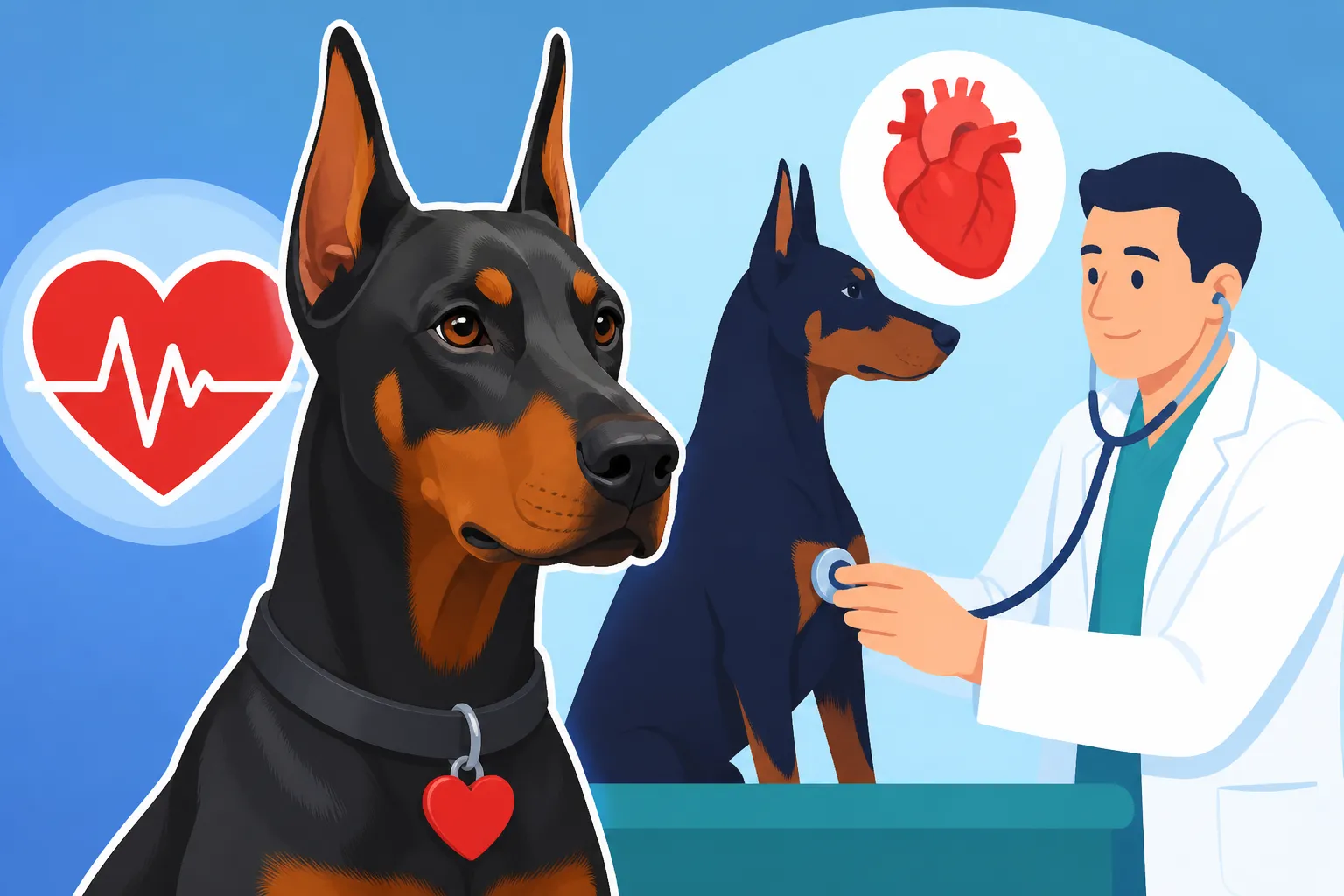
What a Doberman Sees a Cardiologist For
The moment you realize your beloved Doberman isn't quite themselves, or you're simply trying to stay ahead of the curve with this breed, the thought of a cardiologist can be incredibly daunting. It's a specialist visit that often carries a heavy weight of worry for Doberman owners, largely because of the breed's well-known predisposition to heart conditions. This guide will walk you through exactly why your Doberman might see a veterinary cardiologist, from routine screenings to urgent medical needs, and what to expect every step of the way.
Understanding Doberman Dilated Cardiomyopathy (DCM)
For many Doberman owners, the term "cardiologist" immediately conjures images of Dilated Cardiomyopathy, or DCM. And for good reason – it's the most common and devastating heart disease in the breed. This isn't just a generic heart issue; it’s a specific, progressive condition that silently weakens the heart muscle, making it less efficient at pumping blood. The heart chambers enlarge and the walls thin, leading to a cascade of problems if left undetected.
The Insidious Nature of DCM in Dobermans
One of the cruelest aspects of Doberman DCM is its stealthy progression. For years, often a Doberman will appear completely normal, full of energy, and show no outward signs of illness. This is known as the "occult" or "pre-clinical" phase. During this time, the heart is already undergoing significant changes, but the dog's body is compensating. It’s a frustrating reality for owners who often wish there were obvious indicators. Imagine your dog playing fetch like always, eating well, greeting you with boundless enthusiasm, while internally, their heart is slowly failing. This makes the thought of annual screening, even for a seemingly healthy dog, a source of anxiety for many. You're constantly wondering if each clear screening will be the last.
Genetic Predisposition and Early Onset
The strong genetic link to DCM in Dobermans is undeniable. Researchers have identified several gene mutations, like the DCM1 and DCM2 variants, that are associated with an increased risk. While not every Doberman with these genes will develop the disease, and some Dobermans without them still do, the prevalence makes genetic testing a common first step for many owners and breeders. Sadly, the disease can strike at a relatively young age, sometimes as early as two or three years old, though more commonly signs might emerge in middle age, around four to eight years. This early onset compounds the heartbreak, as many dogs are just hitting their prime when the disease begins to manifest. The anxiety around The Doberman Years When Everything Shows Up is very real for owners.
Recognizing Subtle Signs at Home
While DCM is insidious, there are often subtle cues that dedicated owners might pick up on before the disease becomes overt. These early signs can be incredibly easy to dismiss or attribute to other factors. Perhaps your usually boisterous Doberman seems to tire just a little faster on walks, or they're not quite as eager to play for as long. You might notice a slight, infrequent cough, especially after exercise or when they're excited. Some owners report their dog seems a bit more lethargic, or their appetite isn't as robust as it once was. You might even chalk it up to a humid day or just getting older, but for a Doberman, these tiny shifts can be red flags. It's truly a test of how well you know your dog, because these aren't typically dramatic collapses or acute distress signals until the disease has progressed significantly.
The Diagnostic Journey: What Happens at the Cardiologist
When your regular veterinarian suspects a heart issue, or you decide to pursue proactive screening for your Doberman, a referral to a veterinary cardiologist is the standard recommendation. These specialists have advanced training and equipment dedicated solely to diagnosing and treating heart conditions, offering a level of precision and expertise your primary vet might not have.
Initial Consultation and Physical Examination
Your first visit with a Doberman to a cardiologist usually begins with a thorough consultation. The specialist will want to hear everything: your dog's history, any symptoms you've noticed, their activity levels, and a detailed family history if you have it (especially important for Dobermans). They'll perform a comprehensive physical exam, listening intently to your dog's heart for murmurs or arrhythmias, checking their pulse, assessing gum color, and looking for any signs of fluid retention in the abdomen or lungs. This initial assessment helps the cardiologist narrow down the possibilities and decide which advanced diagnostics are most appropriate. It's often during this initial listening that the cardiologist might detect an irregular heartbeat that prompts further investigation.
Echocardiogram (Echo) for Structural Assessment
One of the most crucial tools a cardiologist uses is the echocardiogram, often simply called an "echo." This is a non-invasive ultrasound of the heart that allows the specialist to visualize the heart's structure and function in real-time. They can see the size of the heart chambers, the thickness of the muscle walls, how well the valves are working, and most importantly, how effectively the heart is contracting and pumping blood. For a Doberman, an echo can reveal early signs of DCM, such as subtle enlargement of the left ventricle or reduced contractility, long before any clinical symptoms appear. It’s like getting a live video tour inside your dog’s heart. The recommendation to have Annual Echo and Holter Screening for a Doberman stems directly from the ability of this test to catch early changes.
Holter Monitoring for Electrical Activity
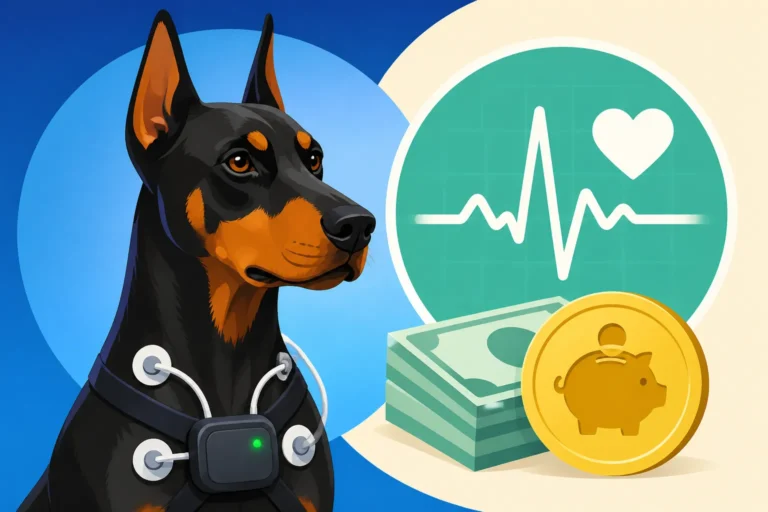
While an echo looks at the heart's structure and pump function, a Holter monitor assesses its electrical activity over an extended period, typically 24 hours. DCM in Dobermans often manifests with electrical abnormalities, specifically ventricular premature contractions (VPCs) or ventricular tachycardia (VT). The Holter monitor is a small, portable ECG device that your Doberman wears during their normal daily activities. It records every heartbeat, allowing the cardiologist to count and characterize any abnormal rhythms that might not be present during a brief in-clinic ECG. You'll take your dog home with the device strapped on, then return it the next day for analysis. This is vital because many arrhythmias are intermittent and would be missed in a short vet visit. Understanding Reading a Doberman's Holter Result is key to grasping your dog's cardiac health.
| Diagnostic Test | What It Measures | Purpose for Dobermans | Invasive? | Preparation Required |
|---|---|---|---|---|
| Physical Exam | Heart sounds, pulse, general health | Initial screening, detect murmurs/arrhythmias | No | None |
| Echocardiogram | Heart structure, chamber size, muscle function, blood flow | Diagnose DCM, assess severity, monitor progression | No | Minimal sedation sometimes |
| Holter Monitor | Heart's electrical activity over 24 hours | Detect intermittent arrhythmias (VPCs, VT), assess frequency/severity | No | Shaving small patches |
| Bloodwork | Organ function, specific cardiac biomarkers (e.g., proBNP) | Rule out other issues, assess overall health, support DCM diagnosis | Yes | Fasting sometimes |
| Genetic Testing | Presence of DCM-associated gene mutations (DCM1, DCM2) | Assess genetic predisposition, inform breeding decisions | No | Cheek swab or blood sample |
Additional Blood Tests and Genetic Screening
Beyond the core cardiac diagnostics, a cardiologist might recommend specific blood tests. These can include a proBNP test, which measures a hormone released when the heart muscle is stretched or stressed, providing another indicator of potential heart disease severity. Routine blood panels also help rule out other systemic illnesses that could mimic or exacerbate heart conditions. For Doberman owners looking to understand their dog's genetic risk, or for breeders making informed decisions, genetic testing for the known DCM gene mutations (DCM1 and DCM2) is often performed. While a genetic positive doesn't guarantee disease, it highlights a higher risk and can inform the timing of your Doberman's first echo and Holter screenings. You can learn more about The DCM1 Gene Test Explained for Doberman Owners to understand its implications.
Managing a Doberman Heart Condition
Receiving a DCM diagnosis can be heartbreaking, but it's not an immediate death sentence. Advances in veterinary cardiology mean that many Dobermans can live a good quality of life for an extended period, especially with early detection and appropriate management. The focus shifts to slowing the disease progression and minimizing symptoms.
Medications for Occult and Clinical DCM
The medication regimen for a Doberman with DCM depends heavily on whether they are in the occult (pre-symptomatic) phase or the clinical (symptomatic) phase. For Dobermans diagnosed in the occult phase, veterinarians often prescribe medications like Pimobendan (Vetmedin). This drug has been shown to significantly delay the onset of clinical signs and extend the symptom-free life of Dobermans with occult DCM. It's often a hard pill to swallow, giving medication to a dog that seems perfectly healthy, but the evidence is strong that Pimobendan Before a Doberman Shows Signs makes a real difference. For dogs in the clinical phase, a cocktail of medications might be used, including diuretics to reduce fluid buildup in the lungs (which causes coughing and breathlessness), ACE inhibitors, and antiarrhythmics to control irregular heartbeats. These drugs work synergistically to support heart function and improve comfort. Brands like Chewy and other online pharmacies can be invaluable for convenient and often more affordable delivery of these long-term medications, which can quickly add up.
Dietary Adjustments and Supplements
Nutrition plays a supportive role in managing heart disease in Dobermans. For dogs in the clinical phase, a low-sodium diet is often recommended to help reduce fluid retention and lessen the workload on the heart. Your cardiologist might recommend a prescription cardiac diet available through your vet or specific brands known for their low-sodium formulations. Beyond commercial diets, some owners explore options like those offered by Ollie, consulting with their vet or a veterinary nutritionist to ensure any fresh-food approach meets the specific needs of a Doberman with heart disease, particularly regarding sodium and essential nutrients. Additionally, certain supplements like Taurine and L-Carnitine might be recommended, particularly if a dietary deficiency is suspected or if your vet believes they could offer additional cardiac support. However, it's crucial to always discuss any dietary changes or supplements with your cardiologist, as some can interfere with medications or have adverse effects. Remember, a Doberman's deep, narrow chest also makes them prone to bloat, so feeding multiple small meals is always a good practice, especially for those on medication.
Regular Monitoring and Quality of Life
Living with a Doberman with heart disease means committing to ongoing monitoring. This typically involves regular recheck appointments with the cardiologist, including repeat echocardiograms and Holter monitoring, to assess how well the medications are working and if the disease is progressing. Blood tests will also be routinely performed to ensure the medications aren't causing kidney issues or other side effects. Between visits, you'll become acutely aware of your dog's breathing rate at rest, their energy levels, and any changes in appetite or coughing. The goal is always to maintain the best possible quality of life. This might mean adjusting exercise routines, ensuring they have comfortable, supportive bedding, and simply cherishing every moment. Deciding When a Doberman With DCM Has Had Enough is one of the hardest parts, and regular check-ins with your cardiologist and primary vet can help guide you through those difficult decisions.
Proactive Care and Prevention: When to Start Screening
While Doberman DCM is prevalent, adopting a proactive screening approach can make a significant difference in early detection and management, potentially extending your Doberman's healthy years. It's a key part of responsible Doberman ownership.
The Importance of Early and Regular Screening
Because DCM is a silent killer in its early stages, waiting for symptoms to appear is often too late for optimal management. This is why regular screening, even for seemingly healthy Dobermans, is so critical. The general recommendation is to start annual cardiac screenings, including an echocardiogram and a 24-hour Holter monitor, around 2-3 years of age. This allows for a baseline assessment and helps catch any subtle changes as early as possible. Imagine the peace of mind, even if temporary, that comes from a clear screening report. This proactive stance is essential for this breed, and many dedicated Doberman owners feel it's a non-negotiable part of their commitment. You can read more about The Age Doberman Heart Disease Usually Starts to better understand the timeline.
What to Expect During Screening Appointments
A typical annual screening appointment for a Doberman will involve both an echocardiogram and the placement of a Holter monitor. For the echo, your dog will lie comfortably on their side, often with a small patch of fur shaved to allow for better ultrasound contact. The procedure is painless, and most Dobermans tolerate it well, though some may require mild sedation if they are particularly anxious. After the echo, a small area on your dog’s chest will be shaved and prepped for the Holter monitor leads. The monitor itself is usually secured with a vest or bandage, designed to be comfortable and stay put during normal activities. You'll receive instructions on how to care for the monitor and when to return it for removal and data analysis. These are not quick visits; they require patience and cooperation, but they are incredibly valuable.
Choosing the Right Veterinary Cardiologist
Finding a board-certified veterinary cardiologist is paramount for Dobermans. These specialists have undergone extensive additional training and certification beyond veterinary school, making them experts in diagnosing and treating complex heart conditions. Your regular veterinarian can provide a referral, and professional organizations like the American College of Veterinary Internal Medicine (ACVIM) often have directories of certified specialists. Don't be afraid to ask about their experience specifically with Dobermans and DCM. You want someone who understands the nuances of the breed's particular challenges. The relationship with your cardiologist will be a long-term partnership in managing your Doberman's health, so choosing wisely is an important investment.
The Emotional and Financial Toll of Doberman Heart Disease
There’s no getting around it: Doberman ownership comes with unique emotional and financial considerations, particularly concerning heart health. Owners often grapple with anxiety, grief, and the practical realities of managing a chronic condition.
Dealing with the Emotional Weight of a Diagnosis
The news that your Doberman has DCM, even in its early stages, can be devastating. It brings with it a wave of emotions: fear for their future, guilt (did I miss something?), sadness, and a profound sense of helplessness. Many owners feel like a ticking clock has been placed on their dog's life. It's perfectly normal to feel overwhelmed and to grieve for the future you envisioned. Connecting with other Doberman owners through breed-specific forums or support groups can be incredibly validating and helpful. Knowing you’re not alone in these struggles, and hearing how others cope, can provide comfort and practical advice. The sheer unpredictability of Sudden Death in a Young Doberman adds another layer of anxiety.
Navigating the Financial Realities of Cardiac Care
Specialist veterinary care, particularly cardiology, can be expensive. The initial diagnostic work-up, including the echo, Holter, and blood tests, can run into hundreds or even a few thousand dollars. Once a diagnosis is made, the cost of long-term medications, repeat screenings, and potential emergency visits can quickly accumulate. This is where pet insurance can be a literal lifesaver for Doberman owners. Reputable insurers like Healthy Paws, if enrolled before any signs of heart disease appear, can cover a significant portion of these ongoing costs. However, it's crucial to understand policy exclusions for pre-existing conditions. Many Doberman owners will tell you that getting Insuring a Doberman Before the Heart Turns is one of the most important financial decisions you can make. Without it, you could be facing The Yearly Heart Bill for a Doberman that easily reaches thousands of dollars, year after year.
Long-Term Commitment and Planning
Managing a Doberman with heart disease is a long-term commitment that requires dedication and planning. It means adhering to medication schedules, attending regular follow-up appointments, and carefully monitoring your dog at home. It also involves making difficult decisions about exercise, diet, and ultimately, quality of life. Owners often have to adjust their schedules, sometimes traveling long distances for specialist care. It's a journey that tests your resolve and your bond with your Doberman, but with the right veterinary team and a supportive community, it's a journey many Doberman owners willingly undertake to give their cherished companions the best possible chance.
Disclaimer
This article is for general informational purposes only and does not constitute professional advice. Laws, prices and regulations vary by location and change over time. Consult a qualified professional for guidance on your specific situation.