What Doberman DNA Panels Cost
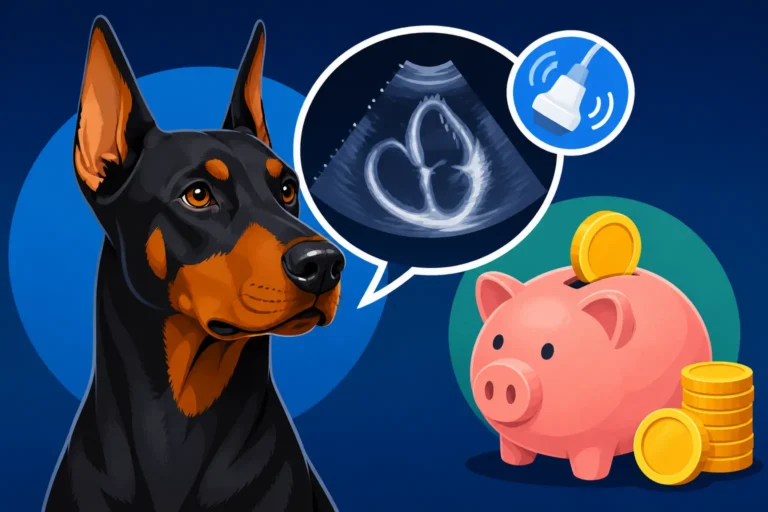
Bringing a Doberman into your life is an incredible joy, but it also comes with a unique set of worries, especially regarding their notorious health predispositions. Many dedicated Doberman owners find themselves grappling with the question of genetic testing, unsure of what it entails, why it's so important, and perhaps most pressingly, what Doberman DNA panels actually cost. This comprehensive guide will meticulously break down the expenses associated with genetic screening, helping you understand the value and navigate the financial aspects of ensuring your beloved Doberman's future health.
Why Doberman DNA Testing is Essential Beyond Just Cost
Let's be real, owning a Doberman isn't cheap, and adding another expense like DNA testing might feel like a stretch. But trust me, as someone who has navigated the Doberman world for years, genetic testing isn't just another line item on a bill; it's a foundational step in proactive care. It’s about more than just numbers; it's about peace of mind and preparedness, both for you and your furry family member.
Uncovering Hidden Genetic Risks
Dobermans, magnificent as they are, carry a genetic legacy that unfortunately includes a predisposition to several serious health conditions. While you might be keenly aware of the big ones, like Dilated Cardiomyopathy (DCM), there are other lurking risks that aren't always obvious until they become a major problem. You might have heard anecdotes of Dobermans that seemed perfectly fine one day and were suddenly very ill the next. This isn't just bad luck; often, it’s due to an inherited condition slowly progressing unseen.
Knowing your Doberman's genetic makeup can uncover these hidden risks long before symptoms ever appear. It’s not about predicting a specific outcome with 100% certainty, but about understanding the increased likelihood of certain conditions. For example, knowing if your Doberman carries genes for The Heart Disease That Reaches Most Dobermans can profoundly influence how you approach their routine veterinary care, diet, and even exercise. It transforms care from reactive to proactive, giving you a powerful tool to potentially extend their healthy years. It’s about identifying the potential landmines so you can navigate around them rather than stepping directly on one.
Informed Breeding Decisions Even if You're Not a Breeder
When people hear "DNA testing," their minds often jump straight to breeders. And yes, for responsible Doberman breeders, genetic testing is absolutely non-negotiable. They use these panels to ensure they're not inadvertently passing on devastating genetic illnesses to future generations, striving to improve the breed's health. They should be able to show you detailed results for the puppy's parents, allowing you to confidently understand Reading a Doberman Puppy's Test Certificates before you ever bring a new family member home.
But even if you have no intention of breeding your Doberman, understanding their genetic status is still incredibly valuable. If you've adopted a Doberman, especially one with an unknown history, DNA testing can fill in crucial gaps. It gives you, as the pet parent, a deeper insight into your dog's unique health profile. This knowledge empowers you to make better, more informed decisions with your veterinarian throughout your Doberman's life, helping to shape a preventative health plan tailored specifically to them, rather than a generic one-size-fits-all approach.
Peace of Mind and Preparedness
Let's face it, the thought of your Doberman falling ill is heartbreaking. The emotional toll of a sudden, severe diagnosis, especially for a condition that might have been detected earlier, can be immense. Many Doberman owners live with a quiet anxiety about conditions like Sudden Death in a Young Doberman. Genetic testing won't eliminate all worries, but it offers a significant layer of peace of mind.
It provides a roadmap, highlighting potential health concerns you might need to watch for. This preparedness isn't just about mental and emotional well-being; it's also about financial readiness. Knowing a potential risk exists allows you to start saving, research specialists, or adjust your pet insurance coverage. It turns a terrifying unknown into a manageable risk, giving you the power to face potential challenges head-on rather than being blindsided. You can build a strategy with your vet and feel confident that you’re doing everything in your power to support your Doberman's health journey.
The Different Types of Doberman DNA Panels and Their Focus
When you dive into Doberman DNA testing, you'll quickly realize it's not a single, universal test. Instead, there's a range of panels, each focusing on different genetic predispositions. Understanding these distinctions is key to choosing the right tests for your Doberman and, by extension, understanding the associated costs.
Cardiac Gene Panels: DCM1, DCM2, and Beyond
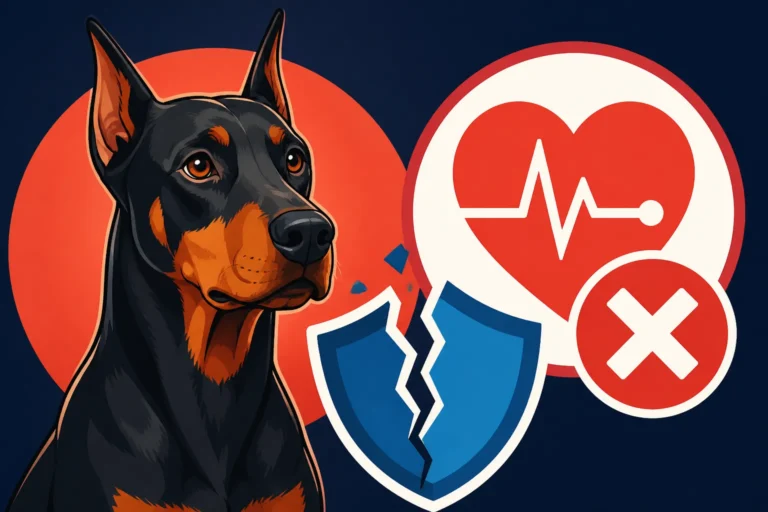
If you own a Doberman, DCM (Dilated Cardiomyopathy) is likely a word that echoes in your mind with a sense of dread. It's the most prevalent and devastating health concern in the breed. Thankfully, significant research has identified specific genetic markers associated with an increased risk for DCM. The two primary ones that most Doberman owners and breeders focus on are the DCM1 gene mutation and the DCM2 titin variant.
A dedicated cardiac gene panel will typically test for both. We've seen a lot of progress in understanding The DCM1 Gene Test Explained for Doberman Owners and what a positive result might mean for future screening protocols. Similarly, research into The DCM2 Titin Variant in Dobermans has shed light on its role in the breed's cardiac health. It's crucial to remember that a positive result on these gene tests doesn't guarantee your Doberman will develop DCM, nor does a clear result guarantee they won't. They are risk factors, guiding your vigilance and early screening protocols. Beyond these two, some specialized labs, particularly those in Europe, are also exploring additional variants, sometimes referred to as DCM3 and DCM4. These newer findings offer an even deeper, though sometimes more complex, understanding of a Doberman's cardiac genetic landscape.
Bleeding Disorders: Von Willebrand's Disease (vWD)
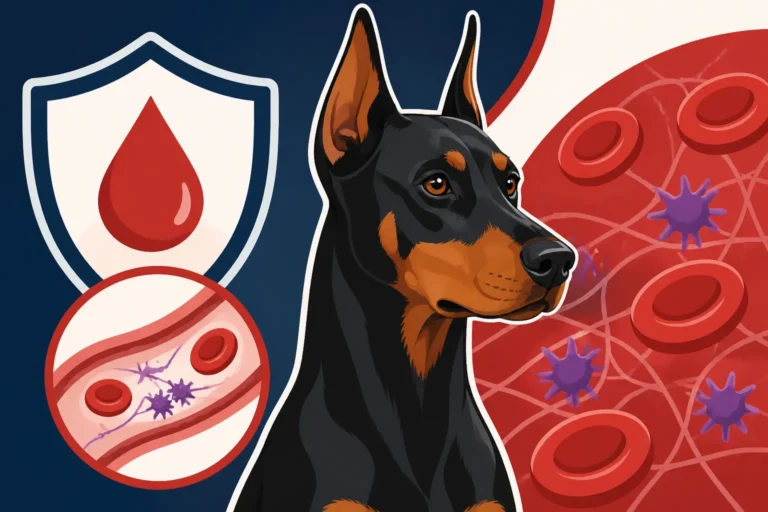
Imagine your Doberman needing a routine tooth cleaning or a minor surgical procedure, only to suffer from excessive bleeding that becomes life-threatening. This isn't a rare horror story for Doberman owners; it's a very real risk due to Von Willebrand's Disease (vWD). This inherited bleeding disorder, Type I in Dobermans, impairs the blood's ability to clot properly.
This is precisely why The Von Willebrand DNA Test for Dobermans is another absolutely critical component of responsible Doberman ownership. It's a simple DNA test that can tell you if your Doberman is clear, a carrier, or affected by vWD. Knowing this information beforehand, especially if your Doberman is affected or a carrier, allows your veterinarian to take crucial precautions before any surgery, minimizing the risk of a dangerous bleeding crisis. This test is a cornerstone of preventative care and safety for the breed, directly impacting their ability to undergo common veterinary procedures without undue risk.
Other Health Concerns: Liver, Thyroid, and More
While DCM and vWD are the major genetic concerns that garner the most attention, Dobermans can be predisposed to a host of other inherited conditions. Depending on the comprehensiveness of the DNA panel you choose, you might also find tests for conditions like Narcolepsy, which causes sudden sleep attacks, or even markers related to certain autoimmune thyroid issues.
It's true that some of these conditions have more complex genetic components or are less common than DCM or vWD, but the more information you have, the better. For instance, some panels may include markers for Copper Liver Disease in Doberman Females, a serious condition where copper accumulates in the liver, leading to damage. While a DNA test for copper retention isn't a definitive diagnosis on its own (a liver biopsy is typically needed for that), it can highlight a genetic predisposition, prompting earlier monitoring of liver enzymes and dietary considerations. Comprehensive panels essentially cast a wider net, giving you a broader understanding of your Doberman's overall genetic health profile.
Breaking Down the Costs of Individual DNA Tests vs. Bundled Panels
When you're ready to get your Doberman's DNA tested, you'll encounter two main approaches to pricing: ordering individual tests for specific conditions or opting for a bundled panel that covers multiple predispositions. Understanding the financial implications of each can help you make the most cost-effective choice for your situation.
The Price Tag of Single Genetic Tests
If your primary concern is one specific condition, say, Von Willebrand's Disease, and you're not interested in a broader health overview, you might consider ordering a single test. The cost for an individual genetic test for a Doberman typically ranges from about $50 to $100. This might seem appealing if you're on a tight budget or only have one particular worry.
However, if you're thinking about testing for two, three, or even more conditions individually, these costs can quickly add up. For example, testing for DCM1, DCM2, and vWD separately could easily set you back $150-$300 or more, depending on the lab. This piecemeal approach can often exceed the cost of a comprehensive panel that covers these and many other conditions. It's much like buying individual songs on iTunes versus purchasing an entire album; the bundled option usually offers better value in the long run, especially for a breed with as many predispositions as the Doberman.
What to Expect from Comprehensive Doberman Panels
For most Doberman owners, a comprehensive DNA panel offers the best value and the most thorough insight into their dog's genetic health. These panels are specifically designed to screen for a wide array of genetic conditions common in Dobermans, often covering anywhere from 10 to 20 or even more disease predispositions.
These all-inclusive panels, offered by specialized canine genetics laboratories, typically range from $150 to $300. Some premium panels, especially those with advanced markers or extended breed-specific reports, might go slightly higher, up to $350-$400. This might seem like a significant upfront cost, but consider the breadth of information you receive. You're not just getting results for DCM and vWD; you're often getting insights into other conditions like Narcolepsy, various eye conditions, and even coat color genetics, all for a single price. This holistic approach provides a much clearer picture of your Doberman's genetic blueprint.
Factors Influencing Panel Pricing
The price you pay for a Doberman DNA panel isn't set in stone; several factors can cause it to fluctuate.
- Number of Conditions Screened: Naturally, a panel that tests for 20 genetic markers will generally cost more than one that only tests for five. Always check the full list of conditions included before making a purchase.
- Lab Reputation and Technology: Established labs with extensive research and advanced testing technology may have slightly higher prices, reflecting their expertise and accuracy.
- Direct-to-Consumer vs. Vet-Ordered: Sometimes, ordering a kit directly from the lab yourself might be slightly cheaper than if your veterinarian orders it, though some vets may offer packages.
- Promotions and Discounts: Keep an eye out for seasonal sales or discounts offered by labs. Many run promotions around major holidays or breed-specific events. Additionally, some labs offer breeder programs with reduced rates for multiple tests, which might indirectly affect the cost if you're buying a puppy from a breeder who passes on some of these savings.
- Additional Features: Some labs offer enhanced ancestry reports or trait analysis in addition to health screens, which can also influence the total price.
Comparing these factors across different providers will help you find a panel that fits your budget while still delivering comprehensive health information for your Doberman.
Where to Get Your Doberman's DNA Tested: Labs and Their Pricing
Once you've decided to move forward with DNA testing for your Doberman, the next step is choosing a reputable laboratory. Not all labs are created equal, and some specialize more in certain breeds or offer different ranges of tests. Knowing your options can help you select the best fit for your Doberman's needs and your budget.
Popular Canine Genetics Labs
Several highly respected canine genetics laboratories offer Doberman-specific DNA panels. These labs are widely recognized within the veterinary and Doberman communities for their accuracy and comprehensive reporting.
- Embark Vet: Often considered a gold standard, Embark offers comprehensive breed and health kits that screen for over 200 genetic health risks, including many specific to Dobermans like DCM1 and DCM2, and vWD. Their Doberman-specific panel is robust, and their basic health kit is also very popular. Prices for their health and breed identification kits typically range from $129 to $199, with sales occasionally bringing prices lower.
- Optimal Selection by Wisdom Panel (Mars Veterinary): Another highly reputable option, Wisdom Panel's Optimal Selection offers a thorough Doberman panel that covers significant health concerns and traits. They also have a large database and are frequently used by breeders. Their health testing panels can range from $129 to $199, often including both health and trait information.
- Canine HealthCheck by GenSol Diagnostics: GenSol Diagnostics is a lab that many Doberman breeders specifically recommend due to their focus on breed-specific health panels. They offer targeted panels for Dobermans that include DCM1, DCM2, vWD, and Narcolepsy. Their prices can be very competitive, often ranging from $85 to $150 for a multi-test Doberman panel.
- Laboklin: For those with European Dobermans, or if you're interested in a broader range of international variants, Laboklin (based in Germany with a US branch) is a popular choice. They offer specific Doberman panels that include DCM (with multiple variants including The DCM3 and DCM4 Doberman Variants From Europe), vWD, Narcolepsy, and sometimes even additional tests. Their pricing can vary based on the specific combination of tests chosen.
When selecting a lab, it's always wise to compare their listed conditions and prices directly on their websites to ensure you're getting the most up-to-date information and the best value for your Doberman.
How to Collect Samples and Submit Them
One of the great advantages of modern canine DNA testing is the simplicity of sample collection. You won't need to stress about blood draws or complex veterinary visits for the initial DNA collection. Most reputable labs provide a user-friendly kit that includes all the necessary materials.
Typically, the kit contains a few sterile cheek swabs. The process involves gently rubbing the sterile swab on the inside of your Doberman's cheek and gum line for a minute or two. The goal is to collect cheek cells, which contain the DNA. It's crucial to ensure your dog hasn't eaten or had anything in their mouth for at least 30 minutes prior to swabbing to avoid contamination. After swabbing, you'll air dry the swabs according to the instructions, place them in the provided sterile envelopes, and mail them back to the lab using the prepaid postage (if included). The entire process is usually stress-free for your Doberman, making it easy for any owner to complete at home. Always follow the lab's specific instructions meticulously to ensure an adequate, uncontaminated sample, which prevents delays or the need for re-submission.
Understanding Different Lab Offerings
While many labs offer Doberman DNA panels, the exact array of conditions screened can differ quite a bit. It’s not enough to simply see "Doberman panel" advertised; you need to dig into the specifics.
Some labs might offer a broad general canine health panel with Doberman-specific add-ons, requiring you to carefully review what's included and what might be extra. Others, like GenSol Diagnostics, are known for their highly focused, breed-specific panels that directly target the most pressing health issues for Dobermans. For instance, while one lab might include Narcolepsy in their standard Doberman panel, another might offer it as an optional extra.
It’s also important to consider if you're interested in additional features, such as ancestry breakdown or physical trait analysis, as these can impact the panel cost and are not offered by all labs. Before committing, take the time to visit the websites of a few different labs, compare their comprehensive Doberman panels side-by-side, and ensure the conditions you are most concerned about for your Doberman are covered. This careful comparison will help you select the most appropriate and cost-effective testing option.
Understanding What Your Doberman's DNA Results Mean for Your Budget
Receiving your Doberman's DNA test results can be a mixed bag of emotions. You might feel relief, concern, or even confusion. Beyond the initial emotional impact, these results carry significant implications for your Doberman's future health care and, inevitably, your budget. It's crucial to understand what the terms mean and how they might translate into future expenses.
Interpreting "Clear," "Carrier," and "Affected"
When your results come back, you'll generally see one of three designations for each tested condition:
- Clear: This means your Doberman does not have any copies of the gene mutation for that specific condition. This is usually the best-case scenario, indicating a lower risk of developing the disease and, if applicable, a lower chance of passing it on to offspring.
- Carrier: Your Doberman has one copy of the gene mutation. For most recessive genetic diseases, carriers do not show symptoms themselves but can pass the gene on to their puppies if bred with another carrier. For conditions like The Bleeding Disorder Almost Every Doberman Line Carries, being a carrier for vWD means your Doberman is unlikely to suffer from bleeding issues but could produce affected puppies if bred incorrectly. This is vital information for breeding considerations, even if you don't plan to breed, as it informs responsible spay/neuter decisions and discussions with your vet.
- Affected: This means your Doberman has two copies of the gene mutation (for recessive diseases) or one copy of a dominant mutation. An "affected" status typically indicates a high likelihood of developing the disease or already having it. This is where the financial implications start to become more significant.
For conditions like DCM, where the genetics are complex, results might be phrased as "at-risk" or include a polygenic risk score rather than a simple "affected" for a single gene. Always read the report carefully and discuss any results with your veterinarian to understand their full meaning and impact.
The Cost of Follow-Up Care and Diagnostics
If your Doberman's DNA panel indicates an "affected" or "at-risk" status for a serious condition like DCM, the initial cost of the DNA test itself will likely be overshadowed by the potential costs of follow-up care and diagnostics. These aren't one-time fees; they are ongoing expenses that become part of your Doberman's regular health maintenance.
For example, if your Doberman tests positive for DCM genes, your veterinarian will almost certainly recommend a more rigorous and frequent cardiac screening schedule. This includes annual or even semi-annual echocardiograms (heart ultrasounds) and 24-hour Holter monitoring (a portable ECG device). These screenings are crucial for early detection of the disease as it progresses. The cost of an echocardiogram can range from $300-$700, and a Holter monitor can be $200-$500, with specialists often charging more. If your Doberman tests positive for a DCM gene, your vet might recommend starting The Age to Start Screening a Doberman's Heart much earlier, possibly around two or three years old, and continuing these screenings throughout their life. This proactive approach, while an investment, can significantly impact the quality and length of your Doberman's life.
Financial Planning for Potential Health Challenges
Knowing your Doberman's genetic predispositions gives you a powerful advantage: the ability to plan financially. If you receive results indicating a higher risk for conditions requiring regular monitoring, medication, or special diets, you can start preparing.
This could mean setting aside a dedicated savings fund specifically for your Doberman's health needs. It might also prompt you to explore or adjust your pet insurance coverage to ensure potential future treatments are covered. For example, if your Doberman has a genetic predisposition to a condition that requires a specialized diet, like those sometimes recommended for Copper Liver Disease in Doberman Females, you can factor in the ongoing cost of prescription food. Retailers like Chewy often offer convenient subscription services and discounts on veterinary diets, which can help manage these recurring expenses. Similarly, Ollie might be an option if you're exploring fresh food diets for specific health needs, though always consult your vet for nutritional advice tailored to your Doberman's condition. Being financially prepared can reduce immense stress during what could otherwise be a difficult and unexpected health crisis.
The Long-Term Financial Impact of Skipping DNA Testing
While the upfront cost of a Doberman DNA panel might seem like an extra expense you could defer, neglecting this crucial step can lead to far greater financial burdens and emotional distress down the line. Sometimes, what looks like saving money in the short term ends up costing exponentially more in the long term.
Emergency Costs from Undiagnosed Conditions
The most immediate and often devastating financial consequence of skipping DNA testing is the potential for emergency veterinary costs arising from undiagnosed conditions. Imagine your seemingly healthy Doberman suddenly collapsing on a walk, gasping for breath, or exhibiting signs of acute illness. These situations are terrifying, and the associated veterinary bills can be astronomical.
An emergency visit for a Doberman in heart failure due to previously undiagnosed DCM can quickly accumulate thousands of dollars for diagnostics, stabilization, and initial treatments. If your Doberman requires emergency surgery due to a trauma and suffers from severe, uncontrollable bleeding because an underlying Von Willebrand's Disease was unknown, the costs for transfusions and extended critical care can skyrocket. These are not minor expenses; they are often in the range of $3,000 to $10,000 or more, far surpassing the cost of any preventative DNA panel. The truth is, investing $150-$300 now can potentially save you thousands in future emergency care and untold emotional anguish.
The Emotional and Ethical Burden
Beyond the monetary costs, there's a heavy emotional and ethical burden that comes with discovering a serious genetic disease in your Doberman late in the game. Knowing that a relatively inexpensive DNA test could have provided crucial foresight can lead to immense guilt and regret. As responsible pet owners, we strive to provide the best possible care for our companions, ensuring they live long, healthy, and happy lives.
Facing a severe illness that might have been managed differently, or even delayed, had you possessed earlier knowledge can be deeply distressing. This feeling is magnified if you, perhaps unknowingly, contributed to the genetic issue by breeding a Doberman without proper screening. The knowledge that you could have acted sooner, prevented suffering, or made different choices, is a heavy weight to carry. This ethical responsibility underscores why genetic testing is not just about your wallet, but about your Doberman's well-being and your peace of mind as a conscientious owner.
Missing Opportunities for Early Intervention
One of the most profound benefits of DNA testing is the opportunity for early intervention. For many genetic conditions, especially DCM in Dobermans, the disease can progress silently, often for years, before any outward symptoms become apparent. This "occult phase" is a critical window where proactive measures can make a significant difference.
Without genetic testing and the subsequent diligent screening protocols it informs, these crucial early intervention opportunities are often missed. For example, some Dobermans diagnosed in the occult phase of DCM, before showing symptoms, can begin medication (like Pimobendan) that may slow the progression of the disease. Questions like How Much Longer Early Treatment Buys a Doberman are often asked, and the answer frequently points to the benefits of early identification. Missing this window means potentially losing valuable months or even years of good quality life for your Doberman. By the time symptoms like coughing, lethargy, or fainting appear, the disease is often advanced, limiting treatment options and increasing the difficulty and cost of management. DNA testing is an investment in early knowledge, allowing you to seize these critical opportunities.
Making Smart Decisions About Doberman DNA Testing
Navigating the world of Doberman health and genetics can feel overwhelming, but making smart, informed decisions about DNA testing is crucial for your peace of mind and your Doberman's well-being. It's about combining genetic information with your vet's expertise and careful financial planning.
Prioritizing Tests Based on Breed-Specific Risks
While comprehensive panels offer the broadest insights, if your budget is particularly tight, you can still make impactful choices by prioritizing tests for the most prevalent and serious Doberman health concerns. For Dobermans, this unequivocally means focusing on Dilated Cardiomyopathy (DCM) and Von Willebrand's Disease (vWD). These are the two non-negotiable "must-haves" for any Doberman owner.
When you're looking at a Doberman puppy, always ensure the parents have been tested for at least these conditions. For an adult Doberman, if you can only afford a limited panel, these two should be at the top of your list. Knowledge about these risks forms a critical foundation for their ongoing health care. While other tests are valuable, DCM and vWD directly impact their lifespan and ability to undergo routine veterinary procedures safely. Starting with these core tests can provide immense value without completely breaking the bank.
Consulting with Your Veterinarian
Your veterinarian is your most important partner in your Doberman's health journey. Before, during, and after DNA testing, their expertise is invaluable. They can help you understand which tests are most relevant for your individual Doberman based on their age, lineage (if known), and any observed health concerns.
Once you receive the DNA results, a thorough consultation with your vet is essential for proper interpretation. They can explain what "carrier" or "affected" truly means for your Doberman's specific situation, distinguish between genetic predispositions and actual diagnoses, and help you formulate a proactive health plan. This might include recommending a specific schedule for cardiac screenings, dietary adjustments, or other preventative measures. Don't hesitate to ask your vet about their preferred labs or if they have any resources for managing the costs of potential follow-up care. Their guidance will ensure that your Doberman's genetic information is integrated into a holistic and effective health strategy.
Budgeting for Both the Test and Potential Follow-Up
It's tempting to view a Doberman DNA panel as a one-time expense, but savvy owners understand it's often an initial investment that might lead to further costs. Think of it as opening a door to more knowledge, which may, in turn, require additional financial planning.
If your Doberman's DNA results indicate a higher risk for a condition like DCM, you'll need to factor in the ongoing expenses of annual or semi-annual echocardiograms and Holter monitoring. These are crucial diagnostic tools that are not typically covered under basic wellness plans. Similarly, if a condition like Copper Liver Disease in Doberman Females is flagged, ongoing monitoring bloodwork and potentially specialized prescription diets will become part of your budget. Planning ahead for these potential follow-up costs—whether through a dedicated savings account or a robust pet insurance policy—can alleviate a lot of financial stress later on. Consider managing the costs of specialized diets or supplements through online pet supply retailers like Chewy or Ollie, who often provide subscription discounts that can add up over time. It's about being realistic: the DNA test itself is usually the smallest part of the potential long-term financial commitment if a serious genetic predisposition is identified.
Can Pet Insurance Help with DNA Testing Costs?
It's a common and very valid question: will my pet insurance cover the cost of Doberman DNA panels? The answer, like much in the world of insurance, isn't a simple yes or no. It depends heavily on your policy type, your provider, and the specific circumstances surrounding the test.
Pre-Existing Conditions and Coverage
Generally speaking, routine, proactive DNA screening for genetic predispositions is often not covered by standard pet insurance policies. Most accident and illness policies are designed to cover diagnostics and treatments for unexpected illnesses or injuries, not for purely preventative genetic health assessments.
However, where pet insurance becomes absolutely vital is in covering the subsequent diagnostic tests and treatments if a DNA test reveals a high risk or leads to a diagnosis. For example, if your Doberman tests positive for a DCM gene mutation, a good pet insurance policy (like those from Healthy Paws) would typically cover the costs of future echocardiograms, Holter monitoring, medications, and specialist visits – provided the policy was in place and valid before any symptoms of heart disease appeared or a formal diagnosis was made. This distinction is critical: insurance typically won't pay for the DNA test itself, but it can be a lifesaver for the ongoing care that genetic results might necessitate. This is why Enrolling a Doberman Before Its First Echo and while they are still young and healthy is such a financially savvy move.
Wellness Plans vs. Accident/Illness Policies
To complicate matters slightly, some pet insurance providers offer optional "wellness riders" or separate wellness plans in addition to their comprehensive accident and illness policies. These wellness plans are specifically designed to help cover the costs of routine preventative care.
While most standard accident and illness policies won't cover genetic tests, a wellness plan might offer some reimbursement for genetic screening, or at least for general health screenings that could be part of a broader preventative strategy. However, the coverage limits for wellness plans are often much lower than for accident/illness policies, and you'll need to meticulously read the fine print to see if genetic testing is an included benefit. For major providers like Healthy Paws, their primary focus is on comprehensive accident and illness coverage, so while they excel at covering the large, unexpected veterinary bills, routine preventative genetic testing is generally outside their scope unless specifically stated in a wellness add-on.
Maximizing Benefits with Early Enrollment
The golden rule for Doberman owners and pet insurance, especially when considering genetic predispositions, is to enroll your Doberman as early as possible in their life. This strategy is paramount because of the industry-standard "pre-existing conditions" clause.
Once a condition is diagnosed, or even if symptoms have been noted by a vet (even if not formally diagnosed yet), it's typically classified as a pre-existing condition and will be excluded from future coverage. Given that The Heart Disease That Reaches Most Dobermans often begins its silent progression in young to middle-aged dogs, waiting until your Doberman shows symptoms is almost always too late for insurance to cover the associated costs.
Therefore, if you want coverage for potential future treatments stemming from a genetic predisposition (like DCM medications, specialist consultations, or ongoing cardiac screenings), secure a comprehensive policy from a provider like Healthy Paws when your Doberman is a healthy puppy or young adult. The small monthly premium early on can protect you from potentially crippling veterinary bills if a genetic condition manifests later in their life. It's a foundational piece of your financial planning for your Doberman's long-term health.
Comparing Doberman DNA Test Costs
To help you visualize the typical costs and what's included, here's a general overview of Doberman DNA panels. Please remember these are approximate ranges and can vary based on sales, lab promotions, and specific test combinations.
| Test Type | Typical Cost Range | Key Conditions Screened | Best For |
|---|---|---|---|
| Individual Tests | $50 – $100 per test | e.g., Von Willebrand's Disease (vWD), Narcolepsy | Owners with a very specific, single concern; pre-surgical screening for vWD. |
| Basic Doberman Panel | $150 – $250 | DCM1, DCM2, vWD, Narcolepsy | Most Doberman owners seeking essential genetic health information; a good balance of cost and coverage for major risks. |
| Comprehensive Doberman Panel | $250 – $400 | DCM1, DCM2, vWD, Narcolepsy, Liver Disease markers, Thyroid markers, other breed-specific diseases, coat color, traits. | Owners wanting the most thorough genetic overview; breeders screening for a wide range of conditions; early detection of diverse predispositions. |
| European Doberman Panels | $200 – $450 | DCM (multiple variants including DCM3/DCM4), vWD, additional conditions common in European lines, trait analysis. | Owners of European Dobermans or those interested in a wider array of DCM variants and breed-specific health concerns prevalent in international lines. |
This table provides a snapshot, but always verify the exact tests included and the current pricing directly with the laboratories before making your decision.
Disclaimer
The information provided in this guide is intended for educational purposes only and should not be considered a substitute for professional veterinary advice. Always consult with a qualified veterinarian regarding any health concerns or before making any decisions about your Doberman's care, including genetic testing and financial planning.