Repeat Heart Scans Every Year for a Doberman
The reality of Doberman ownership often comes with a looming shadow: the breed's heartbreaking predisposition to dilated cardiomyopathy (DCM). This insidious heart disease can progress silently for years, leaving you completely unaware until the unthinkable happens. This guide is here to walk you through why annual heart screening for your Doberman isn't just a recommendation, but a crucial proactive measure, helping you understand the process, costs, and what to expect as you navigate these vital health checks.
The Harsh Reality of Doberman DCM and the Need for Vigilance
Owning a Doberman means falling in love with a noble, intelligent, and fiercely loyal companion. But it also means acknowledging a serious genetic vulnerability that affects too many of these magnificent dogs. We're talking about Dilated Cardiomyopathy (DCM), a disease that silently, gradually, and often ruthlessly attacks their hearts. It’s a bitter pill to swallow, knowing your beloved dog carries such a risk, but facing it head-on with knowledge and proactive care is the best defense.
Why Dobermans Are So Susceptible to Heart Disease
It feels incredibly unfair, doesn't it? Dobermans are known for their athleticism, their boundless energy, their desire to be by your side for every adventure. Yet, they are tragically overrepresented in the statistics for heart disease. What makes them so vulnerable? It largely comes down to genetics. While research continues to unfold, we know that Dobermans are genetically predisposed to developing DCM, a condition where the heart muscle thins and becomes enlarged, losing its ability to pump blood effectively. It’s a devastating diagnosis, and the sheer number of Dobermans affected means it's not a rare exception, but a significant concern for every owner. If you're wondering just how prevalent this issue is, it's worth exploring How Many Dobermans Develop DCM, because the numbers can be quite sobering.
This isn't a disease that only strikes down elderly dogs. Dobermans can be relatively young, full of life, and outwardly healthy, while their heart quietly deteriorates. The prevalence is so high that most reputable breeders diligently screen their breeding stock, yet even with the best intentions and clear parents, the disease can still emerge in offspring. This genetic lottery is why consistent vigilance is paramount; you simply can't assume your Doberman is immune, no matter how robust they seem.
The "Silent Killer" Years Before Symptoms Appear
One of the most terrifying aspects of Doberman DCM is its "occult" phase, also known as the hidden phase. For years, often from the age of three or four, a Doberman's heart can be silently struggling, showing no outward signs that anything is amiss. They might be zooming around the yard, playing fetch, eating their dinner with gusto – all while their heart is slowly failing. This is truly the silent killer, because by the time many owners notice a cough, lethargy, or fainting spells, the disease has often progressed to a much more advanced stage, making treatment more challenging and prognosis less favorable.
Imagine your vibrant Doberman, full of zest, suddenly collapsing on a walk, or starting to cough uncontrollably at night. These are the shocking, heartbreaking moments that often signal the end of the occult phase and the onset of clinical heart failure. This is precisely why we cannot wait for symptoms. The goal of repeat heart scans is to catch these subtle changes during the silent years, giving us a chance to intervene early and potentially extend their quality of life. The journey through The Silent Years Before a Doberman's Heart Shows can be a difficult one, but understanding it is key to proactive care.
Understanding Annual Cardiac Screening for Your Doberman
Given the silent and progressive nature of Doberman DCM, annual cardiac screening becomes your most powerful tool. It’s not just a vet visit; it’s a dedicated appointment with a specialist to get a peek inside your Doberman's most vital organ. This isn't about fear-mongering; it's about empowerment, giving you the ability to make informed decisions for your dog's health and future.
What an Annual Echo Entails
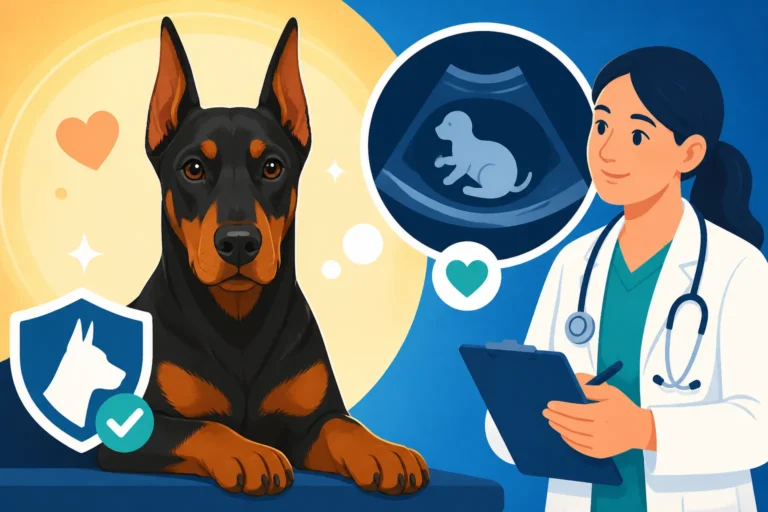
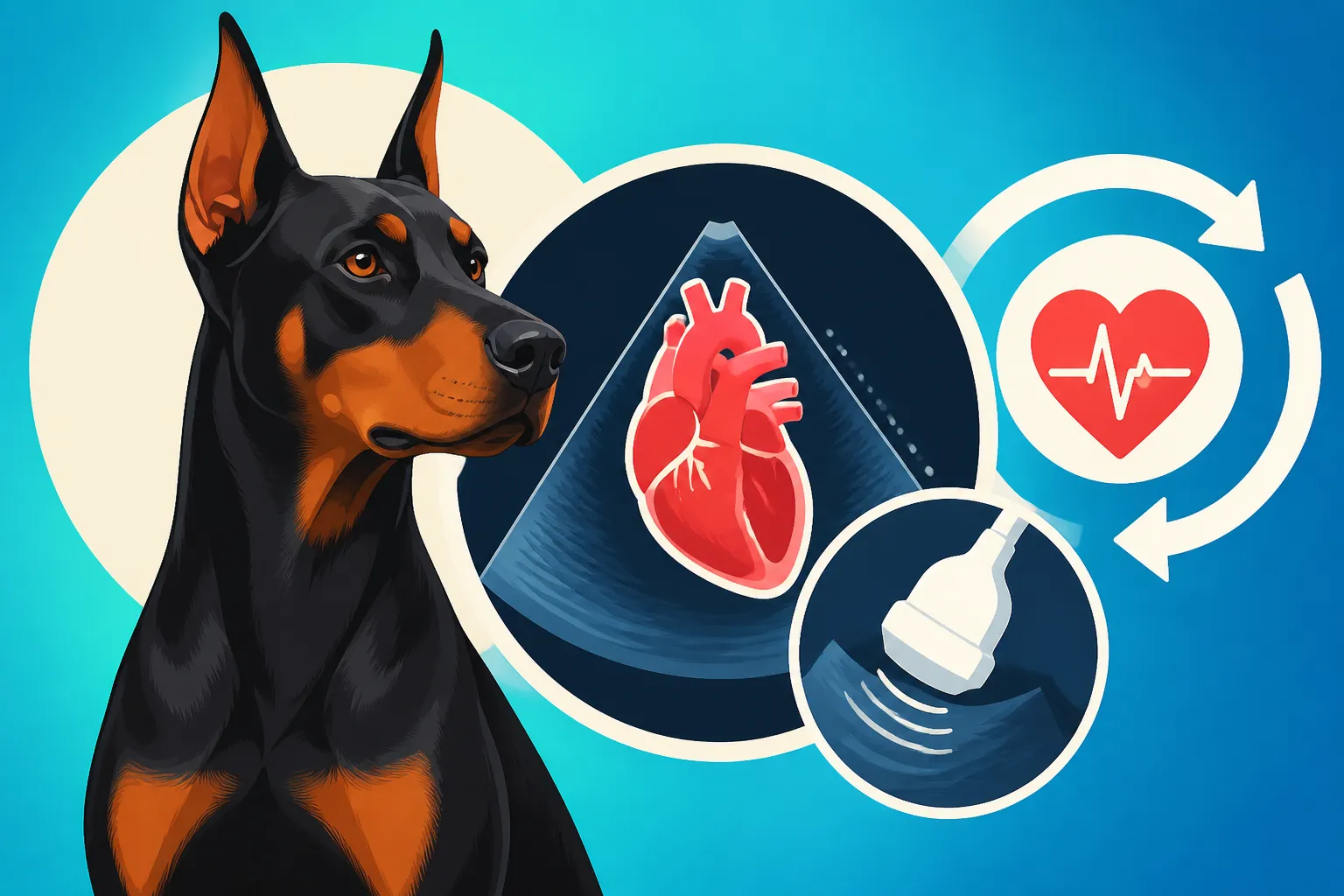
An echocardiogram, often simply called an "echo," is a non-invasive ultrasound of your dog's heart. This is typically performed by a board-certified veterinary cardiologist, someone who specializes specifically in heart health. During the procedure, your Doberman will lie comfortably on a cushioned table, often on their side, while the cardiologist uses a probe to get detailed images of their heart in real-time. It’s usually a calm process, requiring minimal restraint, and often no sedation at all.
What exactly are they looking for? Well, an echo allows the cardiologist to meticulously examine the heart's structure and function. They'll measure the size of the heart chambers, the thickness of the muscle walls, and how efficiently the valves are opening and closing. They'll also assess blood flow patterns. In the context of DCM, they are looking for early signs of dilation (enlargement) of the ventricles and atria, and any decrease in the heart's pumping strength. These measurements provide critical data points to track over time, allowing them to detect subtle changes that could indicate the onset or progression of DCM. For a deeper dive into the specific measurements and what they mean, check out What a Doberman Echo Actually Measures.
The Importance of the 24-Hour Holter Monitor
While an echo gives a snapshot of the heart's structure and function at a single moment, it can't tell you what's happening throughout the day or night. That's where the 24-hour Holter monitor comes in. This is a small, portable ECG device that your Doberman wears for a full day, continuously recording their heart's electrical activity. It's usually placed on their chest, secured with a special vest or bandages, and your Doberman goes about their normal routine at home.
The Holter is absolutely vital for Dobermans because DCM often first manifests with arrhythmias, specifically premature ventricular contractions (PVCs). These are abnormal heartbeats that originate in the ventricles, and they can occur sporadically, making them easy to miss during a brief vet exam or even a quick ECG. A Holter monitor captures all heartbeats over 24 hours, giving the cardiologist a comprehensive picture of any irregular rhythms, their frequency, and their complexity. Detecting a significant number of PVCs can be an early indicator of DCM, even before structural changes are visible on an echo. Understanding Twenty-Four Hours of Holter on a Doberman is essential for any Doberman owner.
Beyond the Basic Checkup: Why "Clear" Isn't Permanent
Many Doberman owners breathe a huge sigh of relief when their dog's first echo and Holter results come back "clear." And rightfully so! It's wonderful news. However, it's a critical mistake to assume that one clear scan means your Doberman is in the clear for life. DCM is a progressive disease, and a heart that looks perfectly healthy one year might show subtle changes the next. Think of it like a long-term weather forecast; just because it's sunny today doesn't mean it won't rain tomorrow.
The insidious nature of DCM means that structural and electrical changes can develop over time. A Doberman might test clear at two years old, but by four, five, or six, changes indicative of DCM could begin to appear. This is why repeat heart scans every year are not just recommended, but truly non-negotiable for Doberman owners. It's about monitoring a dynamic situation, catching those earliest possible indicators so that if and when the disease does emerge, you're ahead of the curve. It's a testament to the fact that The Doberman Years When Everything Shows Up are not always predictable, making consistent screening your best defense.
The Practicalities and Costs of Repeat Screening
Let's be realistic: annual cardiac screening for a Doberman is a significant commitment, both in terms of time and finances. It's a frustration many Doberman owners share, feeling the weight of these health responsibilities. However, understanding the practicalities and planning for the costs can make the process less daunting and more manageable.
When to Start and How Often to Repeat Scans
The general recommendation from veterinary cardiologists and breed clubs is to begin annual cardiac screening with an echo and Holter monitor around two to three years of age for Dobermans. Some even advocate for starting a little earlier if there's a strong family history of early-onset DCM. From that point forward, these screenings should become an annual ritual for the rest of your Doberman's life.
Consistency is absolutely key here. Skipping a year might feel like saving money, but it could mean missing the crucial window to detect DCM in its occult phase, pushing you closer to a clinical diagnosis. Imagine finding out your Doberman has advanced DCM at age five because you skipped the screening at four. The guilt and regret would be immense. It's about creating a baseline and then monitoring for changes year over year, building a detailed cardiac history for your dog. For more guidance on this timeline, read The Age to Start Screening a Doberman's Heart.
Managing the Financial Commitment of Annual Tests
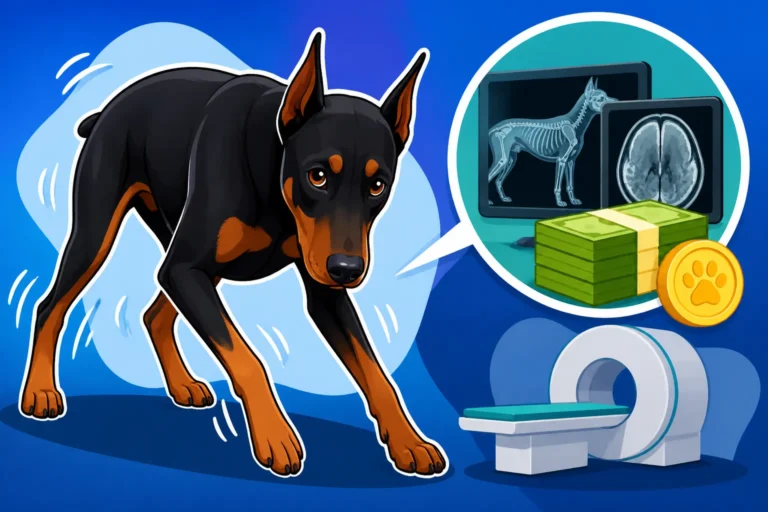
Let's not sugarcoat it: Doberman heart screening is not cheap. Each echocardiogram and Holter monitor reading comes with a professional fee, and these can add up over a dog's lifespan. These aren't the kind of expenses you want to spring on yourself unexpectedly.
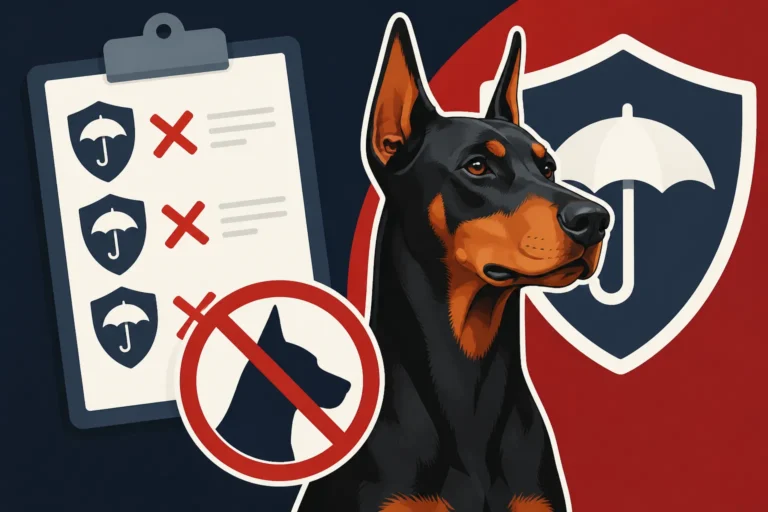
This is where planning and financial foresight really come into play. Many Doberman owners find pet insurance to be a lifeline for these recurring costs, especially as their Dobermans enter the typical age range for DCM development. Companies like Healthy Paws offer plans that can help reimburse a significant portion of eligible veterinary expenses, including specialist visits and diagnostic tests. It's critical to enroll your Doberman in a pet insurance plan before any signs of heart disease are detected, as most policies will consider DCM a pre-existing condition if diagnosed prior to enrollment or during a waiting period. This strategy can turn a potentially crippling annual bill into a much more manageable out-of-pocket expense after reimbursement. Learning about Annual Echo Costs for a Doberman and Paying for Twenty-Four Hours of Doberman Monitoring will give you a clearer picture of what to budget for.
Beyond insurance, simply setting aside a dedicated "Doberman heart fund" each month can also be a proactive step. Even if it's a small amount, it accumulates over time, softening the blow when those specialist bills arrive.
Finding the Right Veterinary Cardiologist
When it comes to your Doberman's heart, you don't want just any veterinarian. You need a specialist. A board-certified veterinary cardiologist has undergone extensive additional training and examinations to become an expert in animal heart disease. They have the advanced equipment, the nuanced understanding of cardiac physiology, and the experience to correctly interpret echo and Holter results specifically for breeds like Dobermans.
Finding one might mean traveling a bit further than your local general practice vet, but it is unequivocally worth it. Ask your primary veterinarian for a referral, or check the websites of organizations like the American College of Veterinary Internal Medicine (ACVIM) to find board-certified cardiologists in your area. This is not the place to cut corners; their expertise can truly make all the difference in catching and managing Doberman DCM.
| Feature | Echocardiogram (Echo) | Holter Monitor (24-Hour ECG) |
|---|---|---|
| What it measures | Heart structure, chamber size, wall thickness, valve function, blood flow, pumping strength | Heart's electrical activity, heart rate, rhythm, presence of arrhythmias (like PVCs) |
| How it's done | Non-invasive ultrasound of the heart | Small, wearable device records continuously for 24 hours |
| Duration | ~30-60 minutes | Worn for a full 24 hours |
| Key purpose | Detects structural changes of DCM (e.g., enlargement) | Detects electrical abnormalities (arrhythmias/PVCs) often before structural changes |
| Sedation | Rarely needed | Not needed, dog wears it at home during normal activity |
| Output | Real-time images, measurements, cardiologist report | Detailed ECG tracing over 24 hours, cardiologist report |
Integrating Comprehensive Care for a Doberman's Heart
Annual screening is the cornerstone, but it's part of a larger picture of comprehensive care for your Doberman's heart health. This involves understanding genetic predispositions, making informed lifestyle choices, and knowing what steps to take if an issue is identified. It's about being a holistic advocate for your Doberman's well-being.
The Role of Genetic Testing in a Screening Plan
Genetic testing for Doberman DCM has come a long way, and it offers valuable insights, though it's important to understand its limitations. There are known gene mutations, such as DCM1 and DCM2, that are associated with an increased risk of developing the disease in Dobermans. These tests can provide a "risk assessment" – telling you if your Doberman carries one or both of these known variants. This information can be particularly useful for breeders in making responsible breeding decisions, and for owners in understanding their dog's individual risk profile.
However, genetic testing does not replace physical screening. A Doberman can test clear for known genetic markers and still develop DCM, and conversely, a Doberman that carries a variant might live a full life without ever showing signs of heart disease. Genetics are complex, and we don't yet understand all the factors involved. Therefore, think of genetic tests as another piece of the puzzle, a complementary tool that informs but does not negate the need for annual echoes and Holters. To learn more about the specific genetic tests available, see The Two Doberman DCM Gene Tests.
Lifestyle Considerations and Supportive Measures
While no diet or exercise regimen can prevent a genetically predisposed Doberman from developing DCM, supporting their overall health through good lifestyle choices is always beneficial. Ensuring your Doberman maintains a healthy weight is paramount, as obesity puts extra strain on the heart and other organs. A balanced, high-quality diet provides the necessary nutrients for optimal body function. Some owners opt for fresh food diets from providers like Ollie or carefully selected kibble from brands available on Chewy, ensuring quality ingredients.
Exercise, in appropriate amounts, keeps their cardiovascular system strong. However, if your Doberman has been diagnosed with DCM, or is in the occult phase, their exercise might need to be modified. It's crucial to follow your cardiologist's advice regarding activity levels, as strenuous exercise can sometimes exacerbate heart conditions. It's a delicate balance, and understanding Whether a Doberman With DCM Should Exercise is key to making the right choices.
Supplements like taurine and carnitine are sometimes discussed in relation to canine heart health, particularly in breeds prone to DCM, but always consult with your veterinary cardiologist before adding any supplements to your Doberman's regimen. They can advise whether such additions are appropriate for your specific dog's health status.
What to Do if Abnormalities Are Detected
The moment you've dreaded: an annual scan reveals abnormalities. This can be incredibly scary and overwhelming, but remember, early detection is precisely why you're doing these annual screenings. Catching DCM in its occult phase, before clinical signs appear, is a huge advantage.
If the cardiologist identifies structural changes or significant arrhythmias, they will likely recommend a treatment plan. This often involves medication designed to support heart function, control arrhythmias, and potentially slow the progression of the disease. Drugs like pimobendan and various antiarrhythmics are commonly used. The goal is to extend the period of occult disease for as long as possible, maintaining your Doberman's quality of life before heart failure develops.
Your cardiologist will explain the specific findings, the recommended medications, their dosages, and potential side effects. They will also outline a follow-up schedule, which might involve more frequent re-checks. This is a journey you'll embark on with your vet team, and understanding Medication for a Doberman in the Occult Phase will be part of this new chapter in your Doberman's care. While a diagnosis is never easy, knowing you've done everything to detect it early offers the best chance for managing the condition effectively.
Disclaimer
This article is for general informational purposes only and does not constitute professional advice. Laws, prices and regulations vary by location and change over time. Consult a qualified professional for guidance on your specific situation.