Surgery on a Doberman With a Clotting Problem
The thought of your Doberman needing surgery is always a little nerve-wracking, but it becomes exponentially more stressful when you know, or even suspect, they might have an underlying clotting disorder. The fear of complications, excessive bleeding, and the potential impact on their recovery can be overwhelming. This guide is here to demystify the process, explain what a clotting problem means for your Doberman's surgical journey, and equip you with the knowledge to work effectively with your veterinary team for the best possible outcome.
Understanding Von Willebrand Disease in Dobermans
When we talk about clotting problems in Dobermans, our minds often jump straight to Von Willebrand Disease (VWD), and for good reason. This is by far the most common inherited bleeding disorder in dogs, and Dobermans are particularly prone to it. It's not just a minor issue; it can turn a routine procedure into a life-threatening event.
What Von Willebrand Disease Is
Von Willebrand Disease is a genetic disorder that affects the blood's ability to clot properly. Essentially, dogs with VWD have a deficiency or a defect in a specific protein called Von Willebrand factor (vWF). This factor is absolutely crucial for the initial steps of blood clotting. Think of it like a sticky glue that helps platelets — the tiny cells responsible for stopping bleeding — adhere to the site of an injury and then stick to each other. Without enough functional vWF, platelets can't do their job effectively, leading to prolonged or excessive bleeding.
There are three main types of VWD, classified by the severity and type of vWF deficiency:
- Type 1 VWD: This is the most common form and the one almost exclusively seen in Doberman Pinschers. Dogs with Type 1 VWD produce vWF, but they produce it in insufficient quantities. The vWF they do produce is usually normal in structure. While it can range from mild to severe, many Dobermans are affected to a degree that puts them at risk during surgery. You might find it useful to read about The Bleeding Disorder Almost Every Doberman Line Carries for a broader understanding of this condition.
- Type 2 VWD: This type is characterized by normal amounts of vWF, but the factor itself is structurally abnormal and doesn't function correctly. This is less common in Dobermans and typically causes more severe bleeding problems than Type 1.
- Type 3 VWD: This is the most severe form, where dogs produce virtually no vWF at all. While rare in Dobermans, it can lead to spontaneous and severe bleeding episodes.
For Doberman owners, Type 1 is the primary concern, making proper identification and management vital for any invasive procedure.
How VWD Affects Bleeding and Why It's a Concern for Surgery
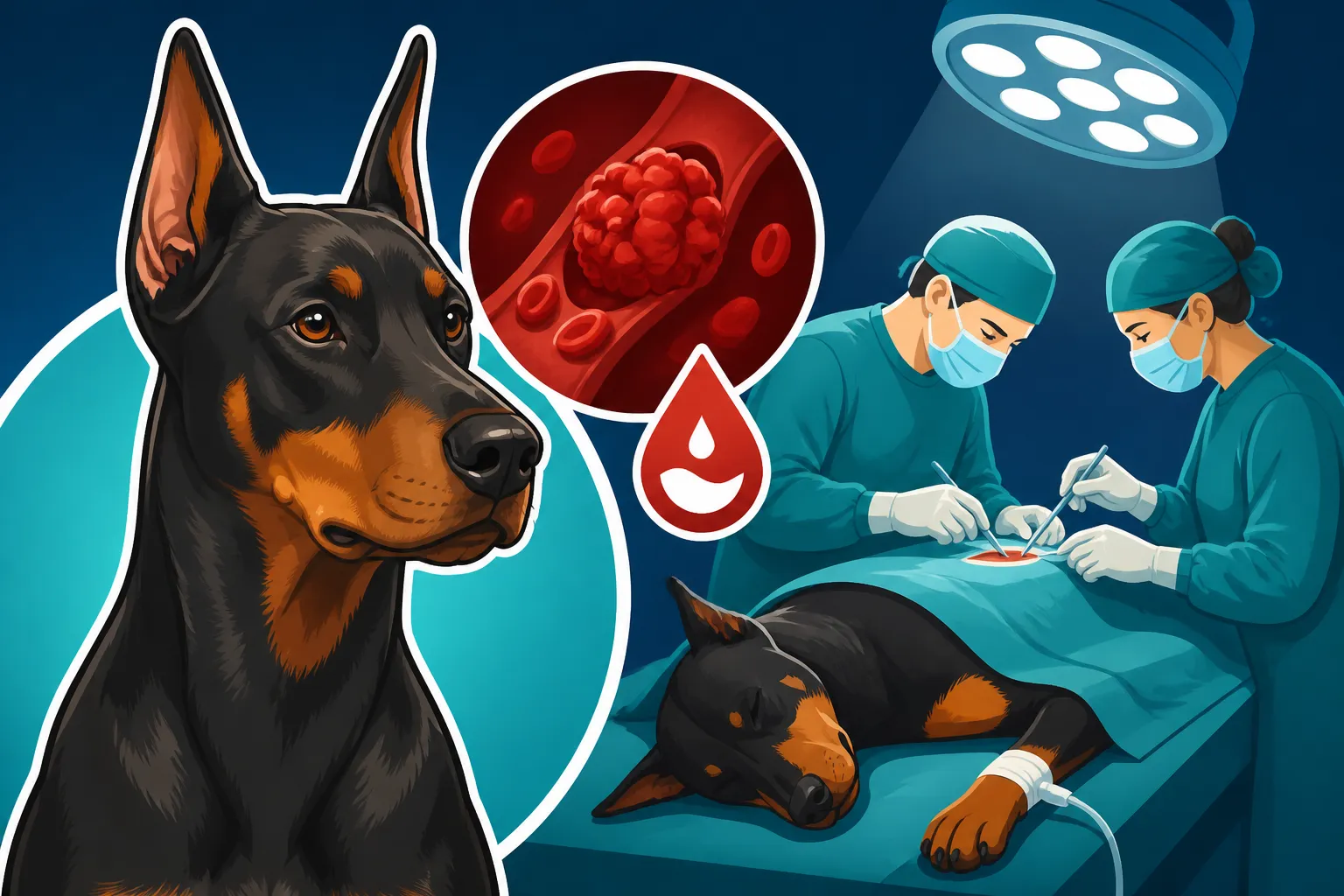
In a Doberman with VWD, the absence or deficiency of functional vWF means that when a blood vessel is injured, the initial plug of platelets struggles to form and stabilize. This translates to prolonged bleeding from even minor cuts, nosebleeds, gum bleeding, or bruising. For surgery, this presents a significant risk because incisions inherently involve cutting through blood vessels.
During surgery, even with the most skilled veterinary hands, there will be some blood loss. In a healthy dog, the natural clotting cascade quickly seals off these small vessels. However, in a Doberman with VWD, this process is delayed and inefficient. This can lead to:
- Excessive blood loss during the procedure: What might be a manageable amount of blood for a healthy dog could be dangerous for a VWD-affected Doberman.
- Hematoma formation: Blood can pool under the skin or within tissues, creating painful swellings.
- Delayed wound healing: Persistent oozing can disrupt the healing process, increasing the risk of infection.
- Post-operative hemorrhage: The most frightening complication, where significant bleeding occurs hours or days after surgery, sometimes internally where it's not immediately visible.
The severity of bleeding can vary greatly between individual Dobermans, even those with similar vWF levels. Some might only experience minor issues, while others could face life-threatening hemorrhages from routine procedures like spaying, neutering, or even a dental cleaning. Understanding these risks is the first step in ensuring your Doberman receives the specialized care they need.
Identifying a Clotting Problem Before Surgery
Knowing that your Doberman has a clotting problem before they ever go under the knife is paramount. It allows your veterinary team to take proactive measures, significantly reducing risks and improving outcomes. Waiting until a problem arises during surgery is a far more perilous path.
Recognizing Symptoms of a Bleeding Disorder
Sometimes, a Doberman's clotting issue becomes apparent long before surgery is even on the table. It's crucial for owners to be vigilant for any unusual bleeding signs. These can include:
- Easy bruising: Not just from rough play, but noticeable bruises appearing with minimal trauma. You might see strange marks on their belly or inner thighs.
- Nosebleeds: Frequent or prolonged nosebleeds without an obvious cause. If your Doberman has Nosebleeds and Gum Bleeding in a Doberman, it could be a warning sign.
- Gum bleeding: Gums that bleed excessively during brushing, or even spontaneously.
- Prolonged bleeding from minor cuts or scrapes: A small nick that just keeps oozing, seemingly never clotting properly.
- Bleeding from the urinary or gastrointestinal tract: Blood in urine or stool, though these can also be indicative of other serious conditions.
- Excessive bleeding during teething or nail trims: This might be the first time an issue becomes obvious in a young puppy.
- Heavy or prolonged heat cycles in females: Another subtle sign that can sometimes indicate a clotting issue.
If you observe any of these symptoms, especially if your Doberman is from a breeding line where VWD is known, it's essential to bring it to your vet's attention immediately, not just when surgery is looming.
The Importance of Pre-Surgical Screening and Testing
Even if your Doberman has never shown any obvious signs of a bleeding disorder, pre-surgical screening is non-negotiable for the breed. Given the high prevalence of VWD in Dobermans, it's safer to assume a risk until proven otherwise.
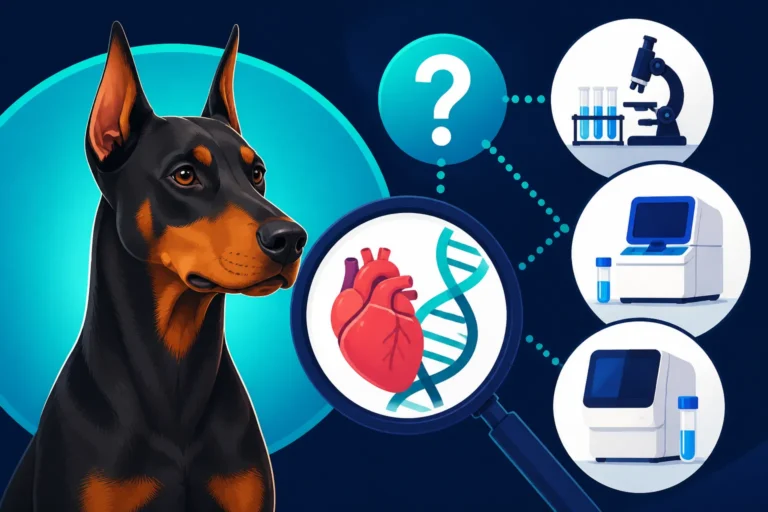
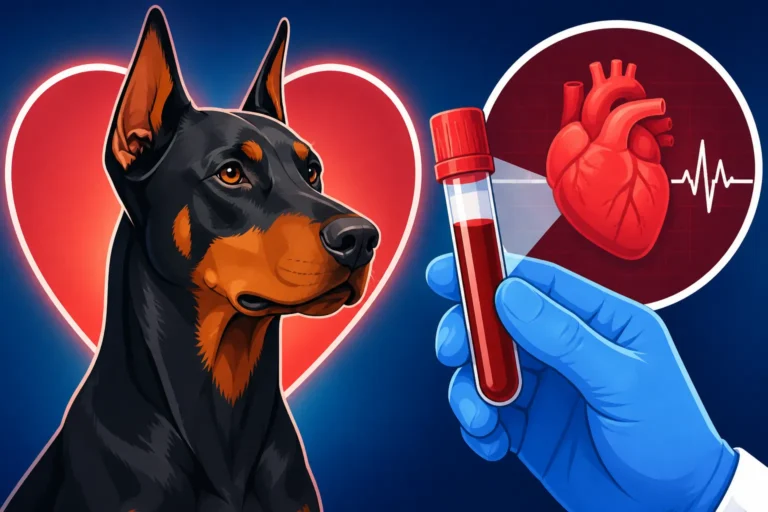
The gold standard for diagnosing VWD in Dobermans is the vWF:Ag test (Von Willebrand Factor Antigen test). This is a blood test that measures the amount of Von Willebrand factor protein in the blood. A lower-than-normal level indicates VWD. It's important to note that stress, inflammation, or certain medications can temporarily affect vWF levels, so sometimes repeat testing is necessary, or your vet might look at other clotting parameters.
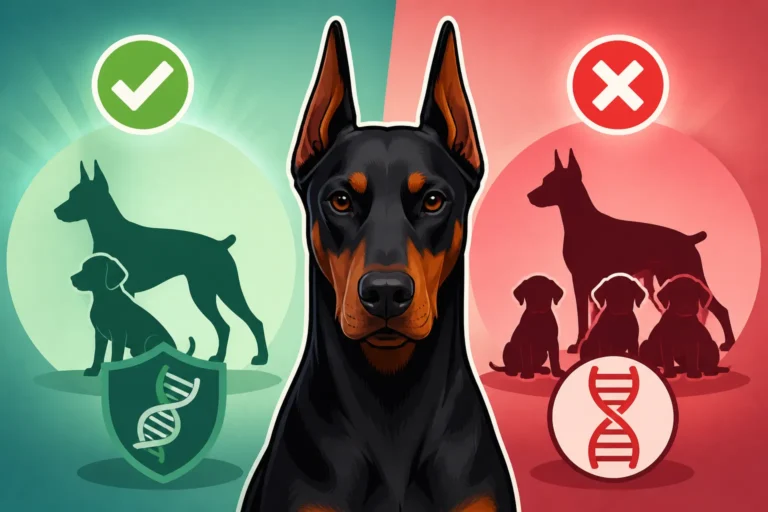
Additionally, a genetic DNA test is available for Type 1 VWD. This test can identify whether your Doberman is genetically "clear," a "carrier," or "affected" with the VWD gene. This is especially useful for breeders, but also for owners seeking definitive answers about their dog's genetic predisposition. You can learn more about The Von Willebrand DNA Test for Dobermans and Clear, Carrier and Affected Doberman Results. While a DNA test confirms genetic status, the vWF:Ag test measures the actual protein level, which can be influenced by factors other than just genetics. Therefore, both tests can offer valuable information, particularly if you have an "affected" result on a DNA test but want to know the current severity of the deficiency.
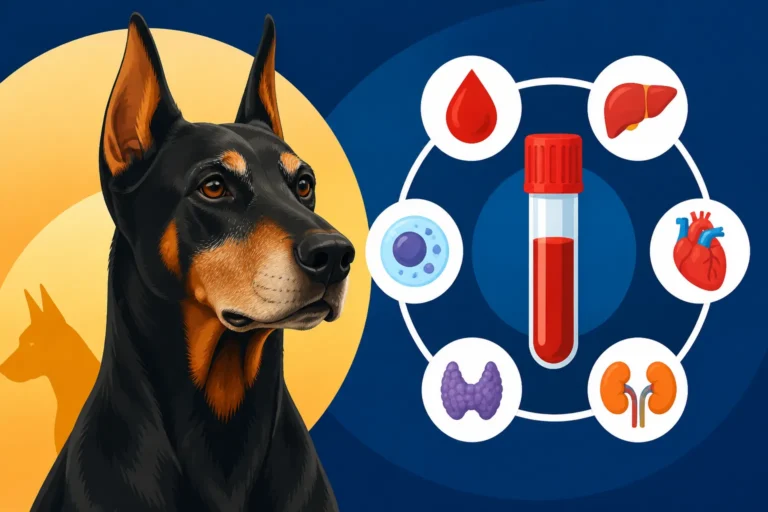
Before any surgery, your vet should also run a routine coagulation panel, which includes tests like:
- Platelet count: To ensure there are enough platelets.
- Prothrombin Time (PT) and Activated Partial Thromboplastin Time (aPTT): These tests evaluate different pathways of the clotting cascade. While VWD primarily affects primary hemostasis (platelet plug formation), these tests help rule out other potential clotting factor deficiencies.
- Buccal Mucosal Bleeding Time (BMBT): This is a simple, quick test where a small incision is made in the dog's gum, and the time it takes for bleeding to stop is measured. It's a functional test of primary hemostasis and can be a good indicator of VWD, though it's not as specific as the vWF:Ag test.
If your Doberman has not been tested, insist on these pre-surgical screenings. The cost of a VWD test is minimal compared to the potential emergency care required if a bleeding crisis occurs during or after surgery. Many owners, wisely, include these health screenings in their budget and look for pet insurance providers like Healthy Paws that cover inherited conditions, provided the policy is in place before any symptoms or diagnosis.
Preparing for Surgery with a Doberman Diagnosed with VWD
Once a clotting problem, particularly VWD, is identified in your Doberman, the approach to surgery changes significantly. It’s no longer a routine procedure; it becomes a carefully managed event requiring specific protocols and a highly prepared veterinary team.
Collaborating with Your Veterinary Team
Open and thorough communication with your veterinarian is critical. This isn't just about sharing test results; it's about discussing a comprehensive plan. If your regular vet isn't specialized in managing complex bleeding disorders, they may recommend consulting a board-certified veterinary internal medicine specialist or a veterinary surgeon who has extensive experience with VWD patients. Don't hesitate to seek a second opinion or referral for a high-risk surgery.
Your vet should be aware of:
- Your Doberman's VWD status: Specifically, the type and severity if known.
- Any history of bleeding episodes: Detail every instance of unusual bruising, nosebleeds, or prolonged bleeding from cuts.
- All current medications and supplements: Some drugs, like NSAIDs (non-steroidal anti-inflammatory drugs) or certain supplements, can further impair clotting function and must be discontinued well in advance of surgery. You might want to refer to Drugs a Doberman With Von Willebrand Should Avoid.
- Your expectations and concerns: Express any anxieties you have about the procedure. A good veterinary team will take the time to explain everything and alleviate your fears.
Work together to create a detailed surgical plan that outlines every step, from pre-anesthetic medications to post-operative care.
Specific Pre-Surgical Protocols and Medications
To minimize bleeding risks, several specific protocols are often put into place before surgery for a VWD-affected Doberman. These may include:
- Discontinuation of certain medications: As mentioned, NSAIDs, aspirin, and even some herbal supplements can interfere with platelet function and should be stopped at least 7-10 days prior to surgery, or as advised by your vet.
- DDAVP (Desmopressin Acetate): This synthetic hormone is a game-changer for many Dobermans with Type 1 VWD. DDAVP works by stimulating the release of stored vWF from the body's endothelial cells (cells lining blood vessels). Administered intravenously or subcutaneously a short time before surgery (usually 30 minutes to an hour), it can temporarily increase circulating vWF levels, improving clotting function. However, not all Dobermans respond to DDAVP, so sometimes a "DDAVP challenge" is performed beforehand to assess its efficacy.
- Antifibrinolytic agents: Medications like aminocaproic acid or tranexamic acid can be used to prevent the breakdown of blood clots once they have formed. These help stabilize the clot and reduce the risk of secondary bleeding.
- Pre-emptive pain management: Ensuring adequate pain control is vital, as excessive stress or pain can contribute to bleeding. Your vet will select pain medications carefully to avoid those that could exacerbate bleeding.
A Doberman facing surgery with a clotting problem is a prime example of why robust pet insurance, such as a comprehensive policy from Healthy Paws, is so valuable. The advanced preparatory steps and potential need for blood products can significantly increase the cost, and having coverage can ease the financial burden during an already stressful time.
The Role of Blood Products and Desmopressin (DDAVP)
In some cases, especially for Dobermans with severe VWD or those who don't respond adequately to DDAVP, blood product transfusions may be necessary.
- Cryoprecipitate: This specific blood product is rich in Von Willebrand factor, Factor VIII, and fibrinogen. It's often the preferred blood product for VWD patients because it directly replenishes the missing clotting factor. It can be administered before, during, or after surgery as needed.
- Fresh Frozen Plasma (FFP): FFP contains all the clotting factors, including vWF, but in lower concentrations than cryoprecipitate. It can be a good option if cryoprecipitate isn't available or if there are concerns about other clotting factor deficiencies.
The decision to use blood products is made by your veterinary team based on your Doberman's specific condition, the invasiveness of the surgery, and the results of their pre-surgical coagulation tests. This level of preparedness, including having compatible blood products on hand, underscores the specialized care required. Understanding Transfusions for a Doberman With a Clotting Disorder can provide more detailed information on this aspect of treatment.
Navigating the Surgical Procedure and Post-Operative Care
The surgery itself and the critical period immediately afterward require heightened vigilance and specific considerations to ensure the best possible outcome for a Doberman with a clotting issue.
Anesthesia and Intra-Operative Considerations
Anesthesia for a VWD-affected Doberman demands careful planning. The goal is to minimize stress, maintain stable blood pressure, and use anesthetic agents that have the least impact on clotting function.
- Pre-anesthetic sedation: Administering sedatives before induction helps to reduce anxiety and smooth the transition to anesthesia, minimizing physiological stress responses that could exacerbate bleeding.
- Careful drug selection: The veterinary anesthesiologist will choose drugs that are less likely to interfere with platelet function or blood pressure.
- Maintaining hydration and blood pressure: Keeping the patient well-hydrated and maintaining stable blood pressure throughout the procedure is crucial. Hypotension (low blood pressure) can reduce blood flow to tissues and organs, potentially worsening any bleeding.
- Gentle tissue handling: The surgeon will employ meticulous surgical techniques, using gentle tissue handling and careful hemostasis (stopping blood flow) to minimize trauma and blood loss. This might involve using electrocautery or ligating blood vessels more frequently than in a healthy dog.
- Blood pressure monitoring: Continuous monitoring of vital signs, including blood pressure, throughout the surgery is essential.
- Transfusion readiness: The veterinary team will have blood products (like cryoprecipitate) readily available in the operating room, along with transfusion equipment, in case they are needed urgently during the procedure.
For complex or lengthy surgeries, a board-certified veterinary anesthesiologist may be involved, bringing an extra layer of expertise to ensure the safest possible anesthetic plan.
Vigilant Post-Operative Monitoring and Preventing Complications
The period immediately following surgery is just as critical as the procedure itself. Bleeding complications can still arise in the hours or even days after your Doberman wakes up.
- Intensive monitoring: Your Doberman will require intensive monitoring in a quiet, calm environment. The veterinary staff will be checking for signs of bleeding, such as:
- Excessive drainage from the incision: While some oozing is normal, profuse or continuous blood-tinged fluid is a red flag.
- Swelling around the surgical site: This could indicate a hematoma (collection of blood) forming.
- Pale gums: A sign of significant blood loss.
- Weakness, lethargy, or collapse: These are serious signs of internal bleeding or shock.
- Increased heart rate or respiratory rate: The body's response to blood loss.
- Pain management: Effective pain control is maintained post-operatively. Pain can increase stress and activity, which could dislodge clots or increase blood pressure, leading to more bleeding. Again, careful selection of pain medications is paramount.
- Restricted activity: Strict confinement and activity restriction are vital to prevent disruption of the healing clots. Leash walks only, no jumping, running, or stair climbing. This might feel frustrating for an active Doberman, but it's absolutely necessary.
- Follow-up blood tests: Your vet may recommend follow-up blood tests to monitor vWF levels and other clotting parameters to ensure stability.
- Emergency plan: Have a clear understanding of what signs to look for once your Doberman is home and who to contact in an emergency. Knowing how to react if your Doberman is Managing a Doberman Bleed at Home can be life-saving.
| Aspect | Standard Surgical Protocol | VWD-Affected Doberman Protocol (Type 1) |
|---|---|---|
| Pre-surgical Testing | Basic blood panel | Full coagulation panel, vWF:Ag test, DNA test if not already done |
| Medications | Standard pre-meds | DDAVP, Antifibrinolytics (e.g., aminocaproic acid), discontinue NSAIDs |
| Blood Products | Rarely needed | Cryoprecipitate or Fresh Frozen Plasma on standby, potentially administered pre-emptively |
| Anesthesia Management | Routine | Specialist consultation, careful drug selection, blood pressure stabilization |
| Intra-Operative | Standard hemostasis | Meticulous hemostasis, gentle tissue handling, readiness for transfusion |
| Post-Operative Care | Routine monitoring | Intensive monitoring for bleeding, strict activity restriction, pain management |
| Complications Risk | General surgical risks | High risk of hemorrhage, hematoma, delayed wound healing |
This meticulous approach reduces the inherent risks of surgery for your Doberman significantly. It also often comes with increased costs, highlighting the value of pet insurance from a provider like Healthy Paws, which can help cover these specialized needs.
Long-Term Management and Financial Considerations
A VWD diagnosis doesn't mean your Doberman can never lead a full, active life. It simply means understanding their condition and making informed decisions to keep them safe and healthy, with careful attention to financial planning.
Living with a VWD-Affected Doberman
Many Dobermans with VWD, particularly Type 1, can live completely normal lives with proper management. The key is to be perpetually prepared and proactive.
- Avoid certain medications: Always inform any veterinarian or emergency clinic that your Doberman has VWD. Keep a list of drugs to avoid, such as aspirin, NSAIDs (like carprofen, meloxicam, deracoxib), and potentially certain antibiotics that can interfere with platelet function.
- Prevent injuries: While you can't bubble-wrap your Doberman, try to minimize situations where they might sustain deep cuts or severe trauma. This doesn't mean no play, but perhaps supervising play more closely.
- Be vigilant for bleeding signs: Continue to monitor for any unusual bruising, nosebleeds, or prolonged bleeding from minor injuries. Early detection allows for prompt intervention. If you notice Bruising and Bleeding in a Doberman, don't delay a vet visit.
- Regular vet check-ups: Ensure your Doberman receives regular veterinary care to monitor their overall health and address any potential issues promptly.
- Inform groomers and boarders: Make sure anyone caring for your Doberman is aware of their condition and knows what to do in case of a bleeding incident.
- Consider spaying or neutering early: If your Doberman carries the bleeding gene, discuss the optimal timing for spaying or neutering with your vet, as these are elective surgeries that require careful planning. See Spaying a Doberman That Carries the Bleeding Gene for more details.
Living with a Doberman that has a known bleeding disorder requires a bit more mindfulness, but it absolutely does not diminish the joy and companionship they bring to your life.
Insurance and Emergency Preparedness
The financial implications of a VWD diagnosis and the specialized care required for surgery can be substantial. This is where pet insurance becomes invaluable.
- Early enrollment is key: For conditions like VWD, which are inherited, pet insurance typically considers them pre-existing if diagnosed before enrollment or during the waiting period. This means it's crucial to enroll your Doberman in a comprehensive pet insurance plan, like those offered by Healthy Paws, when they are young and healthy, ideally before any genetic testing or symptoms appear. This way, if VWD is later diagnosed or suspected, the specialized care and surgical protocols will likely be covered.
- Coverage for specialized treatments: Look for policies that cover specialist visits, advanced diagnostics, blood transfusions, and emergency care. These are all potential necessities for a Doberman with a clotting problem.
- Emergency fund: Even with insurance, it's wise to maintain an emergency fund. There might be deductibles, co-pays, or unexpected costs that arise.
- Emergency contact information: Keep a clearly visible list of your Doberman's medical conditions, medications, and your veterinarian's emergency contact information readily available, especially if you travel with your dog or if someone else cares for them.
- DDAVP on hand: Your vet might prescribe DDAVP for you to keep at home, along with instructions on how to administer it in case of a severe bleeding episode, such as a prolonged nosebleed.
While the "Price of a Doberman Clotting Test Before Surgery" might seem like an extra expense upfront, it pales in comparison to the costs of emergency interventions for uncontrolled bleeding. Proactive testing and planning, backed by a good insurance policy, can save both stress and significant money in the long run. Owning a Doberman means understanding their unique health challenges, and VWD is certainly one of them. Being prepared ensures you can face these challenges head-on, giving your beloved Doberman the best chance at a long, healthy life.
Disclaimer
This article is intended for informational purposes only and does not constitute veterinary medical advice. Always consult with a qualified veterinarian for any health concerns or before making any decisions about your Doberman's care, particularly concerning surgical procedures or diagnosed conditions like Von Willebrand Disease. Individual medical situations can vary significantly.