Managing a Doberman Bleed at Home
It's terrifying to witness your Doberman suddenly bleeding, whether it's a minor cut that refuses to clot or a spontaneous nosebleed that seems to go on forever. Dobermans, unfortunately, carry a higher predisposition to certain bleeding disorders that can quickly escalate a small incident into a full-blown emergency, often leaving us feeling helpless and frantic. This guide is crafted to walk you through how to manage a Doberman bleed at home, providing practical, actionable steps for those critical moments and helping you discern exactly when it's time to rush to the veterinary clinic.
The Underlying Truth About Dobermans and Bleeding Tendencies
Many Doberman owners eventually face a situation where their dog bleeds more easily or for longer than expected. This isn't just bad luck; it's often rooted in a genetic predisposition. The Doberman breed is famously, or perhaps infamously, linked to a specific hereditary bleeding disorder known as Von Willebrand Disease (vWD). This condition can make even a small injury or a routine procedure, like a nail trim, become a source of intense worry and potential danger.
Understanding this genetic reality is the first step in being prepared. It's not about being alarmist, but about being informed and empowered. Many owners don't realize their Doberman might carry this trait until an incident occurs, which is a stressful way to find out. Being aware that your Doberman could have this issue allows you to take precautions and respond effectively if bleeding happens.
Understanding Von Willebrand Disease in Dobermans
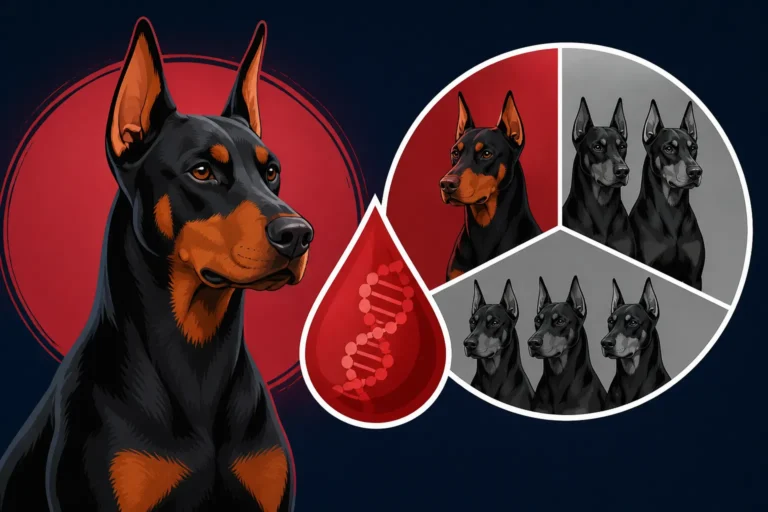
Von Willebrand Disease is a genetic disorder that affects the blood's ability to clot properly. It's the most common inherited bleeding disorder in dogs, and Dobermans have a significantly higher prevalence rate compared to many other breeds. Essentially, dogs with vWD lack or have insufficient levels of Von Willebrand factor (vWF), a protein crucial for platelet adhesion – the initial step in forming a blood clot. Without enough vWF, platelets can't stick together effectively at the site of an injury, leading to prolonged bleeding.
There are different types of vWD, but Dobermans are primarily affected by Type I, which is generally the mildest form but can still cause significant issues. A Doberman might be "clear," "carrier," or "affected" based on their genetic test results. Even carriers, while typically not showing symptoms themselves, can pass the gene on. An affected Doberman might live a completely normal life without noticeable bleeding issues, while others experience severe hemorrhages from seemingly minor trauma. This unpredictable nature is part of what makes it so concerning. It’s why it’s so important to understand The Bleeding Disorder Almost Every Doberman Line Carries.
Recognizing the Signs of a Bleeding Disorder
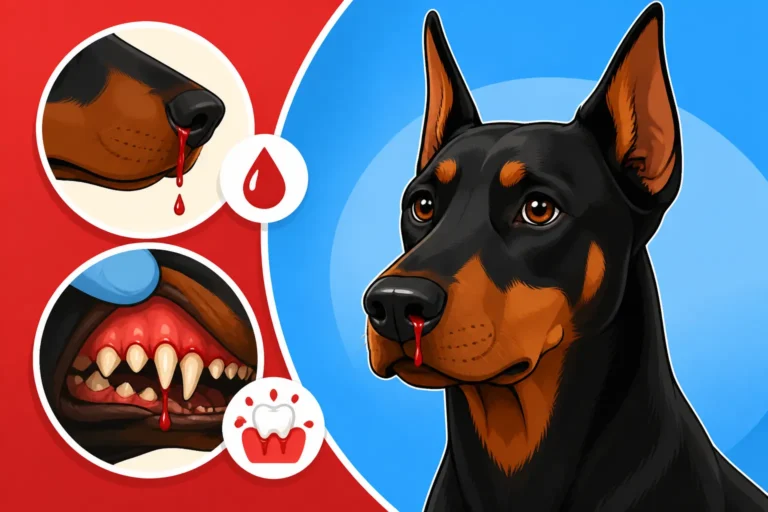
Sometimes, the first sign that your Doberman might have a bleeding disorder is an unexpected bleed. This could manifest as spontaneous nosebleeds, blood in their urine or stool, or excessive bruising that appears without an obvious injury. You might also notice prolonged bleeding after a routine nail trim, a small cut from playing, or dental procedures. For some Dobermans, the first serious indication comes during or after surgery, like a spay or neuter, where the surgical site continues to bleed long after it should have clotted.
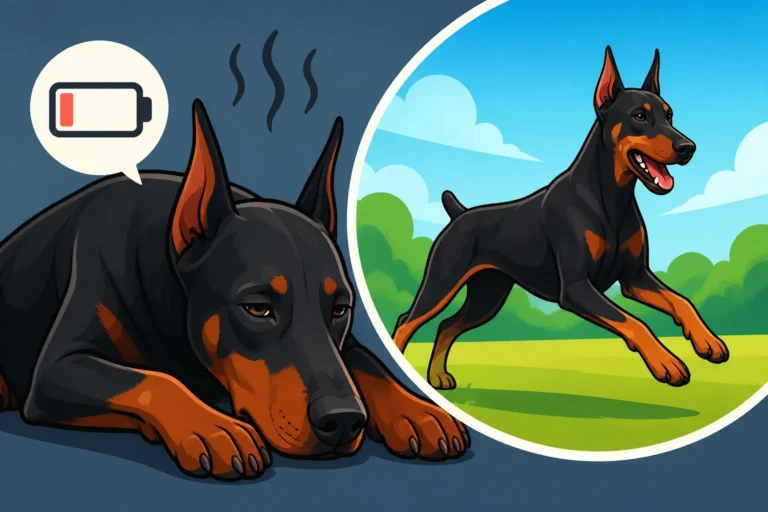
Other times, the signs might be more subtle. Perhaps your Doberman tires more easily than usual, which could be a sign of internal bleeding, or their gums appear paler than a healthy pink, indicating potential blood loss. Learning to recognize these subtle cues can make all the difference in getting timely treatment. Don't dismiss persistent Nosebleeds and Gum Bleeding in a Doberman as just a random occurrence; for a Doberman, it warrants investigation.
Immediate First Aid for a Bleeding Doberman
When you discover your Doberman bleeding, the immediate priority is to remain calm. Panicking will only make it harder to think clearly and help your dog. Gather your first-aid supplies quickly – a well-stocked pet first-aid kit is truly invaluable for Doberman owners. Having the right tools on hand, like sterile gauze, vet wrap, and clotting powder, can save precious minutes.
Remember, the goal of first aid at home is to control the bleeding enough to either stop it completely or stabilize your dog until you can get to a veterinary professional. Even if you manage to stop the bleeding, it's often wise to consult your vet, especially if you suspect an underlying condition like vWD. They can advise whether a follow-up visit is needed and offer peace of mind.
Assessing the Severity and Location of the Bleed
The first step is always to assess the situation. Is the bleeding minor, like a superficial paw pad cut, or is it a deep wound with profuse blood loss? Is it coming from an external source you can see, or do you suspect internal bleeding due to symptoms like lethargy, pale gums, or abdominal distension? The location of the bleed will also dictate your approach. A bleeding nail, for instance, requires a different technique than a deep laceration on the leg.
For external bleeds, try to gently part the fur around the wound to get a clear view. Be careful, as even the most docile Doberman might snap if in pain or fear. If the wound is on a paw, try to lift the paw slightly to reduce blood flow, if possible. For ear bleeds, which can be messy due to the head shaking, try to hold the ear flap still. Never assume a bleed is minor without a proper assessment; what looks small on the surface might be more severe underneath, especially for a Doberman with a clotting issue.
Stopping External Bleeding
Once you've assessed the wound, it's time to act.
- Direct Pressure: This is your most effective tool for most external bleeds. Take a clean cloth, sterile gauze, or even a thick paper towel and apply firm, continuous pressure directly over the wound. Hold this pressure for at least 5-10 minutes without peeking. Lifting the cloth repeatedly disrupts the clot formation process. If blood soaks through, add more layers on top; do not remove the original dressing.
- Elevation: If the bleeding is on a limb, elevating it above the level of the heart can help reduce blood flow. Gently hold the limb up while maintaining direct pressure.
- Styptic Powder or Cornstarch for Nail Bleeds: Bleeding nails are incredibly common and can be surprisingly heavy, especially for a Doberman. If you accidentally cut the quick during a nail trim, or if your dog tears a nail, immediately apply styptic powder (like Kwik Stop) or even plain cornstarch or flour to the bleeding nail. Pack it firmly onto the tip of the nail and apply pressure for a few minutes. You might need to reapply if the bleeding restarts.
- Compresses for Ear Bleeds: Doberman ears, especially if cropped, can bleed profusely from small nicks or vigorous head shaking due to ear infections. Apply firm pressure to both sides of the ear flap with gauze. You might need to bandage the ear down to the head gently (not too tight!) to maintain pressure and prevent further shaking if your vet has shown you how. Otherwise, just focus on direct pressure and getting to the vet.
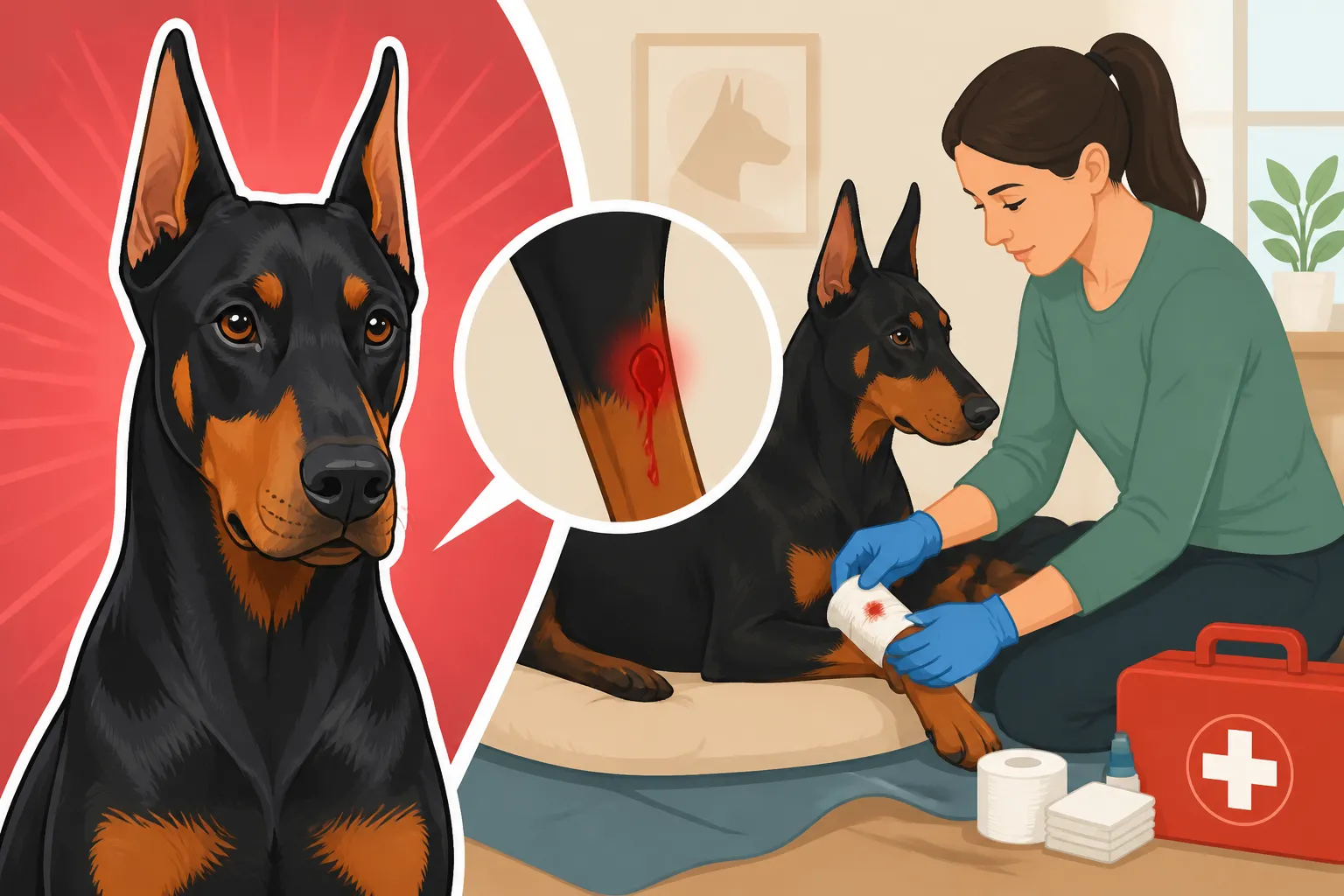
- Pressure Bandage (if confident): For a persistent bleed on a limb that you can't stop with direct pressure alone, a pressure bandage can be helpful. Place a sterile pad over the wound, then wrap it firmly with self-adhering bandage material (like Vet Wrap), starting below the wound and working your way up. Ensure it's snug enough to apply pressure but not so tight that it cuts off circulation – you should be able to slip two fingers under the bandage easily. This is typically a temporary measure while en route to the vet.
It’s a good idea to have a well-stocked pet first-aid kit readily available, containing items like sterile gauze, medical tape, Vet Wrap, antiseptic wipes, styptic powder, and non-stick pads. These small investments can make a huge difference in an emergency.
Here's a quick reference table for common bleeding scenarios:
| Type of Bleed | Immediate Action | When to Call Vet |
|---|---|---|
| Nail Quick | Apply styptic powder/cornstarch, apply firm pressure. | If bleeding won't stop after 10-15 mins of continuous pressure. |
| Paw Pad Cut | Clean gently, apply direct pressure with sterile gauze, elevate. | If deep, profuse, or bleeding restarts quickly. |
| Ear Flap Nick | Apply firm pressure with gauze to both sides of ear. | If bleeding is heavy, persistent, or wound is large. |
| Minor Skin Laceration | Apply direct pressure with sterile gauze, clean gently. | If deep, wide, gaping, or bleeding won't stop. |
| Nosebleed (Spontaneous) | Keep dog calm, apply cold compress to bridge of nose, elevate head slightly. | If bleeding is heavy, prolonged, or dog shows weakness/pale gums. |
| Suspected Internal | Keep dog calm, limit movement. | IMMEDIATE EMERGENCY VET VISIT. |
When to Seek Professional Veterinary Care
Knowing when to transition from home first aid to a veterinary emergency is absolutely critical for Dobermans. While you might successfully manage a minor cut, there are clear signs that indicate a bleed is beyond home treatment and requires immediate professional attention. Delaying veterinary care in severe cases can have serious, even life-threatening, consequences for a Doberman with a bleeding disorder.
Never hesitate to call your vet or an emergency clinic if you are unsure about the severity of a situation. It's always better to be overly cautious than to regret waiting. Your vet understands the Doberman's predisposition to bleeding issues and will take your concerns seriously.
Red Flag Symptoms That Demand an Emergency Vet Visit
There are several scenarios where a trip to the emergency vet is not just recommended, but essential:
- Uncontrollable Bleeding: If, despite applying consistent, firm pressure for 10-15 minutes, the bleeding continues profusely or saturates bandages quickly, it's an emergency. This indicates a severe clotting issue or a large blood vessel involved.
- Pale Gums and Weakness: These are classic signs of significant blood loss, possibly from internal bleeding or severe external hemorrhage. If your Doberman's gums are white, pale pink, or even blue, and they seem weak, lethargic, or collapse, get them to the emergency vet immediately.
- Large, Deep Wounds: Any wound that is deep enough to expose underlying tissue, muscle, or bone, or is particularly wide and gaping, will likely require stitches or other veterinary intervention. These types of wounds are difficult to manage at home and carry a high risk of infection.
- Head or Chest Trauma: Bleeding from the head (especially ears that won't stop) or chest, or any sign of bleeding after a fall or impact, needs urgent veterinary assessment. These areas are vital, and internal injuries can be life-threatening.
- Blood in Vomit, Urine, or Stool: While sometimes benign, blood in these excretions can indicate serious internal bleeding from the digestive, urinary, or respiratory tracts. Black, tarry stools (melena) suggest digested blood from the upper GI tract, while bright red blood often indicates lower GI bleeding. Red urine can point to kidney or bladder issues.
- Severe or Persistent Nosebleeds: While a minor nosebleed can sometimes be managed at home, a heavy, prolonged, or recurrent nosebleed in a Doberman is a major red flag. It can be a sign of vWD, hypertension, foreign objects, or even tumors.
- Swelling or Distension: Any sudden, unexplained swelling, particularly in the abdomen, can be a sign of internal bleeding. This is a critical emergency.
- Known Bleeding Disorder: If you know your Doberman has been diagnosed with Von Willebrand Disease or another clotting issue, any significant bleeding should prompt a call to your vet, even if it seems minor. Their condition puts them at higher risk. For Doberman owners, understanding Bruising and Bleeding in a Doberman is vital for early detection.
Communicating with Your Vet During an Emergency
When you call your emergency vet, be prepared to give them crucial information quickly and clearly. Tell them your Doberman's breed, age, and any known medical conditions (especially if they are vWD-affected or a carrier). Describe the nature of the bleed: where it's located, how much blood has been lost (e.g., "a puddle the size of a dinner plate"), whether it's continuous or intermittent, and what steps you've already taken.
Mentioning if you've already applied pressure or used styptic powder helps them understand the situation. Don't forget to report any other symptoms your Doberman is showing, such as weakness, pale gums, difficulty breathing, or pain. The more detailed and accurate information you can provide, the better they can prepare for your arrival and provide immediate care. If you have pet insurance, like through Healthy Paws, make sure you have your policy information handy, as unexpected emergency vet fees can be substantial.
Proactive Management and Prevention
Living with a Doberman who might have a bleeding tendency doesn't mean you have to live in constant fear. Instead, it means being proactive and prepared. There are several steps you can take to minimize risks and ensure you're ready to respond if an incident occurs. This proactive approach centers around understanding your dog's specific health status and making smart choices about their environment and care.
Being a responsible Doberman owner means being vigilant about their health, especially given the breed's known predispositions. It's not just about reacting to problems, but actively working to prevent them and having a solid plan in place for unforeseen circumstances. This could save your Doberman's life and a lot of emotional and financial stress.
Knowing Your Doberman's vWD Status
The absolute cornerstone of proactive management is knowing your Doberman's Von Willebrand Disease status. A simple DNA test can determine if your Doberman is clear, a carrier, or affected by vWD. This information is invaluable. If your dog is affected, your vet can take extra precautions during any surgical procedures, such as administering a cryoprecipitate transfusion beforehand to provide the missing clotting factor. This is why a reputable breeder should always provide information on The Von Willebrand DNA Test for Dobermans for the parent dogs, and ideally, for the puppy itself.
Even if your Doberman is a carrier, it’s useful information to have, especially if you ever consider breeding (though carriers should not be bred to other carriers or affected dogs). Knowing their status allows you to inform any new vet or emergency clinic immediately, which could be critical in a crisis. It removes the guesswork and enables prompt, tailored medical care. Without this knowledge, your vet might not know to take extra clotting precautions during an emergency surgery, which could lead to severe complications.
Creating a Safe Home Environment
Beyond genetic testing, simple environmental modifications can significantly reduce the risk of injury for a Doberman with a bleeding disorder.
- Secure Your Home: Walk through your home and yard from your Doberman's perspective. Are there sharp edges on furniture or gardening tools that could cause a cut? Are thorny bushes trimmed back? Securing these hazards can prevent many avoidable injuries.
- Supervised Play: While Dobermans love to run and play, supervise them, especially during rough-and-tumble sessions with other dogs or in areas with uneven terrain. A minor tumble could lead to a hematoma or internal bruise that bleeds excessively.
- Careful Grooming: Be extra cautious during nail trims. Use sharp clippers or a dremel to ensure a clean cut, and always have styptic powder or cornstarch within reach. Many Dobermans have black nails, making it harder to see the quick. If you’re unsure, ask your vet or a professional groomer to show you the safe length. For Wound Healing in a Doberman With Thin Skin, even minor cuts need attention.
- Dental Health: Good dental hygiene is important for all dogs, but for Dobermans with vWD, it's even more crucial. Gum disease can lead to chronic, low-grade bleeding. Regular brushing and professional dental cleanings (with appropriate vWD precautions from your vet) can prevent more serious issues.
- Medication Awareness: Discuss all medications, including over-the-counter supplements, with your vet. Certain drugs, like NSAIDs (non-steroidal anti-inflammatory drugs), can have blood-thinning properties and should be used with extreme caution or avoided entirely in Dobermans with vWD. Your vet can advise you on Drugs a Doberman With Von Willebrand Should Avoid.
Financial Preparedness and Insurance
Let’s be real: unexpected vet visits, especially emergencies involving bleeding disorders, can be incredibly expensive. Diagnostic tests, transfusions, and overnight stays can quickly add up, leaving many owners in a tough spot. Having a financial plan in place for these possibilities is not just smart, it’s essential for a Doberman owner.
Consider setting up a dedicated savings fund specifically for veterinary emergencies. Even better, invest in comprehensive pet insurance. Policies from providers like Healthy Paws can offer significant relief by covering a large portion of eligible vet bills. It's crucial to enroll your Doberman before any signs of a bleeding disorder appear, as pre-existing conditions are typically not covered. Review policy details carefully to understand coverage for hereditary conditions. While insurance might feel like an added expense, the peace of mind it offers when your Doberman needs emergency care for an unexpected bleed is truly invaluable. Knowing that your Annual Limit a Doberman Heart Case Uses Up can also be affected by other conditions, makes broad coverage even more important.
Managing a Doberman bleed at home requires a combination of quick thinking, practical first aid, and a deep understanding of your dog's unique health needs. By being prepared, staying calm, and knowing when to seek professional help, you can navigate these stressful situations and ensure your beloved Doberman receives the best possible care.
Disclaimer
This article is intended for informational purposes only and does not constitute veterinary advice. Always consult with a qualified veterinarian for any health concerns or before making any decisions about your Doberman's medical care. In an emergency, always contact your nearest veterinary clinic immediately.