Whether Doberman Thyroid Explains Aggression
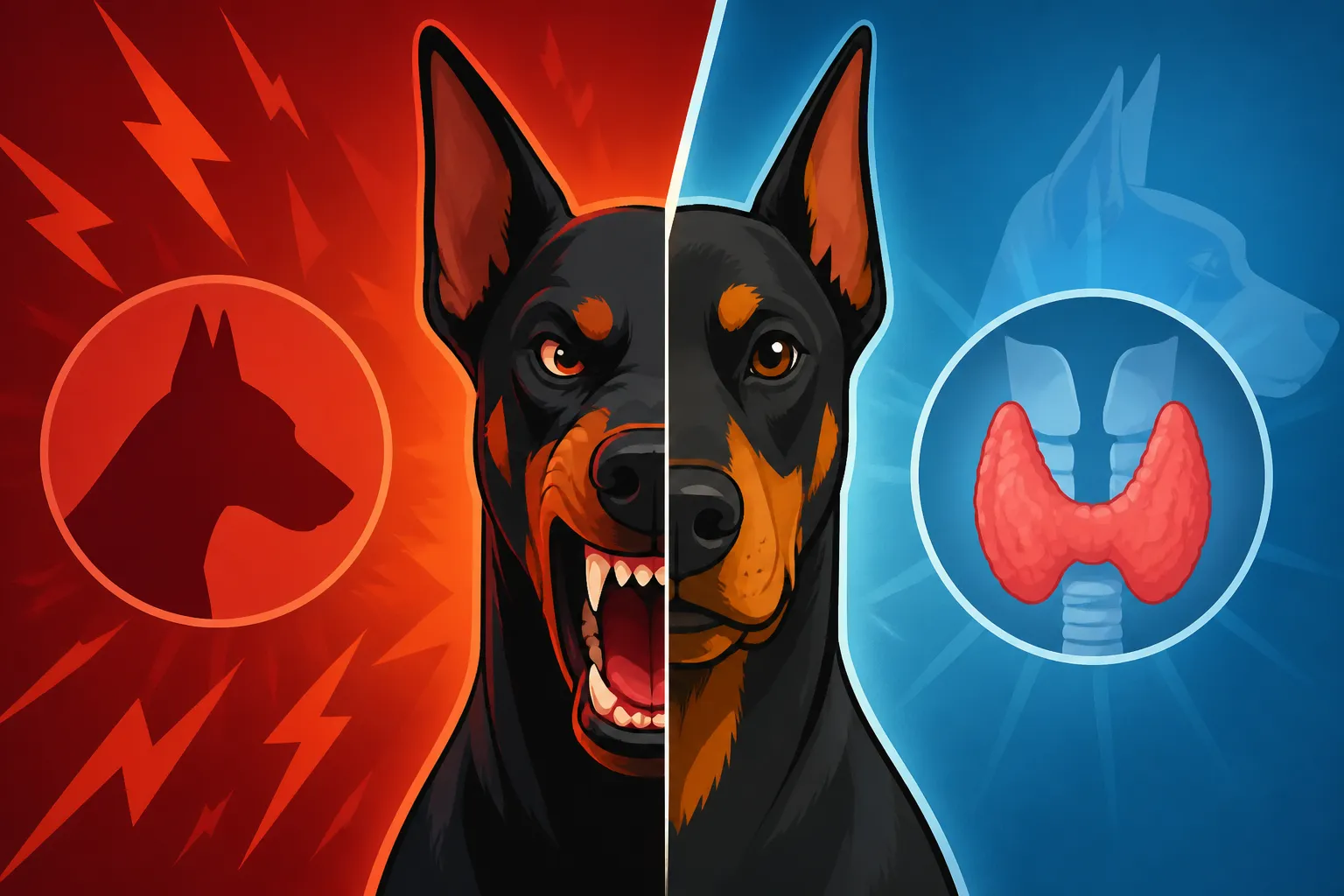
It’s an unsettling experience when your usually predictable Doberman suddenly starts exhibiting aggressive behaviors, or seems to snap out of the blue. Many Doberman owners, understandably concerned, often wonder if something deeper, perhaps even a thyroid imbalance, could be to blame for these alarming shifts in temperament. This guide will explore the complex relationship between thyroid health and Doberman behavior, helping you understand when and why this connection might manifest and what steps you can take.
The Link Between Thyroid Hormones and Canine Behavior
When you bring a Doberman into your home, you expect a loyal, confident, and perhaps a bit dramatic companion. But what happens when that usually steady temperament begins to waver, and you start seeing signs of aggression or intense reactivity? It's natural to jump to behavioral solutions, but sometimes, the root cause lies much deeper, within the delicate balance of their endocrine system. Specifically, the thyroid gland plays a far greater role in a dog's overall well-being, including their mental state, than many owners realize.
How Thyroid Hormones Influence Mood and Temperament
Think of your Doberman's thyroid gland as the master regulator of their metabolism. Located in the neck, this small but mighty gland produces hormones, primarily thyroxine (T4) and triiodothyronine (T3), that impact almost every cell in their body. These hormones are critical for growth, development, energy regulation, and yes, even brain function. When thyroid hormone levels are optimal, your Doberman's body and mind are humming along efficiently. They have appropriate energy levels, a healthy coat, and a stable emotional baseline.
However, when there's a dip in these crucial hormones, the effects can be widespread and insidious. The brain and nervous system, being particularly sensitive to metabolic changes, start to feel the impact. This can manifest as anything from lethargy and dullness to profound changes in mood and cognitive function. Imagine trying to function when your body is running on half-power, your brain foggy, and your patience thin. That's a bit like what a dog experiencing low thyroid might be going through, making them more susceptible to emotional dysregulation and reactivity. These subtle shifts often go unnoticed until they escalate into more overt behavioral issues, leading owners to wonder if their Doberman's personality is simply changing for the worse.
Understanding Hypothyroidism in Dobermans
Hypothyroidism is the most common thyroid disorder in dogs, and unfortunately, Dobermans are disproportionately affected by it. This condition occurs when the thyroid gland doesn't produce enough thyroid hormones. There are a couple of main culprits: either the dog's own immune system attacks and destroys the thyroid tissue (lymphocytic thyroiditis), or the gland simply atrophies over time. Both outcomes lead to a deficiency in those vital T3 and T4 hormones we just discussed.
The symptoms of hypothyroidism can be incredibly varied and often mimic other conditions, which makes diagnosis tricky. Beyond behavioral changes, you might notice classic signs like unexplained weight gain even if your Doberman isn't overeating, a dull, dry, or thinning coat, sometimes with excessive shedding, or even bare patches, particularly on the flanks or tail. They might seem more sluggish, less interested in walks or play, and generally "slowed down" – something that, for an active breed like a Doberman, can be a stark change. You might even observe them getting The Thyroid Numbers That Slow a Doberman Down.
What makes hypothyroidism particularly frustrating for Doberman owners is that the behavioral symptoms can sometimes appear before the more physical ones, or at least be the most jarring. This is often why aggression or unusual reactivity becomes the primary concern. Given the Doberman's already intense personality and protective instincts, it's easy for an owner to attribute these changes to training lapses or just "being a Doberman," overlooking a potentially treatable medical condition. This is why understanding the nuances of how this disease manifests is so crucial for Doberman families.
Unpacking "Aggression" in Dobermans and Thyroid Dysfunction
The word "aggression" can be a loaded term when discussing Dobermans. They are a powerful, intelligent, and highly protective breed, and their natural guarding instincts can sometimes be misinterpreted. However, when these behaviors escalate or appear out of character, it’s vital to investigate all potential causes, including underlying health issues like thyroid dysfunction. It's not always easy to tell the difference between a natural Doberman trait and a symptom of illness.
Differentiating True Aggression from Reactivity or Fear
Dobermans are renowned for their vigilance and strong protective drive. They are often aloof with strangers and can be quick to alert their families to perceived threats. This isn't aggression in the negative sense; it's part of their inherent The Doberman Temperament as the Standard Describes It. A Doberman might bark intensely at the mail carrier, stand between you and a new visitor, or patrol the yard with purpose. These are normal, albeit sometimes challenging, aspects of the breed. Similarly, some Dobermans might display reactivity—excessive barking or lunging—on leash towards other dogs or people, which often stems from frustration, excitement, or underlying fear, not necessarily true aggression. They might even display specific body language, such as A Doberman That Stiffens Before It Growls, indicating unease rather than an intent to harm.
True aggression, especially when linked to medical issues, typically presents differently. We’re talking about sudden, unprovoked outbursts, increased irritability, or a significant lowering of their threshold for tolerating everyday situations. A Doberman that was once tolerant of children might now snap. One that enjoyed vet visits might become fearfully aggressive, biting without clear warning signs. The key here is the change in behavior—a departure from their established personality and coping mechanisms. It’s particularly concerning when the aggression seems random, without a clear trigger, or is disproportionate to the perceived threat, leading to dangerous situations for both the dog and those around them.
Specific Behavioral Changes Associated with Hypothyroidism
When a Doberman's thyroid levels drop, it's not just their metabolism that slows down; their emotional regulation can go haywire. The behavioral changes linked to hypothyroidism can be incredibly frustrating and even frightening for owners because they often seem to come out of nowhere. We’re not necessarily talking about a dog suddenly turning into a snarling beast, but rather a gradual shift towards increased anxiety, irritability, and sometimes, unpredictable aggressive displays.
One common manifestation is an increased sensitivity to external stimuli. A dog that once ignored loud noises or sudden movements might now startle easily and react defensively. They might become more anxious, displaying signs like pacing, excessive panting, or destructive behaviors when left alone, even if they were previously fine. This anxiety can then lead to what looks like aggression, as the dog feels overwhelmed and resorts to defensive biting or snapping. For example, a Doberman might become touch-sensitive, lashing out if touched unexpectedly, especially if they are also experiencing generalized pain or discomfort that could be related to other underlying health issues. If you notice a Weight Gain and Low Energy in a Doberman, alongside new behavioral problems, a thyroid check becomes even more important.
In some cases, the aggression can be quite specific, such as food aggression, toy guarding, or even aggression towards familiar family members, which is particularly heartbreaking. It's as if their tolerance level for everyday annoyances has significantly decreased, and they're always on edge. This makes them less predictable and much harder to manage. Owners often describe their dogs as "different" or "not themselves," experiencing a profound shift in personality that can be truly distressing. These changes are often progressive, worsening over time as the thyroid deficiency becomes more pronounced.
When to Suspect a Thyroid-Related Behavioral Issue
So, how do you know if your Doberman's behavioral issues might actually be screaming for a thyroid check, rather than just more training? The biggest red flag is a sudden, inexplicable change in temperament, particularly if it's accompanied by some of the physical symptoms mentioned earlier. If your Doberman, who was once a picture of calm confidence, starts showing signs of extreme fear, irrational irritability, or unprovoked aggression, it’s time to talk to your vet about a thyroid panel. This is especially true if you’ve ruled out obvious environmental stressors, pain, or insufficient exercise and mental stimulation.
Consider the context: if the aggression is random, unpredictable, and doesn't seem to have a logical trigger, or if your Doberman's response to a perceived threat is wildly disproportionate to the situation, it raises a significant medical concern. For instance, if your dog suddenly starts growling at you when you approach their food bowl, even though they’ve never shown resource guarding before, or if they seem overly defensive when startled by a mundane household noise, these are strong indicators. It’s also crucial to consider if the behavioral changes coincide with any physical symptoms like Hair Loss on a Blue Doberman (if you have one of those gorgeous dilute coats), lethargy, or Stiffness in a Doberman That Used to Sprint.
Don't dismiss these changes as just "bad behavior" or assume your Doberman is simply going through an adolescent phase, like A Doberman That Tests Every Rule at Ten Months. While training and environmental management are always important, ignoring a potential medical cause could mean missing a treatable condition. Always consult your veterinarian first. They can help differentiate between purely behavioral problems and those that might have an underlying physiological cause. Early detection and treatment can make a world of difference not just for your Doberman's health, but for the safety and harmony of your household.
Diagnosing and Managing Thyroid-Related Behavioral Problems
Once you suspect a thyroid issue might be at play in your Doberman's behavioral changes, the next crucial step is accurate diagnosis and effective management. This isn't a simple process of guessing; it requires careful veterinary investigation and a commitment to ongoing care. It’s a journey that can sometimes feel overwhelming, but with the right approach, you can significantly improve your Doberman's quality of life and potentially resolve their concerning behaviors.
Proper Thyroid Testing a Doberman Properly
Getting a proper diagnosis for hypothyroidism in a Doberman is more involved than just a quick blood draw. Standard thyroid panels usually include total T4 (TT4) and canine TSH (thyroid-stimulating hormone). However, given how prevalent and often complex thyroid issues are in Dobermans, many veterinarians and specialists recommend a more comprehensive evaluation, which typically includes:
- Total T4 (TT4): This measures the total amount of thyroxine in the blood. It's a good initial screening test, but can be influenced by many non-thyroidal illnesses and certain medications (like steroids or sulfa antibiotics).
- Free T4 (fT4): This measures the unbound, biologically active form of T4. It's generally considered a more accurate indicator of thyroid function because it's less affected by non-thyroidal factors.
- Canine TSH (cTSH): This hormone, produced by the pituitary gland, stimulates the thyroid to produce T4. In hypothyroidism, TSH levels are usually high because the pituitary is working overtime trying to get the underactive thyroid to respond.
- T3 Autoantibodies (TgAA): These antibodies are often present in cases of autoimmune thyroiditis, where the body's immune system attacks the thyroid gland. Their presence can help confirm an autoimmune basis for the hypothyroidism, even if hormone levels are currently normal, suggesting a predisposition or early stage of the disease. This is particularly important for Dobermans who are genetically predisposed to this autoimmune form.
It’s not uncommon for Dobermans to have T4 levels that fall into a "low normal" range, which might be perfectly fine for another breed but could indicate a problem for a Doberman. This is why specialist interpretation, often by a veterinary internal medicine specialist or an endocrinologist, can be invaluable. They understand the breed-specific nuances and can distinguish true hypothyroidism from euthyroid sick syndrome (where thyroid levels are low due to other illnesses). Make sure your vet knows you're looking for a thorough assessment, not just a basic screening, especially if behavioral changes are your primary concern.
Treatment and Prognosis for Hypothyroidism
If your Doberman receives a diagnosis of hypothyroidism, the good news is that it is typically a very manageable condition. The primary treatment involves daily oral supplementation with synthetic thyroid hormone, usually levothyroxine. This medication effectively replaces the hormones your Doberman's body isn't producing naturally. The dosage will be carefully determined by your veterinarian based on your dog's weight and the severity of their deficiency, and it will be adjusted over time based on follow-up blood tests.
You might be wondering how quickly you’ll see those aggressive behaviors disappear. It’s important to manage expectations here. While physical symptoms like lethargy or poor coat quality might start to improve within a few weeks, behavioral changes can take longer. It often takes several weeks to a few months for the brain chemistry to rebalance as hormone levels normalize. Some Doberman owners report a significant reduction in irritability and anxiety within 4-8 weeks, but complete resolution of behavioral issues can sometimes take up to six months or even longer. For some dogs, particularly those with a long history of undiagnosed hypothyroidism, certain ingrained behaviors may persist, requiring additional behavioral modification techniques. Consistent medication, regular monitoring (typically 6-8 weeks after starting treatment, then every 6-12 months), and patience are key. Many Dobermans, once properly regulated, can return to their happy, stable selves, living a full life.
The Importance of a Multi-faceted Approach
While thyroid medication is essential for treating the underlying medical condition, it's rare for it to be a standalone magic bullet for all behavioral issues. Hypothyroidism might have contributed to or exacerbated certain behaviors, but it doesn't erase learned responses or genetic predispositions. This is where a multi-faceted approach becomes absolutely crucial for your Doberman's overall well-being and your peace of mind.
Even after starting medication, you might find that some of the behaviors, particularly aggression or reactivity, have become ingrained habits. This is where professional help from a certified professional dog trainer or a veterinary behaviorist who Finding a Trainer Who Has Worked With Dobermans can make a world of difference. They can help you implement positive reinforcement-based training protocols to address specific behaviors, rebuild confidence, and teach your Doberman more appropriate coping mechanisms. Environmental management is also vital; ensuring your Doberman has a predictable routine, adequate exercise, mental stimulation with puzzle toys or training, and a safe, low-stress home environment will support their recovery. Remember, a Doberman with a newly balanced thyroid still needs proper training and socialization to thrive.
Furthermore, it’s worth considering if any previous experiences, perhaps even Rebuilding Trust With a Harshly Handled Doberman, contributed to or compounded the behavioral issues. A dog's history, even if vague, can play a role in their current reactions. Also, while thyroid disease can cause behavioral changes, it’s not the only medical condition that can lead to aggression. Whether Pain Explains a Doberman's Behavior Change is another critical question to explore with your vet. Arthritis, dental issues, neurological problems, or even chronic infections can cause irritability and a shortened temper. A holistic approach, combining medical treatment, behavioral modification, and a supportive environment, offers the best chance for your Doberman to lead a happy, well-adjusted life, free from the grips of unpredictable aggression.
Comparison of Common Doberman Behavioral Issues and Potential Thyroid-Related Symptoms
| Behavior Description | Common Behavioral Causes (Non-Thyroid) | Potential Thyroid-Related Symptoms | Key Differentiators |
|---|---|---|---|
| Barking/Lunging at Strangers/Dogs (on leash) | Fear, frustration, over-excitement, lack of socialization | Increased irritability, anxiety, lower tolerance for stimuli | Sudden onset, disproportionate reaction, accompanied by other physical symptoms. |
| Growling/Snapping over food/toys (Resource Guarding) | Learned behavior, genetic predisposition, insecurity | Heightened anxiety, sudden onset in previously tolerant dog | Unexplained new onset, particularly if broader irritability exists. |
| Increased reactivity to sounds/movements | Lack of habituation, underlying anxiety (non-medical) | Hypersensitivity, feeling constantly "on edge" | Dog seems genuinely distressed, easily startled, sudden change in threshold. |
| Lethargy/Loss of interest in play | Age, insufficient exercise, depression, other illnesses | Profound fatigue, unexplained Weight Gain and Low Energy in a Doberman | Responds poorly to encouragement, not just "lazy," often with coat changes. |
| Destructive chewing/pacing when alone | Separation anxiety, boredom, insufficient exercise | Anxiety, general restlessness, inability to settle | New onset or severe worsening of previous issues, unresponsiveness to training. |
| Unprovoked aggression towards family members | Fear, pain, lack of clear boundaries, past negative experiences | Extreme irritability, reduced tolerance, unpredictable outbursts | A Doberman That Stiffens Before It Growls but then bites without typical warnings. |
Disclaimer
The information provided in this article is for educational purposes only and is not a substitute for professional veterinary advice. Always consult with a qualified veterinarian or veterinary specialist for any health concerns or before making any decisions about your Doberman's health or treatment plan.