Trainer Rates for a Reactive Doberman
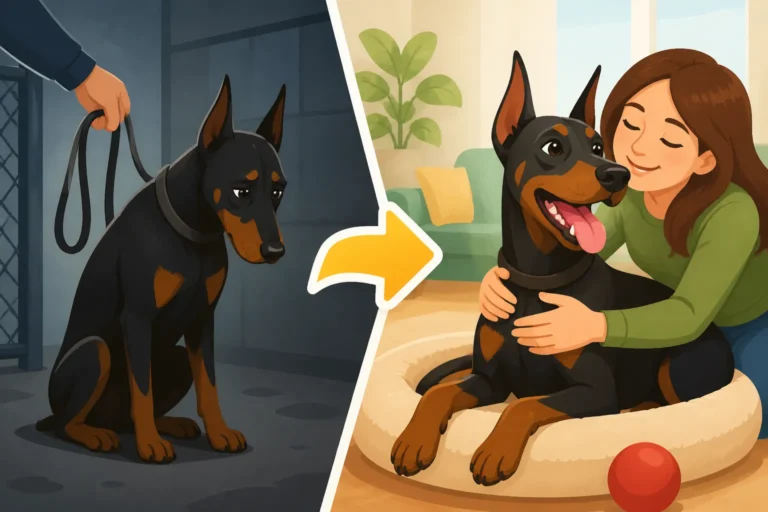
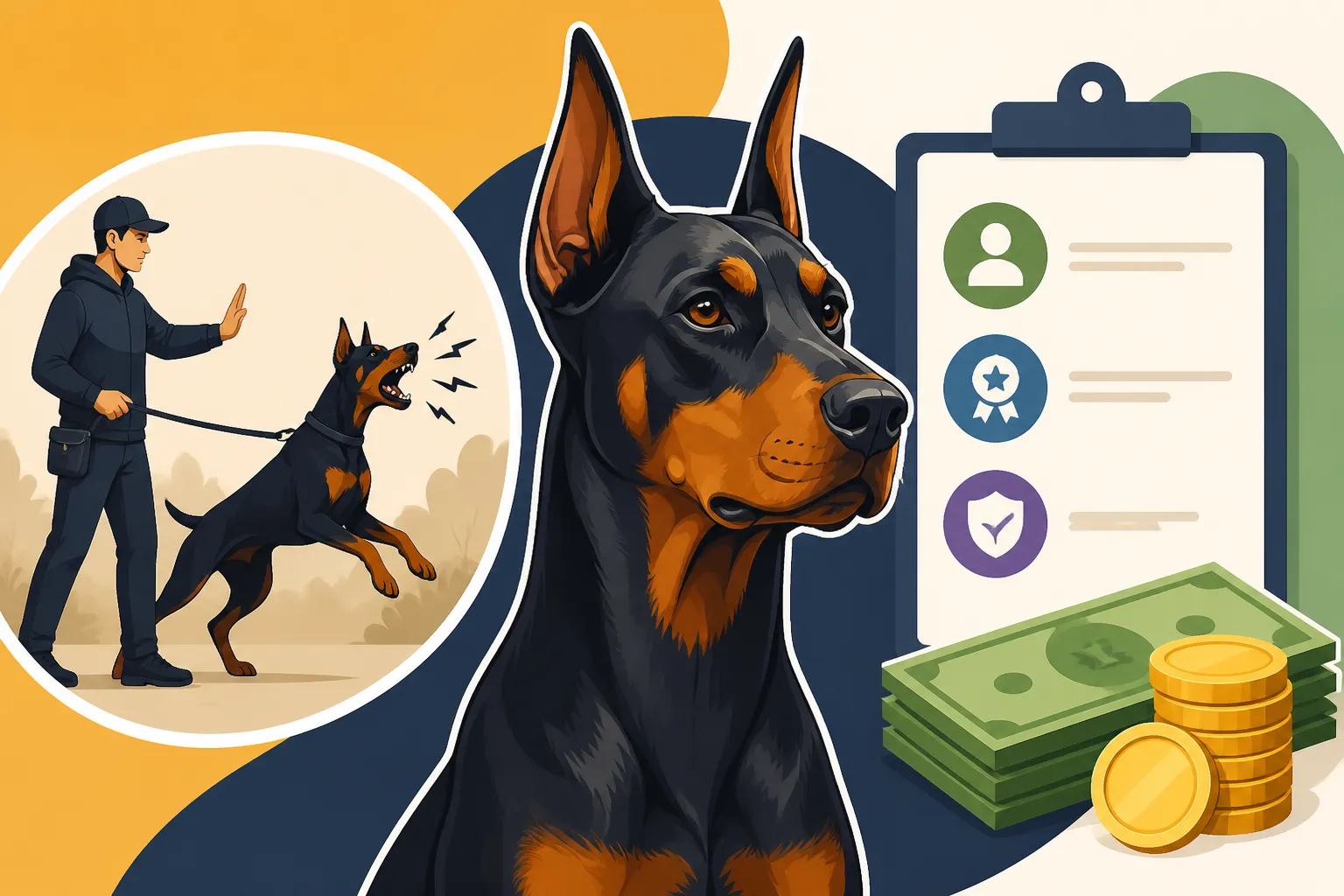
It's incredibly frustrating when your beloved Doberman starts reacting strongly to things in the environment—barking, lunging, or freezing up at the sight of another dog, a stranger, or even a sudden noise. You feel like you're constantly on edge, dreading walks, and wondering if you'll ever have the calm, confident companion you dreamed of. This guide is here to shed light on the costs associated with professional training for a reactive Doberman, what influences those rates, and how to navigate finding the right help without feeling completely overwhelmed by the potential expenses.
Understanding Doberman Reactivity and the Need for Professional Intervention
Dobermans are magnificent dogs, known for their intelligence, loyalty, and protective instincts. But sometimes, those very traits can manifest as reactivity. What might start as a low growl or a stiff body when a stranger approaches can escalate to full-blown barking, lunging, and even air-snapping if not managed correctly. It’s not just about manners; it's often a complex cocktail of fear, overstimulation, frustration, or even genetic predisposition for guarding that gets out of hand.
Trying to tackle reactivity on your own, especially with a powerful and intelligent breed like a Doberman, can feel like trying to stop a freight train with your bare hands. You’ve probably scoured countless online forums, watched YouTube videos, and maybe even tried advice from well-meaning friends. But a reactive Doberman needs more than generic tips. They need nuanced, breed-specific approaches, and that’s where professional trainers who understand the Doberman temperament become invaluable. Without proper intervention, reactivity can worsen, leading to a much more stressed dog and an increasingly isolated owner. A Doberman That Reacts to Every Dog It Sees is a common scenario that requires expert guidance.
Factors Influencing Trainer Rates for Reactive Dobermans
When you start looking for a trainer, you'll quickly notice a wide range of prices. It’s not just random; several key factors play into what a professional will charge to help your reactive Doberman. Understanding these can help you manage your expectations and budget.
Trainer Experience and Specialization
Just like in any profession, experience and specialization matter a great deal. A trainer who has spent years working specifically with reactive dogs, and even better, with Dobermans, will likely charge more than a general puppy class instructor.
- Behavioral Expertise: Trainers specializing in reactivity often have advanced certifications (like CPDT-KA, KPA-CTP, or a CCBC/CDBC designation) that signify a deep understanding of canine behavior, learning theory, and modification techniques. They know how to identify the root cause of the reactivity (fear, anxiety, territoriality, frustration) rather than just suppressing symptoms.
- Breed-Specific Knowledge: A Doberman's guarding instincts and sensitive nature mean they respond differently to training than, say, a Labrador. A trainer familiar with the breed understands these nuances, knows Why Heavy Corrections Backfire on a Doberman, and can tailor methods that build confidence rather than instill fear, which is crucial for a breed prone to Doberman Guarding Instinct and Where It Tips Over.
- Demand and Reputation: Highly sought-after trainers with a proven track record for successfully rehabilitating reactive Dobermans will naturally have higher rates due to demand for their expertise. Word-of-mouth referrals from other Doberman owners are golden here.
Training Modality and Location
How and where the training takes place significantly impacts the cost.
- Private One-on-One Sessions: These are often the most effective for reactivity because they are tailored entirely to your Doberman's specific triggers and your home environment.
- In-home sessions: A trainer comes to your house, which is ideal for addressing reactivity in its natural context. This often includes travel fees, making it generally more expensive per hour than facility-based training.
- At a facility: You travel to the trainer's private facility. This can be slightly less expensive than in-home if it cuts down on the trainer's travel time, but still offers dedicated attention.
- Group Classes: While generally more affordable, traditional group classes are rarely suitable for truly reactive Dobermans, as the presence of other dogs or people can be overwhelming and counterproductive. Some specialized "reactive dog" classes exist, but they are highly controlled and often require prior private training.
- Board-and-Train Programs: Your Doberman lives with the trainer for a period (weeks to a month or more). This offers intensive, consistent training but comes with a hefty price tag due to the round-the-clock care and professional expertise involved. It can be a good option for severe cases or if you need a "reset," but it still requires significant owner follow-up to maintain results.
- Geographic Location: Rates vary widely by region. Trainers in major metropolitan areas or high cost-of-living regions will invariably charge more than those in rural areas.
Severity of Reactivity and Required Session Length
The level of your Doberman's reactivity directly correlates with the amount and intensity of training required.
- Mild Reactivity: Perhaps your Doberman just barks occasionally at unfamiliar sounds or people from afar. This might require fewer, shorter sessions focusing on desensitization and counter-conditioning.
- Moderate Reactivity: If your Doberman lunges and barks every time they see another dog on a walk, or growls at houseguests, it will demand more structured, consistent, and potentially longer sessions to build new coping mechanisms and change their emotional response. A Doberman That Lunges at Passing Dogs is a classic example of moderate reactivity that needs dedicated attention.
- Severe Reactivity/Aggression: For Dobermans exhibiting aggressive behaviors like biting (even if just air-snapping), intense fear, or full-blown meltdowns, the training path will be longer, more complex, and may require a multi-modal approach, including management tools like muzzle training. Muzzle Training a Doberman Before It Is Needed is a vital safety step that a good trainer will introduce early. This level of intervention naturally comes with a higher overall cost.
- Frequency and Duration: Severe reactivity often benefits from more frequent, perhaps shorter, sessions initially, gradually spacing them out as progress is made. A trainer might recommend multiple sessions a week for a few weeks, which adds up quickly compared to a weekly session.
Types of Training Programs and Their General Cost Structures
Understanding the common program structures can help you choose what best fits your Doberman’s needs and your budget. Remember, exact prices are not static and can change, so always get current quotes.
Individual Consultations and Sessions
This is often where most reactivity training begins. An initial consultation is crucial for the trainer to assess your Doberman, discuss your goals, and formulate a personalized plan.
- Initial Consultations: Typically a one-time, longer session (1-2 hours) where the trainer observes your Doberman, discusses their history, triggers, and your daily routine. This assessment allows them to determine the scope of the problem and recommend a path forward. The cost is often a flat fee, which can be similar to the price of a regular follow-up session but sometimes slightly higher due to the comprehensive nature.
- Single Sessions: After the initial consultation, follow-up sessions are usually booked individually. These are focused on implementing specific training exercises, addressing challenges, and progressing through the plan. The cost is per hour or a set fee for a specific duration (e.g., 45-60 minutes). This can feel flexible, but the total can add up if many sessions are needed.
Behavioral Modification Packages
Many trainers offer packages that bundle several sessions together at a slightly reduced rate compared to booking them individually. This is a popular option for reactivity cases because consistent, ongoing work is essential.
- Typical Structure: A package might include 4-8 sessions, often with email or phone support between sessions. Some may also include resources like written summaries, video demonstrations, or access to online materials.
- Benefits: These packages encourage commitment to the process, which is vital for seeing lasting change in a reactive Doberman. They also provide a clearer overall cost upfront. The price reflects the sustained effort and professional guidance over several weeks or months.
Board-and-Train Programs
For severe cases, or owners who struggle to implement consistent training themselves, a board-and-train program can seem appealing. Your Doberman lives at the trainer's facility for an extended period, receiving intensive training.
- Intensive Nature: These programs offer daily, multiple training sessions, exposure to controlled environments, and constant supervision. They are often highly structured to address specific behavioral issues.
- High Cost: Due to the 24/7 care, housing, and extensive professional input, these programs are typically the most expensive option, often costing several thousand dollars for a few weeks. It's important to remember that even with a board-and-train, significant owner education and follow-up training are always necessary once your Doberman returns home.
Online/Virtual Coaching
With technology, virtual training has become more accessible. This involves video calls where a trainer observes your Doberman (often via a remote camera or a video sent by you), discusses strategies, and guides you through exercises.
- Affordability: Generally less expensive than in-person sessions as it eliminates travel time and overhead for the trainer.
- Limitations: While great for foundational obedience or mild issues, virtual coaching might not be suitable for highly reactive Dobermans where the trainer needs to be physically present to ensure safety, assess subtle body language, and manage dynamic environments. However, it can be an excellent supplement to in-person training or a good starting point for less severe cases.
Here's a quick overview of these training modalities:
| Training Type | Typical Cost Structure | Pros | Cons | Best For |
|---|---|---|---|---|
| Initial Consultation | Flat fee per session | Comprehensive assessment, personalized plan | One-time service, doesn't include ongoing training | First step for any reactivity issue |
| Private Sessions (In-Home) | Per hour/session | Highly customized, real-world context, trainer comes to you | Higher per-session cost, can add up quickly | Most reactivity cases, complex issues, owner convenience |
| Private Sessions (Facility) | Per hour/session | Customized, controlled environment, dedicated attention | Requires owner travel, may lack real-world triggers from home | Moderate reactivity, specific skill-building |
| Behavioral Packages | Bundle of sessions | Cost-effective over time, consistent support, encourages commitment | Upfront investment, requires owner dedication | Most moderate to severe reactivity cases |
| Board-and-Train | Per week/program | Intensive, quick progress for some, hands-off for owner | Very expensive, critical owner follow-up needed, potential for stress | Severe cases, owners with limited time for initial intensive work |
| Online/Virtual Coaching | Per hour/session | More affordable, accessible from anywhere, flexible | Less suitable for severe cases, trainer not physically present | Mild reactivity, foundational skills, supplementary support, follow-ups |
Navigating the Costs: Making Professional Training Accessible
Seeing the potential costs laid out can feel daunting, especially when you're already stressed about your Doberman's behavior. But there are ways to make professional help more manageable.
Don't Skip the Initial Consultation
While it’s an upfront cost, the initial consultation is non-negotiable. It’s where a professional can accurately diagnose the problem, rule out underlying medical issues (which can sometimes manifest as behavioral problems), and create a targeted plan. Without this, you might spend more money on ineffective training or programs that aren't a good fit. This is also your chance to interview the trainer and ensure they use humane, positive reinforcement methods, which are paramount for a sensitive Doberman. Finding a Trainer Who Has Worked With Dobermans is crucial, and the initial consult helps you evaluate their suitability.
Inquire About Payment Plans and Package Deals
Many trainers understand that behavioral modification is a significant investment and are willing to work with you.
- Installment Plans: Some trainers or facilities may offer the option to pay for a package in several installments rather than one lump sum. Don't be afraid to ask about this during your initial discussion.
- Sliding Scales or Hardship Discounts: While less common, some trainers, especially those affiliated with non-profits or rescues, might offer a sliding scale fee based on income or a discount for adopted dogs. It never hurts to ask, particularly if you've adopted your Doberman from a breed-specific rescue.
Leverage Pet Insurance for Behavioral Coverage
This is where pet insurance can be a game-changer, but you need to be strategic. Many pet insurance providers, including popular ones like Healthy Paws, do offer coverage for behavioral therapy, but there are usually stipulations.
- Veterinary Referral: Most policies require that behavioral issues be diagnosed by a licensed veterinarian and often require a referral to a certified veterinary behaviorist or a certified professional dog trainer for the costs to be covered.
- Pre-Existing Conditions: If your Doberman was already showing signs of reactivity before you enrolled in insurance, it's highly likely to be deemed a pre-existing condition and therefore excluded from coverage. This is why it’s always best to get pet insurance when your Doberman is a puppy or young adult, before any significant health or behavioral issues arise. For general financial planning, consider Insuring a Doberman Before the Heart Turns and behavioral issues.
- Policy Specifics: Always read the fine print of your policy or call the insurer directly to confirm what behavioral therapies are covered, what the deductible is, and what reimbursement percentage they offer.
Explore Financial Aid and Assistance Programs
While not widespread, some resources exist that might help offset costs.
- Breed-Specific Rescues: Doberman rescues sometimes have funds or can point you to resources for training assistance, especially if you adopted your Doberman through them. They often understand the breed's needs and common challenges.
- Local Humane Societies/Shelters: Some larger organizations offer discounted training programs or can connect you with trainers who work on a pro-bono or reduced-fee basis for specific cases.
- Grants: A few national organizations offer grants for pet owners facing financial hardship who need behavioral care for their animals. These are competitive but worth investigating.
Supplement with Cost-Effective Resources (Wisely)
While professional training is key, you can supplement your efforts with more affordable resources for ongoing support.
- Quality Food and Enrichment: A well-fed Doberman is a healthier Doberman. Quality food can influence mood and overall well-being. Retailers like Chewy and Ollie offer subscription services for high-quality kibble or fresh food options that can contribute to your Doberman's overall health, which in turn can aid training.
- Books and Online Courses: Once you have a professional diagnosis and plan, well-regarded books or online courses from reputable trainers can provide additional exercises or deeper understanding. However, these should supplement, not replace, hands-on guidance for reactivity.
- Appropriate Gear: Investing in a good-quality, comfortable harness (not aversive collars that can exacerbate reactivity) and a long line can be invaluable for safely managing a reactive Doberman during training.
The overall cost of owning a Doberman goes beyond just training; it includes ongoing care, food, and potential health issues. It's helpful to consider What a Doberman Costs Month to Month and Whether a Doberman Suits a Tight Budget when bringing one into your life.
Beyond the Price Tag: What You're Really Paying For
It's easy to get hung up on the dollar figures, but when you invest in professional training for a reactive Doberman, you're paying for much more than just a few hours with a trainer.
Long-Term Behavioral Change and a Calmer Life
This is the ultimate goal. You're not just buying a temporary fix; you're investing in changing your Doberman's emotional response and teaching them appropriate coping mechanisms. This leads to a Doberman that is less stressed, less anxious, and ultimately, a happier companion. For you, it means less stress on walks, fewer moments of public embarrassment, and the ability to enjoy your dog without constant apprehension. Imagine being able to walk past another dog without your Doberman erupting, or having friends over without them being met by a barking, lunging guard dog. That peace of mind is priceless.
Safety and Peace of Mind
A reactive Doberman, due to their size, strength, and protective instincts, can inadvertently pose a risk to themselves, other dogs, or people. Effective training significantly mitigates these risks, enhancing safety for everyone involved. Knowing you can manage your dog in challenging situations brings immense relief and allows you to enjoy activities you might have previously avoided. You’re also preventing potential legal issues or the heartbreaking decision of rehoming your beloved Doberman because their behavior has become unmanageable.
Strengthening the Bond with Your Doberman
Reactivity often strains the relationship between a dog and its owner. You might feel frustrated, embarrassed, or even resentful. Professional training helps you understand your Doberman's communication signals better, learn how to advocate for them, and build trust. As your Doberman learns to cope and you learn how to guide them effectively, your bond will deepen. The training process itself, when done correctly with positive reinforcement, becomes a shared learning experience that strengthens your connection.
Preventing Future Problems and Escalations
Addressing reactivity early and effectively is an investment that can prevent more severe and costly problems down the line. An unmanaged reactive Doberman is more likely to escalate their behaviors, potentially leading to injuries, increased veterinary bills for stress-related conditions, or even specialized (and very expensive) interventions like veterinary behaviorist consultations or long-term medication for anxiety. Early intervention is almost always more effective and ultimately more economical than trying to fix a deeply ingrained problem years later. Think of it as preventative care for their mental and emotional well-being.
Disclaimer
This article is for general informational purposes only and does not constitute professional advice. Laws, prices and regulations vary by location and change over time. Consult a qualified professional for guidance on your specific situation.