Whether a Doberman Should Be Left in a Car
It’s a scenario so many of us Doberman owners have faced: you’re out and about with your loyal companion, maybe after a great park visit, and you suddenly realize you need to pop into a store for "just a minute." That moment of hesitation – can I leave my Doberman in the car? This guide is here to walk you through why that quick stop can become a dangerous gamble and offer responsible alternatives to keep your beloved Doberman safe, healthy, and out of harm's way.
The Hidden Dangers of Leaving a Doberman in Your Car
We all want our Dobermans with us, but the inside of a vehicle, even for a short time, is rarely the safe haven we imagine. There are serious, often underestimated, risks involved that can turn a simple errand into a devastating event.
The Silent Killer: Temperature Extremes
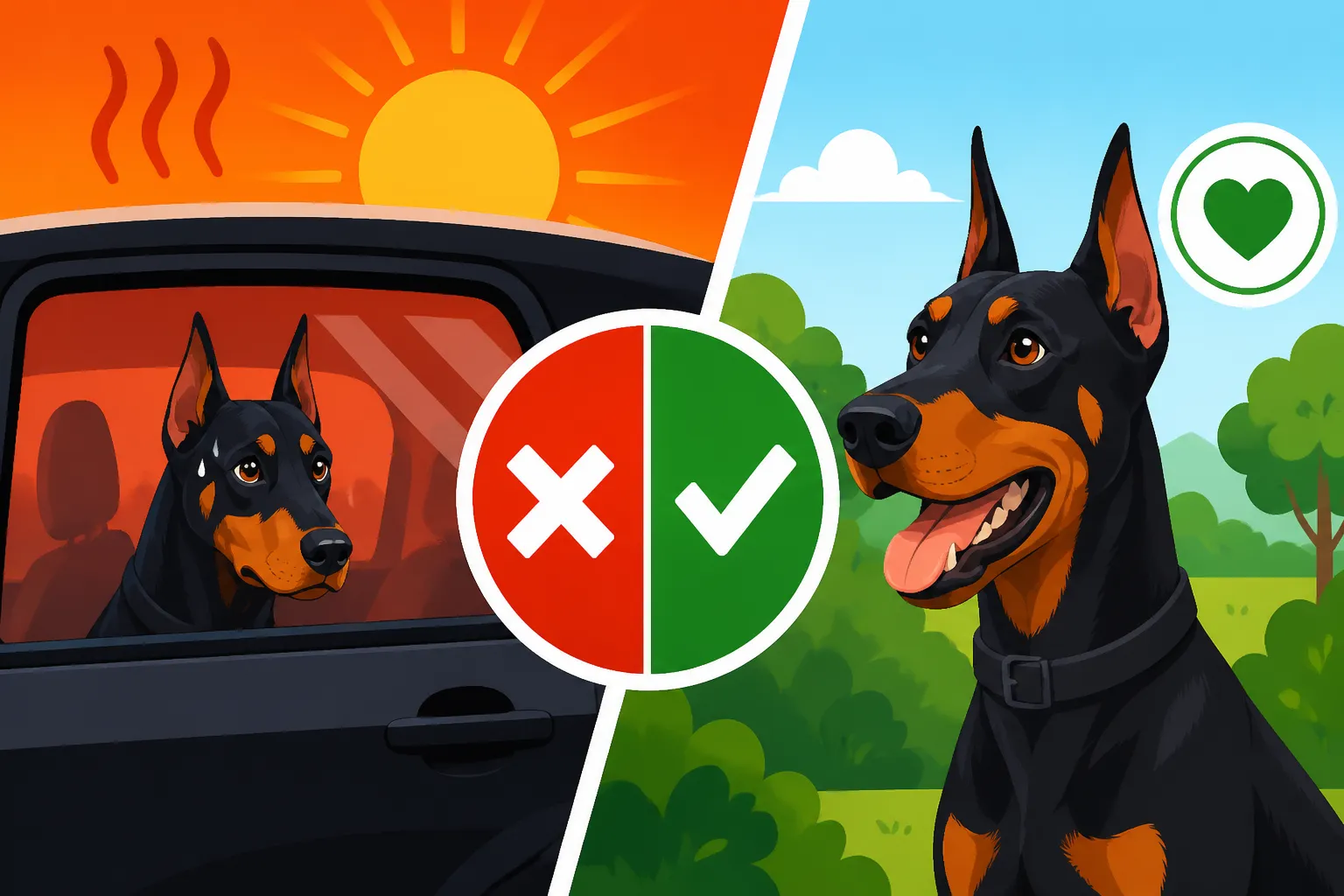
This is, without a doubt, the most critical danger. When we talk about leaving a dog in a car, heatstroke is usually the first thing that comes to mind, and for good reason. On an 85-degree Fahrenheit day, the temperature inside a car can rocket to 102 degrees in just 10 minutes, and to 120 degrees within 30 minutes, even with the windows cracked. Dobermans, with their lean bodies and dark coats, can succumb to heatstroke rapidly. They don't sweat like humans do; they pant to cool down, which isn't efficient enough in a rapidly heating environment. The initial signs might be subtle – heavy panting, drooling, restlessness – but it quickly progresses to weakness, vomiting, collapse, and organ damage. It's a cruel, swift process.
But let's not forget the other end of the spectrum: cold. While Dobermans don't have a thick undercoat to protect them, making them quite susceptible to cold (you'll notice them shivering even on a mild winter day!), leaving them in a freezing car can also lead to hypothermia. Just as quickly as a car heats up, it can plummet in temperature, especially when the engine is off and there's no insulation from a running heater. Imagine being stuck in a metal box when the outside temperature is already hovering around freezing. Your Doberman's thin skin and lack of natural padding mean they feel the cold intensely. This is particularly true if you live in an area where temperatures drop significantly, as discussed in The Temperature a Doberman Needs a Coat.
Theft, Vandalism, and Unintended Consequences
Beyond the immediate physical dangers, leaving your Doberman unattended in a vehicle opens up a Pandora's box of other problems. Sadly, dog theft is a very real concern, and a beautiful, striking Doberman can be a prime target for opportunistic thieves. Imagine returning to find your car window smashed and your beloved Doberman gone – a nightmare scenario that happens far too often. Even if they aren't targeting your Doberman specifically, a visible dog can make your car a target for general vandalism or theft, with your pet potentially harmed in the process.
Then there's the Doberman's inherent nature. These dogs are intelligent, alert, and protective by design. Doberman Guarding Instinct and Where It Tips Over explores this in depth. If a stranger approaches your car, even innocently, your Doberman's instinct might kick in. They could bark aggressively, lunge at the window, or even attempt to bite through the glass or restraint, causing injury to themselves or others. This isn't aggression; it's their hardwired response to protect their "pack" and territory, which in that moment, is your car. This can lead to panicked bystanders, accusations of an aggressive dog, or even damage to your vehicle.
Public Perception and Your Doberman's Welfare
It's tough when you love your dog fiercely, but public perception matters. Most people, seeing a dog alone in a car, immediately jump to conclusions about neglect or cruelty, regardless of the temperature or how long you've actually been gone. Even with windows cracked, a bowl of water, or a cooling fan, passersby may feel compelled to intervene. This can lead to uncomfortable confrontations, calls to local animal control or police, or even well-meaning individuals attempting to "rescue" your dog by breaking a window.
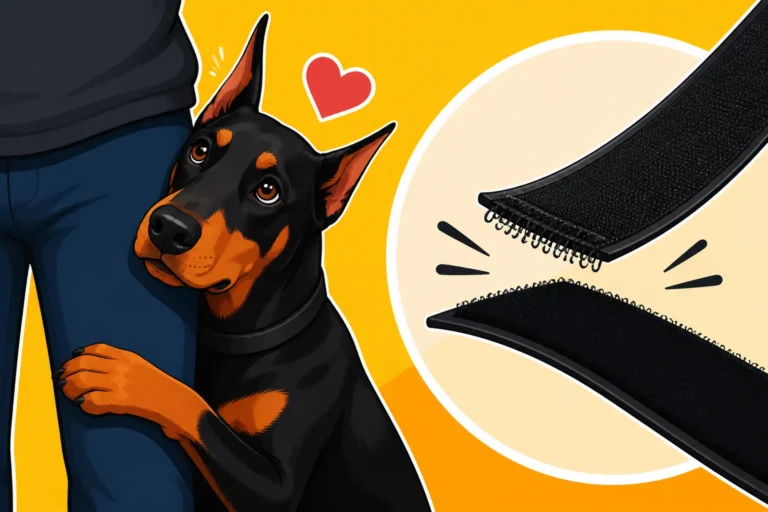
Furthermore, consider your Doberman's mental well-being. These are dogs renowned for their "Velcro" nature, often following their owners from room to room. Being left alone in an unfamiliar environment, even a stationary car, can be incredibly stressful for them. They thrive on companionship and routine, and being unexpectedly left in a confined space, exposed to strange sights and sounds, can trigger anxiety or distress. This is a breed that genuinely suffers from isolation, as explored in A Doberman That Cannot Cope When You Go Out. It's not just about physical safety; it's about minimizing their stress and maintaining their trust and emotional balance.
Legal Liabilities and Ethical Responsibilities
Beyond the practical dangers, there are significant legal and ethical dimensions to consider when contemplating leaving your Doberman in a car. What might seem like a minor oversight can quickly escalate into serious legal trouble or moral dilemmas.
Local Laws and Animal Cruelty Statutes
The laws surrounding leaving animals unattended in vehicles vary widely from state to state and even city to city. What's legal in one place might be a serious offense in another. Many jurisdictions have specific statutes that prohibit leaving an animal in a vehicle if it exposes them to conditions that could harm their health or welfare, often specifically mentioning extreme heat or cold. These laws are generally designed to protect animals from preventable suffering.
Breaking these laws can lead to severe consequences. We're not just talking about a warning here; owners can face hefty fines, misdemeanor charges, or even felony charges in cases of severe neglect or if the animal suffers harm. In some areas, law enforcement, or even animal control officers, have the authority to forcibly remove an animal from a vehicle if they deem its life to be in danger. This could mean a broken window, towing fees, impoundment fees for your Doberman, and a lengthy legal process to get them back. It's a complex and often emotional area of the law, and ignorance is rarely an excuse.
Bystander Intervention and Property Damage
The rise of public awareness campaigns about animals in hot cars has led to an increase in bystander intervention. While most people genuinely want to help, their actions can have unintended consequences. Many states now have "Good Samaritan" laws that provide legal immunity to individuals who break into a vehicle to rescue an animal they reasonably believe is in imminent danger. This means if someone breaks your car window because they think your Doberman is suffering, they might not be held liable for the damage. While this is intended to save lives, it puts you in a difficult position.
Even without a specific law, an angry bystander might still break your window out of concern or frustration. This leaves you with the bill for the broken glass. Moreover, if your Doberman, reacting to the intrusion or their protective instincts, were to bite or injure a bystander who was attempting to "rescue" them, you could be held liable for personal injury. This highlights the inherent unpredictability of leaving a highly intelligent and protective breed like a Doberman in a situation where they feel compelled to act as a guardian. Their natural temperament, as described in The Doberman Temperament as the Standard Describes It, means they are always on alert.
Safe Alternatives and Responsible Practices
So, if leaving your Doberman in the car isn't the answer, what are the safe and responsible options? Planning ahead is key, and often, it means adjusting our routines or expectations slightly to prioritize our Doberman's well-being.
When Leaving Your Doberman Home Is Best
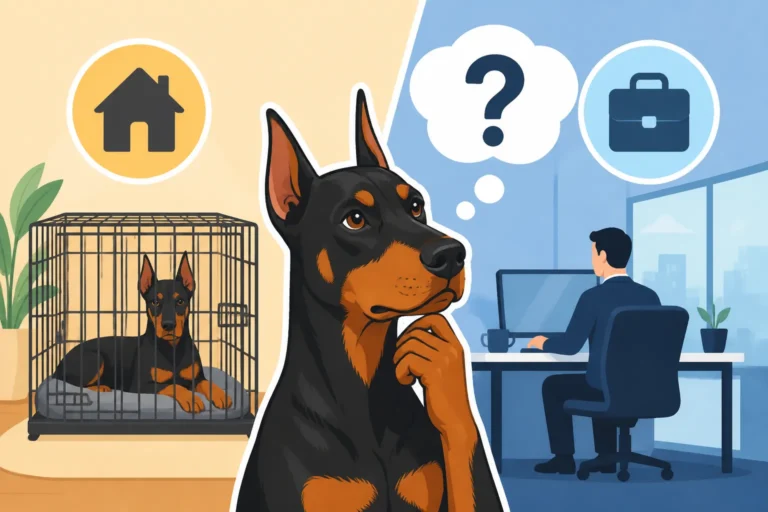
More often than not, the safest place for your Doberman when you need to run errands or attend appointments is their own home. It’s a familiar, climate-controlled environment where they feel secure. This might mean making an extra trip, but it's a small price to pay for their safety and your peace of mind.
To make leaving them at home a positive experience:
- Crate Training: A well-crated Doberman views their crate as a den, a safe space. Ensure their crate is appropriately sized for them, allowing them to stand, turn around, and lie down comfortably. You can find guidance on this in Crate Sizing for a Doberman at Full Height. Introduce the crate gradually and make it a positive place with treats and toys.
- Mental Stimulation: Before you leave, provide some mental enrichment. A puzzle toy stuffed with their favorite treats can keep them occupied for a good while. Some Dobermans might chew through anything, so choose durable toys from trusted brands like those found on Amazon.
- Exercise First: A tired Doberman is a good Doberman. A brisk walk or a play session before you head out can help them settle down for a nap while you're gone.
- Manage Separation Anxiety: If your Doberman truly struggles with being alone, as many "Velcro" Dobermans do, addressing separation anxiety is crucial. This might involve counter-conditioning, desensitization, and potentially even professional help. Resources like BAXTER & Bella can offer valuable online training programs and support to help your Doberman build confidence and cope with being alone for reasonable periods. For more insights, check out How Long a Doberman Copes Alone.
- Temperature Control: Ensure your home is at a comfortable temperature. Leaving the air conditioning or heating on, even at an energy-saving setting, is much safer than the unpredictable fluctuations of a car.
Choosing Pet-Friendly Outings
The good news is that more and more businesses are becoming genuinely pet-friendly. If you want to bring your Doberman along, seek out places where they are explicitly welcome.
- Research Ahead: A quick online search for "dog-friendly stores" or "pet-friendly patios" in your area can yield surprising results. Many coffee shops, hardware stores, and outdoor malls now welcome well-behaved, leashed dogs.
- Outdoor Activities: Parks, hiking trails, beaches (where allowed), and outdoor markets are fantastic places to bring your Doberman. They get exercise, socialization, and quality time with you.
- Restaurant Patios: Many restaurants with outdoor seating allow dogs. Always call ahead to confirm, and ensure your Doberman is comfortable and calm in such environments. They should be able to settle quietly under the table without barking or begging.
- Doggy Daycare: For longer outings or workdays, a reputable doggy daycare can be a fantastic option. Your Doberman gets supervised play, socialization, and mental stimulation, returning home tired and happy.
Short, Supervised Stops: A Rare Exception?
Is there ever a situation where it's okay to leave your Doberman in the car? The answer is a resounding "almost never." Any situation where you leave your dog truly unattended in a car carries inherent risks. However, if you absolutely must make a brief stop where your Doberman remains under your direct and constant visual supervision, there are still precautions.
This might be if you're stopping for gas, where you can watch your dog at all times, or if you're picking up a curbside order from a restaurant where your car remains within your line of sight for the entire, very brief interaction. In these highly limited circumstances:
- Ideal Weather Only: The temperature must be perfectly mild – not too hot, not too cold. Think a comfortable 65-75°F (18-24°C) with low humidity and no direct sun on the car. Even then, the internal temperature can rise or fall quickly.
- Windows Down Significantly: If you are right there, actively watching, and the air flow is sufficient, windows can be open.
- Secure Restraint: Your Doberman should be securely restrained with a proper Car Restraints for an Eighty-Pound Doberman product, such as a crash-tested harness or a sturdy crate, to prevent them from jumping out or escaping if the door is opened by a well-meaning but misguided person. Quality car restraints can be found on Amazon.
- Never Leave Them Truly Alone: This is the key. "Supervised" means you are within sight and can immediately respond to any issue – a sudden temperature change, an approaching stranger, or your Doberman showing signs of distress. If you cannot maintain continuous, direct eye contact, your Doberman should not be in the car. This is not the same as popping into a grocery store for five minutes.
Doberman-Specific Considerations for Car Safety
While many of the risks apply to all dogs, Dobermans have unique characteristics that make leaving them in a car particularly problematic. Their breed traits amplify the potential dangers, making responsible ownership even more critical.
Their Lean Build and Vulnerability to Cold
Dobermans are sleek, elegant animals with very little body fat and a single, short coat. Unlike breeds with thick double coats, they have minimal natural insulation. This means they get cold very easily. You’ll notice them shivering much quicker than other breeds, even in temperatures that feel mild to you. As mentioned earlier, Winter Coats Sized for a Doberman are often a necessity for outdoor excursions in cooler weather.
In a cold car, especially when the engine is off, that lack of insulation is a significant problem. They can't generate enough body heat to stay warm, and the interior of a car becomes like a refrigerator. The risk of hypothermia for a Doberman is higher than for a husky, for instance. Their lean muscle mass simply doesn't hold heat as well. So, while we often focus on heatstroke, remember that Dobermans are equally, if not more, susceptible to the dangers of cold, making car confinement risky year-round in many climates.
The Doberman's Protective Instinct in a Confined Space
A Doberman's guarding instinct is a hallmark of the breed, carefully described in What the Doberman Standard Describes It. They are naturally watchful and alert, bred to be protectors. When confined in a car, this instinct can be heightened. The vehicle becomes their territory, and any person or animal approaching it can be perceived as a threat.
This isn't aggression for aggression's sake; it's a deep-seated drive to protect what's theirs, and by extension, you (even if you're not physically in the car, they are still "on duty" for you). While this loyalty is admirable, in the context of a car, it can be disastrous. A Doberman barking and lunging at a passerby can lead to panic, fear, and accusations, even if the dog has never harmed anyone. The confined space prevents them from retreating or diffusing the situation, forcing them to confront what they perceive as danger head-on. This behavior can inadvertently make your Doberman seem more intimidating or unstable than they truly are, fueling negative stereotypes about the breed.
Managing the "Velcro" Tendency and Anxiety
Dobermans are famously known as "Velcro dogs" for a reason. They bond intensely with their families and thrive on companionship. They want to be with you, observe you, and participate in your activities. This strong bond means that being left alone, especially in an unfamiliar or isolating environment like a car, can trigger significant separation distress or anxiety.
Even if you're only gone for a "quick minute," for a Doberman, that can feel like an eternity. They might vocalize excessively, pace, chew at the car's interior, or exhibit other signs of stress. This isn't just an inconvenience; it can be genuinely distressing for the dog. For a breed that already battles unfair stereotypes, a Doberman frantically barking or chewing in a car only adds to the public's misunderstanding. Prioritizing their emotional well-being means acknowledging this strong need for companionship and avoiding situations that force them into solitary confinement. Training to build confidence alone at home, as opposed to in a vehicle, is always the safer and more humane path.
Car Conditions: Safe vs. Unsafe for Your Doberman
Here's a quick overview of general conditions to consider, but remember: when in doubt, do not leave your Doberman in the car.
| Condition Feature | General Recommendation | Why It Matters for Your Doberman |
|---|---|---|
| Outside Temperature | Above 75°F (24°C) | Dangerously fast heat build-up, leads to heatstroke. |
| Outside Temperature | Below 40°F (4°C) | Risk of hypothermia due to thin coat and low body fat. |
| Direct Sunlight | Any temperature | Magnifies heat, even on cooler days. |
| Shade | Only for very brief, supervised stops in mild weather. | Shade helps, but car interior still changes rapidly. |
| Windows Cracked | Not sufficient on hot days; minimal on cold days. | Airflow is inadequate to prevent rapid temperature change. |
| Windows Open Fully | Only if actively supervised AND temperate conditions. | Reduces immediate danger, but still a theft/escape risk. |
| Time Alone | Never truly alone for any duration. | Risks of temperature, theft, distress, legal issues increase with time. |
| Restraint | Always use secure, crash-tested restraint. | Prevents escape, injury, or interference. |
| Water Bowl | Provide if briefly supervised in mild conditions. | Essential for hydration, but won't prevent heatstroke. |
| Doberman's Temperament | Calm, not prone to anxiety. | Stressed Dobermans may worsen situation (barking, chewing). |
Disclaimer
This article is for general informational purposes only and does not constitute professional advice. Laws, prices and regulations vary by location and change over time. Consult a qualified professional for guidance on your specific situation.