A Ten-Month Doberman That Forgets Its Training
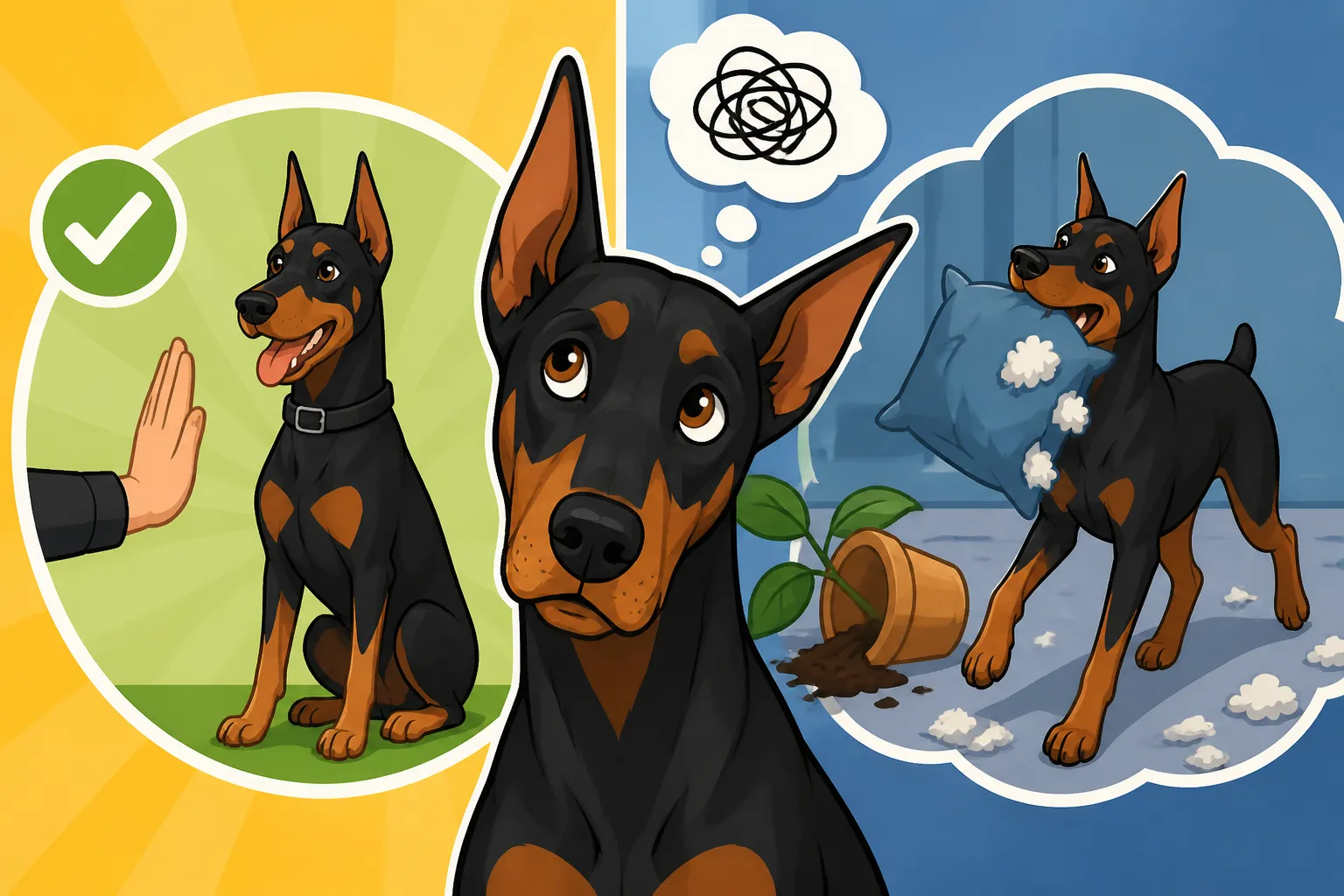
It can be incredibly disheartening when your Doberman, who seemed to have mastered all their commands just a few months ago, suddenly acts like they've never heard the word "sit" in their life. This common phase, often hitting around ten months of age, isn't a sign of failure on your part or a permanent regression; it's a completely normal, albeit frustrating, stage of Doberman adolescence that this guide will help you navigate.
Understanding Doberman Adolescence: Why They Seem to "Forget" Everything
Just like human teenagers, Doberman adolescents go through a period of significant change, both physically and mentally. What looks like a sudden case of amnesia for their training is usually a combination of raging hormones, a burgeoning sense of independence, and a desire to test every single boundary you've ever set. It's not about being malicious; it's about figuring out their place in the world and whether those rules you made still apply.
The Teenage Brain: Hormones and Independence
Around six to eighteen months, Dobermans enter adolescence. For a ten-month-old, this is prime time for hormonal shifts to be in full swing. Males might start feeling the pull to mark territory more assertively or respond differently to other intact males. Females, if not spayed, will experience their first heat cycle, bringing a whole new set of distractions and instinctive behaviors. These biological changes can dramatically impact their focus and willingness to cooperate.
Beyond hormones, your Doberman is developing a stronger sense of self. They're no longer just your cute, eager-to-please puppy. They're growing into a powerful, intelligent adult, and with that comes a natural drive for more independence. This often manifests as selective hearing when you call them at the dog park, or a sudden urge to pull on the leash despite having walked beautifully for months. Their brain is literally reorganizing, shifting from puppy-focused learning to adult-level processing, and sometimes, the old pathways need a little refreshing. It's a critical period where their temperament can truly solidify, and your consistent, calm guidance is more important than ever.
Testing Boundaries: What It Looks Like
When your ten-month-old Doberman starts acting like they've forgotten everything, it's typically them testing boundaries. They want to know: "Can I really not jump on guests if I just really want to greet them?" or "Does 'stay' actually mean stay when there's a squirrel running by?" This can look like:
- Selective Deafness: You call their name, they glance at you, and then continue sniffing that interesting patch of grass. Recall often takes the biggest hit during this phase.
- Leash Pulling: They've been a dream on the leash, but now every walk is an arm workout. Their desire to explore the world is outweighing their desire to walk politely by your side.
- Jumping: Guests are suddenly fair game for enthusiastic, full-body greetings, even if they used to keep all four paws on the floor.
- Counter Surfing: That counter that was once off-limits is now a fascinating new height to explore for hidden snacks.
- Increased Reactivity: They might suddenly be more vocal or intensely interested in other dogs or strangers, where before they were neutral. If you notice signs of tension or discomfort around other dogs, you might want to read up on Doberman Dog Reactivity on Leash.
These aren't necessarily signs of a "bad" dog, but rather a normal adolescent experimenting with their world and pushing the limits. Your job is to gently but firmly remind them where those limits are and why consistency is key.
Re-establishing the Foundation: Going Back to Basics
The best way to tackle this adolescent "amnesia" is to go back to basics, but with a renewed understanding of your Doberman's current developmental stage. Think of it as reviewing the fundamentals with a more advanced student who just needs a refresher and some new motivation.
Short, Frequent Sessions: Reinforcing Known Cues
Forget hour-long training sessions; your adolescent Doberman's attention span has probably shrunk. Instead, opt for multiple, short, five-minute training bursts throughout the day. These brief sessions are more engaging and prevent them from getting bored or frustrated. Focus on cues they used to know perfectly.
For example, practice "sit" or "down" in various locations – in the living room, in the yard, near the front door, and eventually, in slightly more distracting environments. This concept is called "proofing," and it's essential for a Doberman to generalize their training. Use high-value treats and enthusiastic praise for every correct response, even if it feels like you're training a brand new puppy again. Consistency is key, and every successful repetition builds confidence in both you and your Doberman. If you need inspiration for new tricks or ways to engage them mentally, you might enjoy exploring Trick Training an Adult Doberman.
High-Value Rewards: What Motivates a Teenage Doberman
The kibble they worked for so diligently as a puppy might not cut it anymore. Your adolescent Doberman is now highly motivated by novelty, high-value treats, and engaging play. Think cooked chicken, cheese, hot dogs, or even squeaky toys if they're toy-motivated. The higher the distraction level, the higher the value of the reward needs to be.
Make training a game. If they come when called (eventually!), throw a party! Over-the-top praise, a handful of delicious treats, and a quick game of tug can make a huge difference. Experiment with different rewards to see what truly gets their attention and makes them excited to work with you. You'll find great options for high-value treats and enrichment toys on platforms like Amazon, or through specialized pet retailers. Understanding Rewards a Doberman Will Work For is crucial during this phase.
Environmental Management: Setting Them Up for Success
You can't expect your Doberman to suddenly have perfect impulse control when they're still learning. Environmental management is your secret weapon. This means making it impossible or very difficult for them to practice unwanted behaviors.
- Leash Management: Use a longer leash or a biothane long line on walks if recall is unreliable, allowing them freedom to sniff while keeping them safe. Consider a front-clip harness for better control if pulling is a major issue, available on sites like Amazon.
- Crate Training: If they're counter surfing or chewing inappropriate items, revisit their crate. Ensure it's a positive, comfortable space. Choosing a Crate for a Doberman is important to get the right size and type.
- Preventing Jumping: Keep them on a leash when guests arrive, or use a baby gate to create a temporary barrier. Reward them for keeping four paws on the floor.
- Securing Food: Don't leave food on counters or accessible tables. Every time they successfully steal food, they're self-rewarding the unwanted behavior.
- Mental Enrichment: A tired Doberman is a good Doberman! Provide plenty of mental stimulation with puzzle toys, sniff walks, and short training sessions. Check out Puzzle Work That Actually Tires a Doberman for ideas. A mentally engaged Doberman is less likely to "act out" from boredom.
By managing their environment, you reduce the opportunities for them to make "mistakes," allowing you to proactively reward the good choices they do make.
Consistent Rules: The Entire Household on Board
One of the biggest pitfalls during Doberman adolescence is a lack of consistency. If one family member allows jumping and another corrects it, your Doberman will get mixed signals and continue to test. This phase absolutely requires everyone in the household to be on the same page.
Communication is Key: The Family Meeting
Gather everyone who interacts with your Doberman – family members, regular visitors, even your dog walker. Discuss the specific behaviors you're working on and agree on the exact cues, rewards, and consequences. For example, if "off" means four paws on the floor, everyone needs to use "off" consistently. If jumping is unacceptable, no one should tolerate it, even for a moment.
This might sound like overkill, but Dobermans thrive on clear expectations. They are incredibly intelligent and observant, and they'll quickly pick up on any inconsistencies. If your Doberman discovers that Aunt Susan always lets them get away with begging at the table, while you never do, they'll learn to push that boundary exclusively with Aunt Susan. Make a simple chart if necessary, outlining the rules for common scenarios like greetings, meal times, and walks.
Avoiding Common Mistakes That Set You Back
During this challenging time, it's easy to fall into traps that can actually worsen the situation:
- Yelling or Harsh Corrections: Dobermans are sensitive. Yelling or using punishment-based methods can damage your bond, create fear, and make your Doberman shut down or become reactive. You'll find more on this in Why Yelling Shuts a Doberman Down and Rebuilding Trust With a Harshly Handled Doberman.
- Giving Up: This phase will pass. It's tempting to get frustrated and stop training, but that's exactly when behaviors can spiral. Keep up the short, positive sessions.
- Expecting Too Much: Remember, they're still growing up. Don't compare them to a perfectly trained adult Doberman. Celebrate small wins.
- Inconsistent Follow-Through: If you give a command, follow through. If you ask for a "sit" and they ignore you, don't just repeat it or let it go. Gently guide them into the position and reward them, then release.
When to Seek Professional Guidance
While adolescent "forgetfulness" is normal, there are times when it's wise to bring in a professional. Sometimes, what seems like typical teenage rebellion can escalate into genuine behavioral issues that are best addressed with expert help.
Recognizing When It's More Than Adolescence
How do you know if your Doberman's adolescent antics are just a phase or something more concerning? Look for these red flags:
- Escalating Aggression: If your Doberman is growling, snapping, or attempting to bite people or other dogs, and this is new or increasing, seek help immediately. This is beyond typical boundary-testing.
- Severe Anxiety or Fear: If your Doberman suddenly develops extreme fears, becomes highly anxious when left alone (see A Doberman That Cannot Cope When You Go Out), or exhibits destructive behavior driven by panic, professional intervention is needed.
- Unmanageable Reactivity: While some leash reactivity is common, if your Doberman is lunging, barking excessively, or causing you to feel unsafe on walks, a trainer specializing in reactivity can provide strategies.
- Complete Shutdown: If your Doberman completely stops engaging with you, seems depressed, or shows a marked decline in appetite or activity, it could indicate pain, illness, or severe stress, warranting a vet visit and potentially a behaviorist.
Don't wait for problems to become deeply ingrained. Early intervention is always best.
Finding the Right Trainer for a Doberman
If you decide to seek help, choosing the right professional is critical, especially with an intelligent and often strong-willed breed like a Doberman. Look for trainers who:
- Use Positive Reinforcement: They should focus on rewarding desired behaviors rather than punishing unwanted ones. Avoid trainers who rely heavily on coercive methods, e-collars, or prong collars, as these can be detrimental to a Doberman's sensitive nature. For more on this, consider reading Whether an E-Collar Belongs on a Doberman.
- Have Experience with Dobermans or Similar Breeds: Dobermans are not Golden Retrievers. Their intelligence, protective instincts, and physical prowess require a trainer who understands the breed's specific traits. Ask about their experience. You'll find more advice in Finding a Trainer Who Has Worked With Dobermans.
- Offer Group Classes and Private Sessions: Group classes can be excellent for socialization and working through distractions, while private sessions allow for tailored advice on specific issues in your home environment.
- Are Certified and Reputable: Look for certifications from recognized professional organizations. Ask for references and observe a class or session if possible. Online resources like BAXTER & Bella often connect you with certified trainers or provide comprehensive digital programs that can support your journey.
- Communicate Clearly: They should be able to explain their methods and goals in a way you understand and feel comfortable with.
Remember, this adolescent phase is a journey, not a sprint. With patience, understanding, and consistent positive reinforcement, your Doberman will emerge from their teenage years as a well-adjusted, well-trained adult, ready to be your steadfast companion.
| Behavior Observed at 10 Months | Typical Adolescent Cause | Recommended Owner Response |
|---|---|---|
| Selective Deafness / Poor Recall | Testing boundaries, high distractions, hormonal changes | Go back to basics, use high-value rewards, practice in low-distraction areas, use a long line for safety. |
| Leash Pulling | Increased desire to explore, lack of consistent reinforcement | Use front-clip harness, practice loose-leash walking in quiet areas, reward often, make yourself more exciting than the environment. |
| Jumping on Guests | Over-excitement, testing limits, seeking attention | Leash on arrival, ask for "sit" or "four on the floor," reward calm greeting, management (gates/crate) if necessary. |
| Counter Surfing | Exploring environment, self-rewarding if successful | Proactive management (clear counters), "leave it" game with high-value treats, consistent "off" cues. |
| Increased Reactivity | Hormonal shifts, fear period, lack of confidence | Increase distance from triggers, positive associations with triggers (treats), consult a professional if escalating. |
Disclaimer
This article is for general informational purposes only and does not constitute professional advice. Laws, prices and regulations vary by location and change over time. Consult a qualified professional for guidance on your specific situation.