American Against European Dobermans
It’s easy to feel overwhelmed and confused when you start researching Dobermans and stumble upon the terms "American Doberman" and "European Doberman." You might see photos and read descriptions that make them sound like entirely different breeds, leaving you wondering which one is the "real" Doberman or, more importantly, which type is right for your home and lifestyle. This guide is here to untangle the nuances, explaining the historical divergence, physical differences, temperament variations, and health considerations that distinguish Dobermans bred on either side of the Atlantic, helping you make an informed decision for your next canine companion.
Understanding the Origins and Divergence
The Doberman Pinscher, as we know it today, emerged from the late 19th century in Germany, a testament to Karl Friedrich Louis Dobermann's quest for the ultimate protection dog. His vision laid the foundation for a breed renowned for its intelligence, loyalty, and formidable presence. However, over the past century, as the breed spread globally, different breeding philosophies and environmental factors have led to distinct variations, most notably between what we refer to as American and European Dobermans. Understanding this shared history and subsequent divergence is key to appreciating the dogs we see today.
A Shared Foundation: Karl Dobermann's Vision
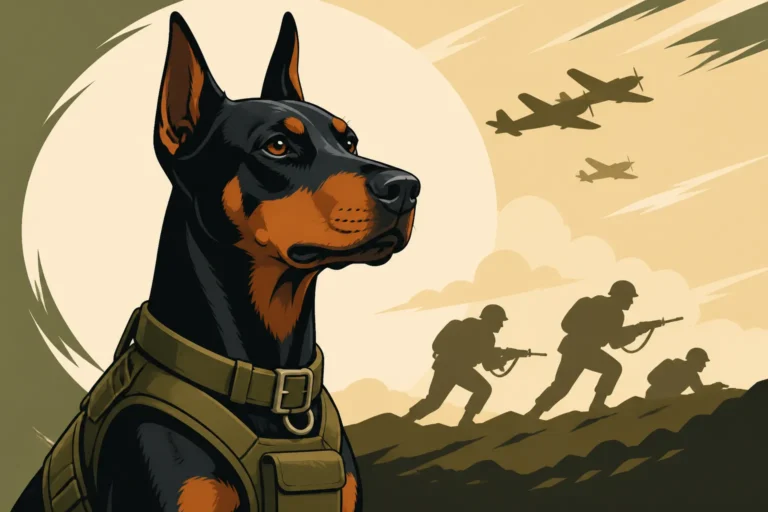
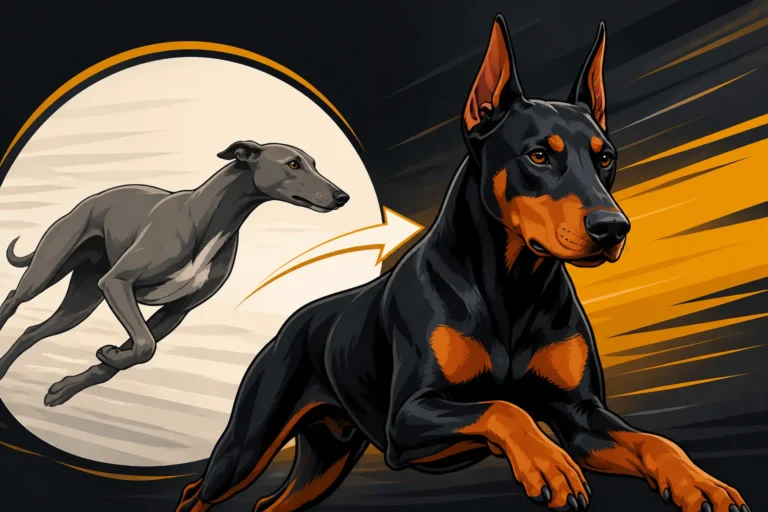
Karl Dobermann, a tax collector, night watchman, and dog catcher, lived in Apolda, Germany, in the late 1800s. He sought to create a dog that was fearless, intelligent, and fiercely protective, a loyal companion that could also serve as a deterrent against potential threats. He didn't keep meticulous records, which means the exact breeds he used are a matter of historical debate, but it's widely believed that he incorporated a mix of working dogs available at the time, including Rottweilers, German Pinschers, and possibly Greyhounds or Weimaraners for their sleek build and speed. This original Doberman was a sturdy, tenacious animal, embodying the traits Dobermann himself needed for his demanding professions. The breed quickly gained recognition for its exceptional guarding abilities and sharp intellect, establishing its reputation as a serious working dog. The initial standard reflected this robust, functional type of dog, prioritizing temperament and utility above all else.
The Atlantic Divide: When the Paths Diverged
As Dobermans began to be imported from Germany to other parts of the world, particularly North America, the breed's development started to follow different trajectories. In Europe, especially in countries like Germany, Holland, and Russia, the emphasis remained firmly on preserving the Doberman's working heritage. Breeding programs continued to prioritize stringent working titles, health testing, and conformation to a standard that valued physical soundness and temperament suitable for Schutzhund (protection work), IPO (International Prüfungsordnung), or other demanding canine sports. These dogs were expected to perform, and their structure and mental fortitude were bred with that purpose in mind. Breeders focused on maintaining the breed's drive, courage, and athletic ability.
Across the Atlantic, in the United States, while some working lines certainly existed, the breed's popularity grew significantly as a companion animal and show dog. The American Kennel Club (AKC) standard, while rooted in the original German ideals, gradually began to reflect a preference for a slightly more refined, elegant appearance and a temperament perceived as more suitable for a family pet and conformation ring contender. The focus shifted somewhat from intense working drive to a more tractable, aesthetically pleasing animal. This isn't to say American Dobermans lost their guarding instincts entirely, but the breeding selection criteria evolved differently, leading to the distinct variations we observe today. It’s important to acknowledge that both types are still very much Dobermans, but the subtle differences accumulate over generations of focused breeding.
Physical Distinctions: More Than Just Looks
When you look at Dobermans, especially side-by-side, you might notice subtle differences that become more apparent with experience. These aren't just random variations; they're often the result of different breeding objectives that have shaped the physical characteristics of American and European Dobermans over decades. It's not just about aesthetics; these physical traits often hint at underlying differences in structure, musculature, and even how they might carry themselves.
The American Doberman: Refined Elegance
The American Doberman, as typically seen in AKC conformation rings, embodies a picture of sleekness and refinement. They tend to be slightly lighter in bone and body mass compared to their European counterparts. Imagine a finely sculpted athlete – powerful, yes, but with a lean, almost airy grace. Their heads are often described as being more "chiseled" or refined, with a narrower skull and a somewhat longer muzzle. The neck is typically long and elegant, flowing smoothly into a well-laid-back shoulder. This creates a very graceful, aristocratic silhouette.
When it comes to size, American Dobermans generally fall within the mid-range of the breed standard. Males might stand around 26-28 inches at the shoulder, with females slightly smaller. Their weight, reflecting their leaner build, usually ranges from 70-85 pounds for males and 60-70 pounds for females. They possess a smooth, shiny coat that highlights their athletic musculature. The overall impression is one of agility, poise, and fluid movement, making them stunning to watch in motion. This focus on elegance has been a hallmark of American breeding programs, aiming for a dog that excels in the show ring while still retaining the breed's inherent dignity.
The European Doberman: Robust and Powerful
In stark contrast, the European Doberman, often referred to as the "working-line" Doberman, projects an image of strength, substance, and power. They are typically heavier-boned and more substantial in body, with a deeper chest and a more muscular build. Think of a heavyweight boxer – powerful, dense, and built for endurance and impact. Their heads are generally broader and more powerful, with a noticeable stop (the indentation between the eyes) and a stronger jawline. This gives them a more formidable, less refined expression. Their necks are still strong but often appear shorter and thicker, connecting to a more powerful, broader shoulder assembly.
European Dobermans often reach the upper end of the breed standard for size, and sometimes even exceed it, though reputable breeders still adhere to the standard. Males can easily stand 27-28 inches or more, often weighing in at 85-100 pounds or even a bit more, depending on the individual and lineage. Females are also typically larger and more substantial than their American counterparts. Their coat is equally sleek, but the underlying musculature and bone structure are undeniably more prominent. This robust build is directly linked to their purpose as working dogs, providing the stamina and physical presence needed for tasks like protection sports. When you see a European Doberman, you immediately sense their inherent strength and resilience. How a European Doberman Is Built Differently delves deeper into these structural differences.
Bridging the Gap: What the Standards Actually Say
It’s crucial to remember that both American and European Dobermans are judged against a breed standard, but the interpretation and emphasis can vary. The American Kennel Club (AKC) standard emphasizes a sleek, elegant appearance, with specific requirements for head shape, neck length, and overall balance that lean towards refinement. The AKC Doberman Pinscher Club of America's standard describes a dog of "medium size, squarely built, and with a proud carriage," but the interpretation in the ring has historically favored the more graceful side of this description.
On the other hand, the Fédération Cynologique Internationale (FCI) standard, which governs most European countries, also calls for an elegant and powerful dog, but its interpretation in European show rings and working trials tends to favor the more substantial, powerful build. The FCI standard places a strong emphasis on the Doberman's working ability and character, and the physical structure is expected to support that functionality. While both standards prohibit extremes, the subtle differences in what is rewarded in the show ring, and what is deemed desirable for working aptitude, have sculpted these two distinct "types." Neither is "wrong," but they represent different breeding goals within the same breed. A responsible breeder, regardless of type, will be able to show you how their dogs conform to their respective standards. The Doberman the AKC Standard Describes offers a more detailed look at the American standard.
| Feature | American Doberman | European Doberman |
|---|---|---|
| Build | More refined, elegant, lighter bone, leaner body | More robust, powerful, heavier bone, denser body |
| Head | More chiseled, narrower skull, longer muzzle | Broader, stronger jaw, more pronounced stop |
| Neck | Long, elegant, flowing | Stronger, often appears thicker/shorter |
| Chest | Deep, but often appears less broad | Deeper and broader, more substantial |
| Weight (Male) | 70-85 lbs (approx.) | 85-100+ lbs (approx.) |
| Overall Impression | Agile, graceful, aristocratic | Powerful, formidable, resilient |
| Primary Breeding Focus | Conformation, companion | Working ability, protection sport, conformation |
Temperament and Working Aptitude
Beyond their physical appearance, one of the most significant distinctions between American and European Dobermans lies in their temperament and inherent drives. This isn't to say one is "better" than the other, but rather that their breeding priorities have cultivated different innate tendencies, which in turn dictate their suitability for various homes and activities. Understanding these differences is paramount to avoiding potential mismatches and ensuring a happy, well-adjusted Doberman in your life.
The American Doberman: Companion First
The American Doberman has, over generations, been selectively bred with a strong emphasis on being a fantastic family companion. While they absolutely retain the intelligence, loyalty, and protective instincts characteristic of the breed, these traits are often expressed in a way that makes them highly adaptable to domestic life. They are generally known for their "velcro dog" nature, desiring to be constantly by their owner's side, often leaning into you or following you from room to room. This strong bond makes them incredibly devoted and sensitive to their family's emotions. Where the Velcro Doberman Nickname Comes From describes this clinginess well.
Their drive for protection is typically less intense and more reactive, meaning they are likely to alert you to strangers or unusual activity but may not possess the same level of assertive guarding as their European cousins without specific, consistent training. They are often more tolerant of strangers and novel situations once properly socialized, making them excellent candidates for therapy work, obedience, and agility, where their intelligence and eagerness to please shine. However, their sensitivity means they thrive on positive reinforcement and can shut down or become anxious with harsh corrections. They generally require a consistent yet gentle hand, valuing clear communication and a strong partnership with their human. This makes them wonderful companions for active families who want a devoted, intelligent dog without the intense working demands.
The European Doberman: Driven and Demanding
European Dobermans, particularly those from established working lines, are bred with a focus on high drive, courage, and a strong work ethic. Their lineage often includes generations of dogs proven in demanding protection sports like Schutzhund or IGP (International Gebrauchshund Prüfung), which test obedience, tracking, and protection capabilities. This means they typically possess a much higher prey drive, defense drive, and a more assertive temperament. They are inherently more "hard-wired" for protection and often require less encouragement to engage in guarding behaviors.
While equally loyal and intelligent, their intensity means they demand a consistent "job" or outlet for their significant mental and physical energy. They thrive when they have tasks to perform, whether that's advanced obedience, tracking, bite work, or other high-level dog sports. Without adequate mental stimulation and structured physical activity, a European Doberman can become bored, destructive, or even neurotic. They are often less immediately trusting of strangers and possess a more discerning nature, assessing situations and people with a keen eye. Training a European Doberman often requires an experienced handler who understands how to channel their drives effectively, providing firm, fair, and consistent leadership. They are not typically a dog for a first-time owner or someone looking for a purely laid-back companion. What Working Titles Mean on a Doberman Pedigree shows why these dogs are often different from American lines.
Finding the Balance: Temperament in the Pet Home
It's important to clarify that these are generalizations, and individual personalities within both American and European lines can vary widely. You can find an American Doberman with a strong working drive and a European Doberman who is more mellow. However, choosing a puppy based on these general tendencies can significantly increase your chances of finding a dog that fits your lifestyle.
For a family looking for a loving, active companion to join them on hikes, participate in basic obedience, and be a devoted shadow around the house, an American Doberman might be a more natural fit. They generally integrate into family life with less intense management of their drives. They still need plenty of exercise and mental engagement – make no mistake, no Doberman is a couch potato – but their internal motor often runs at a slightly lower RPM than their European counterparts.
For individuals or families with extensive experience in dog training, particularly in working sports, and who are prepared to dedicate significant time and effort to consistent, structured training and daily physical and mental exercise, a European Doberman could be an incredibly rewarding partner. These dogs excel when challenged and given a purpose. They are powerful, intelligent, and fiercely loyal, but that power and drive need careful stewardship. It's a commitment, but one that yields an extraordinary bond and a truly capable canine. The Owner a Doberman Actually Needs provides more context on this commitment.
Health Concerns and Longevity
Regardless of their geographical origin, Dobermans are a breed unfortunately predisposed to several significant health issues, which is a constant source of concern and heartache for owners. Both American and European lines face these challenges, but there can be subtle differences in prevalence, and more noticeably, in the approach to health testing and breeding strategies between the continents. Understanding these shared burdens and differing approaches is crucial for any prospective Doberman owner.
Shared Genetic Challenges Across the Breed
At the top of the list for Doberman health concerns is Dilated Cardiomyopathy (DCM), a devastating heart disease that affects a significant percentage of the breed, often leading to sudden death or heart failure. This disease doesn't discriminate much by origin; both American and European Dobermans are highly susceptible. There are known genetic markers (DCM1 and DCM2) that contribute to the risk, and extensive research continues in both regions to understand and combat this condition. However, a clear genetic test doesn't guarantee a clear heart, as some Dobermans develop DCM without carrying the known markers. The Heart Disease That Reaches Most Dobermans is an essential read for any Doberman owner.
Beyond DCM, Dobermans of all lineages are prone to a host of other conditions. Wobbler Syndrome (cervical vertebral instability), a neurological condition affecting the neck, can cause an uncoordinated gait and significant pain. Von Willebrand's Disease (vWD), a bleeding disorder, is also prevalent. Hypothyroidism, cancer (particularly osteosarcoma and lymphoma), and various eye conditions are also commonly seen. These are not exclusive to one type; they are deeply embedded in the breed's genetic makeup, highlighting the importance of responsible breeding practices and comprehensive health screening across the board. The Bleeding Disorder Almost Every Doberman Line Carries elaborates on vWD.
Different Breeding Philosophies and Health Testing
While both American and European Doberman breeders acknowledge these health issues, the rigor and type of health testing, and the overall breeding philosophies, can differ. In Europe, especially in countries with strong breed clubs and strict regulations, breeders are often required to perform extensive health testing before a dog can be bred. This often includes regular echocardiograms and Holter monitoring for DCM, hip and elbow dysplasia evaluations, Von Willebrand's testing, and often thyroid panels. Furthermore, working titles are frequently a prerequisite for breeding, ensuring that dogs not only meet physical standards but also possess sound temperaments and working aptitude, which is often seen as an indicator of overall genetic health and stability. The results of these tests are often publicly accessible, providing greater transparency.
In the United States, while many responsible breeders perform similar health tests, there isn't always the same overarching regulatory or club-mandated system for all breeding dogs. It largely falls to individual breeders to choose the extent of their health screening. This means there can be a wider spectrum of breeding practices, from highly conscientious breeders who mirror or exceed European standards, to those who do minimal testing or may not understand the full scope of genetic predispositions. Therefore, due diligence on the part of the buyer is even more critical when looking for an American Doberman. The Health Testing a Doberman Breeder Must Show provides a checklist for prospective buyers.
Navigating Health Testing for Your Doberman
For any prospective Doberman owner, regardless of whether you're leaning towards an American or European line, understanding and verifying health testing is non-negotiable. Don't take a breeder's word for it; ask for proof. This means seeing actual documentation, not just being told "the parents are healthy."
Here’s what to look for:
- Cardiac Screening: Annual echocardiograms and 24-hour Holter monitoring for DCM, starting from around two years of age. Reputable breeders should be able to provide results for both parents going back several years. Annual Echo and Holter Screening for a Doberman is crucial here.
- Genetic Testing: DNA tests for DCM1 and DCM2 are available, as well as for Von Willebrand's Disease (vWD). While a clear vWD status is quite definitive, the DCM genetic tests are risk factors, not guarantees, and a clear test does not mean the dog will never get DCM. Still, it's an important piece of the puzzle.
- Thyroid Panel: Checks for hypothyroidism.
- Hip and Elbow X-rays: While not as prevalent as in some other large breeds, Dobermans can suffer from dysplasia.
- Wobbler Screening: Often involves cervical spine X-rays or MRI, especially if there's any history in the line.
The annual cost of regular health screening for a Doberman, particularly the cardiac tests, can be significant. It's a recurring expense that every Doberman owner should budget for. The Yearly Heart Bill for a Doberman outlines these costs. When working with a breeder, discuss their transparency regarding health issues in their lines. A breeder who is open about past health challenges and actively works to mitigate them through testing and careful selection is often more trustworthy than one who claims perfect health history. Products from Chewy, like specialized diets for heart health or joint supplements, can become a part of managing a Doberman's long-term health, but they don't replace thorough veterinary care and screening.
Suitability for Different Lifestyles
Choosing between an American and European Doberman isn't just about looks or even health; it's fundamentally about finding a dog whose innate drives, energy levels, and temperament align with your lifestyle, experience, and expectations. Mismatches in this area are a primary reason dogs end up in rescues or lead unhappy lives. So, let’s talk about who thrives with which type of Doberman.
Is an American Doberman Right for You?
If you’re seeking a highly intelligent, intensely loyal, and affectionate companion who will be a devoted member of your family, the American Doberman might be an excellent fit. They thrive in homes where they receive ample attention, consistent training using positive reinforcement, and daily exercise. Their athleticism makes them great partners for jogging, hiking, or playing fetch in the yard. They are often keen to learn obedience and can excel in dog sports like agility, rally, or competitive obedience, where their eagerness to please and quick minds are put to good use.
However, don't mistake their "companion first" nature for low energy. American Dobermans still require significant mental and physical stimulation. They are not content to be left alone for long hours without interaction. They flourish with clear boundaries, early socialization, and ongoing training. They're typically more sensitive to their environment and human emotions, making them less suitable for homes with a chaotic atmosphere or where harsh training methods are employed. They need an owner who is patient, consistent, and committed to building a strong, trust-based relationship. If you're looking for a dog that will enthusiastically participate in family activities, demand cuddles on the couch, and still possess a natural protective instinct without being overly aggressive, an American Doberman could be your perfect match. Living With a Doberman That Follows You Everywhere sums up their companion nature.
The Commitment of a European Doberman
Bringing a European Doberman into your home is a different level of commitment entirely. These dogs are often best suited for experienced dog owners who have a deep understanding of working breeds and are prepared to provide a structured environment that caters to their intense drives. They need a "job" – this isn't just a suggestion; it's a necessity for their mental well-being. Participation in protection sports (like IGP/Schutzhund), advanced obedience, tracking, or other challenging canine activities is often essential to channel their energy and intelligence productively. An under-stimulated European Doberman can quickly become bored, destructive, anxious, or develop unwanted behaviors.
Their assertive nature and strong guarding instincts require an owner who can provide confident, consistent leadership from day one. Early and extensive socialization is paramount to ensure they are discerning guardians rather than fearful or aggressive. They need an owner who is not afraid to set boundaries and follow through with training, understanding that their drive and power need to be carefully molded. These dogs thrive on routine, structure, and challenges. If you are passionate about dog sports, have the time and resources for dedicated training, and seek a powerful, focused partner with an undeniable presence, a European Doberman could be an incredibly fulfilling choice. They are not for the faint of heart or the casual dog owner, but in the right hands, they are magnificent animals. The Working Sports a Doberman Was Built For is a good resource for understanding these activities.
Matching the Dog to the Owner
Ultimately, the most critical factor is matching the dog to your reality. Be brutally honest with yourself about your experience, lifestyle, available time, and financial resources.
- Time Commitment: All Dobermans are high-commitment dogs, but European lines often demand even more structured time for training and activity. Can you realistically dedicate several hours every single day to exercise, training, and mental stimulation?
- Training Experience: Do you have experience with powerful, intelligent working breeds? Are you comfortable with firm, fair, and consistent leadership, and do you understand how to channel high drives?
- Lifestyle: Are you an active, outdoorsy person who enjoys structured activities? Or are you looking for a companion for more casual walks and couch time?
- Family Dynamics: Do you have young children or other pets? While Dobermans can coexist, a high-drive European Doberman might require more careful management around very young children or smaller, more fragile pets. Whether a Doberman Is Safe Around Children is worth considering.
- Financial Resources: Dobermans, especially those from working lines, can come with higher initial costs and ongoing expenses for specialized training, working gear, and health screening. Regular training classes, whether for advanced obedience or protection sports, can add up. Products from Chewy for training aids or durable toys can help, but structured professional guidance is key.
A Doberman is a significant investment of time, energy, and resources. Taking the time to understand the nuances between American and European lines, and then carefully assessing your own readiness, is the best way to ensure a successful and joyful partnership.
Acquiring Your Doberman: What to Look For
Once you’ve done your research and decided which type of Doberman might be the best fit for your life, the next crucial step is finding a reputable source for your future companion. This isn’t a decision to rush, as the choices you make here will profoundly impact your Doberman's health, temperament, and overall well-being. Whether you’re looking domestically or considering an import, careful vetting is essential.
Finding a Reputable American Breeder
For an American Doberman, your search should focus on breeders who are members of national or regional Doberman Pinscher clubs, like the Doberman Pinscher Club of America. These breeders are typically dedicated to the breed's improvement and adhere to ethical breeding practices. Here’s what to look for and questions to ask:
- Health Testing Transparency: Demand proof of comprehensive health testing for both parents, including recent (within 12-18 months) echocardiograms and Holter monitoring for DCM, Von Willebrand’s DNA testing, thyroid panels, and potentially hip/elbow certifications. A good breeder will be transparent about the health history of their lines, including any issues that have arisen. Reading a Doberman Breeder's Heart Paperwork is a must-read for this.
- Temperament Focus: Ask about the temperament of the parents and their other offspring. The breeder should be able to articulate their breeding goals, which should include sound, stable temperaments suitable for companion homes. They should conduct temperament evaluations on their puppies to match them appropriately with families.
- Socialization Practices: Inquire about how the puppies are raised and socialized from birth. Pups should be raised in a clean, stimulating home environment, exposed to various sights, sounds, and gentle human interaction.
- Support and Contract: A reputable breeder will offer lifelong support, be available to answer questions, and often require a comprehensive contract that outlines health guarantees, spay/neuter clauses (if not breeding), and a commitment to take the dog back if circumstances change.
- Meeting the Parents: Whenever possible, meet at least the mother of the puppies. Her demeanor is a strong indicator of the puppies' potential temperament. Observe her living conditions, her interaction with people, and her overall health.
- Questioning You: A good breeder will interview you thoroughly. They want to ensure their puppies go to suitable, loving, and prepared homes. Be prepared to answer questions about your lifestyle, experience, home environment, and commitment to training.
Avoid breeders who offer multiple breeds, don't conduct health testing, won't let you visit their facility, or push for immediate sales. The cheapest puppy is rarely the best investment in the long run, as it often comes with a higher price tag in vet bills and behavioral issues. What Breeders Ask for a Doberman Puppy can give you an idea of the questions you'll face.
Importing a European Doberman: The Complexities
If you’ve decided a European Doberman is the right choice, be prepared for a more complex and potentially more expensive process. Importing requires significant due diligence and understanding of international regulations.
- Finding a Reputable European Breeder: This often involves researching reputable kennels known for producing top working-line Dobermans in countries like Germany, Holland, Serbia, or Russia. Look for breeders whose dogs have achieved recognized working titles (e.g., IGP, IPO, ZTP) and whose health testing protocols meet or exceed the rigorous standards you've identified. Many European breeders are part of national breed clubs with strict breeding regulations. Buying a Doberman From a European Kennel provides more insight.
- Language and Communication: Be prepared for potential language barriers and time zone differences. Clear, consistent communication is vital.
- Health Testing Verification (Again): Demand the same, if not more, stringent health documentation. European countries often have excellent public databases for health results (e.g., for hips, elbows, and cardiac screening). Verify everything independently if possible.
- Shipping and Import Logistics: This is where it gets complicated. You'll need to research international shipping regulations for live animals, quarantine requirements (if any), customs paperwork, and the cost of transport. Flying a Doberman puppy internationally is a significant undertaking. Shipping and Import Fees on a European Doberman gives you an idea of the costs involved.
- Veterinary Oversight: Ensure the puppy has all necessary vaccinations, deworming, and health certificates required for international travel and entry into your country.
- Cost: European Dobermans typically command higher prices, and when you add import fees, shipping, and potential agent fees, the total cost can be significantly higher than a domestically acquired Doberman. Importing a European Doberman and What It Adds covers the financial aspect.
The benefit of importing from truly dedicated working lines is often the assurance of generations of stringent selection for health, temperament, and working ability. However, the process requires patience, persistence, and a willingness to navigate international bureaucracy.
The Role of Doberman Rescues
Regardless of whether you are seeking an American or European-type Doberman, breed-specific rescues are an invaluable resource, especially if you're open to an adult dog. Many Dobermans end up in rescue through no fault of their own, often due to owners underestimating the commitment required, lifestyle changes, or simply not understanding the breed's needs.
- Vetting and Temperament Assessment: Reputable Doberman rescues thoroughly vet their dogs, performing health checks, spaying/neutering, and conducting in-depth temperament assessments. They often have dogs in foster homes, which provides crucial insight into their true personalities, habits, and what kind of home they would thrive in.
- Known History: For many adult rescues, you get the benefit of knowing their history, including any existing health conditions or behavioral quirks. This can eliminate some of the unknowns that come with a puppy. Adopting a Doberman With a Known Heart Condition talks about the realities of rescuing.
- Reduced Initial Cost: While rescue fees are charged, they are typically much lower than buying from a breeder and often cover initial vet care.
- Saving a Life: The most rewarding aspect is providing a second chance to a deserving Doberman.
Whether you choose a puppy from a breeder or an adult from a rescue, the key is thorough research, patience, and a commitment to providing a loving, responsible home for a lifetime. Every Doberman, regardless of its origin, deserves nothing less. Why Doberman Rescues Ask About Heart History explains their rigorous intake process.
Disclaimer
This article is for general informational purposes only and does not constitute professional advice. Laws, prices and regulations vary by location and change over time. Consult a qualified professional for guidance on your specific situation.