When the American Doberman Club Was Founded
When you welcome a Doberman into your home, you're not just getting a loyal companion; you're becoming part of a rich, complex history. Many Doberman owners might not realize the extensive efforts that went into establishing and protecting the breed in the United States. This guide will delve into the fascinating story of when the American Doberman Club was founded and how it shaped the Doberman we know and love today.
The Doberman's Journey to American Shores
Before any formal club could be established, the Doberman Pinscher had to make its way across the Atlantic and gain a foothold in American society. This wasn't an overnight sensation, but rather a gradual introduction that laid the groundwork for the breed's future. Early Dobermans arriving in the United States were often imported by wealthy individuals or those with a keen interest in working dogs, bringing with them a reputation as formidable protectors.
Initial Introductions and Public Perception
The very first Dobermans to arrive in America came over in the late 19th and early 20th centuries. These dogs were often seen as exotic and powerful, quickly capturing the attention of a public fascinated by unique and strong breeds. However, their formidable appearance and natural guarding instincts also sometimes led to misunderstandings, painting them as inherently aggressive rather than intelligent and trainable. This mixed public perception highlighted an early need for advocates who could properly educate the public on the breed's true temperament and purpose. Without a unified voice, the Doberman risked being misunderstood and unfairly judged.
These early Dobermans often came from diverse European lines, and without a centralized American registry or club, there was little consistency in breeding practices or even in the understanding of what a "Doberman" truly embodied. Owners often relied on individual breeders' knowledge, which could vary widely. This informal period was crucial for the breed's initial establishment but also presented challenges in maintaining purity and quality according to a consistent standard. The lack of standardized information meant that even basic care practices, like Feeding an Eighty-Pound Doberman Well, were often left to individual interpretation rather than collective wisdom.
The Growing Need for Breed Organization
As more Dobermans arrived and their popularity slowly grew, it became clear that a more organized approach was necessary. Enthusiasts recognized that for the breed to thrive and maintain its integrity in America, there needed to be a dedicated body to oversee breeding, standardize the appearance and temperament, and educate the public. The fragmented nature of early ownership meant that critical information about health and responsible ownership was not easily shared or disseminated. Imagine trying to track the lineage or health predispositions of dogs across states without a central database or club!
This organizational void was felt keenly by those passionate about the Doberman. They saw the potential for the breed to become a highly respected working and companion dog, but understood that this potential could only be fully realized through collective action. Without a club, individual breeders were essentially operating in silos, making it difficult to improve the breed as a whole or address emerging health concerns. The idea of The Health Testing a Doberman Breeder Must Show would have been a distant dream without such an organization.
Early Enthusiasts and Their Vision
The drive to form an American Doberman club came from these dedicated early enthusiasts. They were individuals who had fallen in love with the Doberman's intelligence, athleticism, and noble presence, and they envisioned a future where the breed was well-understood, responsibly bred, and cherished by owners across the nation. Their vision was not just about showing dogs, but about preserving the very essence of what made the Doberman unique. They understood that the future of the breed depended on establishing clear guidelines and promoting ethical practices.
These pioneers spent countless hours discussing breed standards, potential health issues, and how to best promote the Doberman in a way that highlighted its positive attributes. They learned from European clubs, which had already established strong foundations for the breed in its homeland, like the work of Otto Goeller and the First Doberman Club. Their efforts were driven by a genuine passion to ensure the Doberman's legacy in the United States was one of excellence and responsible stewardship, not just fleeting popularity.
The Founding of The Doberman Pinscher Club of America
The efforts of these early Doberman enthusiasts culminated in a truly significant moment: the official founding of The Doberman Pinscher Club of America (DPCA). This event marked a turning point, providing the breed with a formal structure and a dedicated voice that would guide its development for decades to come. It was a testament to the perseverance and foresight of a small group of individuals who saw the bigger picture.
The Pivotal Year and Key Figures
The year was 1921, and it was in New York City that the Doberman Pinscher Club of America was officially founded. This wasn't just a casual gathering; it was a formal establishment aimed at bringing order and direction to the burgeoning Doberman population in the United States. Key figures, whose names might not be widely recognized today but whose contributions were immense, worked tirelessly to make this happen. These individuals were often influential breeders, owners, and judges who understood the importance of a unified club for breed preservation and advancement.
They envisioned a club that would not only represent the Doberman but also serve as a resource for owners and breeders alike. Their goal was to move beyond individual efforts and create a collective body that could establish and enforce standards, promote ethical breeding, and educate the public. This collective approach was vital, especially considering the diverse backgrounds and often contradictory practices that had characterized the breed's early years in America.
Establishing the First Breed Standard in the US
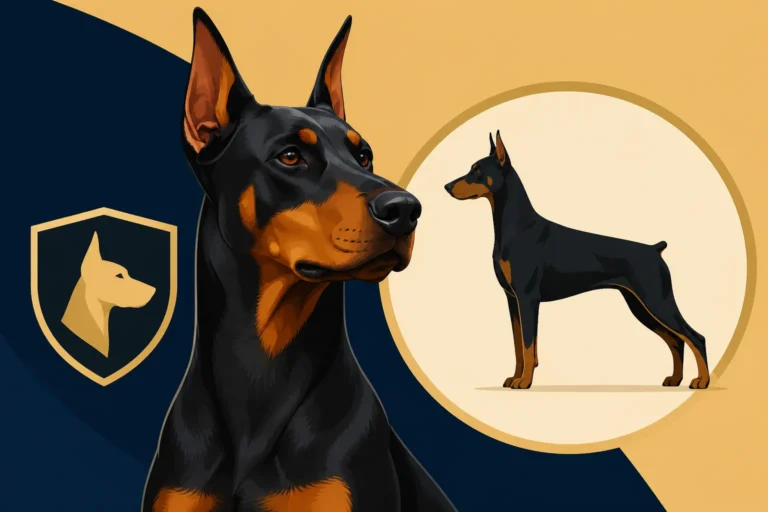
One of the immediate and most crucial tasks of the newly formed DPCA was to establish and champion an official breed standard for the Doberman Pinscher in the United States. While the German Doberman Club already had a standard, adapting it for the American context and ensuring its adoption by the American Kennel Club (AKC) was paramount. This standard would define the ideal Doberman, outlining everything from physical characteristics like size, coat color, and conformation, to essential temperament traits. It provided a blueprint for breeders to strive for and a benchmark for judges in the show ring.
This meant painstaking work, comparing notes, debating interpretations, and carefully crafting language that would accurately reflect the breed's desired attributes. Imagine the discussions around things like The Doberman the AKC Standard Describes or the subtle nuances of Doberman Head, Eye and Expression in the Standard. This standard wasn't just about aesthetics; it was intrinsically linked to the Doberman's function as a capable working dog. It was about ensuring that future generations of Dobermans would consistently embody the intelligence, courage, and elegance for which the breed was renowned.
Early Goals and Membership Drives
The DPCA's initial goals were ambitious but clear: to register and track Dobermans, to promote responsible breeding practices, and to educate the public about the breed. They embarked on membership drives, seeking to unite Doberman owners and enthusiasts under a common banner. Joining the club wasn't just about bragging rights; it was about contributing to the breed's welfare and actively participating in its future. Members received access to invaluable information, connected with experienced breeders, and played a role in shaping club policies.
They also focused on fostering a sense of community among Doberman owners, organizing dog shows, obedience trials, and educational seminars. These events allowed owners to showcase their dogs, learn from experts, and share their passion. The club recognized that a strong, informed membership base was the backbone of its success and essential for combating misinformation or irresponsible breeding practices.
| Year | Event | Significance for Dobermans in USA |
|---|---|---|
| Late 1800s – Early 1900s | First Dobermans arrive in US | Introduction of the breed to American enthusiasts |
| 1908 | AKC recognized the Doberman | Formal recognition by the dominant registry, paving the way for organized breeding |
| 1921 | Doberman Pinscher Club of America (DPCA) founded | Establishment of a dedicated national breed club to guide and protect the Doberman |
| 1920s-1930s | Development of the American Standard | DPCA works with AKC to define the ideal American Doberman |
| Ongoing | DPCA health initiatives and education | Continues to promote responsible ownership and address breed-specific challenges |
Solidifying the Breed's Presence with the AKC
The founding of the Doberman Pinscher Club of America was a critical first step, but its relationship with the American Kennel Club (AKC) was equally important. The AKC serves as the primary registry for purebred dogs in the United States, and gaining its full support and recognition was essential for the Doberman to achieve mainstream acceptance and stability.
Achieving American Kennel Club Recognition
While the AKC had already recognized the Doberman in 1908, the establishment of a dedicated breed club like the DPCA provided a formal conduit for communication and collaboration between Doberman enthusiasts and the AKC. The DPCA worked closely with the AKC to refine and finalize the American Doberman Pinscher breed standard, ensuring it aligned with the club's vision while fitting within the AKC's established framework. This partnership was crucial for things like registering purebred Dobermans, validating pedigrees, and organizing AKC-sanctioned events. Without a strong relationship with the AKC, the breed's development in the US would have been far more chaotic and less credible.
This collaboration also meant that Dobermans could compete in various AKC events, from conformation shows to obedience trials, showcasing their versatility and intelligence. It provided a platform for breeders to prove the quality of their stock and for owners to demonstrate the capabilities of their dogs. The AKC's stamp of approval lent significant weight to the breed's legitimacy and helped to counter any lingering negative stereotypes about its temperament, by allowing well-trained and well-socialized Dobermans to shine in public settings.
The Role of the Club in Shaping Breed Direction
Once established and recognized, the DPCA played an indispensable role in shaping the direction of the Doberman breed in America. It wasn't just about maintaining standards; it was about actively improving the breed. The club facilitated discussions and initiatives around critical areas like health testing, temperament evaluation, and responsible breeding practices. For instance, concerns about conditions like The Heart Disease That Reaches Most Dobermans or The Bleeding Disorder Almost Every Doberman Line Carries became central to the club's focus, pushing for genetic screening and informed breeding decisions.
The DPCA also acted as a central hub for information. It educated members on the importance of things like early socialization for puppies, responsible training methods, and the nuances of Reading a Doberman Breeder's Heart Paperwork. Through its newsletters, annual meetings, and committee work, the club ensured that the collective knowledge of experienced Doberman owners and breeders was shared, benefiting the entire breed community. This guidance was invaluable for new owners trying to navigate the complexities of owning such a powerful and intelligent dog.
Preserving the Doberman's Original Purpose
Beyond conformation and companionship, the Doberman Pinscher Club of America also championed the preservation of the breed's original working purpose. The Doberman was, after all, originally bred as a personal protection dog and guardian. While many Dobermans in America became cherished family pets, the club recognized the importance of maintaining their innate intelligence, trainability, and protective instincts. They encouraged participation in working dog sports such as Schutzhund, obedience, and agility, allowing Dobermans to exercise both their minds and bodies.
This dedication to the working heritage meant that the club supported breeders who prioritized sound temperament and working ability alongside conformation. They understood that a Doberman that could excel in a working trial was likely a Doberman with a stable temperament and robust physical health, reflecting the breed's true character. This focus ensured that the American Doberman remained a capable and versatile animal, ready for whatever role its owner might choose for it, from a vigilant family protector to a competitive sport dog.
The Club's Enduring Legacy and Modern Relevance
Over a century has passed since the Doberman Pinscher Club of America was founded, and its legacy continues to be incredibly relevant for Doberman owners today. The foundations laid by those early enthusiasts have allowed the breed to thrive, but the work is ongoing, adapting to new challenges and scientific advancements.
From Early Challenges to National Influence
The DPCA has grown from a small group of passionate individuals facing an uphill battle to establish a new breed, into a nationally recognized organization with significant influence within the purebred dog world. They navigated periods of changing public opinion, economic shifts, and evolving veterinary science. Throughout it all, the core mission remained: to protect and promote the Doberman Pinscher. The club has been instrumental in educating millions of prospective owners, guiding countless breeders, and providing resources that help Dobermans live healthier, happier lives.
Their longevity speaks volumes about the dedication of their members and the enduring appeal of the Doberman. The challenges have certainly changed; today, discussions might revolve around Whether European Dobermans Live Longer or the latest advancements in genetic testing, rather than simply defining the breed standard. However, the fundamental need for a unified voice and a collective effort to support the breed remains.
Protecting the Breed's Health and Temperament Today
In the modern era, the DPCA continues to be at the forefront of efforts to protect the Doberman's health and temperament. They actively support and fund research into breed-specific health issues like Dilated Cardiomyopathy (DCM), Wobbler Syndrome, and Von Willebrand Disease. They provide guidance to breeders on responsible health screening and disseminate critical information to owners on how to best care for their Dobermans, from diet recommendations (perhaps even suggesting where to find quality food or supplements, like those available on Chewy) to the importance of regular veterinary check-ups. Annual Echo and Holter Screening for a Doberman is a direct result of these ongoing efforts.
The club also advocates for the preservation of the Doberman's stable, intelligent, and confident temperament. They promote socialization and training, working to ensure that Dobermans are well-adjusted members of society rather than succumbing to the stereotypes that sometimes plague the breed. They emphasize that Building a Doberman Puppy That Is Confident, Not Sharp starts from day one and requires consistent effort from owners.
How the DPCA Continues to Serve Doberman Owners
Today, the Doberman Pinscher Club of America serves as an invaluable resource for anyone involved with Dobermans. Whether you're a first-time owner seeking guidance on Training a Doberman That Is Smarter Than You Expect, a seasoned breeder looking to improve your lines, or someone simply curious about the breed's history, the DPCA offers a wealth of information. They host national specialties and regional events, publish educational materials, and maintain a directory of member breeders who adhere to their code of ethics.
They are a vital community that fosters camaraderie among Doberman lovers and provides a platform for discussing everything from everyday care to serious health decisions like Deciding When a Doberman With DCM Has Had Enough. In a world where misinformation can spread quickly, the DPCA stands as a beacon of accurate, responsible information, continuing the legacy of those who founded it over a century ago with the shared goal of ensuring the Doberman Pinscher remains a magnificent and cherished breed.
Disclaimer
This article is for general informational purposes only and does not constitute professional advice. Laws, prices and regulations vary by location and change over time. Consult a qualified professional for guidance on your specific situation.