Why Doberman Neck Vertebrae Compress the Cord
When your beloved Doberman starts to stumble, drag their feet, or simply can't seem to walk in a straight line, it’s not just heartbreaking; it's terrifying. This unsettling loss of coordination often points to a serious issue lurking in their neck, specifically, the compression of their spinal cord by their cervical vertebrae. This guide will walk you through the anatomical reasons behind this devastating condition, known as Wobbler Syndrome, helping you understand why Dobermans are so prone to it and what signs to watch for.
Understanding Wobbler Syndrome in Dobermans
Wobbler Syndrome, formally called Cervical Spondylomyelopathy (CSM), is a neurological condition that causes significant instability and compression of the spinal cord in the neck region. It’s not just a fancy name for a clumsy dog; it's a debilitating condition that can severely impact your Doberman's quality of life, leading to pain, weakness, and an uncoordinated gait. Imagine trying to walk when the signals from your brain to your legs are constantly being interrupted or distorted – that’s a glimpse into what a Doberman with Wobbler Syndrome experiences.
It’s a cruel irony that a breed known for its elegance and athletic prowess can be struck down by such a profound neurological issue. For Doberman owners, this isn’t just a statistic; it’s a very real threat that can turn a vibrant, active companion into a dog struggling to simply stand. The term "Wobbler" perfectly describes the characteristic unsteady, wobbly gait that is often the most noticeable symptom, especially affecting the hind limbs initially, but often progressing to all four legs. This syndrome isn't just about a physical limitation; it can also bring about profound discomfort, making even simple movements a painful ordeal for your dog.
The Unique Anatomy Predisposing Dobermans
Dobermans, unfortunately, are genetically predisposed to Wobbler Syndrome due to specific anatomical quirks in their neck vertebrae. While other large breeds can get it, Dobermans are particularly susceptible, making it a condition every owner should be acutely aware of. It's not just a random occurrence; there are structural reasons why their necks often cause them so much trouble.
Cervical Vertebral Instability and Malformation
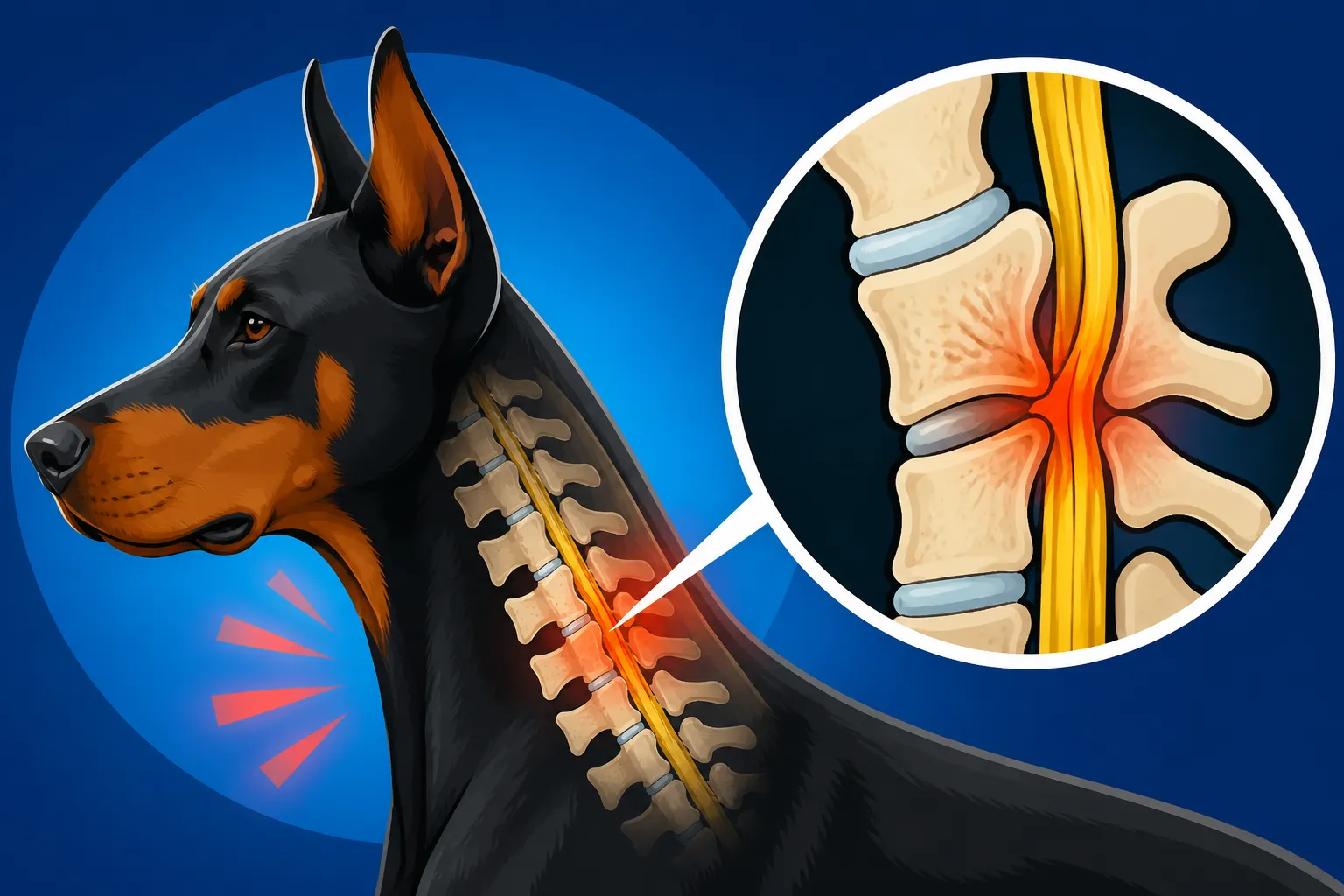
The spinal cord, a vital highway for nerve signals, runs through a canal formed by the vertebrae. In Dobermans, the vertebrae in the neck (cervical spine) can be inherently unstable or malformed. This instability often occurs in the lower cervical vertebrae, typically C5, C6, and C7. Think of these vertebrae as building blocks; if they don't stack up perfectly or move too much, the delicate spinal cord running through them can get squeezed.
This compression can manifest in a couple of ways. One is dynamic compression, where the spinal cord gets squashed when the neck moves, like bending up or down. Imagine a garden hose with a kink that only appears when you bend it a certain way. Another is static compression, where the compression is constant, regardless of neck position, often due to bony malformations or thickened ligaments. In many Dobermans, there can be a combination of both. These anomalies can range from a subtle misalignment to significant changes in the bone structure, often visible on specialized imaging.
Inherited Genetic Tendencies
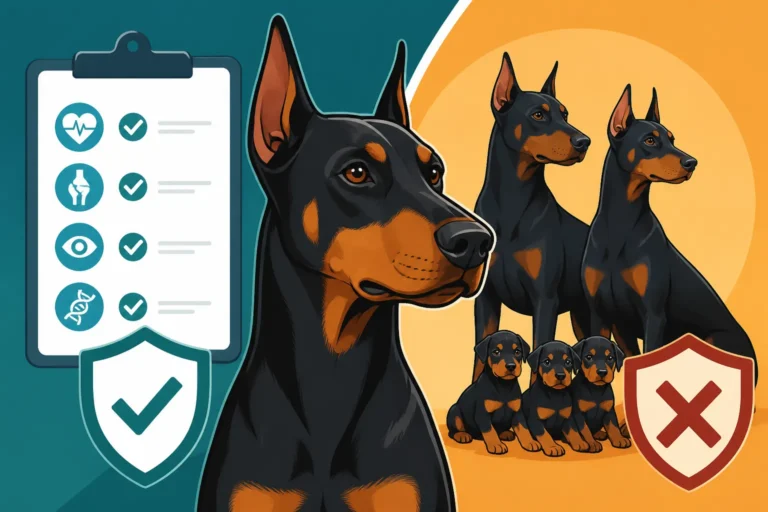
While not a single gene has been definitively identified like some other Doberman health issues, there's a strong consensus among veterinary neurologists that Wobbler Syndrome in Dobermans has a significant genetic component. It's often seen running in families, which is why reputable breeders make efforts to screen their breeding stock. This inherited tendency means that even with the best care, some Dobermans are simply born with a higher risk.
The Doberman's rapid growth rate as a puppy, combined with their unique neck structure, also plays a role. The bones, ligaments, and discs in their necks may not develop in perfect synchronicity, leading to abnormalities that manifest later in life. It's a complex interplay of genetics, conformation, and growth that creates this vulnerability. Because of this, even if a puppy seems fine, the underlying predisposition is still there, waiting for the right conditions or age to become apparent. This is why understanding The Age Doberman Wobbler Signs Appear is so crucial for proactive owners.
How Vertebral Compression Progresses
The progression of Wobbler Syndrome in Dobermans can vary widely. For some, the onset is slow and insidious, almost imperceptible at first. For others, it can seem to strike quite suddenly, leaving owners bewildered and concerned. Regardless of the speed, the underlying mechanism is the same: increasing pressure on the spinal cord, leading to worsening neurological function.
Subtle Early Warning Signs
Initially, the signs might be so subtle that you barely notice them, or you might attribute them to something else entirely. Your Doberman might simply seem a bit clumsier, perhaps stumbling occasionally on walks or having a slight scuffing of their back paws. You might notice them walking with their head down, reluctant to lift it, or showing signs of neck pain, even just a stiffness after waking up. It's not uncommon for owners to first notice their dog dragging their nails, especially on the hind feet, leading to excessive wear on the top of the nail. This slight dragging can be one of the earliest indicators that something is amiss with their neurological pathways.
They might also start to tire more easily during exercise, or show a reluctance to jump, go up stairs, or engage in activities they once loved. Sometimes, owners report a change in their Doberman's posture or how they hold their head. These are the quiet whispers of a larger problem brewing, and it's easy to dismiss them as aging or a minor injury. However, for a Doberman, these are red flags that warrant a closer look.
Worsening Neurological Deficits
As the compression on the spinal cord increases, the neurological deficits become more pronounced and harder to ignore. The characteristic "wobbly" gait becomes undeniable, often described as a "two-engine gait" where the front and back legs seem to operate independently, or a "drunken sailor" walk. They might show significant weakness, particularly in their hindquarters, making it difficult to stand up from a lying position or maintain balance. This progressive weakness can lead to falling, especially when turning corners or on slippery surfaces.
The front legs can also be affected, sometimes showing a shorter, stiffer stride. Pain can intensify, leading to vocalization, increased irritability, or guarding of the neck area. In severe cases, Dobermans can become partially or completely paralyzed. This worsening trajectory is why early diagnosis and intervention are so critical. Watching your active Doberman struggle to move is incredibly distressing, and understanding these signs can help you advocate for them effectively.
Recognizing the Signs and Seeking Diagnosis
Catching Wobbler Syndrome early can make a significant difference in managing the condition and preserving your Doberman's quality of life. The challenge is that many of the early signs can be subtle and easily confused with other issues. That's why being vigilant and working closely with your veterinarian is paramount.
What Your Vet Looks For
When you bring your Doberman to the vet with concerns about their gait or neck pain, your veterinarian will perform a thorough neurological exam. This involves assessing their reflexes, proprioception (awareness of where their limbs are in space), muscle strength, and gait. They'll likely manipulate your Doberman's neck to check for pain, stiffness, or any unusual responses. They'll want to know about the progression of symptoms, any recent injuries, and your Doberman's overall health history.
While a physical exam can point strongly towards a neurological issue in the neck, it cannot definitively diagnose Wobbler Syndrome or pinpoint the exact location and severity of the compression. For that, more advanced diagnostics are needed. It's often a difficult conversation when your vet suggests specialist care, but remember, they're trying to give your Doberman the best chance.
The Importance of Advanced Imaging
To truly understand why your Doberman's neck vertebrae are compressing the cord, advanced imaging is indispensable. The gold standard for diagnosing Wobbler Syndrome is a Magnetic Resonance Imaging (MRI) scan of the cervical spine, although a CT scan or myelogram can also be used. An MRI provides detailed images of the soft tissues, including the spinal cord, nerve roots, intervertebral discs, and ligaments, as well as the bone structures. This allows specialists to visualize the exact points of compression, whether it's due to a bulging disc, thickened ligament, bony spurs, or vertebral instability.
Getting an MRI means your Doberman will need to be under general anesthesia, and it can be a significant expense. This is where having pet insurance, such as a plan from Healthy Paws, can really make a difference, helping to cover the often substantial Imaging Bills When a Doberman Starts Wobbling. These scans are critical not only for confirming the diagnosis but also for planning the most appropriate treatment strategy, which could range from conservative management to complex surgical intervention. Without precise imaging, it’s like trying to navigate a dark room without a flashlight – you might bump into things, but you won't truly see the path ahead. If your vet recommends Scanning a Doberman for a Compressed Neck, know that it's a vital step towards effective treatment.
Treatment and Management Options
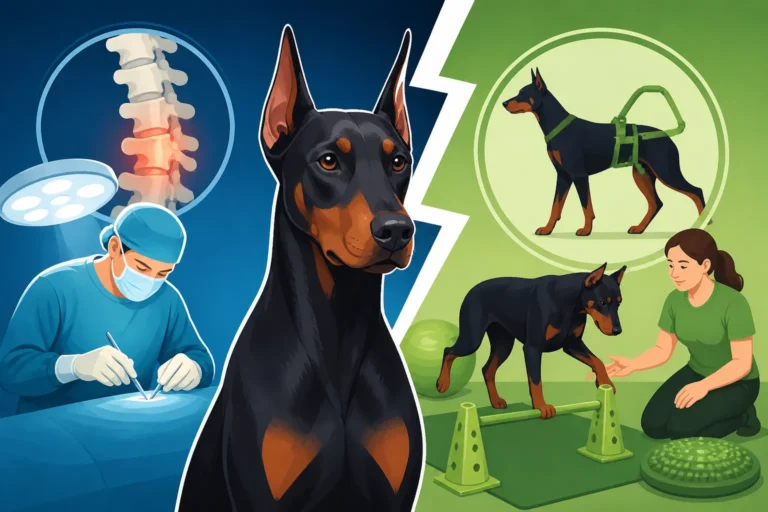
Once diagnosed, the treatment plan for Wobbler Syndrome is highly individualized, depending on the severity of the compression, the specific anatomical issues, and your Doberman's overall health and age. Treatment options generally fall into two categories: conservative medical management or surgical intervention.
Conservative management typically involves strict rest, anti-inflammatory medications, pain relievers, and sometimes muscle relaxants. Physical therapy and acupuncture can also be beneficial in managing symptoms and improving comfort. This approach is often chosen for Dobermans with milder symptoms or those who are not surgical candidates. However, it's a long-term commitment that requires dedication and often a quiet period of restricted activity for your dog. For many owners, the question of Surgery Against Management for Doberman Wobblers becomes a crucial decision point.
Surgical options aim to decompress the spinal cord and stabilize the cervical vertebrae. There are various surgical techniques, and the choice depends on the nature and location of the compression. While surgery can offer a more definitive solution and often improves the neurological function significantly, it is a major procedure with its own risks and recovery challenges. The decision for surgery is one that you’ll make in close consultation with a board-certified veterinary neurologist, weighing the potential benefits against the risks and the significant financial commitment. The cost of Doberman Wobbler Surgery and the Bills That Follow can be daunting, but pet insurance like Healthy Paws can ease the burden, making these life-changing treatments more accessible.
It's important to remember that even with successful treatment, some Dobermans may still have some residual neurological deficits. The goal is always to improve their quality of life, reduce pain, and restore as much function as possible.
| Symptom Category | Early Signs (Subtle) | Moderate Signs (Noticeable) | Severe Signs (Profound) |
|---|---|---|---|
| Gait & Movement | Slight hind paw scuffing, reluctance to jump, mild stiffness, tripping occasionally. | Obvious "wobbly" gait (hind limbs worse), difficulty rising, hesitant to use stairs, occasional falling. | Severe ataxia (loss of coordination), frequent falling, paresis (weakness) or paralysis, unable to stand or walk. |
| Pain & Posture | Neck stiffness after rest, holding head low, reluctance to bend neck up/down. | Visible neck pain, yelping when neck is touched, muscle spasms in neck/shoulders, guarding neck. | Constant pain, severe muscle atrophy, extreme guarding, severe discomfort even at rest. |
| Behavioral Changes | Reduced activity, lethargy, decreased enthusiasm for walks. | Irritability, anxiety, reluctance to interact, withdrawing from family, changes in appetite. | Depression, extreme pain behaviors, loss of bladder/bowel control in extreme cases. |
No matter the path you choose, providing supportive care, a comfortable environment, and continued monitoring will be essential for your Doberman. Seeing them regain even a portion of their previous mobility and comfort is incredibly rewarding, highlighting the resilience of this amazing breed.
Disclaimer
The information provided in this article is for educational purposes only and is not intended to be a substitute for professional veterinary advice, diagnosis, or treatment. Always seek the advice of your veterinarian or other qualified animal health provider with any questions you may have regarding a medical condition.