Why a Doberman With No Undercoat Still Sheds
It’s a common misconception, isn’t it? You get a Doberman, admire their sleek, short, almost painted-on coat, and think, "Finally, a dog that won't shed!" Then, one day, you notice those short, stiff hairs clinging to your black pants, embedded in your couch, and seemingly multiplying on your hardwood floors. It’s frustrating to realize that even without a plush undercoat, your Doberman still manages to leave a trail of evidence everywhere. This guide will help you understand why your Doberman sheds, the factors influencing it, and practical strategies to keep your home (and your wardrobe) a little less hairy.
Understanding the Doberman Coat: Short, Single, and Still Shedding
Many prospective Doberman owners, and even some current ones, are surprised when they discover their Doberman sheds. The breed is famous for its short, glossy coat, often described as minimal-shedding. But "minimal" doesn't mean "non-existent," and those fine, needle-like hairs can be quite pervasive once you start noticing them. It's a fundamental part of canine biology, and understanding your Doberman's unique coat structure is the first step to managing the shedding expectations.
The Doberman's Unique Coat Structure
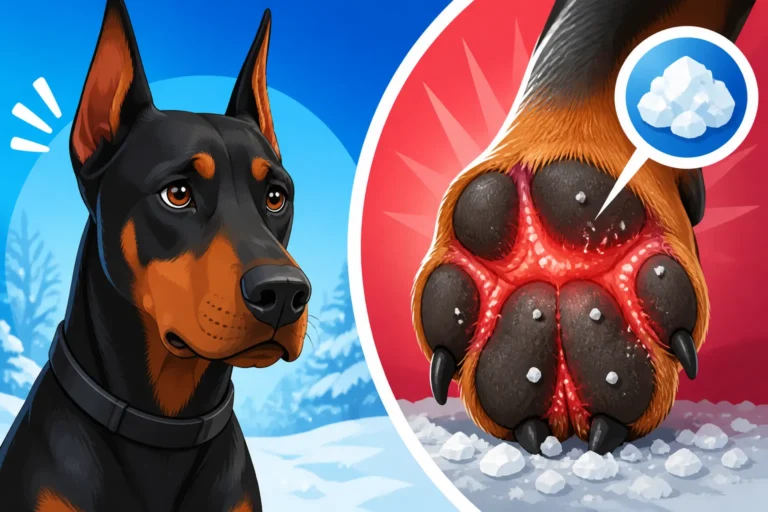
Unlike many double-coated breeds like German Shepherds or Huskies, Dobermans possess a single coat. This means they lack the soft, dense undercoat designed for insulation and are covered only by coarser, protective guard hairs. These guard hairs are typically short, smooth, and lie close to the body, giving the Doberman its distinctive elegant and athletic appearance. This single-layer structure is what makes them so sensitive to cold weather, as they don't have that extra layer of warmth. You might notice them shivering on a chilly morning walk long before other breeds show discomfort.
However, the absence of an undercoat doesn't exempt them from the natural cycle of hair growth and replacement. Each individual hair follicle still goes through phases of growth, rest, and shedding. While you won't find tumbleweeds of fluff rolling across your floor like you might with a long-haired breed during a "coat blow," you will definitely encounter individual hairs. These hairs, due to their short, stiff nature, can be surprisingly difficult to remove from upholstery and clothing, often weaving themselves into fabric fibers.
Why a Single Coat Doesn't Mean No Shedding
The idea that a single-coated dog doesn't shed is a common myth. Every dog, regardless of coat type, sheds hair as part of its natural life cycle. Hair grows, reaches its mature length, eventually dies, and then falls out to make way for new growth. This process is continuous, even if it's less dramatic in a Doberman compared to a Golden Retriever. The hairs might be short, but there are still millions of them on your Doberman's body, all going through this cycle.
What many people find surprising is how much impact these short hairs can have. Because they are so fine and can easily embed themselves, they become noticeable quickly. You might not see large clumps, but a fine layer of Doberman glitter on dark surfaces is a daily reality for many owners. The sheer volume of individual hairs, combined with their ability to cling, can make it seem like more shedding than it actually is. It's a different kind of shedding, requiring different management strategies than what you'd use for a double-coated breed.
The Natural Cycle of Hair Growth and Loss in Dobermans
Shedding isn't just about hair falling out; it's a dynamic process rooted in biology. Understanding the hair growth cycle can help you contextualize your Doberman's shedding patterns and realize that, to a certain extent, it's completely normal and healthy. It's how their body maintains a healthy coat and skin.
How Doberman Hair Follicles Function
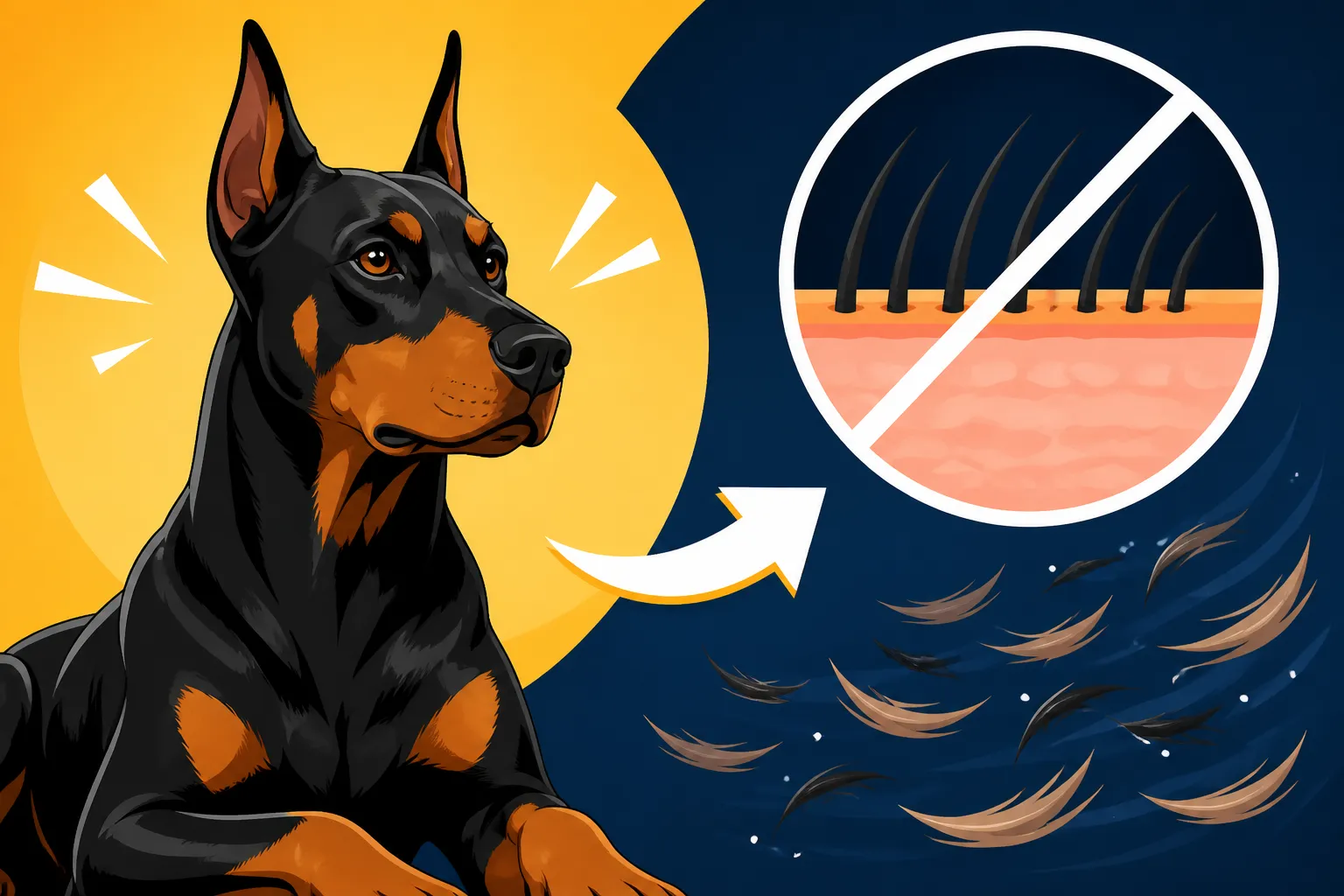
Each hair on your Doberman grows from a follicle, and these follicles operate on a cycle with three main phases: anagen (growth), catagen (transition), and telogen (rest/shedding). During the anagen phase, the hair actively grows. This phase can last for months or even years, and the longer the anagen phase, the longer the hair. For Dobermans, this phase is relatively short, which is why their hair doesn't grow long. The catagen phase is a brief transitional period where the hair stops growing, and the follicle prepares for the telogen phase. Finally, in the telogen phase, the hair is dormant and eventually released from the follicle, often pushed out by new anagen growth.
Because Dobermans have a single coat, composed mostly of these guard hairs, their follicles are primarily focused on producing that short, protective layer. This means their hair turnover can be fairly consistent throughout the year, as opposed to massive seasonal dumps. The health of these follicles is heavily influenced by genetics, nutrition, and overall health. A healthy Doberman will have a glossy, tight coat with minimal breakage, indicating that their hair follicles are functioning optimally. If you notice dullness, excessive breakage, or thin patches, it could signal an underlying issue affecting the normal follicular cycle.
Seasonal Shedding Versus Year-Round Turnover
While Dobermans don't "blow coat" in the same dramatic way as northern breeds, they do experience fluctuations in shedding intensity. Many owners report a slight increase in shedding during spring and fall. This isn't because they're suddenly growing an undercoat; rather, it's a natural adaptation to changing temperatures and daylight hours. In spring, they shed the slightly thicker coat they might have developed for winter (even if it's still just a single layer) to prepare for warmer weather. In the fall, they might shed some of the summer coat to make way for a marginally denser one for colder months.
However, for the most part, Doberman shedding is more of a year-round, low-level process. It's a continuous turnover of individual hairs rather than a cyclical event. This is why you'll find those short, bristly hairs on your clothes and furniture throughout the year, even outside of traditional shedding seasons. It's just their body's way of constantly renewing its protective outer layer. Regular grooming is key to managing this consistent shedding, preventing those hairs from landing everywhere else.
Factors Influencing Doberman Shedding Beyond Genetics
Shedding isn't just about the hair cycle; many external and internal factors can significantly influence how much hair your Doberman drops. Recognizing these influences can help you address potential issues and maintain a healthier, happier dog with a more manageable coat. Sometimes, what seems like "normal" shedding could be exacerbated by something you can control.
Nutrition and Its Impact on Coat Health
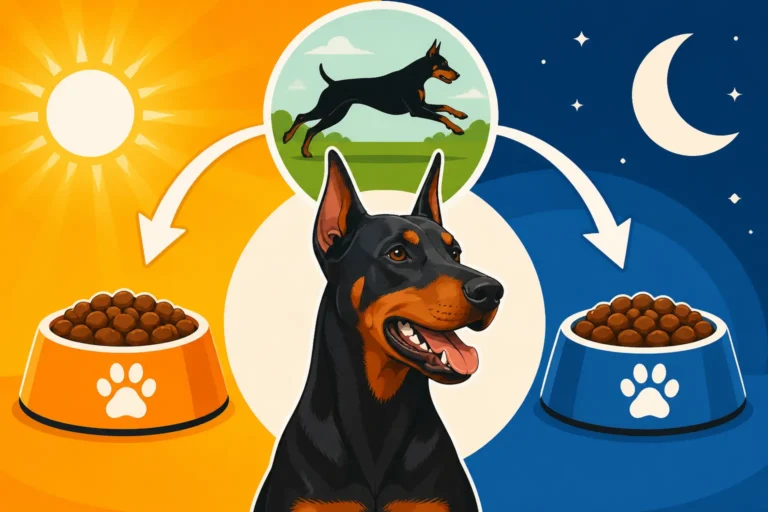
A Doberman's diet plays a monumental role in the health and quality of their coat. A high-quality, balanced diet provides the essential nutrients needed for strong hair follicles and vibrant hair growth. Think of it like this: if your dog isn't getting adequate protein, essential fatty acids, and vitamins, their body will prioritize vital organs over luxurious hair. The hair they do grow might be weaker, more brittle, and prone to breaking or shedding prematurely.
Look for foods that list a high-quality animal protein as the first ingredient. Many owners find that diets rich in Omega-3 and Omega-6 fatty acids, often derived from fish oils or flaxseed, significantly improve coat condition and reduce excessive shedding. These fatty acids contribute to healthy skin, which in turn supports healthy hair growth. If you're feeding a diet that lacks these crucial elements, you might notice a dull coat, flaky skin, and an increase in shedding. Some owners choose fresh food delivery services like Ollie or look for premium kibble options available through Chewy to ensure their Doberman is getting top-tier nutrition that supports a lustrous coat. Don't be shy about discussing diet with your veterinarian, especially if you suspect nutritional deficiencies.
Environmental Triggers and Stress
Just like humans, dogs can react to their environment and stress with physical symptoms, including changes in their coat. Environmental factors such as extreme temperatures, low humidity, or exposure to harsh chemicals can irritate a Doberman's skin and lead to increased shedding. For instance, in very dry indoor environments during winter, their skin can become dry and flaky, causing hairs to shed more readily. This is often exacerbated by Dandruff and Flaking on a Doberman.
Stress is another significant, often overlooked, trigger for increased shedding. A Doberman experiencing anxiety – perhaps due to changes in routine, separation distress, or even loud noises – might shed more. The physiological response to stress can shunt resources away from non-essential functions like maintaining a perfect coat, leading to more hair loss. Observing your Doberman's behavior for signs of stress alongside increased shedding can provide valuable clues. For example, a Doberman that is unusually clingy or destructive when left alone might be stressed, and addressing the root cause of the anxiety could help improve coat health.
Underlying Health Issues That Increase Shedding
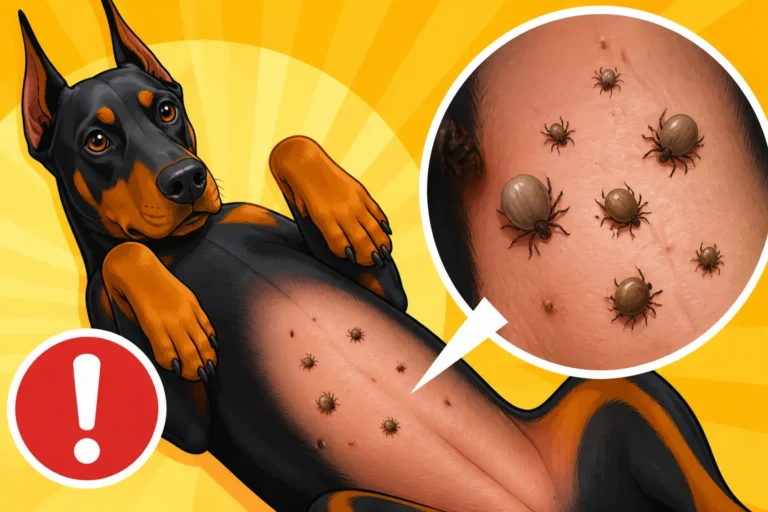
While some shedding is normal, a sudden or excessive increase in hair loss can be a red flag for underlying health problems. Conditions like hypothyroidism, a common issue in Dobermans, can manifest as a dull, brittle coat, hair loss, and increased shedding. The Thyroid Numbers That Slow a Doberman Down is a good read if you suspect thyroid issues. Skin allergies, whether environmental or food-related, can cause itching, scratching, and secondary skin infections, all of which damage hair follicles and lead to significant shedding. Parasites like fleas, ticks, and mites can also irritate the skin, causing intense itching and subsequent hair loss.
Less common but still possible are autoimmune diseases, fungal infections, or nutritional deficiencies that might not be obvious at first glance. If your Doberman's shedding seems excessive, is accompanied by bald patches, skin redness, scabs, or other symptoms like lethargy or changes in appetite, it's crucial to consult your veterinarian. They can perform diagnostic tests to rule out or identify medical conditions. Addressing these health issues can often bring a Doberman's coat back to its healthy, normal shedding pattern.
Managing Doberman Shedding: Practical Strategies for Owners
Since shedding is a natural part of a Doberman's life, the goal isn't to stop it entirely (which is impossible), but to manage it effectively. By implementing a consistent grooming routine and making smart choices, you can significantly reduce the amount of Doberman hair that ends up on your furniture and clothing.
The Best Grooming Tools for a Doberman's Coat
Given their short, sleek coat, Dobermans don't require the extensive grooming of a long-haired breed, but specific tools can make a huge difference in managing shedding. Forget the de-shedding rakes designed for thick undercoats; those are far too harsh for a Doberman's delicate skin. Instead, focus on tools that gently remove loose hairs and promote circulation without irritating the skin.
Here's a comparison of popular grooming tools for Dobermans:
| Tool Type | Description | Best Use | Frequency |
|---|---|---|---|
| Rubber Curry Brush | Flexible rubber nubs that massage the skin and pull loose hairs. | Daily brushing, especially during bath time to distribute shampoo. | Daily |
| Grooming Glove | A glove with rubber nubs on the palm, ideal for sensitive dogs. | Gently removing loose hair, bonding, good for puppies. | Daily |
| Fine-Toothed Comb | For checking for fleas or removing tiny debris, not for general shedding. | Spot checks, gentle removal of tangles (rare for Dobermans). | As needed |
| Soft Bristle Brush | Natural or synthetic bristles that polish the coat and remove surface dust. | Finishing brush for shine, light shedding removal. | Several times a week |
| Dematting Tool | Not recommended for Dobermans. | For matted, long-haired coats. Can damage Doberman's skin. | Never |
A rubber curry brush or a grooming glove is often the hero for Doberman owners. These tools are fantastic for massaging the skin, stimulating blood flow, and gently lifting those fine, shed hairs without causing discomfort. You can find excellent options on Amazon or Chewy. Brushing your Doberman daily, even for just a few minutes, will capture a surprising amount of loose hair before it has a chance to settle elsewhere in your home. This daily routine, as explored in Brushes That Suit a Doberman Coat, is far more effective than sporadic, intense sessions. It also turns grooming into a positive bonding experience.
Bathing Practices for Shedding Control
Regular bathing can also help remove loose hair, but it's important not to overdo it or use harsh shampoos that can dry out your Doberman's skin. A good rule of thumb is to bathe your Doberman every 4-6 weeks, or more frequently if they get particularly dirty. Using a high-quality, moisturizing dog shampoo that is specifically formulated for sensitive skin will help maintain the natural oils in their coat, keeping it healthy and less prone to excessive shedding.
During bath time, use a rubber curry brush to work the shampoo through their coat and then rinse thoroughly. The water helps loosen dead hair, and the brush helps to remove it before it dries and falls out. After rinsing, a good conditioner can further moisturize the skin and coat. Towel dry vigorously to remove as much water and loose hair as possible, then allow them to air dry in a warm, draft-free area. Just remember, as detailed in Washing a Doberman Without Stripping Its Skin, harsh chemicals or overly frequent baths can strip the skin of its natural oils, leading to dryness and potentially more shedding, so balance is key.
Dietary Adjustments and Supplements
As we discussed, nutrition plays a massive role. If your Doberman's coat isn't as shiny as it should be, or if shedding seems excessive, consider evaluating their diet. Ensure they are on a high-quality food with a good source of animal protein and healthy fats. Some owners choose to supplement their Doberman's diet with Omega-3 fatty acids, often in the form of fish oil. These supplements are known to support skin and coat health, reducing dryness and promoting a healthy sheen.
Before adding any supplements, it's always a good idea to chat with your vet, as they can recommend appropriate dosages and ensure there are no contraindications with other medications or health conditions. Brands like Nordic Naturals or Zesty Paws offer reputable omega oil supplements often available from Chewy or Amazon. For general guidance on what your Doberman should be eating, Daily Calories for an Adult Doberman and Protein and Fat for a Lean Working Doberman offer excellent insights into maintaining optimal health, which directly translates to a healthier coat.
Dealing with Doberman Hair in Your Home
Even with the best grooming practices, some Doberman hair is inevitable. It’s part of living with these wonderful dogs. The good news is that those short, stiff hairs, while pervasive, can be managed with the right cleaning strategies and some mindful choices about your home environment.
Effective Cleaning Methods for Doberman Hair
Those short, bristly Doberman hairs have a knack for embedding themselves into carpets, upholstery, and clothing. Standard vacuum cleaners often struggle to pick them up efficiently. For hard floors, a microfiber mop or a Swiffer-style dust mop can be surprisingly effective at gathering hair without just pushing it around. A robot vacuum can be a lifesaver for daily maintenance on both hard floors and low-pile carpets, running regularly to keep the accumulation at bay.
For carpets and rugs, a powerful vacuum cleaner designed for pet hair, often with a rotating brush head, is essential. Look for models that specifically market their ability to handle pet hair, as these usually have stronger suction and better brush designs. For furniture, rubber gloves (the kind you use for washing dishes) can work wonders. Simply put on a damp rubber glove and wipe your hand across the fabric; the hair will cling to the glove, allowing you to easily gather and discard it. Lint rollers are also your best friend for clothing before you head out the door. Maintaining a clean environment is a continuous battle, but with the right tools, it becomes a manageable routine. It can be quite shocking to see How Much Hair a Doberman Actually Drops once you start collecting it systematically.
Choosing Pet-Friendly Furniture and Fabrics
The choices you make for your home furnishings can significantly impact how noticeable and how difficult Doberman hair is to clean. Dark-colored furniture might seem like a good idea to hide black Doberman hair, but it often makes red or fawn hairs stand out more, and vice versa. Lighter-colored fabrics can show black hairs prominently. The best approach is to choose fabrics that are tightly woven, smooth, and resist hair embedding. Leather, faux leather, and tightly woven microfiber tend to be easier to wipe clean than loose weaves like chenille or velvet, which act like magnets for Doberman hair.
Consider using washable slipcovers for your couches and chairs. These can be tossed in the washing machine regularly, making cleanup a breeze and protecting your underlying furniture. For your Doberman's own bed, choose one with a removable, washable cover. Having designated blankets or throws for your Doberman to lie on can also concentrate shedding to specific areas, making overall cleaning much easier. It's about setting up your home in a way that acknowledges the reality of pet hair, rather than constantly fighting against it. Nobody wants to constantly deal with Doberman Hair Stuck in Upholstery.
Disclaimer
This article is for general informational purposes only and does not constitute professional advice. Laws, prices and regulations vary by location and change over time. Consult a qualified professional for guidance on your specific situation.