Doberman Hair Stuck in Upholstery
If you share your home with a Doberman, you know the absolute joy and loyalty they bring to your life. You also know the frustrating reality of their short, bristly hair embedding itself into every fabric surface imaginable – especially your beloved upholstery. It might seem counterintuitive for a dog with such a sleek, "no undercoat" look, but that fine, sharp Doberman hair has a magical way of weaving itself deep into sofa cushions, car seats, and even your favorite throw blankets, defying conventional cleaning methods. It's a common battle for Doberman owners, and honestly, sometimes it feels like you’re losing. This guide is here to walk you through understanding why this happens and, more importantly, how to reclaim your furniture from the constant barrage of Doberman confetti.
Why Doberman Hair Gets Everywhere (Yes, Even With That Short Coat!)
It’s a common misconception that because Dobermans have a single, short coat, they don't shed much. Oh, if only that were true! While they might not leave tumbleweeds of fluff like a Husky or a Golden Retriever, Doberman hair is a force all its own. Their short, stiff hairs are like tiny needles, designed to pierce and weave themselves into fabric, making them incredibly difficult to extract. It’s not about the length; it’s about the texture and the sheer volume of hair shed consistently.
The Doberman's Unique Coat Structure
Unlike many breeds, Dobermans possess a single coat, meaning they lack the soft, dense undercoat that provides insulation and tends to come out in seasonal "blows." Instead, their outer coat consists of short, coarse, and tightly lying hairs. These hairs are meant to protect them from the elements, but because they are constantly in a growth and shedding cycle, individual hairs are always being replaced. What feels like minimal shedding on a daily basis quickly accumulates. Think of it like a constant, slow drizzle rather than a torrential downpour. Each hair is relatively small and fine, but the cumulative effect is surprising.
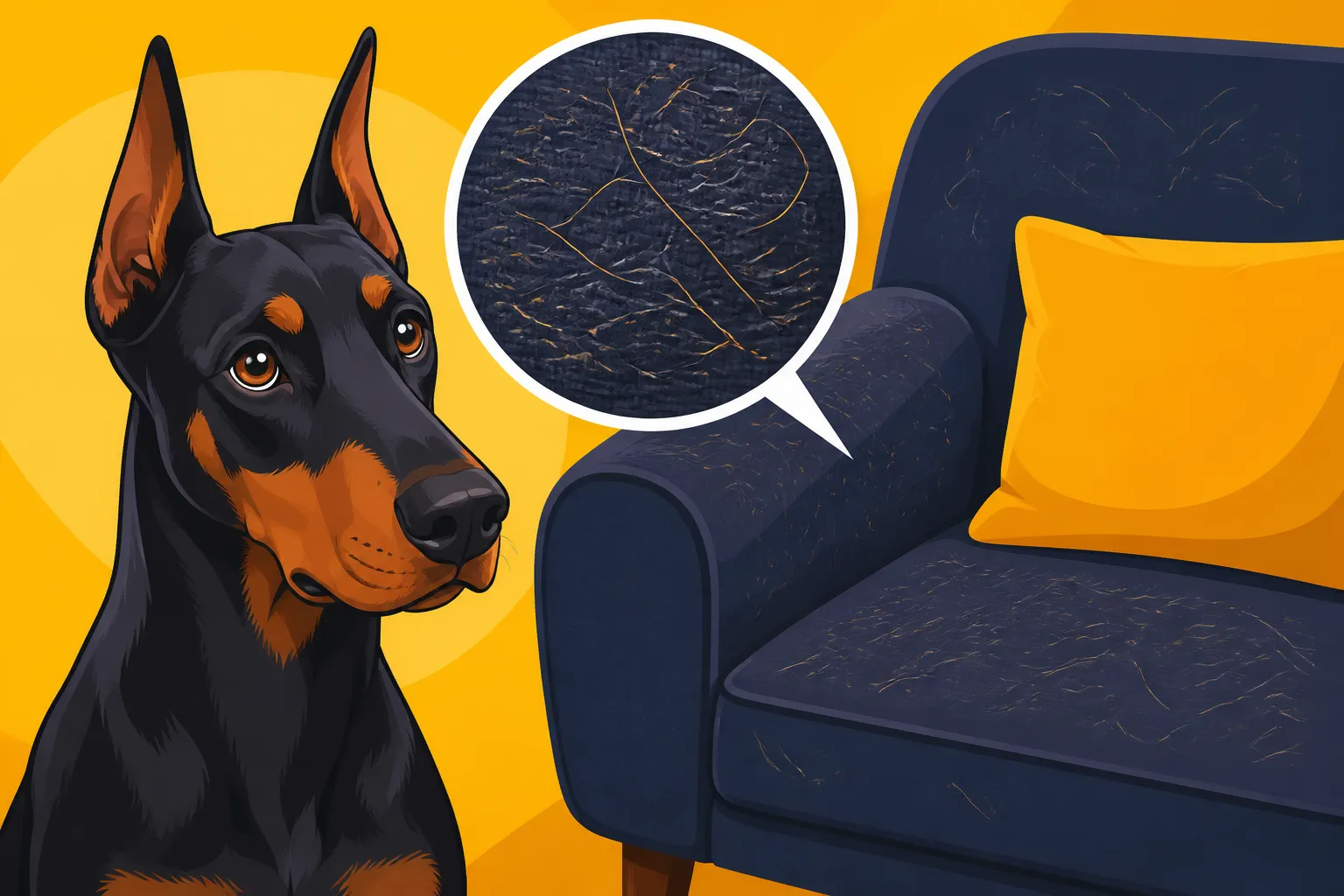
The issue isn't a lack of an undercoat; it’s the fact that every single hair on your Doberman is part of that constantly regenerating topcoat. When these short, stiff hairs detach, they don't just sit on the surface of your furniture; they act like microscopic harpoons, anchoring themselves firmly into the weave of the fabric. This is why a quick swipe with your hand often just pushes them deeper in, rather than gathering them up.
The Reality of Shedding Volume
Despite their sleek appearance, Dobermans are moderate, consistent shedders year-round. You might not see big clumps of hair rolling across your floor, but you’ll definitely notice it on your clothes, your furniture, and embedded in carpets. While some dogs have seasonal shedding patterns where they "blow" their coat in spring and fall, Dobermans tend to shed fairly evenly throughout the year. There might be slight increases during seasonal changes, but for the most part, it’s a steady stream.
This consistent, low-level shedding means the problem isn't just about cleaning up after a major shedding event; it's about managing a constant trickle of hair. If you wait too long between cleanings, that trickle turns into a significant buildup, making the task feel insurmountable. The fine, sharp nature of the hair means it's not just visible; it's there, physically embedded, demanding more aggressive removal techniques than a typical vacuum cleaner brush roll might offer.
Factors That Influence Shedding (Beyond Just Genetics)
While shedding is a natural process for Dobermans, several factors can influence the amount of hair they drop. Understanding these can help you manage the problem at its source, not just react to the aftermath.
One of the biggest culprits can be your Doberman's diet. A diet lacking in essential nutrients, particularly omega fatty acids, can lead to a dull, dry coat and increased shedding. If you notice your Doberman's coat isn't as shiny as it once was, or they seem to be shedding more than usual, it might be worth evaluating their food. High-quality food provides the building blocks for healthy skin and a strong coat. Stress can also play a significant role; a Doberman that is anxious or experiencing changes in its environment might shed more. Similarly, underlying health issues can manifest as excessive shedding or poor coat quality. Conditions like The Thyroid Numbers That Slow a Doberman Down, certain allergies, or even parasites can impact coat health. For instance, sometimes unusual hair loss might signal something more serious, as seen in conditions like Copper Liver Disease in Doberman Females or Color Dilution Alopecia in Blue and Fawn Dobermans.
Tackling the Upholstery Hair Battle: Your Arsenal of Tools and Techniques
Dealing with Doberman hair embedded in upholstery requires a multi-pronged approach. You can't just rely on one tool; you need a combination of mechanical removal, deep cleaning strategies, and proactive measures to keep it under control. It's a bit like a strategic military operation against tiny, bristly invaders.
Mechanical Removal Tools for Everyday Use
For the day-to-day hair accumulation, having the right tools at hand makes a world of difference. Forget your regular clothing lint roller; you'll need something with more power.
- Heavy-Duty Lint Rollers: Invest in extra-sticky, extra-large lint rollers. Brands often sell these in bulk, and you’ll go through them quickly. While they won't pull out deeply embedded hairs, they're fantastic for surface hair on clothes, light blankets, and quick touch-ups on furniture. Keep one by the door and another next to your favorite lounging spot.
- Rubber Gloves or Squeegees: This might sound odd, but trust me, it’s a game-changer. Put on a damp rubber dish glove and run your hand over the upholstery. The friction and static charge generated by the rubber will literally pull the hairs out and clump them together. You can then easily pick up these clumps. A rubber squeegee used for cleaning windows can also work wonders – simply drag it across the fabric in one direction. You’ll be amazed at the hair piles it creates. This method is particularly effective for large surfaces like sofas.
- Pet Hair Vacuums with Specialized Attachments: Not all vacuum cleaners are created equal when it comes to pet hair. Look for models specifically designed for pet owners, often featuring strong suction and specialized brush heads or turbo tools. These attachments typically have rubberized strips or rotating brushes that agitate the fabric and lift embedded hair. For example, some Dyson or Shark models offer great pet-specific attachments. Make sure your vacuum has a powerful handheld attachment for crevices and smaller cushions. Regularly cleaning your vacuum's brush roll is crucial, as Doberman hairs can quickly wrap around it and reduce effectiveness. You can often find a good selection of these on Amazon or Chewy.
- Fabric Brushes Designed for Pet Hair: There are brushes on the market with stiff bristles, sometimes made of rubber or a combination of materials, specifically designed to grab pet hair from fabric. They work similarly to the rubber glove method, creating friction to dislodge the hair. These are great for smaller areas or for pre-treating heavily haired spots before vacuuming.
Deep Cleaning Strategies for Stubborn Hair
When the hair has really settled in, you need to bring out the big guns. These methods require a bit more effort but are highly effective.
- Strategic Vacuuming Techniques: Don't just run the vacuum over the surface once. For embedded Doberman hair, you need to vacuum slowly, pressing down firmly, and going over the same area multiple times in different directions (forward, backward, diagonally). This helps dislodge hairs that are caught in various angles of the fabric weave. Pay special attention to seams, crevices, and under cushions, using your vacuum's crevice tool. Removing cushions and vacuuming the base of the furniture is also crucial, as hair tends to collect in those hidden spots.
- Steaming (with caution): For certain upholstery fabrics, a fabric steamer can help relax the fibers, making it easier for embedded hair to release. Test a small, inconspicuous area first to ensure your fabric can handle the steam without damage or water spots. After steaming, immediately follow up with a vacuum or a rubber glove to lift the loosened hairs. This isn't suitable for all materials, so always check care labels.
- Adhesive Rollers or Packing Tape for Concentrated Areas: For small, extremely stubborn patches of hair, a strong adhesive roller or even just wrapping packing tape around your hand (sticky side out) can work. Press it firmly onto the affected area and pull it off quickly. Repeat until the hair is gone. It's tedious but effective for targeted removal.
- Consider Professional Cleaning: If your upholstery is overwhelmingly covered, or you have a particularly delicate fabric, a professional upholstery cleaner might be the best option. They have industrial-strength equipment and specialized solutions that can often remove hair more thoroughly and safely than home methods. This might be a recurring cost, but it could save your sanity and your furniture.
Proactive Measures to Minimize Hair Buildup
The best defense is a good offense, right? Minimizing the amount of hair that gets to your upholstery in the first place is key.
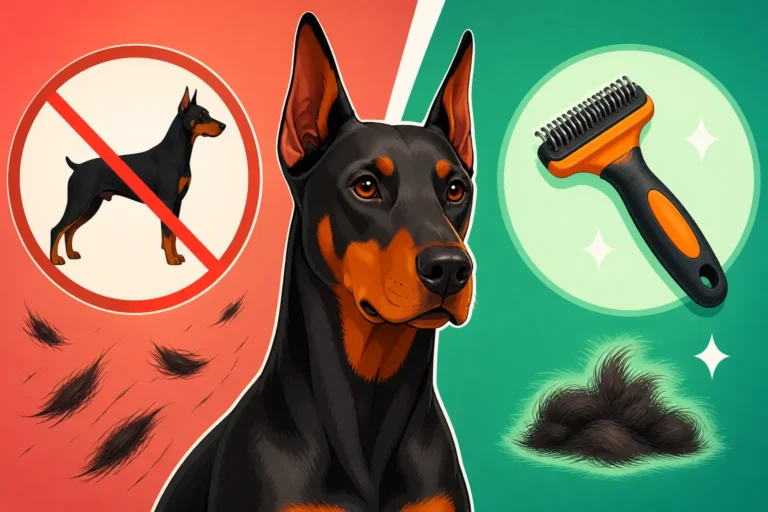
- Regular Grooming: This is non-negotiable for Doberman owners. Even though their coat is short, regular brushing – ideally daily or every other day – with a rubber curry comb or a grooming mitt can remove a surprising amount of loose hair before it ends up on your furniture. This is where tools from Chewy can come in handy. Focus on long, firm strokes to lift those shed hairs. Doberman Grooming on a Coat With No Undercoat can offer more tips on effective brushing.
- Protective Covers for Furniture: Invest in washable slipcovers for your sofas and chairs, or use large, heavy-duty throw blankets strategically placed on your Doberman's favorite spots. Look for materials that hair doesn't easily cling to, like tightly woven denim or canvas, rather than fleece or velvet. These covers can be regularly removed and tossed in the washing machine, saving your actual upholstery.
- Designated "Doberman Spots" with Washable Bedding: Create comfortable, designated spots for your Doberman around the house with their own beds or blankets that are easy to clean. This encourages them to settle in these areas, rather than directly on your pristine sofa. Having a few high-quality, durable dog beds, perhaps from a brand like Kuranda, can make a big difference. Make sure these beds have removable, washable covers.
Lifestyle Adjustments to Reduce Doberman Shedding at the Source
While effective cleaning methods are crucial, tackling the problem at its root – by reducing the amount of hair your Doberman actually sheds – is even better. This involves focusing on their overall health and well-being.
Nutritional Support for a Healthy Coat
A healthy coat starts from within. What you feed your Doberman directly impacts the quality and health of their skin and fur, and thus, how much they shed.
- High-Quality Food: This is paramount. Look for dog foods with easily digestible protein sources and a good balance of fats. Avoid foods with excessive fillers or artificial ingredients. A premium diet, like options from Ollie, provides the necessary nutrients for strong hair follicles, leading to less breakage and shedding. Cheap, low-quality kibble often results in a dull coat and more shedding due to poor nutrient absorption.
- Omega Fatty Acids: These are superstars for skin and coat health. Supplements like fish oil or salmon oil, rich in Omega-3 and Omega-6 fatty acids, can significantly improve coat shine, reduce dryness, and minimize shedding. Always discuss supplements with your vet to ensure proper dosage. You might find guidance on this in Omega Oils for a Doberman With Coat Loss.
- Hydration: Just like humans, dogs need adequate water intake for healthy skin. Ensure your Doberman always has access to fresh, clean water. Dehydration can contribute to dry skin and a brittle coat, increasing shedding.
Regular Grooming Routine Beyond Brushing
Grooming a Doberman isn't just about brushing; it involves a holistic approach to skin and coat care.
- Bathing Frequency: While you don't want to over-bathe and strip natural oils, a regular bath (every 4-6 weeks, or as needed) can help remove loose hairs before they have a chance to fall out naturally. Use a gentle, moisturizing shampoo specifically designed for dogs. Washing a Doberman Without Stripping Its Skin is a great resource for this. After shampooing, use a rubber grooming mitt while rinsing to help work out more loose hair. Follow up with a good conditioner to keep the coat soft and healthy. If your Doberman has sensitive skin, look for a hypoallergenic shampoo, perhaps a specific Shampoo for a Doberman With Dry Skin.
- Deshedding Tools: Even for short-coated breeds like Dobermans, there are deshedding tools that can be effective. While a Furminator might be too harsh for their single coat, a rubber curry brush, silicone grooming mitt, or a specialized brush like the ZoomGroom can work wonders at gently pulling out dead hairs without irritating the skin. Refer to Brushes That Suit a Doberman Coat for specific recommendations.
- Routine Checks for Skin Issues: Regularly examine your Doberman's skin for any signs of dryness, redness, flakiness, or irritation. Skin conditions can lead to increased scratching and shedding. Early detection allows for prompt treatment, which can help restore coat health.
Environmental Control and Stress Reduction
A stable, comfortable environment contributes to your Doberman's overall health and, in turn, their coat quality.
- Consistent Temperature: Extreme changes in temperature or prolonged exposure to very dry indoor air can affect a Doberman's skin. Providing a comfortable, consistent indoor temperature can help.
- Regular Exercise and Mental Stimulation: A well-exercised and mentally stimulated Doberman is generally a happier, less stressed Doberman. Stress can trigger increased shedding, so ensuring your dog gets plenty of physical activity and engaging mental challenges can indirectly help reduce hair loss. A good long walk or a vigorous play session isn’t just good for their physique; it’s good for their emotional state too.
- Clean Living Environment: Regularly vacuuming carpets and mopping hard floors in your home reduces the overall amount of loose hair circulating. This also helps minimize allergens that could potentially irritate your Doberman's skin, leading to scratching and shedding. Dusting furniture and wiping down surfaces are also important steps.
When to Consult a Vet About Excessive Shedding
While some shedding is completely normal for Dobermans, there are times when it can signal an underlying health issue that needs professional attention. It's important to know the difference between typical shedding and something more concerning.
Recognizing Abnormal Hair Loss
If you notice any of these signs, it's time to get your Doberman checked by a veterinarian:
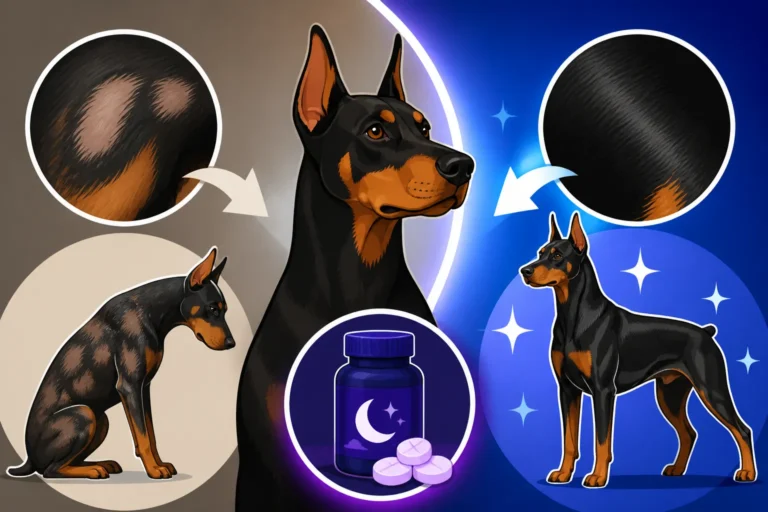
- Bald Spots or Significant Thinning: This is perhaps the most obvious sign. If your Doberman develops patches of bare skin or their coat becomes noticeably thinner in certain areas, it's not normal shedding. This could be indicative of skin infections, parasites (like mites or fleas), hormonal imbalances, or autoimmune conditions. Hair Loss on a Blue Doberman is a specific example of where this might occur.
- Dull, Brittle, or Greasy Coat: A healthy Doberman coat should be shiny and relatively smooth. If it appears dull, dry, brittle, or excessively greasy, it suggests an internal problem affecting coat quality.
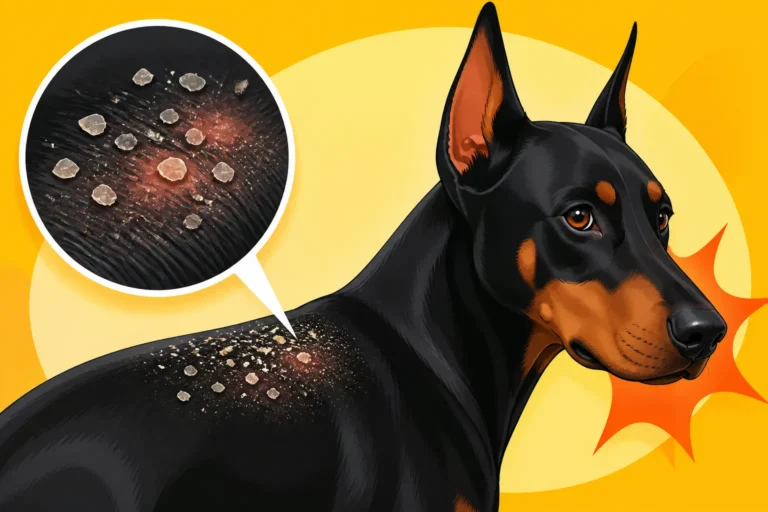
- Excessive Itching, Redness, or Skin Irritation: If your Doberman is constantly scratching, licking, or biting at their skin, and you see redness, rashes, bumps, or scabs, the shedding might be secondary to a skin allergy or infection. The irritation causes them to scratch, which pulls out more hair.
- Changes in Hair Texture: If the texture of their coat suddenly changes – becoming coarser, finer, or unusually soft – it could be a sign of a health problem.
- Lethargy or Other Symptoms: Excessive shedding accompanied by other symptoms like lethargy, changes in appetite or thirst, weight loss or gain, or behavioral changes, warrants immediate veterinary attention. These could point to more systemic issues.
Underlying Health Conditions That Can Cause Shedding
Many medical conditions can manifest with changes in coat quality or increased shedding. Your vet will perform a thorough examination and may recommend diagnostic tests to pinpoint the cause.
- Allergies: Environmental allergies (pollen, dust mites), food allergies, or flea allergies can all cause intense itching, skin inflammation, and subsequent hair loss from scratching. Managing allergies is key to improving coat health.
- Parasites: Fleas, ticks, and various types of mites can cause severe itching and irritation, leading to scratching, biting, and significant hair loss. Your vet can recommend appropriate parasite control.
- Hormonal Imbalances: Conditions like hypothyroidism (underactive thyroid) are relatively common in Dobermans and can lead to a dull, dry coat, excessive shedding, and even bald patches, often accompanied by weight gain and lethargy. The Thyroid Numbers That Slow a Doberman Down is a good read if you suspect this. Other hormonal issues like Cushing's disease can also affect coat quality.
- Skin Infections: Bacterial, fungal, or yeast infections of the skin can cause irritation, redness, and hair loss. These often require specific medicated shampoos, oral medications, or both.
- Nutritional Deficiencies: As mentioned earlier, a diet lacking essential nutrients can severely impact coat health. Your vet can advise on dietary changes or supplements.
- Autoimmune Diseases: While less common, certain autoimmune conditions can cause hair loss or skin lesions.
- Stress: Chronic stress can lead to physiological changes that impact hair follicles, resulting in increased shedding.
By paying close attention to your Doberman's coat and overall health, you can often catch potential issues early. Regular veterinary check-ups are vital, as is open communication with your vet about any changes you observe. Don't dismiss excessive shedding as "just a Doberman thing" if it's accompanied by other concerning symptoms or appears significantly worse than usual.
Disclaimer
This article is for general informational purposes only and does not constitute professional advice. Laws, prices and regulations vary by location and change over time. Consult a qualified professional for guidance on your specific situation.