Washing a Doberman Without Stripping Its Skin
If you're a Doberman owner, you know their short, sleek coat is one of their defining features – striking and beautiful. But you also know that it can be incredibly sensitive, leading to frustrating battles with dry, flaky, or itchy skin, especially after a bath. It feels like a catch-22: you want your Doberman to be clean, but you dread the potential skin irritation that often follows. This guide is here to walk you through exactly how to wash your Doberman without inadvertently stripping their skin of its vital natural oils, ensuring they stay comfortable and their coat remains gleaming.
Understanding Your Doberman's Unique Coat and Skin
Before we even think about turning on the water, it's crucial to appreciate what makes your Doberman's skin and coat different. They aren't like a fluffy Samoyed or a thick-coated Labrador. Their unique characteristics mean you need a tailored approach to bathing. Ignoring these differences is often the root cause of post-bath skin issues.
The Doberman's Lack of Undercoat
One of the most striking features of a Doberman is their single, short, dense coat. Unlike many breeds that boast a thick, insulating undercoat, Dobermans simply don't have one. This sleek, close-lying hair is fantastic for showing off their muscular physique and offers a certain elegance, but it also means they lack that extra layer of natural protection and oil distribution that an undercoat provides.
What does this mean for bathing? Well, without that plush undercoat to shield their skin, Dobermans are far more susceptible to harsh shampoos and vigorous scrubbing. Their skin is directly exposed, making it easier for strong detergents to strip away the natural sebum that acts as their protective barrier. This can leave their skin feeling tight, dry, and vulnerable, much like how your own skin might feel after using a really harsh soap. It also means they feel the cold much more intensely, which you might notice when considering The Temperature a Doberman Needs a Coat.
Common Doberman Skin Sensitivities
Beyond the lack of an undercoat, Dobermans can also be prone to general skin sensitivities, which makes a gentle bathing routine even more critical. Many Dobermans suffer from environmental allergies, reacting to pollen, dust mites, or certain grasses. Others might have food sensitivities that manifest as skin issues. These underlying conditions can already make their skin feel itchy, irritated, or cause them to develop Dandruff and Flaking on a Doberman.
When their skin is already compromised, introducing a harsh shampoo or improper bathing technique can quickly escalate a minor irritation into a full-blown flare-up. You might see increased redness, more flaking, or even small bumps developing. It's a frustrating cycle where bathing, meant to bring relief, actually makes things worse. Understanding these sensitivities helps you approach bath time not as a chore to get through, but as a therapeutic opportunity to soothe and protect their skin.
Choosing the Right Shampoo and Conditioner
The products you use are arguably the most critical factor in a successful Doberman bath that doesn't strip their skin. You wouldn't use dish soap on your own sensitive skin, so why would you use a generic, harsh dog shampoo on your Doberman? This is where a little research and careful selection pay off immensely.
pH-Balanced and Hypoallergenic Formulas
The skin of a dog, including a Doberman, has a different pH level than human skin. Human shampoos are typically formulated for an acidic pH (around 5.5), while a dog's skin is more alkaline (closer to 7.0-7.5). Using human shampoo, or even a dog shampoo that isn't pH-balanced, can disrupt your Doberman's natural skin barrier, leading to dryness, irritation, and an increased risk of bacterial or fungal infections. Always look for shampoos specifically labeled "pH-balanced for dogs."
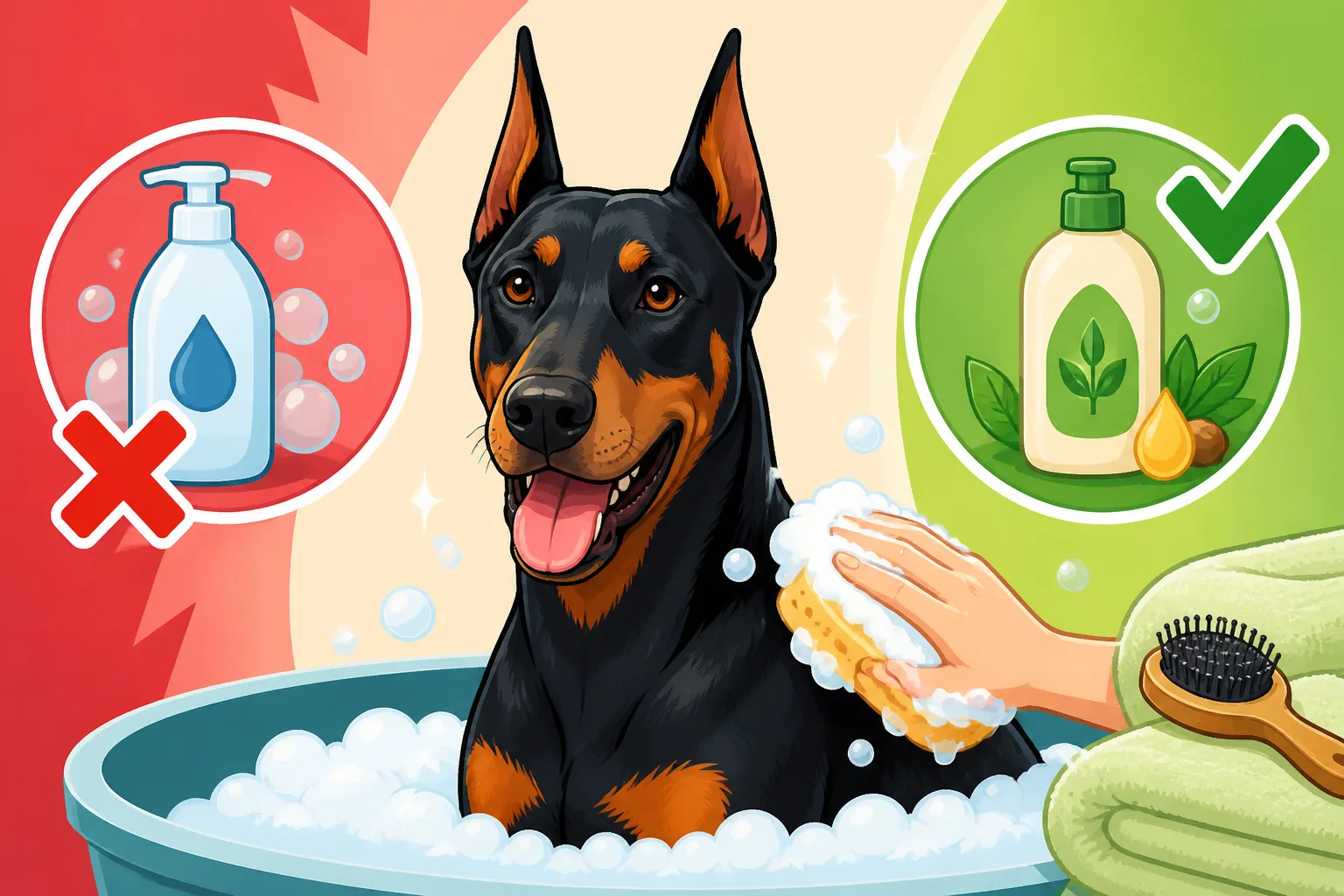
Beyond pH, opting for hypoallergenic formulas is a smart move, especially if your Doberman has known sensitivities or you're unsure. These shampoos are designed to minimize allergens and irritants. Look for ingredients like colloidal oatmeal and aloe vera, which are known for their soothing and hydrating properties. Conversely, actively avoid harsh detergents like sulfates (often listed as Sodium Lauryl Sulfate or Sodium Laureth Sulfate), strong artificial fragrances, and dyes. These can strip natural oils and trigger allergic reactions, turning bath time into a skin nightmare. You can find many excellent options on marketplaces like Amazon or specialty pet stores like Chewy. Many owners also look for a good Shampoo for a Doberman With Dry Skin.
Natural and Moisturizing Ingredients to Look For
To truly protect and nourish your Doberman's skin during a bath, you want shampoos and conditioners packed with natural, moisturizing ingredients. Think of it as giving their skin a spa treatment rather than a harsh scrub.
Colloidal oatmeal, for instance, is a fantastic ingredient. It forms a protective barrier on the skin, helping to soothe itchiness and retain moisture. Aloe vera is another powerhouse, offering anti-inflammatory and healing properties, which is particularly beneficial for already irritated skin. Ingredients like coconut oil, shea butter, and various plant-based oils (jojoba, argan) can provide essential fatty acids, helping to replenish the skin's natural lipid layer and lock in hydration. These oils don't just sit on the surface; they work to strengthen the skin's barrier, making it more resilient. Always read the ingredient list carefully, even on brands recommended by others, to ensure there are no hidden irritants for your specific Doberman. A balanced diet with high-quality ingredients, like those offered by Ollie, can also contribute to overall skin health, reducing the severity of dryness and flaking from within.
The Gentle Doberman Bathing Technique
Choosing the right products is half the battle, but even the best shampoo won't save your Doberman's skin if your bathing technique is rough or incomplete. The way you handle them, the water temperature, and how thoroughly you rinse all play crucial roles in preventing skin stripping and irritation.
Pre-Bath Preparation: Brushing and Deshedding
Before a single drop of water touches your Doberman, dedicate some time to a thorough pre-bath brush. Even with their short coat, Dobermans do shed, and loose hair can trap dirt and prevent shampoo from effectively reaching the skin. A good brush-down helps remove this loose hair, stimulates blood flow to the skin, and distributes natural skin oils across the coat. For a Doberman, a rubber curry brush or a short-bristled brush like The One Brush a Doberman Coat Needs works wonders.
This step isn't just about cleanliness; it's about making the bathing process more efficient and less irritating. By removing loose hair and surface debris, your shampoo can get right to work on cleaning the skin and remaining coat, rather than getting caught up in a mat of shed hair. It also means you won't have to scrub as vigorously once they're wet, further protecting their delicate skin.
Lukewarm Water and Thorough Rinsing
The temperature of the water might seem like a minor detail, but it's incredibly important. Just like for humans, water that's too hot can dry out the skin and strip natural oils. Water that's too cold can be uncomfortable and make your Doberman shiver, especially given their lack of an insulating undercoat. Aim for lukewarm water – comfortably warm to your touch, but not hot.
Even more critical is the rinsing process. This is where many owners accidentally cause skin irritation. Any shampoo or conditioner residue left on the skin can act as a persistent irritant, leading to itching, flaking, and dryness. It's like leaving soap on your own skin after a shower; it just doesn't feel right. Rinse, rinse, and then rinse again. Run your hands through their coat, feeling for any slippery or sudsy areas. Keep rinsing until the water runs completely clear and their coat feels squeaky clean, not slick with product. Pay extra attention to their chest, belly, and underarms, where shampoo often accumulates.
Applying Shampoo and Conditioning Effectively
When it comes to applying the shampoo, less is often more. Many concentrated dog shampoos can be diluted with water beforehand. This makes them easier to distribute evenly across your Doberman's short coat and helps prevent using too much product. Rather than dumping a large dollop directly onto their back, try mixing a small amount with water in a separate container, or applying small amounts to various points on their body.
Gently massage the shampoo into their coat and skin. Avoid harsh scrubbing, which can irritate the skin and tangle any loose hair. Use your fingertips to work the shampoo down to the skin, moving in the direction of hair growth. Let the shampoo sit for the recommended time on the bottle (usually 5-10 minutes) if it has therapeutic properties, then rinse thoroughly as described above. Follow up with a good conditioner, applying it generously and working it through the coat. Conditioner helps to replenish moisture, smooth the hair cuticle, and add a protective layer to the skin. Again, allow it to sit for a few minutes before rinsing it out completely.
Post-Bath Care for Optimal Skin Health
The bathing process doesn't end when the water stops running. What you do immediately after the bath, and how frequently you bathe your Doberman, significantly impacts their skin health. These steps are just as vital as choosing the right shampoo.
Gentle Drying Techniques
Your Doberman's skin is at its most vulnerable immediately after a bath. Rough towel drying can cause friction and irritation, especially on their delicate, exposed skin. Instead of rubbing vigorously, gently pat your Doberman dry with soft, absorbent towels. You can use multiple towels if needed. For an even more absorbent option, consider using microfiber towels, which can soak up a lot of water without needing aggressive rubbing.
If you choose to use a blow dryer, always use it on the coolest or lowest heat setting. High heat can be just as damaging to their skin as hot bathwater, further stripping moisture and causing discomfort. Hold the dryer at a safe distance and keep it moving constantly to avoid concentrating heat on one spot. Many Doberman owners prefer to air dry their dogs, especially in warmer weather, but always ensure your Doberman is in a warm, draft-free area to prevent them from getting too cold. Given their thin coats, they can chill quickly. For more tips on this, see Drying a Doberman After a Winter Bath.
Moisturizing and Skin Conditioning After the Bath
After a bath, even with the most gentle products, your Doberman's skin might still benefit from an extra boost of moisture. This is especially true if they are prone to dryness or live in a dry climate. Consider using a dog-safe leave-in conditioner or a moisturizing spray. These products can help lock in moisture, soothe any residual dryness, and add a healthy sheen to their coat.
Another option is to lightly apply a small amount of virgin coconut oil, available on Chewy or Amazon, to their coat and skin. Coconut oil is a natural moisturizer and has some antimicrobial properties. Just be careful not to overdo it, as too much can make their coat greasy. Focus on areas that tend to be driest, like their flanks or belly. These post-bath moisturizing steps create an additional protective barrier, crucial for a breed with such sensitive skin. If you notice signs of Skin Infections in a Bald Doberman or other severe issues, this is a good time to check in with your vet.
Frequency of Baths and Environmental Considerations
One of the most common mistakes Doberman owners make is bathing their dogs too often. Unless your Doberman has rolled in something truly offensive or has a specific skin condition that requires medicated bathing, frequent baths can actually do more harm than good. Each bath, even a gentle one, can disrupt the skin's natural oil balance.
A general guideline for Dobermans is to bathe them every 4 to 8 weeks, or simply when they are visibly dirty. If you're wondering How Long a Doberman Goes Without a Bath, this range is a good starting point. However, environmental factors play a big role. If you live in a very dry climate, you might need to bathe less frequently and emphasize moisturizing. In a humid environment, you might find they need a bath slightly more often. Always observe your individual Doberman's skin and coat condition. If their skin seems healthy and their coat is clean, there's no need to rush to the bathtub. Regular brushing between baths can often keep their coat tidy and distribute natural oils effectively without the need for water and shampoo.
Addressing Persistent Skin Issues Beyond Bathing
Even with the best bathing routine, some Dobermans might still struggle with dry, itchy, or irritated skin. This is often a sign that the problem goes deeper than surface-level care. It's important to remember that skin health is a reflection of overall health, and sometimes, the solution isn't just in the shampoo bottle.
Dietary Impact on Skin and Coat Health
What your Doberman eats has a profound impact on the health of their skin and coat. A diet lacking essential nutrients, or one that contains common allergens for your particular dog, can lead to chronic skin issues that no amount of special shampoo can fix.
Look for high-quality dog foods with easily digestible protein sources and a healthy balance of omega-3 and omega-6 fatty acids. These essential fatty acids are crucial for maintaining a strong skin barrier, reducing inflammation, and promoting a healthy, shiny coat. Ingredients like fish oil, flaxseed, and certain vegetable oils are excellent sources. Many Doberman owners proactively give their dogs omega supplements to support skin and coat health, especially if they struggle with dryness or dullness. You can find these supplements easily on Chewy or Amazon. Companies like Ollie, which offer fresh, human-grade food, often formulate their meals with these beneficial fatty acids and high-quality protein, which can make a noticeable difference in skin condition from the inside out. For further insights into beneficial supplements, you might explore Omega Oils for a Doberman With Coat Loss.
Recognizing When to Consult a Vet or Dermatologist
While gentle bathing and a good diet can solve many skin woes, there are times when persistent skin issues signal a deeper problem that requires professional medical attention. It's crucial to know when to stop trying home remedies and seek expert advice.
If your Doberman experiences any of the following, it's time to call your veterinarian:
- Persistent or severe itching: Especially if it disrupts their sleep or leads to excessive scratching, licking, or chewing.
- Redness, inflammation, or rashes: Widespread or localized red patches that don't resolve quickly.
- Hair loss: Beyond typical seasonal shedding, especially if it's patchy, symmetrical, or accompanied by skin irritation. This can be a concern for blue or fawn Dobermans, but any unusual hair loss should be checked.
- Sores, scabs, or crusts: These can indicate bacterial or fungal infections that require medication.
- Unusual odors: A strong, yeasty, or unpleasant smell from the skin or ears often points to an infection.
- Thickened or discolored skin: Chronic irritation can lead to changes in skin texture and pigmentation.
Your regular vet can often diagnose and treat common skin conditions. However, for complex or chronic cases, they might refer you to a veterinary dermatologist. These specialists have advanced training in skin conditions and can perform more in-depth diagnostics, such as skin scrapings, biopsies, or allergy testing, to get to the root of the problem. Don't hesitate to seek their expertise if you're battling ongoing skin issues or notice Flaky Skin Along a Doberman's Back that doesn't improve. Early intervention can prevent minor issues from becoming major, uncomfortable problems for your Doberman. A consistent Daily Skin Routine for a Thinning Blue Doberman might help manage some coat issues, but a vet visit is always warranted for persistent problems.
Shampoo Ingredient Comparison
Here’s a quick overview of common shampoo ingredients and what to look for or avoid when washing your Doberman to protect their sensitive skin.
| Category | Good Ingredients (Look For) | Bad Ingredients (Avoid) | Why |
|---|---|---|---|
| Cleansers | Gentle plant-derived cleansers (e.g., coco-glucoside) | Sodium Lauryl Sulfate (SLS), Sodium Laureth Sulfate (SLES) | Harsh sulfates strip natural oils, leading to dryness and irritation. Gentle cleansers clean without over-drying. |
| Moisturizers | Colloidal Oatmeal, Aloe Vera, Glycerin, Coconut Oil, Shea Butter | Mineral Oil, Petroleum (in some cheap formulas) | Natural moisturizers hydrate and soothe. Mineral oil can clog pores and offers less therapeutic benefit. |
| Fragrance | Natural essential oils (e.g., lavender, chamomile – sparingly) | Artificial fragrances, perfumes | Artificial fragrances are common irritants and allergens for sensitive skin. Natural options should be very mild and minimal. |
| Preservatives | Natural preservatives (e.g., Vitamin E, Rosemary extract) | Parabens, Formaldehyde-releasing preservatives | Some synthetic preservatives can be skin sensitizers or have questionable long-term health effects. |
| Dyes | None (colorless or naturally colored formulas) | Artificial colors, dyes | Dyes offer no benefit and are common causes of allergic reactions and irritation in sensitive skin. |
| pH Balance | pH-balanced for dogs (typically 7.0-7.5) | pH-balanced for humans (acidic ~5.5) | Dog skin has a different pH than human skin; using human-pH products disrupts the dog's skin barrier. |
Disclaimer
This article is for general informational purposes only and does not constitute professional advice. Laws, prices and regulations vary by location and change over time. Consult a qualified professional for guidance on your specific situation.