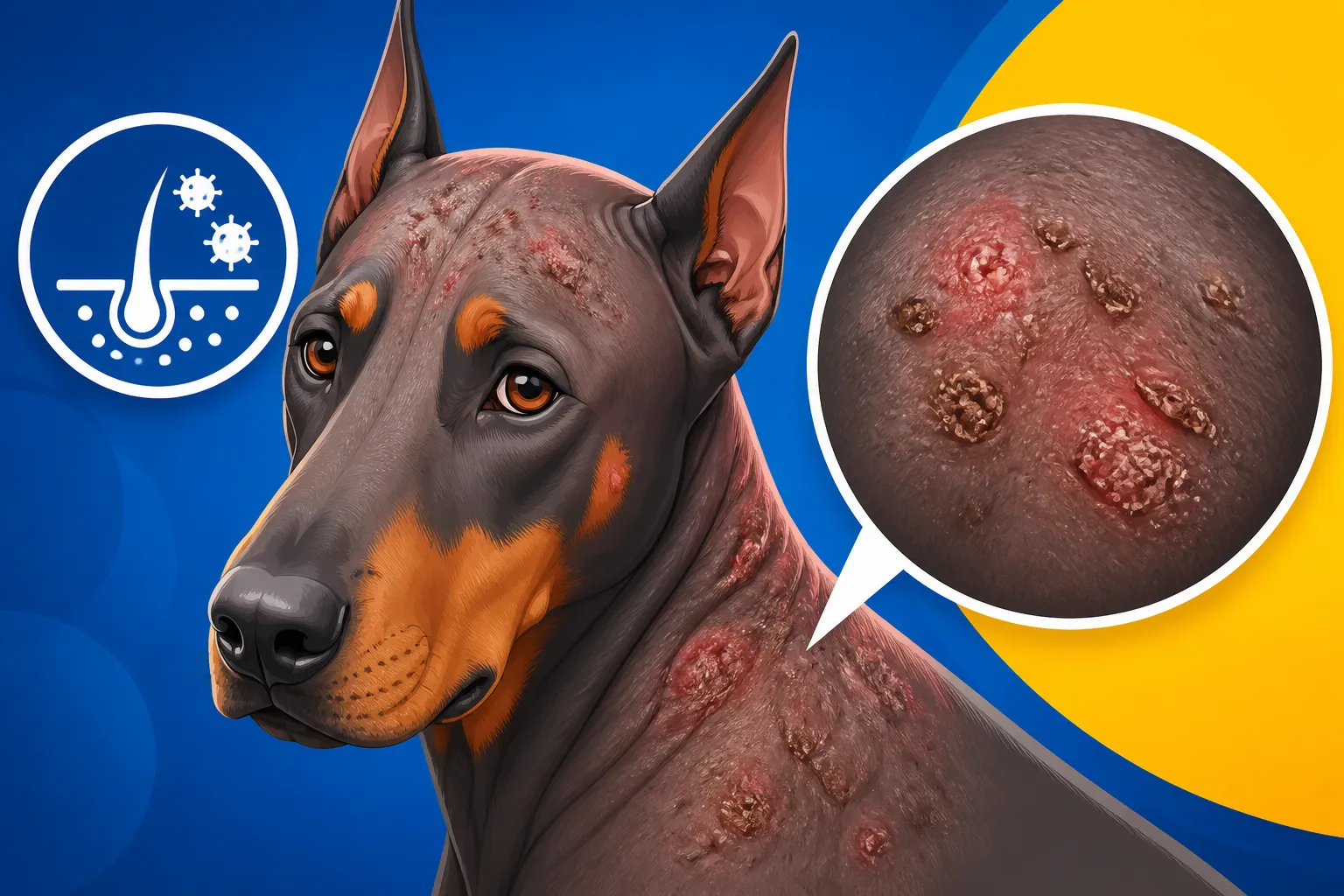
Skin Infections in a Bald Doberman
It's incredibly frustrating when your beautiful Doberman starts experiencing skin issues, especially if they're already dealing with sparse or thinning fur. You bring them home, expecting that sleek, shiny coat, and then you find yourself staring at red, inflamed patches, scabs, or even full-blown infections. It’s disheartening, and it leaves you wondering what you’re doing wrong. This guide aims to shed light on why bald or thin-coated Dobermans are so prone to these irritating skin infections and, more importantly, what you can do to help manage and prevent them.
The Unique Vulnerability of a Doberman's Skin and Coat
Dobermans, with their distinctive short, glossy coats, are already a bit different from many other breeds when it comes to skin health. But when you factor in conditions that lead to coat loss, their skin becomes incredibly vulnerable. It’s not just about aesthetics; their skin is their first line of defense, and when that defense is compromised, infections are quick to set in.
The Doberman's Naturally Thin Skin and Sparse Coat
Unlike many double-coated breeds with thick fur and dense undercoats, Dobermans possess a single, short, and very fine coat. While this gives them that sleek, elegant appearance we all adore, it also means their skin is far less protected from environmental irritants, moisture, and even minor abrasions. Their skin itself is also notoriously thin and delicate. Imagine going through life without a jacket in cold weather or proper sunblock in the heat – that’s essentially what a Doberman's skin is contending with on a daily basis. This lack of natural cushioning and insulation leaves them susceptible to everything from scrapes to sunburn, and critically, makes it easier for bacteria and yeast to find a foothold when the skin barrier is even slightly compromised. You might even notice that their skin tears easily, requiring extra caution during play or when navigating rough terrain.
The Impact of Color Dilution Alopecia (CDA) on Skin Health
For Dobermans with blue or fawn coats, the risk of skin infections is significantly higher due to a genetic condition called Color Dilution Alopecia, or CDA. This isn't just about a little bit of hair thinning; it's a structural defect in the hair follicles themselves. The pigment clumps abnormally within the hair shaft, weakening it and causing it to break off or fall out easily. This leads to the characteristic "bald patches" or generalized thinning seen in affected Dobermans, especially in the areas with diluted color. You'll often see Hair Loss on a Blue Doberman or How Common Coat Loss Is in Fawn Dobermans starting quite young, sometimes even as puppies.
When hair follicles are unhealthy and hair shafts are brittle or absent, the skin surrounding them becomes incredibly fragile and exposed. These damaged follicles can become easily clogged or inflamed, creating the perfect breeding ground for bacteria and yeast that normally live harmlessly on the skin. It’s a vicious cycle: the CDA causes hair loss, which exposes and damages the skin, making it more prone to infection, which then exacerbates the hair loss and skin irritation. Owners often report seeing Thinning Coat on a Blue Doberman Puppy around their face or flanks, and as the condition progresses, large areas can become completely bald, leaving the underlying skin perpetually exposed and irritated.
Other Underlying Causes of Doberman Skin Vulnerability
Beyond CDA, Dobermans can be susceptible to skin issues from other angles. Allergies, both environmental and food-related, are a common culprit. Just like people, Dobermans can react to pollen, dust mites, certain ingredients in their food, or even cleaning products used in your home. These allergic reactions often manifest as itchy skin, which leads to scratching, licking, and chewing. This self-trauma then breaks the skin barrier, allowing opportunistic bacteria and yeast to move in and cause secondary infections.
Hormonal imbalances, such as hypothyroidism, can also contribute to a dull coat, dry skin, and increased susceptibility to infections. If your Doberman is experiencing Weight Gain and Low Energy in a Doberman along with skin changes, it's definitely worth discussing thyroid testing with your vet. Additionally, external parasites like fleas, mites (mange), and ticks can cause intense itching and irritation, leading to scratching and subsequent infection. Even seemingly minor issues can escalate rapidly in a Doberman with delicate skin, turning a small bite into a widespread pyoderma (bacterial skin infection) or yeast overgrowth.
Recognizing the Signs of a Skin Infection in Your Doberman
Catching a skin infection early is key to successful treatment and preventing it from becoming a more stubborn, widespread problem. It's not always obvious, especially with their dark coats, but there are several tell-tale signs to look out for.
Visual Cues: Redness, Bumps, Scabs, and Hair Loss Patterns
When you examine your Doberman's skin, especially in areas where the coat is thin or absent, look closely for visual abnormalities. Redness and inflammation are often the first signs that something is amiss. You might notice pinkish or red patches, which can indicate irritation or the beginning of an infection. These can range from small, localized spots to larger, more diffuse areas.
Keep an eye out for bumps or pustules. These can look like pimples, sometimes with a white or yellow center, indicating a bacterial infection (pyoderma). Scabs are another common sign, forming over areas where the skin has been broken, either from scratching, infection, or a combination of both. These scabs can be small and flaky or larger and crusty, and they might be accompanied by matted fur if there's any discharge.
Hair loss patterns are also a huge clue. While some Dobermans may have genetic Color Dilution Alopecia in Blue and Fawn Dobermans, which causes generalized thinning or baldness, new or rapidly progressing patches of hair loss, especially if accompanied by redness or bumps, strongly suggest an infection or other dermatological problem. Hot spots, technically acute moist dermatitis, are intensely red, inflamed, often oozing lesions that appear suddenly. They are excruciatingly itchy and painful for your Doberman, leading to rapid self-trauma as they try to alleviate the discomfort. These quickly become infected and require immediate veterinary attention.
Olfactory and Tactile Clues: Smell, Grease, and Pain
Sometimes, your nose and hands can detect a skin infection even before your eyes do. A common sign of bacterial or yeast overgrowth is a distinct, often unpleasant odor emanating from your Doberman's skin. Bacterial infections might smell somewhat musty or like stale yeast, while yeast infections can have a sweeter, yeasty, or even cheesy smell. This odor is often most noticeable in areas where the skin is particularly affected, such as armpits, groin, paw pads, or within skin folds.
Touching your Doberman’s skin can also reveal problems. Infected areas might feel greasy or oily to the touch, especially in cases of yeast overgrowth where the skin can also appear thickened and elephant-like. Conversely, some infections can cause the skin to become excessively dry and flaky, leading to increased Dandruff and Flaking on a Doberman. Most importantly, pay attention to how your Doberman reacts when you touch affected areas. If they flinch, whine, pull away, or show signs of pain or discomfort, it’s a clear indication that their skin is sore and inflamed. They might also react strongly to brushes or even gentle petting over these sensitive spots.
Behavioral Changes That Point to Skin Discomfort
Your Doberman's behavior can tell you a lot about their discomfort. An increase in scratching, licking, or chewing is a primary indicator of itchiness. You might notice them constantly scratching an ear, persistently licking a paw, or trying to chew at their flanks or tail base. These actions are their way of trying to relieve the itch, but they inevitably lead to further skin damage and can introduce more bacteria, worsening the infection.
They might also rub against furniture, the ground, or even you, attempting to scratch hard-to-reach spots. Restlessness, difficulty settling down, or pacing can also be signs of persistent discomfort. If the infection is painful, your Doberman might become withdrawn, less active, or even irritable when touched. They might lose interest in playtime or walks, or show a general malaise. Any change in your Doberman’s normal demeanor, especially when combined with visual or tactile skin changes, warrants a closer look and likely a vet visit. A normally calm Doberman that suddenly won’t stop scratching could be signaling a serious skin issue brewing underneath that sleek coat.
Treating and Managing Doberman Skin Infections
Dealing with a Doberman skin infection, especially in a dog already prone to Color Dilution Alopecia in Blue and Fawn Dobermans, can feel like a never-ending battle. The key is to work closely with your veterinarian for an accurate diagnosis and a comprehensive treatment plan that addresses both the infection and any underlying causes.
Working with Your Vet: Diagnosis and Treatment Plans
The first and most crucial step is a trip to your vet. They'll perform a thorough physical examination and likely collect samples from the affected skin. This might involve skin scrapes to look for mites, cytology (examining cells under a microscope) to identify bacteria or yeast, or even fungal cultures to diagnose ringworm. In some cases, a biopsy might be needed, especially if the problem is chronic or unusual. Understanding the exact type of infection (bacterial, fungal, parasitic) is vital for choosing the right treatment.
For bacterial infections (pyoderma), your vet will likely prescribe antibiotics. These can be oral medications, topical creams, or medicated shampoos. Sometimes, a combination is used. It’s absolutely critical to complete the full course of antibiotics, even if your Doberman's skin looks better after a few days. Stopping too soon can lead to a recurrence and antibiotic resistance. If yeast is the culprit, antifungal medications, either oral or topical, will be prescribed. For parasitic infestations, specific anti-parasitic treatments will be needed.
Your vet might also suggest certain supplements or dietary changes, especially if allergies are suspected. For persistent issues, a veterinary dermatologist may be recommended. Remember, recurring skin issues often mean there's an underlying problem that needs to be identified and managed, rather than just repeatedly treating the symptoms. Having a robust pet insurance plan, like one from Healthy Paws, can be incredibly helpful for managing the costs of these diagnostic tests and ongoing treatments, especially since Dobermans can be prone to several health conditions.
Home Care and Supportive Measures
Once you have a diagnosis and treatment plan from your vet, there's a lot you can do at home to support your Doberman's recovery. Medicated baths are often a cornerstone of treatment. Your vet will recommend a specific shampoo, whether it's an antibacterial, antifungal, or anti-itch formula. Medicated Baths for a Doberman With Coat Loss need to be done carefully; make sure to follow the instructions for contact time (how long the shampoo needs to stay on the skin) and frequency. These baths help to cleanse the skin, remove debris, kill pathogens, and reduce inflammation. For a deep clean, using a soothing conditioner afterward can help hydrate their delicate skin.
Topical treatments like sprays, mousses, or ointments may also be prescribed. These target specific lesions and can provide localized relief and treatment. It's important to prevent your Doberman from licking off any topical medications, which might require using an Elizabethan collar (the "cone of shame") until the product has absorbed or dried. This cone is also essential to prevent your Doberman from scratching or chewing at the infected areas, which could delay healing or worsen the infection. Even if it seems inconvenient, it's a vital part of the healing process. Regularly cleaning bedding and grooming tools can also help reduce the bacterial or yeast load in your Doberman's environment, preventing re-infection.
Long-Term Management and Prevention Strategies
Preventing future skin infections is a continuous effort, especially for Dobermans with underlying issues like CDA. Regular skin checks are paramount. Get into the habit of gently parting their fur and visually inspecting their skin daily, paying close attention to areas prone to thinning or irritation. Early detection of any redness, bumps, or flaking can help you address a problem before it escalates.
Consistent, gentle grooming using a soft brush can help keep the skin clean and stimulate healthy circulation without irritating their delicate skin. When bathing, use a mild, veterinary-approved shampoo that is formulated for sensitive skin. Avoiding harsh detergents or human shampoos is a must. Moisturizing after baths can also be beneficial for dry, flaky skin. Products specifically designed to support the skin barrier, containing ingredients like ceramides, can be very helpful. Remember, maintaining a healthy skin barrier is crucial for prevention.
Considering the delicate nature of their skin, it's also wise to implement Sun Protection for a Thin-Coated Doberman if they spend a lot of time outdoors. Sunburn can cause significant damage and open the door to infections. Additionally, for Dobermans with known or suspected allergies, careful dietary management and minimizing exposure to environmental triggers are critical. Discussing a limited ingredient diet with your vet, or conducting allergy testing, can pinpoint specific allergens. This proactive approach to skin care is often a lifelong commitment for Doberman owners, but it significantly improves their quality of life.
Preventing Future Skin Problems in Bald Dobermans
Living with a Doberman prone to skin issues means being proactive and consistent with their care. It’s not just about treating problems as they arise, but creating an environment and routine that strengthens their natural defenses.
Regular Grooming and Skin Care Routines
Even with their short coats, Dobermans benefit immensely from a consistent grooming routine, especially those with thinning or bald patches. Regular, gentle brushing using a soft rubber curry brush or a mitt designed for short coats can help remove loose hair, stimulate blood circulation, and distribute natural skin oils. This also gives you a chance to inspect their skin up close for any early signs of trouble. For Dobermans specifically, you only need The One Brush a Doberman Coat Needs, not a variety of tools.
Bathing frequency will depend on your Doberman's individual needs and any current skin conditions. However, generally, bathing too often or using harsh shampoos can strip essential oils, leading to dry, irritated skin. When bathing, always use a high-quality, pH-balanced shampoo formulated for dogs, preferably one recommended by your vet for sensitive skin. Look for products with oatmeal, aloe vera, or ceramides that can soothe and moisturize. After shampooing, ensure you rinse thoroughly to remove all traces of soap, as residue can cause irritation. Applying a dog-specific conditioner can also help lock in moisture and maintain skin elasticity. For those dealing with Bald Patches on a Blue Doberman, consistency in this routine is paramount to prevent further complications.
Nutritional Support for Skin Health
What goes into your Doberman’s bowl directly impacts the health of their skin and coat. A high-quality diet provides the essential nutrients needed for a strong skin barrier and healthy hair follicles. Look for dog foods that list a named meat source as the first ingredient and avoid fillers, artificial colors, and preservatives that some Dobermans might be sensitive to.
One of the most beneficial additions to a Doberman’s diet for skin health is omega fatty acids, specifically Omega-3s. These powerful anti-inflammatory agents can help reduce itching and promote a healthier skin barrier. Fish oil supplements, like those containing EPA and DHA, are often recommended by veterinarians. Your vet can advise on the correct dosage for your Doberman's size and specific needs. You might find that Omega Oils for a Doberman With Coat Loss can make a visible difference in reducing dryness and inflammation. Some Dobermans also benefit from zinc supplementation, as zinc deficiencies can manifest as skin problems, especially around the face and joints. However, always consult your veterinarian before adding any supplements to your Doberman's diet to ensure proper dosage and avoid imbalances.
Environmental Management and Allergen Control
Your Doberman's environment plays a significant role in their skin health. Minimizing exposure to potential irritants and allergens can go a long way in preventing flare-ups. If your Doberman suffers from environmental allergies, keeping your home clean and free of dust mites (frequent vacuuming, washing bedding) can help. Consider using air purifiers with HEPA filters. During peak pollen seasons, wiping down your Doberman’s paws and coat after outdoor excursions can remove pollen before it irritates their skin further.
Protecting their delicate, sometimes bare, skin from harsh weather is also important. In colder climates, Winter Coats Sized for a Doberman can prevent dry, chapped skin, and in sunny regions, specialized dog-safe sunscreens can protect exposed skin from sunburn. Pay attention to household cleaning products, detergents, and even yard chemicals, as these can all be potential irritants. Opt for pet-safe alternatives whenever possible. Think about the surfaces your Doberman spends time on; soft bedding can prevent pressure sores and calluses, which can become infected. Continual vigilance and thoughtful management of their surroundings can significantly reduce the frequency and severity of skin infections in your cherished Doberman. You might find that the extra care is worth it when you see your Doberman comfortable in their own skin, and it makes managing potential future vet visits less stressful, especially if you have a plan with your Healthy Paws policy.
| Type of Skin Infection | Common Causes | Key Visual Signs | Other Symptoms | Treatment Focus |
|---|---|---|---|---|
| Bacterial (Pyoderma) | Opportunistic bacteria (e.g., Staph), often secondary to allergies, trauma, parasites, or hormonal issues. | Red bumps, pustules, scabs, focal hair loss, "hot spots," skin crusting. | Itchiness, pain, sometimes a musty odor. | Antibiotics (oral/topical), medicated shampoos. |
| Fungal (Yeast/Ringworm) | Yeast (Malassezia) overgrowth, often secondary to allergies or moisture; Ringworm (Dermatophytes) is contagious. | Redness, greasy skin, scales, thickened skin, "elephant skin," circular patches of hair loss (ringworm). | Itchiness, distinct "yeasty" or "cheesy" odor. | Antifungals (oral/topical), medicated shampoos. |
| Parasitic (Mites/Fleas) | Mites (e.g., Demodex, Sarcoptes), Fleas. | Intense itching, redness, hair loss, scabs, bumps, visible fleas/flea dirt. | Restlessness, chewing/licking, secondary infections. | Anti-parasitic medications, environmental control. |
Disclaimer
This article is for general informational purposes only and does not constitute professional advice. Laws, prices and regulations vary by location and change over time. Consult a qualified professional for guidance on your specific situation.