Doberman Nail, Ear and Tooth Care
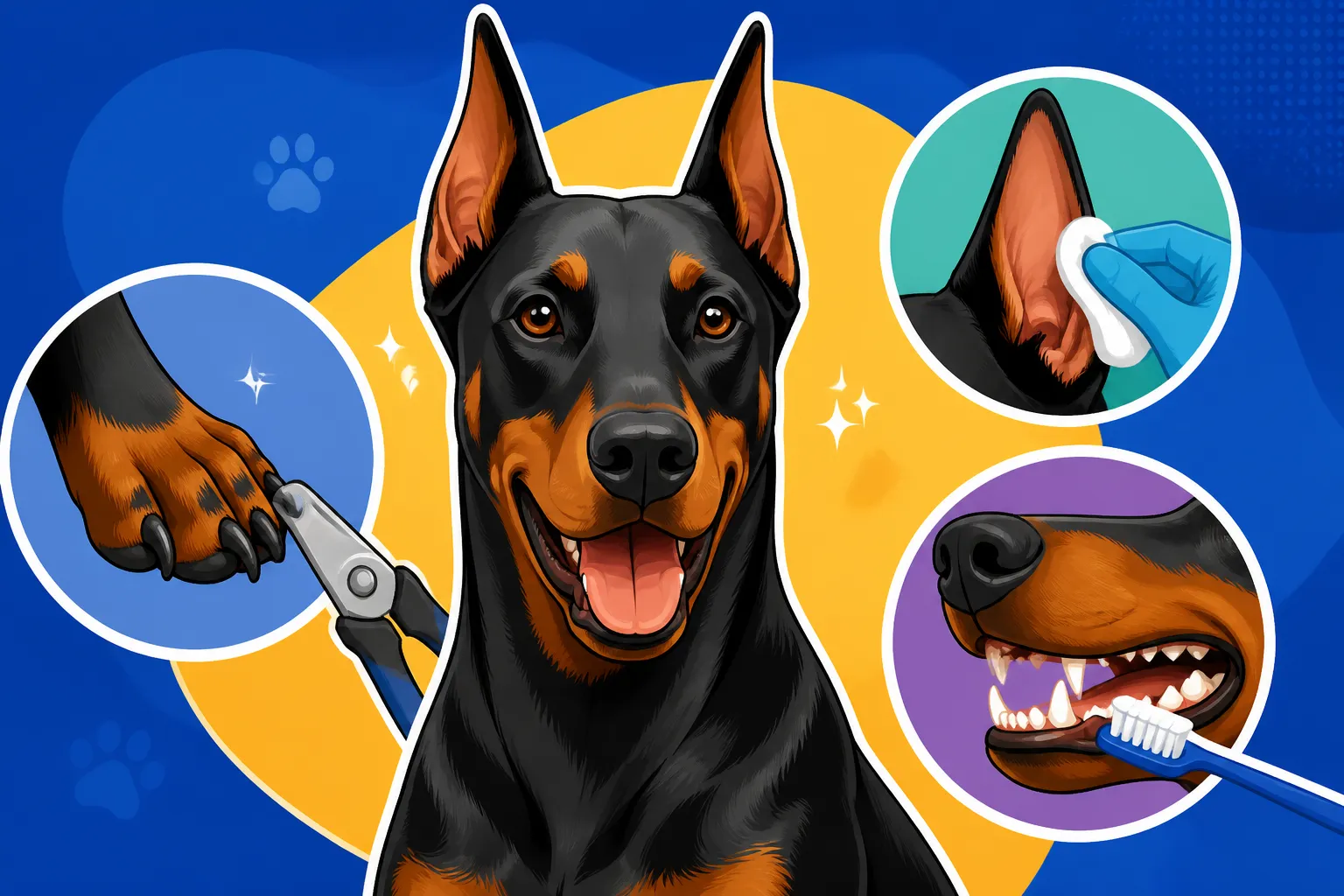
Oh, the glamorous life of a Doberman owner! We often focus on their stunning coats and impressive musculature, but let's be honest, the real nitty-gritty of grooming often comes down to the less visible, and sometimes downright frustrating, aspects: their nails, ears, and teeth. Neglecting these areas isn't just about appearances; it can lead to genuine discomfort, pain, and costly veterinary visits, and nobody wants that for their beloved Doberman. This guide is here to walk you through everything you need to know to keep your Doberman comfortable, healthy, and happy from nose to paw.
Doberman Nails: More Than Just a Pretty Paw
You've got this magnificent Doberman, all sleek and powerful, but then you hear that tell-tale click-click-click on the kitchen floor. Long nails are more than just an annoyance; they're a real health concern that far too many owners struggle with, especially given that many Dobermans have those notoriously dark, opaque nails that hide the quick so well. It’s enough to make anyone nervous about trimming!
The Anatomy of a Doberman's Nail and Quick
Understanding what you're dealing with is the first step in tackling nail care confidently. Each of your Doberman's nails has a sensitive core called the "quick." This quick contains blood vessels and nerves, which is why it bleeds and hurts when cut. The quick grows with the nail; if nails are allowed to get long, the quick extends further, making it harder to trim them back without causing discomfort or a bloody mess. For us Doberman owners, the challenge is often compounded by those dark, black nails. Trying to see a pink quick through a black nail is like trying to find a needle in a haystack—it's incredibly difficult and can make even experienced owners hesitant. This hesitancy, unfortunately, often leads to nails becoming even longer and quicker extending further, creating a vicious cycle.
When the quick is long, your Doberman’s nails are long, period. They hit the ground before the paw pad does, forcing the toes upwards. Imagine walking in shoes that are too small and push your toes back constantly – it's uncomfortable and can lead to structural problems over time. This constant pressure can cause pain, make walking awkward, and even splay the toes out, changing the natural alignment of the paw. Over time, this unnatural posture doesn't just affect the toes; it can put undue stress on the wrist joints, elbows, and even impact their shoulder and spine alignment. A Doberman is built for power and athleticism, and proper paw health is foundational to that.
Why Regular Nail Care Isn't Just Cosmetic
It might seem like a small detail, but consistently long nails can significantly impact your Doberman’s quality of life. Think about it: every step they take, those long nails are pushing up into the nail bed, putting pressure on their joints, and forcing their paws into an unnatural position. This isn't just a temporary discomfort; it can lead to chronic pain, arthritis, and even changes in their gait. When your Doberman walks, their weight should be distributed evenly across their paw pads. If their nails are too long, they act like miniature levers, pushing the toes back and shifting the weight distribution. This can lead to splayed feet, instability, and a higher risk of injuries like sprains or even broken toes if they catch a nail. You might notice your Doberman walking gingerly, or even trying to compensate by changing their stride, which then puts stress on other parts of their body. Long nails can contribute to issues like Whether Long Nails Alter How a Doberman Stands.
Beyond the physical discomfort for your dog, long nails also pose a risk to you and your home. A Doberman, even a well-behaved one, can accidentally scratch you or a guest during play or an excited greeting. Those sharp tips can snag on carpets, scratch hardwood floors, and tear upholstery, causing damage that’s frustrating and avoidable. Preventing these issues starts with a consistent nail care routine. It's about ensuring their foundational comfort and preventing long-term orthopedic problems. It's an investment in their overall well-being, allowing them to move freely, comfortably, and confidently without the hidden pain of overgrown nails.
The Art of Doberman Nail Trimming: Clippers vs. Grinders
When it comes to actually tackling those Doberman claws, you've got choices, and what works for one dog (or owner!) might not work for another. The key is finding a method that you feel confident with and that your Doberman tolerates, or even better, enjoys. Remember, patience and positive reinforcement are your best friends here.
Choosing the Right Tools for the Job
The world of dog nail care offers two primary tools: clippers and grinders. Both have their pros and cons, and it often comes down to your Doberman’s temperament, your comfort level, and the specific characteristics of their nails.
Clippers: These come in two main styles: guillotine and scissor-style.
- Guillotine clippers have a small hole you insert the nail into, and a blade that slices through when you squeeze the handle. They are often good for quick, precise cuts.
- Scissor-style clippers resemble small pruning shears and can offer a bit more control, especially for larger, thicker nails.
- Pros: They are generally faster than grinders, silent (no buzzing), and don't require electricity. They're also often more budget-friendly upfront.
- Cons: There’s a higher risk of cutting the quick, especially with black nails where it’s invisible. If the blades aren't razor-sharp, they can crush the nail rather than cut it cleanly, which is painful for your Doberman.
- Tip: Always make sure your clippers are sharp. Dull blades cause discomfort and can split the nail. You can find a good selection of quality clippers on Amazon or Chewy.
Grinders: These are rotary tools with a sanding drum that files the nail down.
- Pros: Grinders allow you to take off very small amounts of nail at a time, significantly reducing the risk of hitting the quick. They also create a much smoother, rounded edge, which is great for preventing scratches on you or your floors. Many Doberman owners find grinders less intimidating once they get the hang of them, particularly for those dark nails where judgment is difficult.
- Cons: The noise and vibration can be unsettling for some dogs, especially at first. It takes longer to trim all nails, and you need to ensure the Doberman is comfortable with the sensation. Grinders also require charging or batteries.
- Tip: Introduce the grinder slowly, letting your Doberman sniff it, hear it run, and gradually tolerate it touching their paws before you even attempt to grind a nail.
Regardless of your chosen tool, a critical accessory is styptic powder. This clotting agent is a lifesaver if you accidentally nick the quick. Keep it handy, always, even if you’re a seasoned pro. It stops bleeding quickly and minimizes distress for your Doberman.
Step-by-Step Nail Trimming/Grinding
Whether you choose clippers or a grinder, the approach to success is rooted in positive reinforcement, patience, and good technique. Consistency is key, so aim for regular sessions, even if they are short.
Preparation is Paramount: Before you even think about touching a nail, create a calm environment. Choose a quiet spot where your Doberman feels comfortable and won't be easily distracted. Have a generous supply of high-value treats ready – think cheese, cooked chicken, or peanut butter. The goal is to make this a positive experience, not a wrestling match. Gently handle your Doberman’s paws frequently, not just when it’s nail time, so they become accustomed to the sensation.
Using Clippers:
- Position: Have your Doberman lie down or sit in a position where you can easily access their paws. Many find it easiest to work on one paw at a time, taking breaks if needed.
- Identify the Quick (if possible): For light-colored nails, you'll see a pink area. For dark nails, you're going by estimation. Look at the underside of the nail; you'll often see a small, darker circle towards the center, indicating where the quick ends.
- Small Cuts: Take off only a tiny bit of the nail at a time, making successive small cuts until you see a greyish-white center, which means you're close to the quick. It's always better to take off too little than too much. Cut at a slight angle, following the natural curve of the nail.
- Reward: After each nail, or even after a few successful snips, offer a treat and praise your Doberman lavishly. If they show any signs of stress, take a break.
Using a Grinder:
- Introduce Gradually: As mentioned, let your Doberman get used to the sound and vibration first. Just turn it on near them, offer treats, and gradually move it closer to their paw without touching the nail.
- Hold Firmly: Hold your Doberman's paw firmly but gently, making sure their fur isn't caught by the grinder. Isolate the nail you're working on.
- Short Bursts: Touch the grinder to the tip of the nail for only 1-2 seconds at a time. This prevents heat buildup, which can be uncomfortable. Remove, inspect, and repeat.
- Shape: Grind the nail from the bottom up, then the sides, aiming for a rounded edge. The goal is to expose the inner pulp (a greyish dot) without touching the pink quick. Rotating the nail as you go helps achieve a smooth, short finish. Grinding a Doberman Nail You Cannot See Through
- Stop if Necessary: If you accidentally hit the quick – and it happens to the best of us! – apply styptic powder immediately. Don't panic; your calm demeanor will help your Doberman recover faster. The next session, focus on different nails or take a longer break. Knowing how to handle this situation is crucial. Quicking a Black Doberman Nail
Consistency, positive reinforcement, and a patient approach will turn nail care from a dreaded chore into a manageable part of your Doberman's routine. Remember, a quick, positive session is always better than a prolonged, stressful one.
Navigating Doberman Ear Care: Cropped, Natural, and Everything In Between
Dobermans are often recognized by their distinctive cropped ears, standing tall and alert. However, many Dobermans now live with their natural, floppy ears. Each ear type comes with its own set of care requirements and potential challenges. Regardless of how your Doberman's ears look, regular attention is crucial to prevent discomfort and infection.
Understanding Doberman Ear Anatomy
Let's talk about those ears. Whether your Doberman has cropped or natural ears, the internal anatomy is largely the same, featuring a vertical and horizontal ear canal that makes a right-angle turn. This "L-shape" is a common design across many dog breeds and is part of why ear problems can be persistent—it's easy for debris, moisture, and pathogens to get trapped deep inside.
Natural (Floppy) Ears: These ears lie flat against the side of the head, effectively covering the ear canal opening.
- Pros: They are the natural state of the ear, requiring no surgical intervention.
- Cons: The floppy ear flap can reduce air circulation significantly. This creates a warm, moist, dark environment – a perfect breeding ground for yeast and bacteria. Think of it like a humid greenhouse for microbes. This makes natural-eared Dobermans more susceptible to common ear infections. They also tend to accumulate more wax and debris as there's less natural airflow to help dry and clear the canal.
Cropped (Standing) Ears: These ears have undergone a surgical procedure to alter their shape and are then "posted" for an extended period to encourage them to stand erect.
- Pros: Once healed and standing, cropped ears generally allow for much better air circulation. This reduced humidity helps keep the ear canal drier and less inviting for pathogens. Many owners find them easier to keep clean externally due to their open nature.
- Cons: The initial posting phase requires intensive care, including keeping the surgical sites clean and dry. Even after standing, cropped ears can still accumulate wax, dust, and debris. The skin inside the ear, particularly around the edges of the crop, can sometimes be more sensitive or prone to irritation if not cared for properly. They are certainly not immune to infection, but the type of infection might differ.
The fundamental goal for both ear types is to maintain a clean, dry, and healthy ear canal, preventing the buildup of wax, debris, and the conditions that lead to infection.
Routine Cleaning and Maintenance
Establishing a routine for ear cleaning is paramount, but the frequency will vary. A Doberman with natural ears might need weekly or bi-weekly cleaning, especially if they swim or have a history of infections. A cropped Doberman with healthy, open ears might only need cleaning every few weeks, or as needed. The key is observation: are they shaking their head? Are they scratching? Is there visible wax or dirt?
Choosing Your Ear Cleaning Solution:
- Always use a veterinary-approved ear cleaning solution. These are specifically formulated for dogs, balanced for pH, and contain ingredients that help break down wax and dry the ear canal without causing irritation. Avoid homemade remedies or harsh chemicals. Many reputable brands can be found on Chewy or Amazon.
- Never use cotton swabs (Q-tips) deep inside your Doberman’s ear canal. The L-shaped canal means you're more likely to push debris further down and potentially damage the eardrum. Save cotton swabs for cleaning the visible folds of the outer ear only.
Step-by-Step Cleaning Process:
- Gather Supplies: Ear cleaning solution, cotton balls or gauze pads, treats, and a towel.
- Position Your Doberman: Have them sit or lie down comfortably. If they're resistant, recruit a helper to gently hold their head.
- Apply Solution: Gently hold the ear flap up and squirt a generous amount of the cleaning solution into the ear canal until it's visibly full. Don't be shy; you want to flood the canal.
- Massage: Gently massage the base of the ear for 20-30 seconds. You should hear a squishing sound, which means the solution is working its way down and loosening debris.
- Let Them Shake: Stand back and let your Doberman shake their head vigorously. This helps bring all the loosened wax and solution to the surface.
- Wipe Clean: Use cotton balls or gauze pads to gently wipe away any visible solution, wax, and debris from the outer ear flap and the entrance of the ear canal. Cleaning Wax From a Cropped Doberman Ear
- Reward: Praise your Doberman and give them a treat! Make it a positive experience.
Recognizing Normal vs. Abnormal: A healthy Doberman ear should be clean, pale pink, and largely odorless. A small amount of light brown wax is normal. However, if you notice excessive dark brown or black discharge, a foul odor, redness, swelling, or if your Doberman is constantly shaking their head or scratching their ears, it's time to investigate further.
Preventing and Spotting Ear Infections
Ear infections are a common ailment for dogs, and Dobermans, especially those with natural ears, are no exception. Knowing what causes them and how to spot the early warning signs can save your Doberman a lot of discomfort and you a significant vet bill.
Common Causes of Ear Infections:
- Yeast (Malassezia): Often characterized by a dark, waxy discharge and a strong, sweetish or yeasty odor. Yeast thrives in warm, moist environments.
- Bacteria: Can cause a yellow or greenish discharge, often with a more pungent, foul odor.
- Allergies: Many ear infections are secondary to underlying allergies (food or environmental). If your Doberman has recurrent ear infections, an allergy investigation might be necessary.
- Ear Mites: More common in puppies, these tiny parasites cause intense itching and a dark, crumbly discharge resembling coffee grounds.
- Moisture: Water trapped in the ear after swimming or bathing is a prime culprit, creating the perfect damp environment for infections to flourish.
- Foreign Bodies: Grass awns or other small objects can sometimes get lodged in the ear canal, causing irritation and infection.
Signs of an Ear Infection:
It's crucial to be vigilant and look for these common indicators:
- Head shaking: Persistent and often violent head shaking.
- Ear scratching: Your Doberman might paw at their ear or rub it on furniture.
- Redness and swelling: The inside of the ear flap and the ear canal might appear inflamed.
- Discharge: Any color (yellow, green, dark brown/black) and consistency of discharge is abnormal, especially if excessive.
- Odor: A noticeable foul or sweetish smell coming from the ear.
- Pain: Your Doberman might cry out when you touch their ear, or become withdrawn and reluctant to play.
- Crusts or scabs: Around the ear opening.
If you suspect an ear infection, do not try to self-treat with home remedies. It's essential to see your veterinarian promptly. They will examine the ear with an otoscope, collect a sample for cytology (looking under a microscope for yeast, bacteria, or mites), and prescribe the appropriate medication. Untreated ear infections can become chronic, spread deeper into the ear, and even lead to permanent hearing damage.
Specific Challenges for Cropped Ears: While cropped ears generally have better airflow, they are not immune. During the posting phase, it's vital to keep the surgical site meticulously clean and dry to prevent infection in the healing tissue. Even after the ears are standing, irritation from certain tapes or cleaning solutions can cause problems. Sometimes, a poorly healed crop can create small pockets that collect debris, leading to localized issues. Be aware of the signs of Chronic Ear Infections in a Cropped Doberman or Ear Infections in an Uncropped Doberman. Your vigilance in monitoring their ears is the best defense against these painful issues.
Dental Health for Your Doberman: A Gateway to Overall Well-being
When you think about your Doberman’s health, teeth might not be the first thing that comes to mind, but they are incredibly important. That sleek, powerful dog relies on a healthy mouth for everything from eating to playing tug. Overlooking their oral hygiene isn't just about bad breath; it's about safeguarding their entire body.
The Importance of Oral Hygiene in Dobermans
Good dental health in your Doberman goes far beyond just a pretty smile or fresh breath. It’s a foundational pillar of their overall health, directly impacting their quality of life and even their longevity. The silent enemy here is periodontal disease, which affects most dogs by age three. It begins innocently enough with plaque buildup, which hardens into tartar. This tartar then irritates the gums, leading to gingivitis – a reversible inflammation of the gums. But if left unchecked, it progresses to periodontitis, which is much more serious.
Periodontitis involves the infection and inflammation of the structures supporting the teeth: the gums, ligaments, and bone. Once these structures are damaged, it's irreversible. What many owners don't realize is that the bacteria thriving in their Doberman's inflamed mouth don't stay there. They enter the bloodstream through the damaged gum tissue and can travel to major organs like the heart, kidneys, and liver. This chronic systemic inflammation can exacerbate existing conditions or even lead to new ones, significantly impacting your Doberman's health. For a breed already prone to certain health challenges, like heart issues, adding the burden of chronic infection from poor dental health is something we desperately want to avoid.
Think about the pain involved too. Dogs are masters at hiding discomfort. A Doberman might continue to eat, play, and seem happy, all while suffering from painful gum inflammation, toothaches, or even abscesses. They won't tell you their teeth hurt, but reluctance to chew hard toys, a preference for softer foods, or simply being a little less enthusiastic about mealtime can be subtle signs. Over time, severe periodontal disease can lead to tooth loss, jaw bone degradation, and even fractured jaws in severe cases. Preventing this cascade of problems starts with recognizing that dental care is not optional; it's essential for your Doberman's comfort and long-term health.
Daily Care for a Healthy Doberman Mouth
The best defense against dental disease is a consistent offensive strategy at home. Just like with humans, daily oral hygiene can make a world of difference.
Brushing is Best: This is the gold standard for canine dental care.
- Tools: You'll need a dog-specific toothbrush (they come in various sizes, some with multiple heads, or you can use a finger brush for easier application) and dog-specific toothpaste. Never, ever use human toothpaste, as it contains ingredients like xylitol that are toxic to dogs, and fluoride which can cause stomach upset. Dog toothpastes are usually flavored (poultry, beef, peanut butter) to make them more palatable. You can find these easily on Chewy or Amazon.
- Technique: Start slowly. Let your Doberman lick the toothpaste off your finger. Gradually introduce the brush, focusing on the outside surfaces of the teeth, especially the upper molars, which tend to accumulate the most tartar. Lift their lip and gently brush in a circular motion. Aim for at least 30 seconds per side, ideally daily, but even a few times a week is better than nothing. Patience and positive reinforcement with treats are key to making this a positive routine. Getting a Brush Along a Doberman's Long Jaw
Dental Chews and Treats: These can be a helpful adjunct but should never replace brushing.
- Selection: Look for VOHC (Veterinary Oral Health Council) approved products, as these have been scientifically proven to reduce plaque and tartar. Choose dental chews appropriate for your Doberman's size and chewing strength. A chew that's too hard can break teeth, while one too soft won't do much good. Many brands offer dental chews designed to scrape plaque off the tooth surface as your dog chews. You can find a wide range of options on Chewy or Amazon. Dental Chews Sized for a Doberman
- Caution: Monitor your Doberman when they're enjoying a dental chew to ensure they don't break off large pieces or swallow them whole, posing a choking hazard.
Water Additives: These liquids are added to your Doberman’s drinking water and contain ingredients designed to reduce bacteria in the mouth.
- Benefits & Limitations: They can help reduce bacteria and freshen breath, but they are generally less effective at removing existing plaque and tartar than brushing or professional cleaning. They're best used as part of a multi-faceted dental care routine.
Dietary Considerations:
While brushing is king, diet can play a supporting role. Some kibbles are specifically designed with a larger, more abrasive texture to help scrape teeth clean as your Doberman crunches. For fresh food diets, like those from Ollie, while they don't offer the same mechanical abrasion as some kibbles, they can sometimes lead to better overall health which supports a stronger immune system, indirectly benefiting oral health. However, no food alone will prevent dental disease; it always comes back to active cleaning.
Professional Dental Cleanings and What to Expect
Even with the most diligent home care, most Dobermans will eventually need a professional dental cleaning. Think of it like your own trips to the dentist – home care keeps things in check, but a professional cleaning removes what you can't.
Why Anesthesia is Necessary: Unlike humans, dogs won't hold still with their mouths open while someone scales their teeth, probes their gums, and takes X-rays. For a thorough and safe dental cleaning, anesthesia is absolutely essential. This allows the veterinarian to:
- Perform a complete oral exam, including probing under the gum line where disease often hides.
- Take dental X-rays to assess the health of the tooth roots and jawbone, as much of the disease happens below the gum line.
- Scale off plaque and tartar from all tooth surfaces, both above and below the gum line, using ultrasonic scalers.
- Polish the teeth to smooth the enamel, which helps prevent future plaque accumulation.
- Perform extractions of diseased or broken teeth if necessary.
The Procedure: Your Doberman will typically have pre-anesthetic bloodwork done to ensure they are healthy enough for anesthesia, especially crucial for a breed like the Doberman that can have underlying heart conditions. Vaccination and Anesthesia in a Doberman This comprehensive blood panel helps assess organ function and anesthetic risk. During the procedure, your Doberman's vital signs will be closely monitored by a dedicated veterinary technician. They’ll likely receive IV fluids to maintain hydration and blood pressure. Once the cleaning is complete, they will be woken up and monitored closely during recovery.
Understanding the Costs and Benefits: Professional dental cleanings are an investment, and the cost can vary significantly depending on the extent of dental disease, whether extractions are needed, and where you live. However, it's an investment in your Doberman's long-term health and comfort. The benefits far outweigh the costs of neglecting their oral hygiene. A clean mouth reduces chronic pain, freshens breath, and, most importantly, eliminates a source of systemic infection that can compromise vital organs. For a Doberman, catching and treating dental disease early can mean a healthier, more comfortable life, and potentially avoid more severe and expensive medical problems down the line. It's truly a critical part of their preventative healthcare, and for many Dobermans, annual or biennial cleanings are recommended. Whether a Doberman Needs Yearly Scaling
Common Doberman Oral Issues and How to Address Them
Despite our best efforts with daily brushing and professional cleanings, Dobermans can still face specific oral health challenges. Knowing what to look out for and how to respond is key to keeping their mouths healthy and pain-free.
Dealing with Tartar and Gum Disease
Tartar buildup is the nemesis of canine dental health. It all starts when food particles, saliva, and bacteria mix to form a sticky film called plaque. If plaque isn't brushed away within a day or two, it mineralizes and hardens into tartar (or calculus). Once tartar forms, you cannot brush it away; it requires professional scaling.
How Tartar Leads to Disease:
- Gingivitis: Tartar, with its rough surface, provides an ideal environment for more bacteria to adhere. This bacterial accumulation irritates the gums, causing them to become red, swollen, and prone to bleeding. This is gingivitis, the earliest stage of periodontal disease. At this point, it's reversible with good home care and professional cleaning.
- Periodontitis: If gingivitis is ignored, the infection and inflammation spread below the gum line, destroying the tissues that support the teeth. Pockets form between the gums and teeth, collecting more bacteria and debris, leading to bone loss around the tooth roots. This stage is irreversible and causes significant pain, infection, and eventually tooth mobility and loss. Tartar on an Older Doberman's Molars
Recognizing the Stages:
- Early: Bad breath (halitosis), slightly red gums, minor plaque/tartar buildup.
- Moderate: More significant bad breath, bleeding gums, visible tartar, gum recession, possible pain when eating.
- Severe: Extreme bad breath, loose teeth, pus, severe gum recession, pain, reluctance to eat, facial swelling (from abscesses).
The Role of Home Care: Regular brushing is your primary tool for preventing plaque from hardening into tartar. While it can't remove existing tartar, it significantly slows down its formation. Consistent brushing means fewer professional cleanings, or at least less severe disease when cleanings are needed.
When Extractions Become Unavoidable: In cases of severe periodontitis, where teeth are very loose, infected, or there's significant bone loss, extractions become a necessary intervention. It might sound drastic, but removing a painful, infected tooth is often the kindest thing you can do for your Doberman. They adapt surprisingly well to eating with fewer teeth, and the relief from chronic pain dramatically improves their quality of life. The goal is always to preserve teeth where possible, but never at the expense of your dog's comfort and overall health.
Broken Teeth and Other Oral Injuries
Dobermans, with their strong jaws and love for chewing, are susceptible to broken teeth or other oral injuries. These can be incredibly painful and, if left untreated, can lead to infection and further complications.
Common Causes:
- Inappropriate Chewing: The most frequent culprit is chewing on items that are too hard. This includes real bones (cooked or raw), antlers, hooves, nylon bones that don't give at all, ice cubes, and rocks. While these might seem like natural chew items, they pose a significant risk of fracturing teeth.
- Trauma: Accidents, falls, or impacts can also lead to chipped or broken teeth.
- Tooth Decay: Though less common than in humans, severe decay can weaken a tooth, making it more prone to fracture.
Signs of a Broken Tooth:
- Pain: Your Doberman might suddenly become reluctant to chew hard food or toys. They might drop food from their mouth or chew only on one side.
- Drooling: Excessive drooling, sometimes mixed with blood.
- Swelling: Facial swelling, particularly under the eye, can indicate an abscessed tooth root.
- Bad Breath: A sudden onset of really foul breath might signal an infection around a broken tooth.
- Behavioral Changes: Lethargy, irritability, or reluctance to be touched around the face.
- Visual Cues: You might directly see a chipped or broken tooth, sometimes with a dark spot in the center (exposed pulp cavity).
Importance of Veterinary Assessment and Treatment: If you suspect a broken tooth, a veterinary visit is urgent. A broken tooth, especially one with an exposed pulp cavity, is incredibly painful and a direct pathway for bacteria into the jawbone and bloodstream.
- Assessment: Your vet will examine the tooth and likely take dental X-rays to assess the extent of the damage and determine if the pulp is exposed or if there's an abscess.
- Treatment Options: Depending on the severity, treatment might involve:
- Extraction: Removing the damaged tooth. This is often the most straightforward and cost-effective solution, especially for molars.
- Root Canal Therapy: For valuable teeth (like canines or large chewing teeth), a veterinary dentist might perform a root canal to save the tooth. This is similar to human root canals, involving removing the infected pulp and filling the canal.
- Vital Pulpotomy: If a fracture is very recent and only the tip of the pulp is exposed, a pulpotomy can save the tooth, especially in younger dogs.
Preventative Measures: The best way to avoid broken teeth is to be mindful of what your Doberman chews. Stick to chew toys that have some give, cannot be swallowed whole, and are specifically designed for strong chewers. If you can’t indent it with your thumbnail, it’s probably too hard for your Doberman’s teeth. Soft dental chews, rubber toys, or puzzle feeders are much safer alternatives.
A Holistic Approach to Doberman Grooming and Health
Caring for your Doberman's nails, ears, and teeth isn't just a series of isolated tasks; it's an integral part of their overall health and well-being. By viewing these practices holistically, we can ensure our Dobermans are not only comfortable but also thrive.
Integrating Grooming into Your Doberman's Routine
Grooming, particularly for sensitive areas like nails, ears, and teeth, should never feel like a punishment or an emergency. Instead, it should be a regular, positive interaction that strengthens your bond with your Doberman.
Making Grooming a Positive Experience from Puppyhood: The earlier you start, the better. Even before their ears are cropped or their permanent teeth come in, begin handling your Doberman puppy's paws, gently opening their mouth, and looking into their ears. Pair these experiences with high-value treats and praise.
- Puppy Massages: Gently rub their paws, play with their toes, and lift their ear flaps. This builds a foundation of trust and helps them associate handling with positive sensations.
- Fake Brushing/Trimming: Even if you're not actually cutting a nail or brushing a tooth, go through the motions. Touch the clippers to their nail, or the toothbrush to their gums, and immediately follow with a treat. This desensitization is crucial. Doberman Puppies and Their First Heart Check might be a good time to introduce some gentle handling as well.
Consistency is Key: Short, Frequent Sessions: Instead of one long, stressful grooming marathon once a month, aim for short, frequent sessions.
- Daily Check-ins: A quick daily check of their ears (smell, redness), a peek at their teeth, and a feel of their nails can take less than a minute. This makes it part of your normal routine and allows you to catch minor issues before they escalate.
- Targeted Sessions: Dedicate 5-10 minutes a few times a week to actual brushing, or a quick nail grind of just a few nails at a time. Breaking it down makes it less daunting for both of you.
Bonding Opportunities Through Grooming: Grooming isn't just about hygiene; it's a chance to connect with your Doberman. The physical touch, the calm interaction, and the positive reinforcement build trust and deepen your relationship. Many Dobermans, being the "Velcro dogs" they are, actually enjoy the attention once they realize grooming isn't scary. If you start young and keep it positive, grooming can become another cherished ritual between you and your loyal companion.
Recognizing When Something Isn't Right
Our Dobermans are stoic creatures, often hiding discomfort until a problem is advanced. As their primary caregiver, you are their first line of defense. Learning to spot subtle cues that something is amiss with their nails, ears, or teeth is an invaluable skill.
Subtle Signs of Discomfort or Pain:
- Nails: Beyond the obvious clicking, watch for a change in gait, a reluctance to walk on hard surfaces, excessive licking of paws, or even lameness that seems to shift between paws. They might seem generally "off" or less energetic, especially during The Doberman Years When Everything Shows Up.
- Ears: Frequent head shaking, scratching behind the ear with a back leg, rubbing their head on furniture, a change in how they hold their head (tilted to one side), or an aversion to having their head touched can all signal an ear issue. Remember, an odor or discharge is a definite red flag.
- Teeth: Bad breath is often the first, most easily noticeable sign, but don't stop there. Look for drooling (especially if bloody), reluctance to eat hard food or chew toys, swallowing food whole without much chewing, pawing at the mouth, or swelling on the face. If your Doberman normally loves to play tug but suddenly avoids it, their mouth could be the reason.
Importance of Regular Checks: This goes hand-in-hand with integrating grooming into your routine. During your daily cuddles or after a walk, take a moment to:
- Visually inspect: Quickly look inside their ears, check their teeth for visible tartar or broken spots, and glance at their nail length.
- Tactile check: Gently run your hands over their ears, feel for swelling around their jaw, and lightly squeeze their paws. Pay attention to any flinching, growling, or pulling away – these are clear signals that a particular area might be painful or sensitive.
Knowing Your Dog's "Normal": Every Doberman is an individual. What’s normal for one might be unusual for another. Knowing your specific Doberman's typical ear wax color, the usual smell of their breath, or how long their nails usually are when they walk comfortably, empowers you to quickly identify deviations. If something doesn't look, feel, or smell quite right, or if there's a change in their behavior that you can't otherwise explain, it's always best to err on the side of caution. An early veterinary visit can often prevent a minor irritation from escalating into a serious, painful, and expensive problem. Don't hesitate to reach out to your vet if you have any concerns. They are your partner in keeping your Doberman healthy and comfortable.
When to Seek Professional Help: Red Flags in Doberman Nail, Ear, and Tooth Care
While consistent home care is crucial, there are times when a trip to the vet isn't just recommended, it's absolutely necessary. Recognizing these red flags promptly can make a significant difference in your Doberman's comfort and long-term health.
Persistent Problems with Nails
Sometimes, despite your best efforts, you might find yourself in a perpetual battle with your Doberman's nails. This isn't just about length; it can be about deeper issues.
When to Call the Vet for Nail Issues:
- Recurrent Bleeding: If you frequently quick your Doberman, even with careful trimming or grinding, it suggests the quicks are extremely long, or your technique might need adjustment. A vet can provide a professional trim, sometimes even under light sedation if the Doberman is highly anxious, to get the nails back to a manageable length and start shortening the quick over time.
- Cracked or Split Nails: A nail that is cracked, split, or torn, especially if it extends into the quick, is painful and can easily become infected. This needs immediate veterinary attention to trim, clean, and potentially bandage or even remove the damaged portion.
- Ingrown Nails: If a nail has grown so long it curls back into the paw pad, it's causing immense pain and is a breeding ground for infection. Do not attempt to fix this at home; it requires professional intervention, often with pain relief and antibiotics.
- Persistent Licking/Lameness: If your Doberman continuously licks their paws, favors a paw, or shows lameness, and you've ruled out an obvious injury, it could be a subtle nail issue, an ingrown hair, or even a foreign body like a foxtail between the toes. This deserves a vet check to pinpoint the cause. A Doberman That Walks With Its Head Down could be a sign of many issues, but paw pain can contribute.
Your vet can not only provide expert nail care but also help you develop a home maintenance plan, recommend specific tools, or even refer you to a professional groomer experienced with Dobermans who can handle difficult nails.
Unresponsive Ear Problems
Ear problems can be frustratingly recurrent. If you’ve cleaned your Doberman’s ears and they still show signs of discomfort, or if a previous infection keeps coming back, it's a clear signal for veterinary re-evaluation.
When to Seek Vet Help for Ears:
- Any Signs of Infection: As discussed, redness, swelling, foul odor, excessive discharge (any color), constant head shaking, or scratching should trigger a vet visit. Do not wait for it to "get better on its own."
- Failure of Treatment: If your Doberman was prescribed ear medication and the symptoms haven't improved or have worsened after a few days, contact your vet. The initial diagnosis might need adjustment, or the specific pathogen might be resistant to the medication.
- Recurrent Infections: If your Doberman seems to get ear infections frequently, it's crucial to investigate the underlying cause. This could be allergies (food or environmental), anatomical issues, hormonal imbalances, or even polyps or tumors within the ear canal. Your vet might recommend allergy testing, special diets, or referral to a veterinary dermatologist. Chronic Ear Infections in a Cropped Doberman highlight these persistent challenges.
- Pain or Aggression During Handling: If your Doberman becomes aggressive or cries out in pain when their ears are touched, it's a sign of significant discomfort and needs professional assessment.
Prompt attention to ear issues can prevent chronic pain, irreversible damage to the ear canal, and even hearing loss.
Dental Health Concerns Beyond Bad Breath
Bad breath is a common indicator, but it’s often just the tip of the iceberg. Any signs of oral discomfort or visible damage require veterinary attention to prevent progression and alleviate pain.
When to Visit the Vet for Dental Issues:
- Persistent Bad Breath: While some "dog breath" is normal, truly foul, strong, or worsening breath is a sign of infection or significant plaque and tartar buildup.
- Visible Tartar and Red Gums: If you can see thick, brown, or yellow tartar on the teeth, and the gums are red, swollen, or bleeding when touched, your Doberman likely has gingivitis or periodontitis. This warrants a professional cleaning. Tartar on an Older Doberman's Molars
- Broken, Chipped, or Loose Teeth: Any visible damage to a tooth, or if a tooth feels loose, is a painful problem that needs immediate veterinary assessment and treatment (extraction or root canal).
- Eating Difficulties: Reluctance to eat, dropping food, chewing on one side, or avoiding hard treats are all strong indicators of oral pain.
- Swelling or Lumps: Any swelling on the face, jaw, or under the eye could indicate a tooth root abscess or other oral mass that requires urgent veterinary care.
- Excessive Drooling: Especially if it's new, accompanied by blood, or has a foul odor.
Remember, dental disease isn't just a cosmetic problem; it's a source of chronic pain and systemic infection. Early intervention with professional dental cleanings and necessary extractions can vastly improve your Doberman's health and comfort, saving them from suffering in silence. Sedating a Doberman for a Dental and What It Costs might seem like a lot, but the cost of not doing it can be far greater in terms of pain and more complex medical issues down the line.
Disclaimer
This article is for general informational purposes only and does not constitute professional advice. Laws, prices and regulations vary by location and change over time. Consult a qualified professional for guidance on your specific situation.