Treats That Fit a Doberman’s Daily Ration
It’s easy to feel like you’re walking a tightrope when it comes to giving your Doberman treats. You want to reward them, reinforce good behavior, and simply show them some love, but there’s always that nagging worry: are these treats adding too many extra calories? Are they throwing off their carefully balanced diet? This guide is here to help you understand how to pick treats that fit perfectly into your Doberman's daily intake without derailing their health or physique.
Understanding Your Doberman's Daily Calorie Needs
When you have a Doberman, maintaining a lean, athletic build isn't just about aesthetics; it's crucial for their long-term health. These dogs are prone to certain health issues, and extra weight can exacerbate problems like joint issues or put unnecessary strain on their heart. Getting a handle on their daily calorie requirements is the first step in ensuring treats are a beneficial addition, not a hidden problem.
Why Calorie Awareness is Crucial for Dobermans
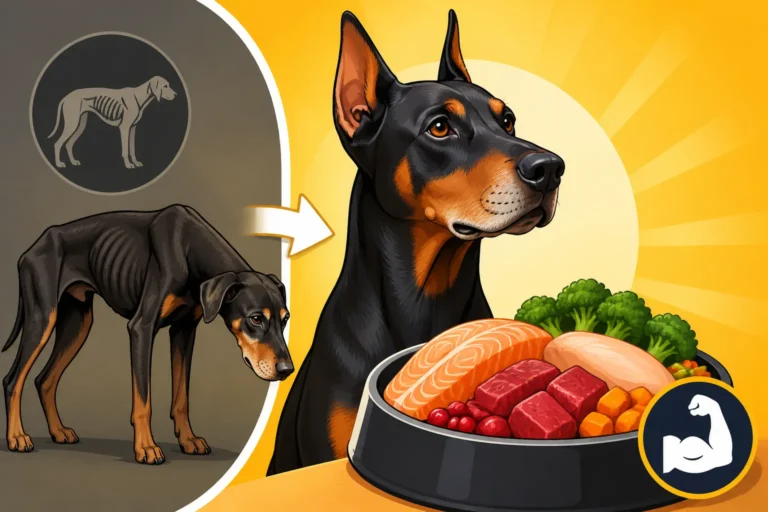
Dobermans, with their sleek and muscular frames, are not meant to carry excess weight. Unlike some breeds where a little extra padding might go unnoticed, every pound shows on a Doberman, and it can have a real impact. Carrying too much weight can stress their joints, which are already working hard to support their tall, powerful bodies. More significantly for Dobermans, extra weight can put a greater burden on their cardiovascular system, a system already potentially vulnerable to conditions like The Heart Disease That Reaches Most Dobermans. As they age, or once they're spayed or neutered, their metabolism can shift, making them more susceptible to weight gain. This isn't just about fitting into their favorite sweater; it's about safeguarding their mobility, comfort, and overall longevity. Ignoring the calorie content of treats can slowly but surely creep up on you, turning a lean Doberman into one that's struggling with an unhealthy weight.
Calculating a Baseline for Your Doberman
Determining your Doberman's exact daily calorie needs isn't a one-size-fits-all equation. It depends heavily on several factors: their age, their activity level, whether they've been spayed or neutered, and even their individual metabolism. A young, intact Doberman puppy that's constantly on the go, learning, and growing will have vastly different energy requirements than an older, neutered companion who enjoys leisurely strolls. The best resource for getting an accurate baseline for your Doberman is always your veterinarian. They can assess your dog's current weight, body condition score, and lifestyle to give you a precise caloric target. Don't be shy about asking for this specific information during your annual check-up or if you notice any changes in their weight. This baseline will be your guiding star for how much food, and importantly, how many treats, you can offer. This also ties into how their nutritional needs change over time, perhaps leading to questions like Feeding and Grooming a Doberman Past Eight.
The 10% Rule for Treats
Once you have a good understanding of your Doberman's total daily caloric needs, the "10% rule" becomes your best friend. This guideline suggests that treats should make up no more than 10% of your dog's total daily caloric intake. For instance, if your vet says your Doberman needs 2,000 calories a day to maintain their ideal weight, then a maximum of 200 calories should come from treats. This rule is invaluable because it allows you to be generous with praise and rewards without inadvertently overfeeding. It requires a little bit of math – you'll need to know the calorie content of the treats you're offering – but it gives you immense control. Sticking to this simple rule helps prevent the sneaky calorie creep that can lead to weight gain and ensures their main meals, which are formulated to be nutritionally complete, remain the foundation of their diet. Without this boundary, it’s easy for "just one more treat" to accumulate, especially with a Doberman's clever ways of soliciting snacks!
Choosing the Right Treats for Your Doberman
Navigating the world of dog treats can feel overwhelming. From crunchy biscuits to soft chews, and everything in between, how do you know what’s best for your Doberman? The key is to prioritize nutritional value, calorie control, and suitability for their specific needs, whether that's for training or just a loving reward.
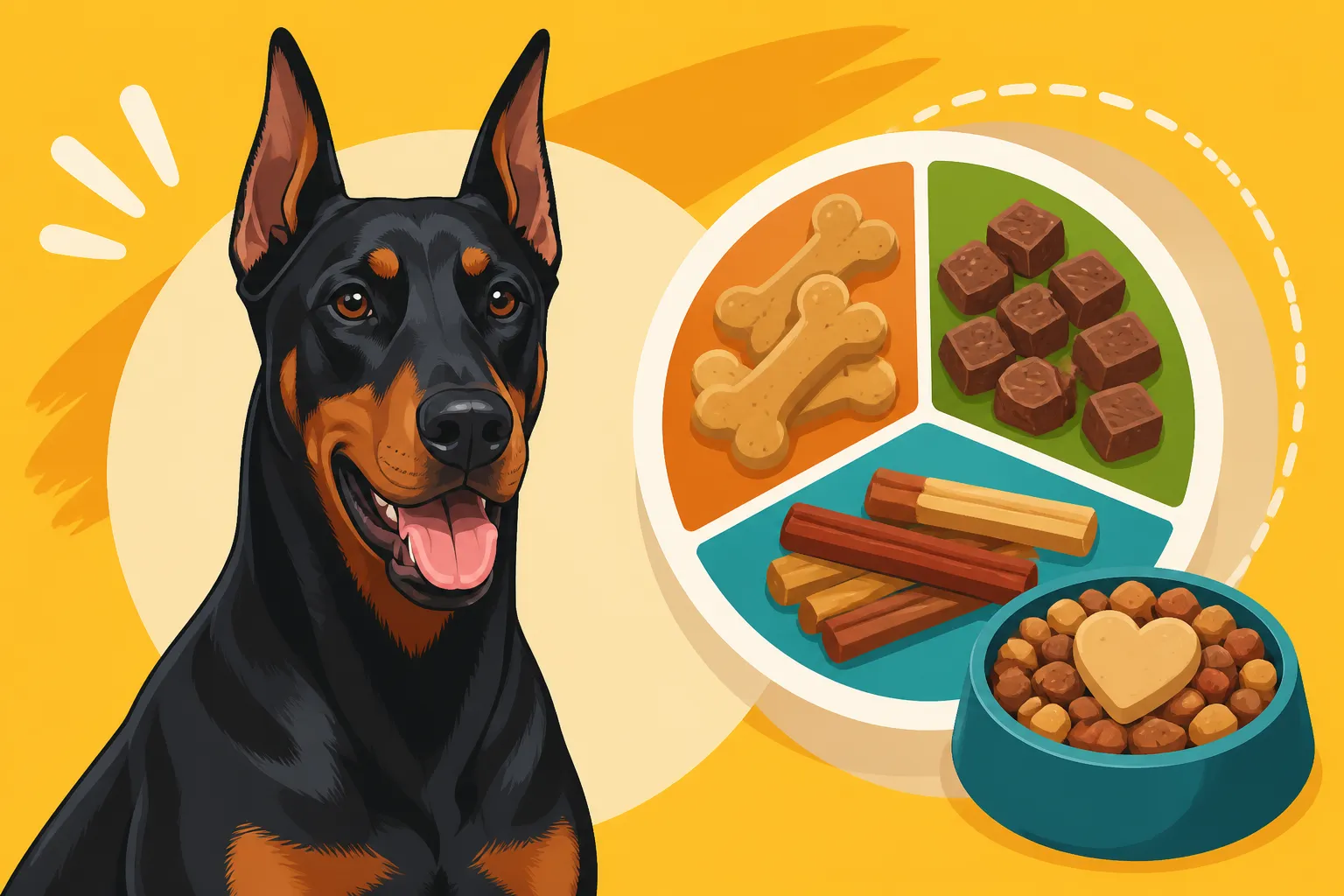
Low-Calorie, High-Value Options
One of the smartest ways to incorporate treats into your Doberman's diet without adding excessive calories is to lean on low-calorie, high-value human foods. Many Dobermans go absolutely wild for certain vegetables and fruits, and these can be fantastic, healthy alternatives to processed treats. Think about small pieces of carrots, green beans, or even apple slices (without seeds, of course!). These offer fiber and vitamins while being significantly lower in calories than most commercial dog biscuits. Cooked lean meats, like plain chicken breast or a bit of turkey, can also be incredibly high-value rewards, especially for training, and you have full control over the ingredients. Just make sure they are plain, unseasoned, and cut into tiny, Doberman-appropriate pieces. Remember to introduce new foods slowly to avoid any upset stomachs. These kinds of natural, simple treats are not only healthier but often more exciting for your dog because they're different from their everyday kibble. For instance, a small cube of cooked chicken can be far more motivating than a dry biscuit for a Doberman in training, especially when they need to focus, as discussed in Rewards a Doberman Will Work For.
Commercial Treats: What to Look For
If you opt for commercial treats – and let's face it, they're incredibly convenient – it's vital to become a label-reading pro. Not all dog treats are created equal. You want to look for treats with clear, wholesome ingredients. Avoid anything with a long list of unidentifiable fillers, artificial colors, or excessive sugars. Prioritize treats where the first ingredient is a recognizable protein source, like chicken, beef, or salmon. More importantly, check the calorie count per treat. Some treats can be surprisingly calorie-dense, and what looks like a small reward can quickly eat into your Doberman's 10% treat allowance. Brands often offer different lines of treats, including specific "training treats" that are designed to be small and low-calorie for frequent use. Don't be afraid to compare brands and products; online retailers like Chewy and Amazon offer a vast selection, making it easy to read reviews and nutritional information before you buy. Remember, a Doberman's deep, narrow chest makes them susceptible to conditions like bloat, so avoiding overly large or rapidly expanding treats can be wise.
Treats for Training and Enrichment
For a Doberman, who is incredibly intelligent and thrives on mental stimulation, treats are indispensable tools for training and enrichment. For regular training sessions, especially when you're doing many repetitions, very small, easily digestible treats are paramount. Think pea-sized pieces that your Doberman can swallow quickly without breaking their focus. This prevents them from getting full too quickly or losing interest. These quick rewards are perfect for shaping behavior and keeping their keen mind engaged, as explored in Five-Minute Sessions With a Young Doberman.
Beyond basic obedience, treats can also be fantastic for enrichment. Stuffing a Kong or other puzzle toy with a mix of kibble, a little peanut butter (xylitol-free!), and some small, soft treats can keep your Doberman happily occupied for an extended period. This provides a mental workout, prevents boredom, and can even help with A Doberman That Cannot Cope When You Go Out. For this, you might consider slightly larger, more durable chews or even a spreadable treat that takes longer to lick out. Brands like Ollie offer fresh, wholesome options that can be diced up into perfect training sizes or used as high-value stuffers for enrichment toys, giving you control over the freshness and ingredients.
Incorporating Treats Without Unbalancing the Diet
The goal is to integrate treats seamlessly into your Doberman's routine so they feel loved and rewarded, but their overall nutritional balance remains pristine. It takes a conscious effort, but it’s absolutely achievable with a little planning.
Adjusting Meal Portions
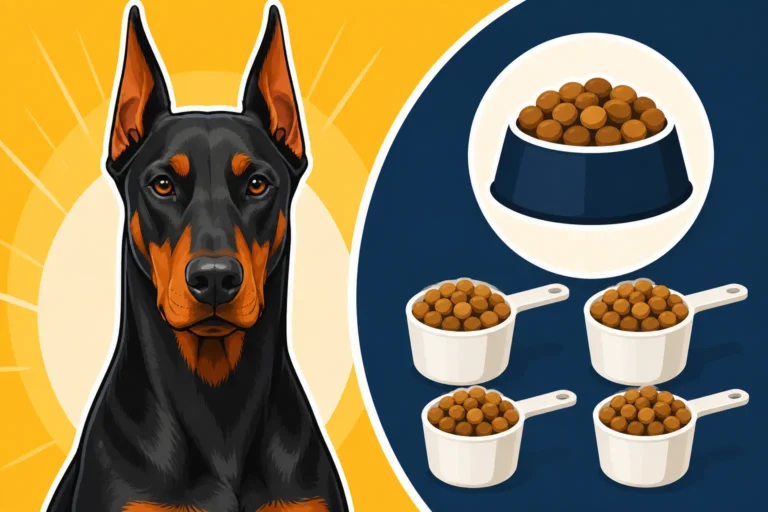
This is perhaps the most critical step in ensuring treats don't lead to weight gain. If you're giving your Doberman treats, you absolutely must reduce the amount of their regular food accordingly. Think of it like a budget: if more money goes out for "extras," less is available for the "essentials." For example, if you've given 100 calories worth of treats, subtract 100 calories from their next meal. This requires a bit of consistency and awareness, but it's the only way to maintain their ideal weight and prevent nutrient imbalances. Many Doberman owners weigh their dog's daily ration, which makes it much easier to make these small adjustments. It’s a habit that pays off in their long-term health and helps maintain that lean, athletic physique they're known for. Failing to adjust meal portions is a common pitfall that can lead to subtle but steady weight gain, potentially impacting their health as discussed in The Thyroid Numbers That Slow a Doberman Down.
Homemade vs. Store-Bought Treats
Both homemade and store-bought treats have their place in a Doberman’s life, and understanding the pros and cons helps you make informed choices.
Homemade Treats:
- Pros: Complete control over ingredients. You can ensure they're free from allergens, artificial additives, and unnecessary sugars. It’s also easier to control the calorie count if you’re meticulous with your recipe. You can tailor them specifically to your Doberman's preferences or dietary needs, perhaps using specific ingredients if they have sensitivities or conditions like Copper Liver Disease in Doberman Females.
- Cons: Time-consuming to prepare. Requires knowledge of dog-safe ingredients and proper storage to prevent spoilage. It's also easy to accidentally make them too rich or high in calories if not careful.
Store-Bought Treats:
- Pros: Convenience is king. They're readily available and often come in specific sizes and formulations for training or dental health. Brands like those found on Chewy or Amazon often provide calorie information directly on the packaging, which simplifies tracking.
- Cons: Can be higher in calories, fillers, and less desirable ingredients. It requires careful label reading, and some contain ingredients that might not agree with every Doberman.
Ultimately, a balanced approach often works best, incorporating both homemade and high-quality commercial options as appropriate for your lifestyle and your Doberman's needs. Fresh food delivery services like Ollie can even bridge this gap, offering human-grade, pre-portioned meals and treats that provide the best of both worlds – quality ingredients with convenience.
Creative Ways to Use Treats
Treats don't always have to be about handing over a piece of food. You can get really creative with how you use them to maximize their impact and extend their value.
- Positive Reinforcement: This is the most obvious use, but it bears repeating: treats are powerful motivators. Use them generously when teaching new commands, reinforcing polite greetings, or encouraging calm behavior. A tiny, high-value treat delivered immediately after the desired action makes the biggest impact. This is key to Training a Doberman That Is Smarter Than You Expect.
- Enrichment Toys: As mentioned, puzzle toys and slow feeders are fantastic for mental stimulation. Stuffing a treat-dispensing toy with a portion of your Doberman's daily kibble, mixed with a smear of dog-safe peanut butter or a few freeze-dried treats, turns mealtime into a fun challenge. This slows down eating and provides a constructive outlet for their energy.
- Special Indulgences: Sometimes, a treat is just a treat – a small gesture of love. This could be a tiny piece of cheese while you're watching a movie, or a lick of plain yogurt on a hot day. These should be truly occasional and accounted for in their daily calorie intake.
- Desensitization and Counter-Conditioning: Treats are invaluable for helping your Doberman form positive associations with potentially scary or unpleasant experiences, like vet visits or meeting new people. A steady stream of tiny, tasty treats can turn a potentially stressful situation into a tolerable, or even enjoyable, one.
| Treat Type | Calorie Density (Avg) | Usage & Suitability | Notes |
|---|---|---|---|
| Raw Vegetables (e.g., carrots, green beans) | Very Low | Daily snacks, high-volume rewards for non-training | Excellent for weight management, high fiber. Always check for dog-safe options. |
| Cooked Lean Meats (e.g., chicken, turkey) | Moderate | High-value training rewards, special occasion treats | Highly motivating. Must be plain, unseasoned, and cut into tiny pieces. |
| Commercial Training Treats | Low to Moderate | Frequent rewards during training, puzzle toys | Designed for repetition. Check calorie count per treat carefully. |
| Crunchy Biscuits/Cookies | Moderate to High | Occasional rewards, larger treats | Can be high in calories. Best for less frequent rewards. |
| Dental Chews | Moderate | Dental health support, longer-lasting chew | Can add significant calories. Account for these in daily intake. |
| Freeze-Dried Liver/Meat | High | Extremely high-value rewards, specific training challenges | Very palatable, but calorie-dense. Use sparingly and in tiny pieces. |
Choosing treats that fit a Doberman's daily ration is a continuous process of observation and adjustment. Your Doberman's needs will change over time, and staying mindful of their activity levels, weight, and any health concerns will help you keep them happy, healthy, and perfectly balanced.
Disclaimer
This article is for general informational purposes only and does not constitute professional advice. Laws, prices and regulations vary by location and change over time. Consult a qualified professional for guidance on your specific situation.