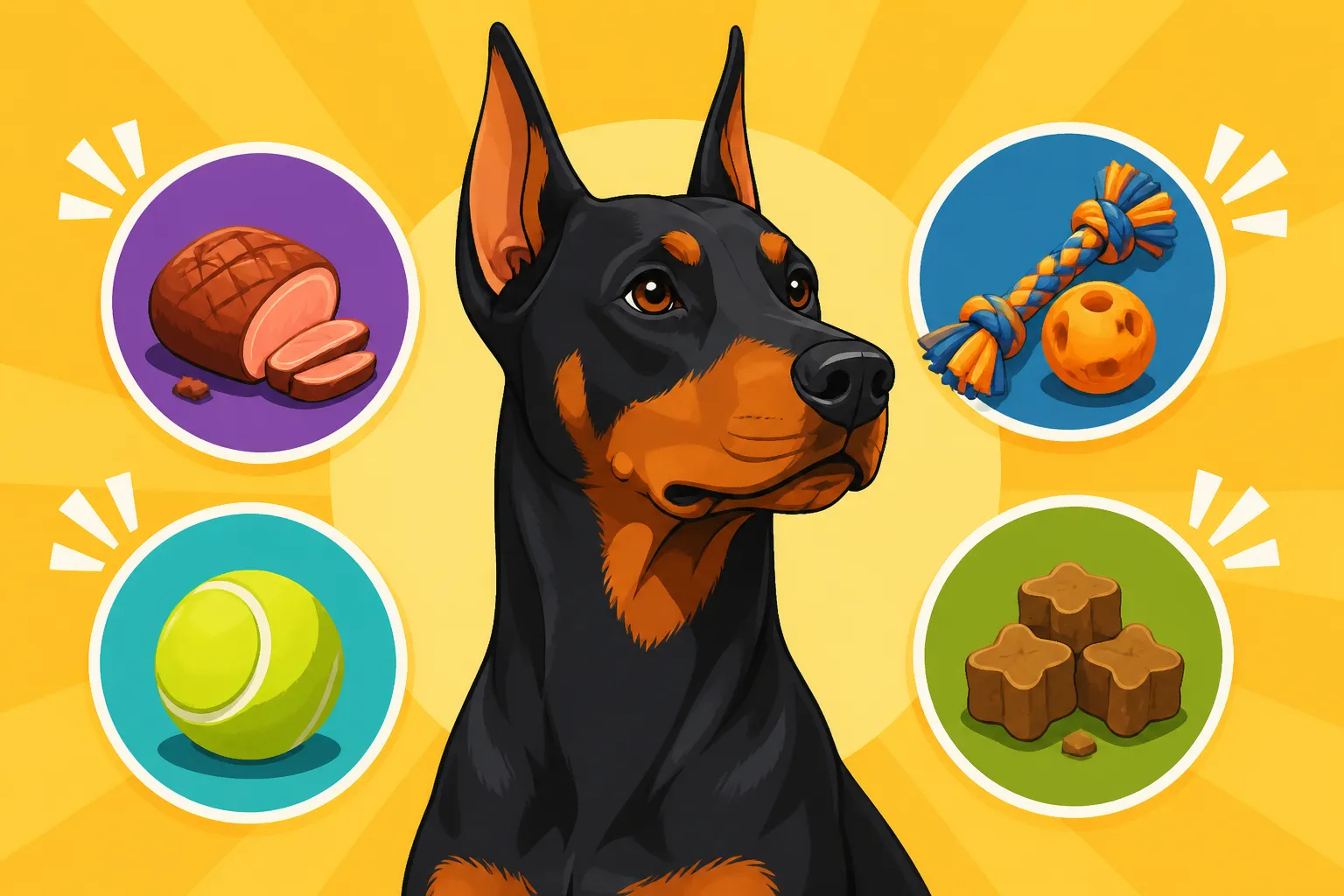
Rewards a Doberman Will Work For
One of the biggest frustrations Doberman owners face is trying to motivate their incredibly intelligent yet often stubborn companions during training. It’s easy to feel like your Dobe just isn’t interested, or that the usual "good dog" and a dry biscuit aren’t cutting it. This comprehensive guide will dive deep into understanding what truly makes a Doberman tick, exploring the spectrum of rewards that capture their attention and drive their desire to learn, helping you unlock their full potential in training.
Understanding Doberman Motivation
Dobermans are a breed apart when it comes to intellect and drive. They aren't your average "pleasure to please" dog that's content with just a pat on the head. To effectively train a Doberman, you first have to understand the powerful internal motors that make them go. If you're finding your Dobe seems bored or unwilling to engage, it's not a sign of disobedience as much as it is a signal that you haven't yet tapped into what truly motivates them.
The Doberman Drive: Prey, Play, and Purpose
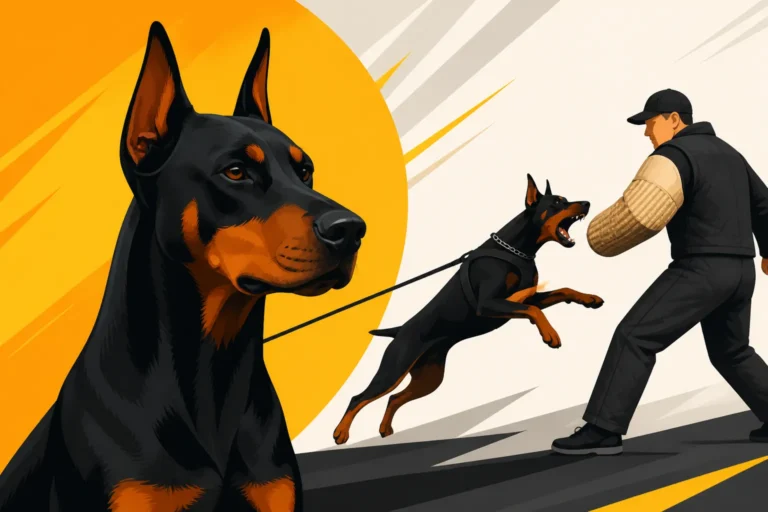
Dobermans were originally bred for protection, for working alongside their human companions, and for having a keen sense of purpose. This genetic blueprint means they often possess strong prey drives and an intense desire for engaging, challenging activities. They thrive on having a job to do, and that "job" can manifest in many ways during training. It might be chasing a thrown toy, engaging in a vigorous tug-of-war, or solving a complex scent puzzle. Simply put, they want to do something that feels meaningful to them, not just stand there. Ignoring these inherent drives during training is like trying to fuel a high-performance sports car with regular unleaded – it might run, but it certainly won't perform at its peak.
Many owners find that Dobermans are far Training a Doberman That Is Smarter Than You Expect, which means their boredom threshold is often lower than other breeds. This intelligence requires a training approach that continually offers novelty and challenge, alongside rewards that genuinely resonate with their instinctual needs.
Why Generic Treats Often Fall Flat
If you've ever offered your Doberman a run-of-the-mill, crumbly dog biscuit only to have them sniff it dismissively and wander off, you know exactly what I'm talking about. For many Dobermans, especially in environments with even a hint of distraction, generic, low-value treats simply don't hold enough appeal to compete with the fascinating smells, sights, and sounds around them. Their discerning palate and high expectations mean that a treat needs to be truly enticing to capture their focus. It's not about being picky; it's about their perception of value. Why work hard for something bland when there's an entire world of exciting sensory input just waiting to be explored?
Think of it this way: would you put in maximum effort for a task if the reward was barely appealing? Probably not. Your Doberman feels the same way. If you want high-level performance, you need to offer high-level rewards. This is especially true when working on difficult behaviors or in distracting environments.
Individual Preferences: Getting to Know Your Dog
Just like people, every Doberman is an individual with their own unique preferences. While some might be absolute foodies, willing to do anything for a piece of cheese, others might be entirely toy-motivated, driven by the thrill of a good tug session. There are also those who cherish praise and physical connection above all else, seeing your approval as the ultimate payoff. The key to successful training lies in becoming a detective, observing your Doberman closely to understand what they value most at any given moment.
This isn't a one-and-done assessment, either. Your Doberman's preferences can shift based on their age, mood, the training environment, and even how well they know the task. A young puppy might be thrilled with a squeaky toy, while an older, more seasoned Dobe might prefer a sniff walk or a quiet cuddle after a tough training session. This is an ongoing process of discovery, requiring you to be adaptable and observant.
High-Value Food Rewards
When it comes to training a Doberman, food is often your most powerful tool, but not all food is created equal. Understanding the hierarchy of food rewards and how to use them strategically is crucial, especially given that many Dobermans are highly intelligent and can easily get bored if the reward isn't exciting enough.
The Power of Palatability: From Kibble to Курица (Chicken)
The palatability of a food reward refers to how delicious and desirable it is to your dog. For a Doberman, this can range from their daily kibble (low value, generally only good for very easy, low-distraction environments) to something incredibly exciting like cooked chicken, cheese, or even liverwurst (super high value). The trick is to match the reward value to the difficulty of the task and the level of distraction in the environment. Asking your Doberman to stay perfectly still while a squirrel runs by requires a much higher-value reward than asking them to sit in your quiet living room.
Think about variety too. Even the highest-value treat can lose some of its luster if it's the only high-value treat you ever use. Rotating through a few different favorites keeps your Doberman guessing and engaged. Pieces of lean, cooked chicken, small cubes of cheese, hot dogs, or even freeze-dried liver treats can be excellent choices. You can often find a wide array of options on platforms like Amazon, allowing you to experiment and discover your Doberman's absolute favorites. Just remember to cut treats into pea-sized pieces to avoid overfeeding and allow for quick consumption.
When to Use Super High-Value Treats
Super high-value treats are your secret weapon for those moments when you need absolute, undivided attention and flawless execution from your Doberman. These are the rewards you pull out for:
- Learning new, complex behaviors: When your Dobe is struggling to grasp a new concept, a super high-value reward provides maximum motivation.
- High-distraction environments: At a busy park, a dog show, or during a vet visit, these treats can cut through the noise and keep your Doberman focused on you.
- Proofing behaviors: Once a behavior is learned, using high-value rewards in various challenging settings helps solidify its reliability.
- Rebuilding trust or confidence: If your Doberman has had a negative experience or is working through fear, super high-value treats can create positive associations. Rebuilding Trust With a Harshly Handled Doberman often requires patience and exceptionally rewarding experiences.
These aren't everyday treats; they're special. Reserving them for these specific scenarios maintains their power and ensures your Doberman truly sees them as a significant payoff. For instance, if you're working on A Doberman That Lunges at Passing Dogs, a super high-value treat given precisely when they choose to look at you instead of the other dog can be incredibly effective.
Managing Calories and Training Volume
Using delicious, high-value treats frequently can quickly lead to an expanding waistline for your Doberman if you're not careful. Dobermans are naturally lean and athletic, and maintaining a healthy weight is crucial for their overall health, especially with predispositions to issues like heart disease. To avoid overfeeding, ensure that any treats given during training are factored into their daily caloric intake. This might mean slightly reducing their main meal portions on heavy training days.
It’s also wise to choose treats that are healthy and easily digestible. Many commercial treats are high in fillers and calories. Homemade options like boiled chicken or small pieces of sweet potato can be excellent, nutritious choices. If you're using commercial treats, look for brands with limited ingredients and no artificial additives. Remember, Treats That Fit a Doberman's Daily Ration are key to successful long-term training without compromising health. Always check the nutritional information and adjust accordingly to keep your Dobe in peak condition.
Toy and Play Rewards
Beyond food, toys and engaging play are incredibly powerful motivators for many Dobermans, tapping into their natural drives and providing an outlet for their boundless energy. For a breed with such strong working roots, the thrill of the chase or a good game of tug can be even more rewarding than a tasty morsel, especially when their prey drive is high.
Tug, Fetch, and the Doberman's Instincts
Dobermans often have a robust prey drive, which means activities like tug and fetch are not just games; they're deeply satisfying outlets for their natural instincts. A Doberman chasing a thrown ball, mimicking the hunt, or engaging in a vigorous tug-of-war, simulating taking down prey, is often working for the sheer joy of the activity itself. This makes these games ideal as high-value rewards. The critical aspect is that you control the game. The toy appears as a reward for a desired behavior, and the game ends on your terms, teaching your Doberman that good behavior earns the fun.
For example, asking for a quick "sit" before launching the ball, or a "down" before starting a tug session, reinforces the connection between compliance and reward. For many Dobermans, the opportunity to engage in a strong, controlled game of tug is often seen as a higher value reward than any food, especially in a distracting environment. If you're wondering Whether a Doberman Works Better for Food or Tug, the answer often depends on the individual dog and the specific context, but don't underestimate the power of play.
Building Value in Toys for Training
Some Dobermans aren't naturally obsessed with toys right out of the gate. If your Dobe isn't highly motivated by toys, you can strategically build their value. This involves making toys special and exclusive. Don't leave all toys out all the time. Instead, have specific "training toys" that only come out during training sessions. Keep them hidden and exciting, presenting them with enthusiasm.
Start with short, engaging play sessions, always ending while your Doberman is still highly interested, leaving them wanting more. This scarcity principle makes the toy more desirable. Use movement and sound to make the toy seem alive and interesting. Drag it on the ground, make it squeak, toss it a short distance. Over time, your Doberman will associate these special toys with exciting interactions with you, elevating their reward value significantly. You might even find your Doberman responding well to interactive puzzle toys you can find on Amazon, which combine mental stimulation with a physical reward.
Interactive Play as a Reward
Interactive play isn't just about throwing a ball; it's about connecting with your Doberman. Engaging in a structured game of fetch where you retrieve the ball together, or a tug session with clear start and stop cues, reinforces your bond and provides mental as well as physical stimulation. This type of reward is especially effective because it involves you, the most important resource in your Doberman's life. The shared experience builds trust and reinforces your role as the source of all good things.
When using play as a reward, be enthusiastic! Your energy is contagious. If you're excited about the game, your Doberman will be too. Remember to keep play sessions short, especially when training, so that your Doberman doesn't become overstimulated or lose focus on the task at hand. Ending the game on a high note and putting the toy away immediately after the successful behavior makes the reward even more impactful for future sessions.
Praise and Affection as Reinforcers
While Dobermans often respond best to tangible rewards like food and toys, don't underestimate the power of genuine praise and physical affection. For a breed known for being "Velcro dogs" who thrive on human connection, your approval can be a very potent reinforcer. The key is to deliver it effectively and understand its place in your reward hierarchy.
Verbal Praise: More Than Just "Good Dog"
Generic verbal praise like a monotone "good dog" might be barely noticed by your Doberman. To make verbal praise impactful, it needs to be delivered with enthusiasm, a bright tone, and vary in intensity. Imagine a cheerleader: short, sharp, excited words like "YES!" or "Brilliant!" precisely at the moment your Dobe performs correctly can act as a bridge to a more tangible reward, or even be a sufficient reward for very easy, known behaviors.
Vary your words. Instead of always "Good," try "Fantastic!" "Perfect!" or "Smart dog!" This keeps it fresh and engaging. Some Dobermans respond to a specific "praise phrase" that they learn to associate with having done something absolutely right. This high-energy verbal praise also acts as a marker, telling your Doberman exactly what behavior they are being rewarded for, which is a core concept in Marker Training a Doberman From Scratch.
Physical Affection: The Doberman Lean and Pet
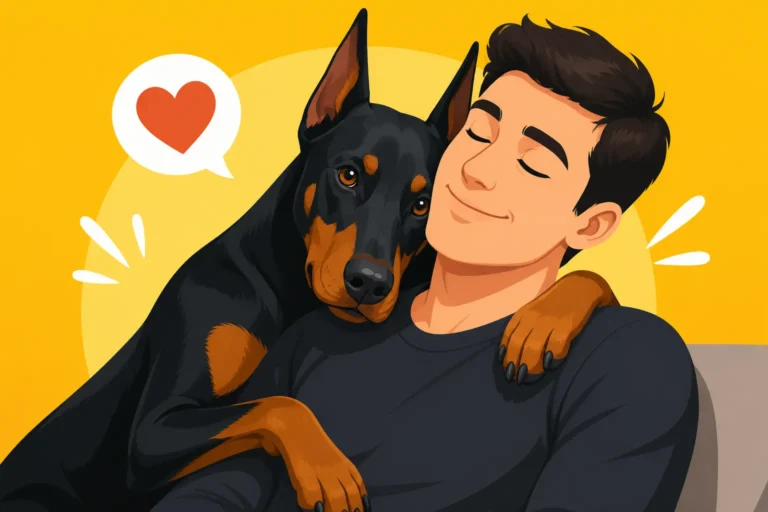
Dobermans are known for their strong bond with their owners, often expressing it through leaning, cuddling, and seeking physical contact. For many, a well-placed scratch behind the ears, a vigorous rub on the chest, or even a deep, calming stroke along their back can be a highly valued reward. This isn't just a generic pat; it's affection delivered in a way that your Doberman truly enjoys and finds reassuring.
Pay attention to where your Doberman likes to be touched. Some might enjoy a good ear rub, others a chest scratch, and some prefer a firm pet down their side. Use this knowledge to tailor your physical affection as a reward. This type of reward strengthens your bond and can be particularly effective in low-distraction environments or when working on behaviors that require calm focus. It also complements verbal praise beautifully, creating a multi-sensory reward experience that tells your Doberman they’ve done wonderfully.
The Limits of Praise-Only Training
While praise and affection are vital, relying solely on them for a Doberman's training can be challenging, especially in the initial stages of learning new behaviors or in distracting environments. Dobermans are intelligent and driven, and often need more tangible motivators to sustain their effort and focus. Think of it like this: your boss might tell you "great job!" at work, but if there's never a raise or a bonus, your motivation might eventually wane.
Praise and affection are best used in conjunction with food and toy rewards. They become powerful secondary reinforcers, building value as your Doberman associates them with the primary, tangible rewards. Over time, for well-established behaviors in familiar settings, verbal praise and a loving pat might be enough. However, when you're pushing boundaries, introducing new challenges, or tackling high-distraction scenarios, be prepared to elevate your rewards to match the effort you're asking for. Remember, Why Yelling Shuts a Doberman Down is a concept that highlights how negative interaction can undermine trust and diminish the value of even positive verbal cues.
Environmental and Activity Rewards
Sometimes, the greatest reward for a Doberman isn't a treat or a toy, but access to something they inherently desire: a particular activity, a special location, or even just the opportunity to explore. These "life rewards" can be incredibly powerful because they leverage your Doberman's natural inclinations and desires.
Access to Desired Activities or Locations
For a Doberman, gaining access to a preferred activity or location can be an incredibly strong motivator. This could be anything from the opportunity to run off-leash in a designated area, entering the dog park, or even just getting to go outside for a sniff walk. The principle is simple: your Doberman performs a desired behavior, and the reward is the immediate opportunity to engage in something they already wanted to do.
For example, asking for a calm "sit" and "stay" before you open the car door for a trip to the park, or before you unclip the leash for some running time, teaches your Dobe that good manners unlock desirable experiences. This concept is sometimes called "Premack Principle" – using a high-probability behavior (running in the park) to reinforce a low-probability behavior (sitting politely). It makes you, the owner, the gatekeeper of all things fun and exciting.
Life Rewards: What Your Doberman Wants Anyway
"Life rewards" are all those things your Doberman would naturally choose to do if given the option. They are intrinsic motivators. This could be sniffing a particularly interesting patch of grass, greeting a friendly person, playing with another dog, or getting to jump on the couch for a cuddle. By strategically using these everyday desires as rewards, you weave training seamlessly into your daily life.
For instance, if your Doberman wants to greet a friend, ask for a polite "sit" first. If they want to investigate an intriguing scent on a walk, ask for a moment of eye contact before releasing them with a "go sniff!" This method is incredibly effective because it's always relevant and always available. It teaches your Doberman that paying attention to you and offering desired behaviors leads directly to getting what they want in a controlled, polite manner. This also ties into Keeping a Doberman Mentally Tired, as these small, focused interactions provide mental stimulation.
Using the Environment as a Training Tool
The environment itself can be a powerful training tool and a source of rewards. Think about a quiet room versus a busy park. In a quiet room, even simple praise might be enough for a known behavior. In the park, the sights, sounds, and smells are intensely stimulating. Your Doberman might want to check out the chirping birds, sniff the intriguing lamppost, or watch the distant children playing. These environmental stimuli can be harnessed as rewards.
Instead of fighting the environment, use it. If your Doberman is doing well in a distracting area, a reward could be allowing them a few seconds to sniff that intriguing bush or watch the birds, then recalling them to continue training. This isn't giving in to distraction; it's strategically using the environment's inherent interest as a positive reinforcer for good behavior. This requires keen observation on your part to understand what aspects of the environment your Doberman values at that moment.
Tailoring Rewards for Different Training Scenarios
Effective Doberman training isn't just about what rewards you use, but how and when you use them. A static approach to rewards will lead to frustration for both you and your intelligent companion. Learning to tailor your reward strategy to the specific context of your training is crucial for keeping your Doberman engaged, motivated, and successful.
Low-Distraction vs. High-Distraction Environments
The environment plays a massive role in how effective your rewards will be. In a quiet living room, where distractions are minimal, your Doberman might happily work for their regular kibble or a verbal "good job." This is the perfect place to introduce new concepts and build a foundational understanding of commands. Low-value rewards work well here because there's little else competing for your Dobe's attention.
However, once you step outside into the real world – a bustling park, a street with passing cars, or even just your backyard with its intriguing smells – those low-value rewards will likely become completely ineffective. This is where you need to escalate. Break out the super high-value food treats, or your Doberman's absolute favorite tug toy. The reward needs to be compelling enough to overpower the myriad of environmental distractions. This adaptability is key for a successful Doberman. If you're struggling to maintain focus, it's almost always a sign that your reward isn't valuable enough for the environment you're in.
Matching Reward Intensity to Task Difficulty
Just as you adjust rewards for environment, you also need to adjust them for the difficulty of the task. Teaching a Doberman a simple "sit" for the thousandth time in your kitchen doesn't warrant the same reward as teaching them a complex new trick or asking for a bomb-proof recall in a field full of deer. New, challenging, or less enjoyable tasks require higher-intensity rewards.
Consider the following reward intensity scale:
| Reward Value | Examples | When to Use |
|---|---|---|
| Low | Kibble, standard dog biscuits, mild praise | Known, easy behaviors in low-distraction environments; maintenance work. |
| Medium | Slightly better treats, a quick toss of a favorite toy, enthusiastic praise and pet | Known behaviors in moderate distraction; building duration or distance. |
| High | Cooked chicken, cheese, hot dogs, vigorous tug, exciting fetch | New behaviors; challenging environments; proofing important cues. |
| Super High | Liverwurst, specific high-value chew, prolonged interactive play, access to highly desired activity (e.g., dog park) | Introducing critical safety behaviors; overcoming strong distractions; fear/anxiety work. |
This isn't a rigid system, but a guideline to help you think about your reward strategy. Using higher-value rewards for harder tasks makes the effort worthwhile for your Doberman, reinforcing their desire to try new things and push their boundaries. For a clever dog, Why a Clever Doberman Is Harder to Train is often because owners don't adjust their rewards to match the Dobe's intellectual capacity and high expectations.
The Art of Reward Schedules
Finally, how often you give rewards, and in what pattern, is another critical component of effective training, especially for a Doberman. This is known as a reward schedule.
- Continuous Reinforcement (CRF): This is where you reward every single time your Doberman performs the desired behavior. CRF is essential when first teaching a new behavior, as it helps your Doberman quickly understand the association between their action and the reward. For instance, if you're working on Five-Minute Sessions With a Young Doberman to teach "sit," reward every single successful sit. This builds clarity and motivation.
- Intermittent Reinforcement (Variable Ratio): Once a behavior is well-established, you can switch to an intermittent schedule, where you reward only some of the time. This doesn't mean stopping rewards altogether; it means making them unpredictable. Sometimes your Dobe gets a treat, sometimes a toy, sometimes just enthusiastic praise, and sometimes a jackpot of multiple treats. This unpredictability actually makes the behavior more durable and resistant to extinction, as your Doberman learns that any given attempt might result in a reward, so it's always worth trying. This is how gambling addiction works for humans, and it's equally powerful for dogs! It keeps them guessing and highly motivated.
Understanding and skillfully applying different reward schedules will prevent your Doberman from becoming dependent on constant rewards and will build a dog that is consistently motivated, even when a treat isn't immediately visible. Remember to be flexible and always return to continuous reinforcement if your Doberman is struggling or the environment becomes significantly more challenging. It's about finding that sweet spot where your Doberman is engaged, motivated, and learning effectively.
Disclaimer
This article is for general informational purposes only and does not constitute professional advice. Laws, prices and regulations vary by location and change over time. Consult a qualified professional for guidance on your specific situation.