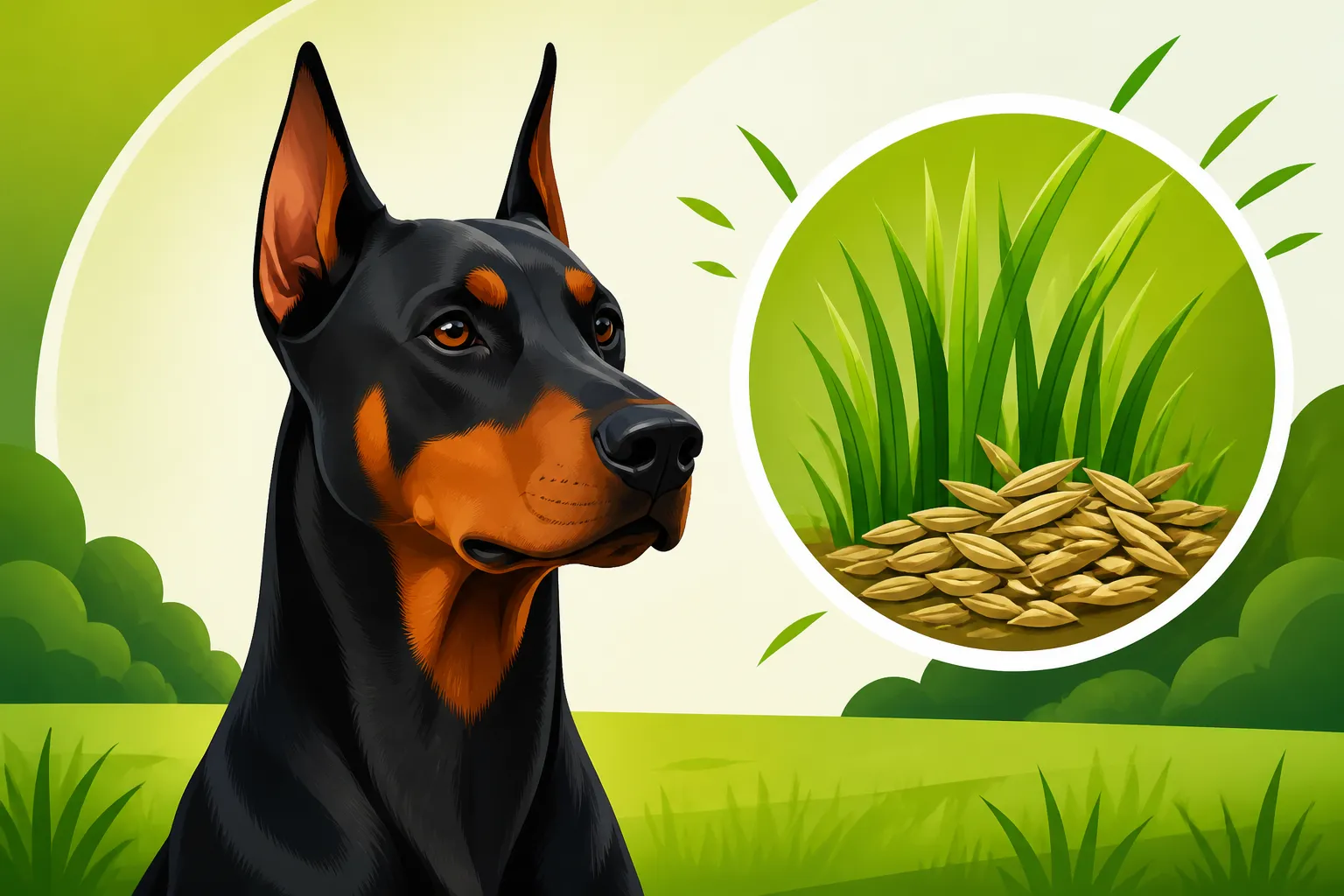
Grass Seeds and a Short-Coated Doberman
It’s a frustration many Doberman owners know all too well: you’ve just had a fantastic walk, your sleek, elegant Doberman is trotting proudly beside you, and then you notice it. A tiny, barbed grass seed, seemingly innocuous, but lodged firmly in their delicate skin or even worse, somewhere you can’t quite reach. This guide is here to shed light on why these seemingly small outdoor hazards can be such a big problem for our Doberman friends and how we can best protect them.
The Silent Threat: Why Grass Seeds are a Doberman Owner's Nightmare
There’s nothing quite like watching your Doberman bound through a field, muscles rippling under that smooth, short coat. It’s part of their joy, their essence. But that very coat, one of their defining features, also makes them surprisingly vulnerable to a common, insidious threat: grass seeds. These aren't just an annoyance; they can become serious medical emergencies.
The Doberman's Vulnerable Coat and Skin
Unlike many breeds with thick, double coats that offer a natural barrier against debris, our Dobermans have a single, short, fine coat with virtually no undercoat. This means there’s very little to stop a determined grass seed from making direct contact with their skin. And Doberman skin, while tough in spirit, can be quite thin and sensitive, especially in areas like the belly, armpits, and between their paw pads. A grass seed, with its often barbed or arrow-like shape, can easily pierce this thin skin.
Once a seed has breached the surface, it doesn't just sit there. Its barbs are designed for one-way travel, pushing the seed deeper and deeper into the tissue with every movement your dog makes. Imagine a tiny, biological fish hook, continually working its way inwards. It's a terrifying thought, knowing that something so small can cause so much internal damage. We often think of our Dobermans as resilient and robust, but this is one area where their physiology works against them. It’s a constant worry, especially for those of us who live near fields or areas with long grass.
Active Lifestyles and Exposure
Dobermans are active, intelligent dogs that thrive on exercise and mental stimulation. They love to run, sprint, chase, and explore. This often means romping through tall grasses, sniffing along hedgerows, or diving into brush – precisely the environments where grass seeds lie in wait. It’s a Catch-22: you want to give your Doberman the joy of freedom and exploration, but every outdoor adventure comes with the added anxiety of a potential grass seed encounter.
The frustration is real when you're trying to manage their exposure without stifling their natural instincts. You don't want to keep them cooped up, yet letting them roam freely in certain areas feels like playing Russian roulette with their health. A Doberman truly enjoying themselves, nose to the ground, tail wagging, is less likely to notice the microscopic intruder until it's too late. This combination of a vulnerable coat and an adventurous spirit means Doberman owners need to be extra vigilant and informed about these sneaky plant invaders.
Hunting for Hidden Hazards: Where Grass Seeds Lurk and How to Find Them
Knowing where these little troublemakers hide is the first step in prevention. Grass seeds aren't just in wild fields; they can be in your local park, along suburban pathways, or even in overgrown sections of your own yard. Learning to identify them and performing thorough post-walk checks are crucial rituals for any Doberman parent.
Common Habitats and Types of Seeds
Grass seeds come in many shapes and sizes, but many of the problematic ones share a common characteristic: they are designed to cling and burrow. Look out for grasses with sharp, pointed ends or tiny, bristly barbs. Common culprits include foxtail, wild oats, and barley grass. These often grow abundantly in unkempt areas, fields, verges, and even the edges of well-maintained parks where the mower hasn't quite reached. They're masters of disguise, blending in with the surrounding vegetation, making them incredibly difficult to avoid entirely.
It's not just the seeds themselves, but the dried-out husks after the grass has gone to seed that are particularly dangerous. These husks are lightweight, easily detached, and can be picked up by your Doberman’s coat or paws with the slightest brush. Remember that lush, green field in spring will eventually become a minefield of dried seeds in summer and early autumn. Being aware of these seasonal changes and the specific types of grasses prevalent in your area can help you identify high-risk zones.
The Post-Walk Inspection Ritual
This isn't just a quick pat-down; it's a meticulous, head-to-tail examination that should become as routine as putting on their leash before a walk. Dedicate specific time after every outing, especially if you've been in grassy areas, to thoroughly check your Doberman.
Here’s how to perform a diligent post-walk inspection:
- Paws First: This is arguably the most common entry point. Gently spread each toe, looking meticulously between the pads and around the nail beds. Grass seeds love to lodge here, where they are protected and can easily burrow with every step. Pay attention to any redness, swelling, or tiny black specks.
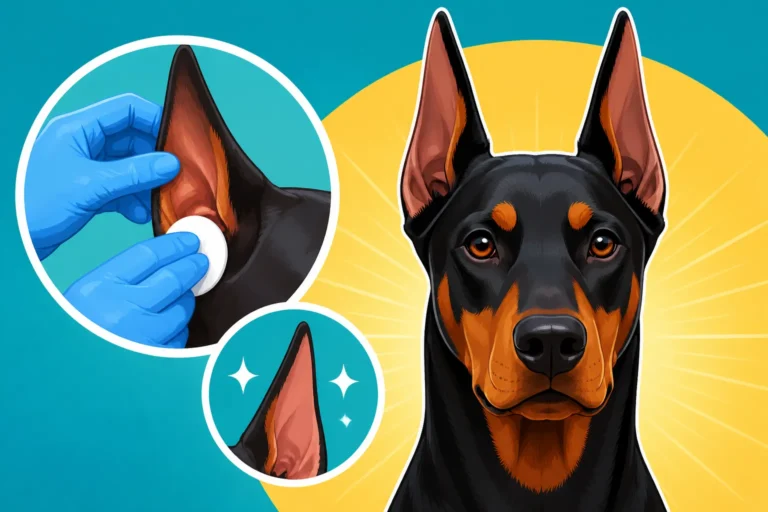
- Ears: Carefully lift your Doberman’s ear flap and inspect the entire outer ear, focusing on the entrance to the ear canal. For many Dobermans, especially those with natural ears, the ear canal is quite open, making it an easy target. Even cropped ears can still get seeds lodged at the base or inside the ear. Look for seeds that have just started to burrow into the skin.
- Nose: Check around the nostrils and even try to peer slightly inside if your Doberman tolerates it. Sniffing through grass is a natural Doberman behavior, and inhaling a seed is a terrifying, but real, possibility.
- Eyes: Gently part the eyelids and look for any foreign bodies. Seeds here can cause immense irritation and potential damage to the cornea.
- Armpits and Groin: These areas are soft, warm, and often overlooked. Seeds can easily get trapped in these folds of skin, especially if your Doberman has been running or rolling.
- Entire Coat: Run your hands thoroughly over their entire body, against the lay of the fur. Pay special attention to the chest, belly, and flanks. The short Doberman coat means a seed might be more visible, but it also offers less resistance. Feel for any small bumps, scabs, or areas of tenderness.
A good strong light is your best friend during this ritual. Make it a calm, positive experience for your Doberman with treats and praise, so they associate it with comfort, not distress. You can find excellent pet-specific tweezers and magnifying glasses on Amazon or through retailers like Chewy to aid in your inspection. Remember, early detection is absolutely critical.
When a Seed Sneaks In: Understanding the Dangers and Symptoms
Despite our best efforts, a grass seed can still find its way in. It’s incredibly frustrating, and often, by the time we notice symptoms, the seed has already begun its unwelcome journey. Understanding the signs and the specific dangers associated with different entry points is vital for prompt action.
Common Entry Points and Their Immediate Dangers
Grass seeds are opportunistic invaders, targeting vulnerable areas with surprising precision. The dangers vary depending on where they decide to burrow.
- Paws: This is perhaps the most common spot. A seed between the pads can cause intense pain, lameness, and swelling. If left unchecked, it can migrate deeper, leading to painful abscesses, cellulitis (a serious skin infection), and even track up the leg. Imagine the discomfort of a tiny, barbed splinter being pushed deeper with every step. It’s no wonder a Doberman might suddenly start limping or excessively licking a paw.
- Ears: Seeds that enter the ear canal can be excruciating. Your Doberman might suddenly start shaking their head violently, pawing at their ear, or tilting their head. If the seed continues to migrate down the canal, it can perforate the eardrum, leading to severe pain, balance issues, and serious inner ear infections. This is one of those emergencies where every minute counts.
- Nose: Dobermans love to sniff the ground, making their nostrils prime targets. A seed up the nose causes violent sneezing, often accompanied by a bloody discharge. It’s an incredibly distressing sight for any owner. The seed can become lodged in the nasal passages, causing chronic irritation, infection, and in rare cases, can even migrate into the lungs or brain.
- Eyes: A grass seed in the eye is a serious emergency. It can scratch the cornea, leading to painful ulcers, conjunctivitis, and severe inflammation. Your Doberman will likely squint, tear excessively, and paw at their eye. The delicate structures of the eye are highly susceptible to damage from these sharp invaders.
- Skin: While the Doberman's coat is short, seeds can still latch on and burrow into the skin anywhere on the body. Once under the skin, they cause small, hard lumps that can be painful and warm to the touch. These are often mistaken for insect bites at first. The danger here is that the seed can travel extensively under the skin, forming sinus tracts (tunnels) and leading to widespread infection and multiple abscesses. This internal migration can be incredibly difficult for veterinarians to track and remove. Thin Doberman Skin and Everyday Cuts makes these skin entries particularly risky, and subsequent Wound Healing in a Doberman With Thin Skin can be complicated by the presence of a foreign body.
Recognizing the Alarm Bells
Sometimes, a grass seed incident is dramatic and obvious, like sudden, violent head shaking. Other times, the signs are more subtle, slowly escalating into something much more serious. As Doberman owners, we need to be attuned to our dogs' normal behavior to spot these changes quickly.
Here’s a breakdown of symptoms to watch for:
| Entry Point | Common Symptoms | Severity & Urgency |
|---|---|---|
| Paws | Limping, constant licking/chewing of paw, swelling between toes, redness, pus | Urgent Vet Visit. Can lead to deep abscesses, infection, severe lameness. |
| Ears | Violent head shaking, pawing at ear, head tilting, rubbing ear on ground, discharge | Immediate Vet Visit. Risk of eardrum rupture, inner ear infection, neurological signs. |
| Nose | Sudden, violent sneezing fits, nasal discharge (sometimes bloody), pawing at nose | Urgent Vet Visit. Risk of deeper migration, chronic infection, respiratory issues. |
| Eyes | Squinting, excessive tearing, redness, pawing at eye, swollen eyelids, cloudy eye | Emergency Vet Visit. Risk of corneal ulceration, blindness, severe pain. |
| Skin | Licking/chewing a specific spot, small lump or swelling, redness, tenderness, pus | Urgent Vet Visit. Can migrate deep, forming abscesses, requiring surgical removal. |
Never underestimate a sudden change in your Doberman's comfort or behavior, especially after being outdoors. If your Doberman is constantly licking an area, suddenly seems lethargic, or is showing any of these signs, don't wait. Early intervention can prevent a minor irritation from becoming a major medical crisis, saving your Doberman from prolonged pain and you from significant The Vet Bills a Doberman Runs Up Outside Screening.
Proactive Protection and Emergency Action: Keeping Your Doberman Safe
The thought of a grass seed wreaking havoc on our beloved Dobermans is enough to make any owner anxious. While completely eliminating the risk is impossible, we can certainly take significant steps to minimize exposure and know exactly what to do if a seed manages to sneak past our defenses.
Prevention is Better Than Cure
A multi-pronged approach to prevention is always best when it comes to grass seeds. It requires a combination of vigilance, environmental management, and sometimes, a little protective gear.
- Mow Your Lawn: If you have an outdoor space where your Doberman plays, keep the grass cut short, especially during late spring, summer, and early autumn when grasses are seeding. This drastically reduces the number of available seeds.
- Avoid High-Risk Areas: During peak grass seed season, try to steer clear of overgrown fields, unkempt verges, and bushy areas if possible. Opt for paved paths or well-maintained, short-grass parks. It's not always fun to restrict their play, but it's a small price for their safety.
- Protective Booties: For Dobermans who love to run in grassy areas, protective booties can be a game-changer. While some Dobermans take time to adjust to them, they can provide an excellent barrier for their vulnerable paw pads. You can find a wide range of sizes and styles on Chewy or Amazon, often with reviews from other large dog owners.
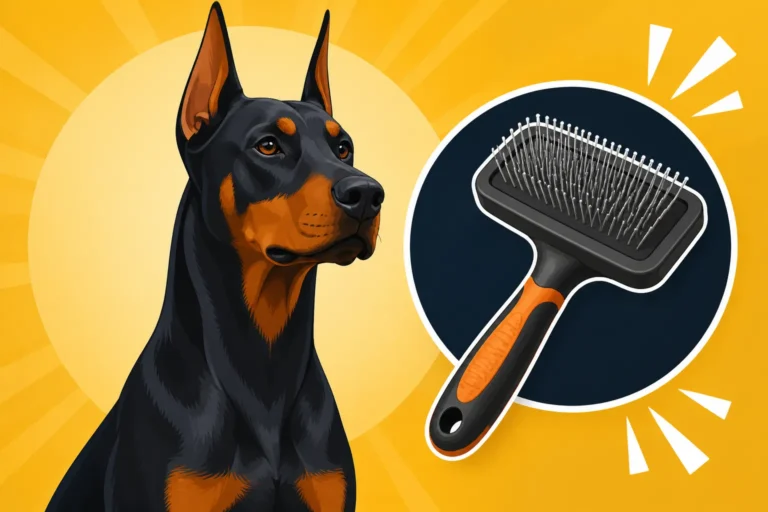
- Regular Grooming and Brushing: Even with their short coats, a quick brush after a walk can help dislodge any seeds that haven't yet had a chance to burrow. A simple, short-bristled brush can be effective. This ties into Doberman Grooming on a Coat With No Undercoat and finding The One Brush a Doberman Coat Needs for their specific coat type. It's also a great bonding opportunity and allows for a thorough visual inspection of their body.
- Post-Outing Routine: As discussed earlier, a meticulous check after every outdoor adventure is non-negotiable. Make it a routine, and your Doberman will learn to expect it. This is your first line of defense!
What to Do if You Suspect a Seed
Even with the best prevention, accidents can happen. Knowing what to do in the moment can make a huge difference in the outcome.
- Stay Calm and Assess: If you spot a seed on the surface of the coat or just barely embedded in the skin, and it looks like you can retrieve it easily, try to do so. Use a pair of fine-tipped tweezers. Grip the seed as close to the skin as possible and pull it straight out, not at an angle. If it resists, stop. Do not force it, as you could break the seed, leaving parts embedded, or push it deeper.
- Clean the Area: Once removed, gently clean the area with an antiseptic solution designed for pets. Keep an eye on the spot for a few days to ensure no infection sets in. If your Doberman has particularly sensitive skin or you suspect irritation, a mild, medicated bath might be appropriate – consider if Medicated Baths for a Doberman With Coat Loss could offer some relief, even for general irritation.
- When to Call the Vet – Immediately: This is the most critical piece of advice. If the seed is already embedded, if it's in a sensitive area like the ear, nose, or eye, if your Doberman is showing significant pain or distress, or if you simply can't remove it safely yourself, call your veterinarian immediately. Do not wait, hoping it will resolve itself. Grass seeds almost never work their way out; they only go deeper.
- Ear: If your Doberman is head shaking or pawing at an ear, assume a seed is involved until proven otherwise. This is an emergency.
- Eye: Any squinting, redness, or pawing at the eye warrants an emergency vet visit.
- Nose: Persistent sneezing or bloody discharge from the nose means a vet trip.
- Limping/Licking Paw: While it could be a simple cut, if you’ve been in grassy areas, assume a seed until ruled out.
- Any Lump or Swelling: A sudden, painful lump after a walk could be an embedded seed.
Veterinarians are well-versed in grass seed extractions. They have the right tools, knowledge, and sometimes sedation or even Vaccination and Anesthesia in a Doberman for a more complex procedure, to safely remove these insidious invaders. While the vet bill might add to your Monthly Spending on an Adult Doberman, the alternative is often much more costly in terms of pain for your Doberman and complex, expensive surgeries later on. Don't delay; prompt action is truly your Doberman's best chance.
Disclaimer
This article is for general informational purposes only and does not constitute professional advice. Laws, prices and regulations vary by location and change over time. Consult a qualified professional for guidance on your specific situation.