Raw Diets and a Doberman’s Copper Load
It’s a common scenario: you’re a dedicated Doberman owner, researching every possible way to give your majestic companion the best life, and you keep stumbling upon the idea of a raw diet. It sounds incredibly natural, often touted as the pinnacle of canine nutrition. But then, a nagging worry creeps in, one that many Doberman enthusiasts share: the concern about copper storage disease. Given our breed's unique predispositions, it’s absolutely vital to understand how raw feeding might impact your Doberman's delicate copper balance, and this guide is here to walk you through it.
The Doberman's Unique Relationship with Copper
Let's face it, owning a Doberman means carrying a mental checklist of potential health concerns. We worry about their hearts, their spines, and yes, their livers. Unlike some other breeds, Dobermans can be genetically predisposed to a condition known as Copper-Associated Hepatitis, or sometimes more broadly, Copper Storage Disease. This isn't just a dietary issue in a vacuum; it's a complex interplay of genetics and environment, where diet can play a significant role in either mitigating or exacerbating a problem that might already be simmering beneath the surface.
Imagine your Doberman's liver as a sophisticated processing plant. Its job is to filter toxins, store nutrients, and manage essential minerals like copper. Copper is vital for many bodily functions – nerve function, bone health, even coat pigment. The body needs a certain amount, but it also needs to efficiently excrete excess. For a Doberman with this genetic predisposition, that excretion process can be faulty. Instead of sending the unused copper out, the liver starts to hoard it, like a squirrel stockpiling nuts for winter. Over time, this accumulation becomes toxic, causing inflammation, cell damage, and eventually, full-blown liver failure. It's a silent threat, often progressing unnoticed until significant damage has occurred, which is why Copper Liver Disease in Doberman Females is such a critical topic for many of us.
This genetic vulnerability means that while diet might not cause the disease from scratch, it certainly influences how quickly or severely it develops. If your Doberman is already prone to holding onto copper, a diet consistently high in the mineral could be like adding fuel to a slow-burning fire. This is where the careful consideration of any diet, especially one like raw feeding which often includes diverse and nutrient-dense ingredients, becomes paramount. We're not just feeding a dog; we're managing a specific genetic landscape.
Deconstructing Raw Diets and Their Copper Content
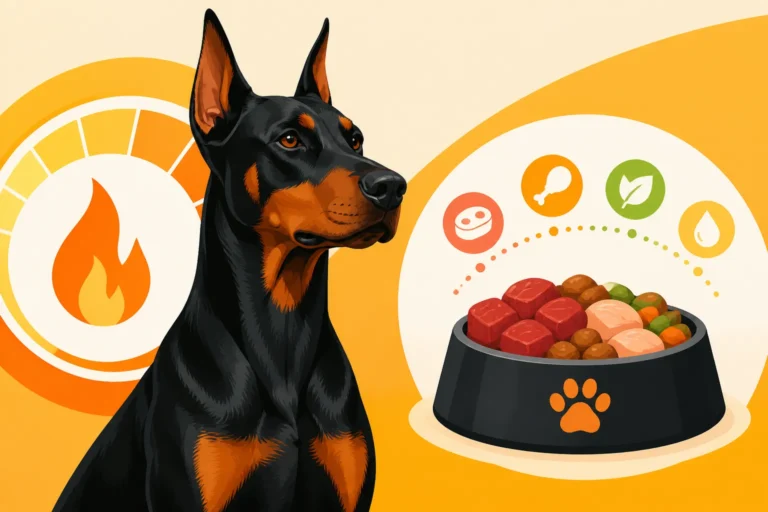
The appeal of a raw diet, often called BARF (Biologically Appropriate Raw Food) or prey model, is undeniable for many Doberman owners. The idea of feeding our dogs as their ancestors would have eaten – raw meat, bones, and organs – seems instinctively right. Proponents often point to shinier coats, cleaner teeth, and better energy levels. However, when we overlay this with the Doberman's particular copper sensitivity, we have to dig a little deeper than just "natural."
Not all raw diets are created equal, and the copper content can vary wildly. Let's break down some common raw components and their typical copper contributions:
- Muscle Meats: Generally, muscle meats like chicken, beef, or lamb are moderate in copper. They form the bulk of most raw diets, and while they contribute to the daily copper intake, they aren't usually the primary source of concern.
- Organ Meats: This is where things get interesting, and potentially problematic for a Doberman with copper storage issues. Organs like liver, kidneys, and spleen are incredibly nutrient-dense, packed with vitamins and minerals, including copper. Liver, in particular, is a copper powerhouse. In a standard raw diet, liver might make up 5-10% of the daily intake. For a Doberman predisposed to copper retention, this percentage might need to be drastically reduced, or even sourced from animals known to have lower liver copper levels.
- Bones: Raw, meaty bones provide calcium, phosphorus, and other trace minerals. Their copper contribution is typically lower than organ meats, but still present.
- Certain Seafood: Some types of fish and shellfish can also be quite high in copper. While not always a staple in raw diets, if you're supplementing with fish, it's something to be aware of.
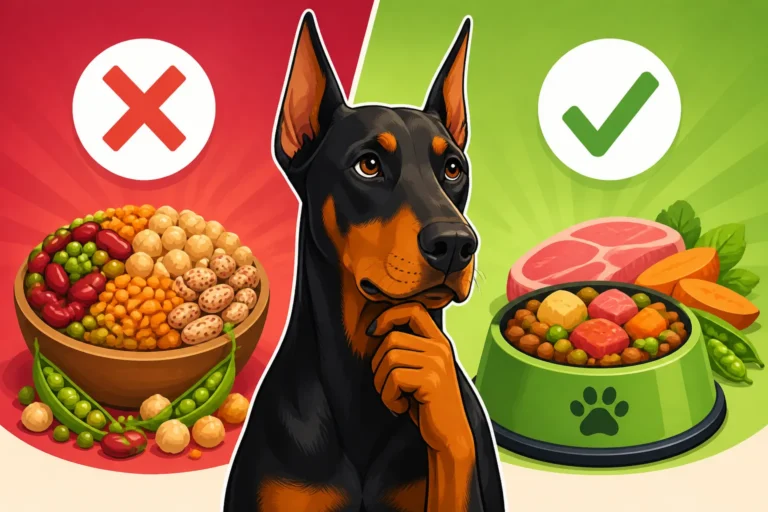
- Grains and Legumes (often avoided in raw but worth noting): While raw diets typically eschew these, it's worth noting that some legumes and grains can also contain copper, though their bioavailability might differ. Some believe certain kibble ingredients might contribute to copper issues, which further fuels the raw feeding debate. Whether Grain-Free Food Adds to Doberman DCM discusses a related, but distinct, dietary concern.
The key takeaway here is that a "balanced" raw diet for the average dog might actually be a high-copper diet for a Doberman with a genetic predisposition. What's healthy for one dog could be detrimental to another. It's not about raw diets being inherently "bad" for Dobermans, but about the specific composition of that raw diet and the individual Doberman's needs. This is why a blanket approach often fails us, and why generic recipes found online might not be suitable without significant modification and expert oversight.
Crafting a Safe Raw Diet for Your Doberman with Copper Concerns
So, you're committed to raw feeding, or you're considering it, but the copper concern is weighing heavily on your mind. Don't worry, it's absolutely possible to feed a raw diet thoughtfully and safely, even for a Doberman with this predisposition, but it requires diligence, knowledge, and collaboration with professionals. This isn't a journey to embark on lightly or based solely on internet forums.
First and foremost, know your Doberman's status. Has your Doberman been tested for liver disease? Have they had baseline bloodwork including liver enzymes? Is there any family history of copper storage disease? These are crucial pieces of information. If you suspect any issues, a conversation with your vet about a liver biopsy or specific genetic testing might be in order, as discussed in Liver Biopsy in a Doberman.
If you're going the DIY raw route, ingredient selection is critical. You'll need to meticulously choose your protein sources. Here's a general guide for managing copper:
| Ingredient Type | Copper Content Concern | Management Strategy for Dobermans |
|---|---|---|
| Beef Liver | Very High | Severely limit or avoid. |
| Lamb Liver | High | Limit to very small amounts, if any. |
| Chicken Liver | Moderate | Use sparingly, if at all. |
| Beef Kidney | High | Limit to very small amounts, if any. |
| Pork Heart | Moderate | Can be used in moderation. |
| Beef Muscle Meat | Moderate | Primary protein source. |
| Chicken Thigh/Breast | Moderate | Primary protein source. |
| Turkey Muscle Meat | Moderate | Primary protein source. |
| Oysters/Shellfish | Very High | Avoid completely. |
| Certain Grains/Legumes | Moderate (if included) | Raw diets typically avoid these. Consider if using a cooked diet. |
This table shows how different components stack up. For a Doberman with copper issues, you'd aim for a diet primarily composed of muscle meats, with very carefully controlled, almost negligible amounts of high-copper organs. Many owners in this situation will omit liver entirely or use extremely small amounts of lamb liver, which can sometimes be lower in copper than beef or chicken liver, but still requires caution.
Balance is key, but it's not intuitive. Achieving a truly balanced raw diet, especially one that is low in copper yet still provides all essential nutrients, is incredibly challenging for a home-preparer. You're trying to hit specific nutrient targets while restricting another. This is where a board-certified veterinary nutritionist becomes your best friend. They can formulate a precise diet plan tailored to your Doberman's specific needs, balancing all nutrients including minerals, fats, and proteins, while keeping copper at a safe level. They might even recommend specific brands of commercially prepared low-copper diets if you're not comfortable with DIY.
Regular monitoring is also non-negotiable. Even with a carefully formulated diet, you need to keep an eye on your Doberman's liver health through regular blood tests. Monitoring Bloodwork for a Doberman Liver is absolutely essential. These tests can reveal if copper levels are still rising or if the liver is showing signs of distress. It allows you and your vet to make adjustments before irreversible damage occurs. Remember, your Doberman's health needs are dynamic and can change over time.
Commercial Raw Options and Supplementation for Dobermans
For many Doberman owners, the idea of home-preparing a perfectly balanced, low-copper raw diet is daunting, and rightfully so. It's a huge undertaking! The good news is that the market for commercial raw diets has expanded significantly, and some brands offer complete and balanced options. However, even with commercial raw foods, you need to be vigilant about copper content.
When looking at commercial raw brands, whether you're browsing options on Chewy or considering subscription services like Ollie, you need to scrutinize the ingredient list and the guaranteed analysis carefully. Pay close attention to:
- Liver content: What percentage of organ meat is included, and from what animal?
- Overall copper levels: Some brands might list the copper content per serving or per 1000 kcal. Compare this against typical recommended values for dogs, but then also consider your Doberman's specific sensitivity. For a Doberman with a confirmed copper issue, you're looking for the lowest possible copper content that still meets the absolute minimum requirement for general health.
- Zinc levels: Zinc and Copper Balance in a Doberman Bowl is crucial. Zinc can actually help block the absorption of copper in the gut, making it a valuable nutrient in a low-copper strategy. Some vets might recommend zinc supplementation for Dobermans with copper storage disease. Check if the commercial raw food has adequate zinc, or if you'll need to supplement under vet guidance.
Don't hesitate to contact the raw food manufacturer directly. Ask for a complete nutritional breakdown, specifically inquiring about copper and zinc levels. A reputable company should be transparent with this information. If they're vague or unwilling to provide it, that's a red flag.
When it comes to supplementation, always, always work with your veterinarian or a veterinary nutritionist. Randomly adding supplements to a raw diet can throw off the balance even more. However, specific supplements might be recommended for Dobermans with copper issues:
- Zinc Acetate: As mentioned, zinc can interfere with copper absorption. This is often prescribed by vets for dogs with confirmed copper storage disease.
- D-Penicillamine or Trientine: These are chelating agents, medications that bind to excess copper in the body and help excrete it. These are prescription drugs and are typically used for Dobermans already diagnosed with clinical copper storage disease, not as preventative measures in healthy dogs.
- Vitamin E: An antioxidant that can help protect the liver from damage caused by copper accumulation.
- Milk Thistle: Sometimes recommended for liver support, though its efficacy in copper storage disease needs to be discussed with your vet.
It's a delicate dance to ensure your Doberman is getting all the nutrients they need without overloading their system with copper. This means that Whether a Doberman Liver Diet Is for Life is a conversation you'll likely have with your vet, as dietary management often becomes a long-term commitment. Remember that resources like Chewy and Amazon can be great for sourcing a variety of high-quality ingredients if you're doing DIY, or for purchasing vet-recommended supplements, but the decision on what to buy should come from an informed discussion with your dog's healthcare team. Your Doberman's health is unique, and their diet needs to reflect that individual precision.
Disclaimer
This article is for general informational purposes only and does not constitute professional advice. Laws, prices and regulations vary by location and change over time. Consult a qualified professional for guidance on your specific situation.