Medicated Baths for a Doberman With Coat Loss
It's incredibly frustrating, isn't it? You cherish your Doberman's sleek, shiny coat, and then you start noticing those tell-tale signs: thinning patches, a dull appearance, flakes, or even outright bald spots. It's not just a cosmetic issue; it often points to an underlying skin condition that makes your beloved dog uncomfortable. This guide is here to walk you through how medicated baths can be a vital tool in managing and improving coat loss in Dobermans, helping you understand when and how to use them effectively for your dog's comfort and health.
Understanding Doberman Coat Loss
Dobermans, with their famously short, single coats, can be particularly susceptible to various forms of coat loss. It's not always obvious at first, and sometimes, by the time you really notice it, the underlying issue has been simmering for a while. Getting to the root cause is crucial, and medicated baths often play a key role in the management plan.
Recognizing the Signs of Coat Loss in Dobermans
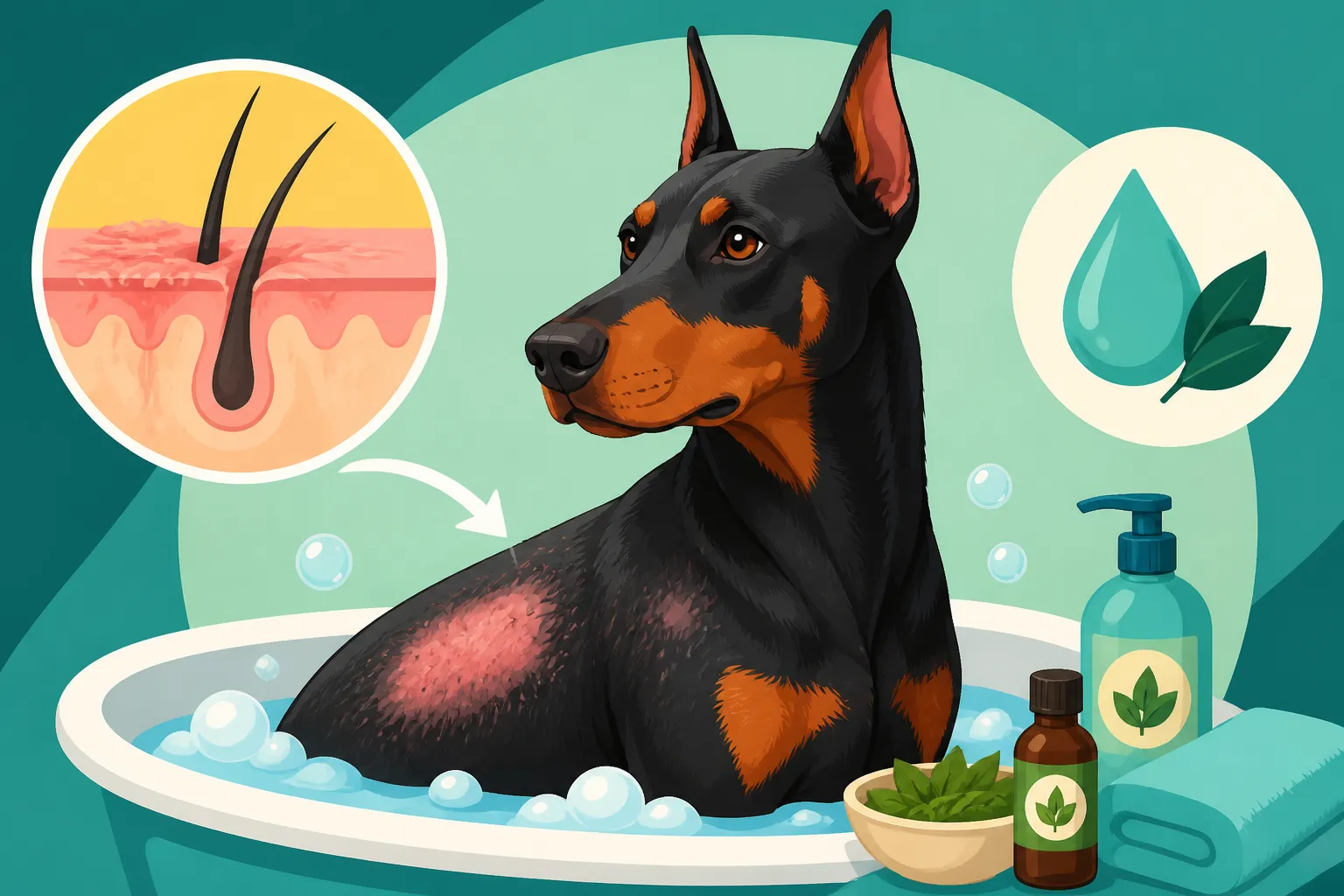
The first step is always noticing something is amiss. For Dobermans, coat loss isn't usually dramatic shedding like you'd see with a double-coated breed. Instead, it often manifests as a gradual thinning, particularly on the flanks, chest, and sometimes around the ears. You might run your hand over their back and feel more skin than hair. The coat might also appear dull, dry, and brittle, losing that characteristic Doberman sheen. Sometimes, it's accompanied by increased scratching, licking, or rubbing, indicating itchiness.
Beyond just the hair falling out, you might notice skin changes too. Redness, bumps, pustules, or dark, thickened patches can all be indicators of infection or inflammation accompanying the coat loss. It's easy to dismiss a little flaking as dry skin, but if it persists or worsens, especially on a Doberman, it's time to pay closer attention. These subtle changes can escalate if not addressed, leading to more widespread discomfort for your dog.
Common Causes of Doberman Coat Loss
When we talk about Doberman coat loss, a few common culprits tend to pop up more often than others. One of the most recognized forms, especially in blue and fawn Dobermans, is Color Dilution Alopecia (CDA). This genetic condition specifically affects dilute colored dogs, causing their hair shafts to be fragile and eventually break or fall out, leading to thinning or baldness. It's heartbreaking to see, and while there's no cure, management is key. You can learn more about this specific condition in Color Dilution Alopecia in Blue and Fawn Dobermans and Hair Loss on a Blue Doberman.
However, not all coat loss is CDA. Allergies, whether environmental (pollen, dust mites) or food-related, are huge triggers for skin inflammation and subsequent hair loss. Parasites like fleas, mites (demodex or sarcoptes), and even ringworm can also cause localized or generalized hair loss, often with intense itching. Bacterial or yeast infections, often secondary to allergies or other skin irritations, are another frequent cause, turning healthy skin into an itchy, inflamed mess. Hormonal imbalances, like hypothyroidism, can also lead to a dry, brittle coat and symmetrical hair loss, making your Doberman feel sluggish and generally unwell.
When Coat Loss Indicates Something Deeper
It's tempting to try a quick fix when you see your Doberman losing hair, but sometimes that thinning coat is a flashing red light for a more systemic issue. For example, if the coat loss is symmetrical on both sides of the body, particularly on the trunk, it often hints at an endocrine problem, like hypothyroidism, rather than a localized infection. Similarly, if your Doberman seems lethargic, is gaining weight, or has other changes in behavior alongside the coat issues, it's definitely time for a deeper look.
Serious conditions like autoimmune diseases can also present with skin lesions and hair loss, though these are less common. Even stress can sometimes manifest as excessive licking or chewing, leading to localized hair loss. The bottom line is, while medicated baths can offer immense relief and manage symptoms, they are part of a larger picture. A proper veterinary diagnosis is essential to rule out or address any underlying health problems that could be contributing to your Doberman's coat struggles. Don't hesitate to seek professional advice.
The Role of Medicated Baths
So, your Doberman is losing hair and their skin is irritated. What's next? More often than not, your vet will recommend medicated baths as a cornerstone of treatment. They aren't just for cleaning; these specialized shampoos deliver active ingredients directly to the skin, where they can work their magic.
How Medicated Shampoos Target Skin Issues
Think of medicated shampoos as a targeted delivery system. Unlike a simple cosmetic shampoo, these products contain specific active ingredients designed to address the root causes of skin problems. For instance, if your Doberman has a bacterial skin infection (pyoderma), a shampoo with benzoyl peroxide or chlorhexidine can help kill bacteria on the skin's surface and deep within the hair follicles. If yeast is the problem, ingredients like miconazole or ketoconazole step in to combat the fungal overgrowth.
Beyond just fighting off invaders, some medicated shampoos are formulated to relieve itching (with ingredients like pramoxine or oatmeal), reduce inflammation, or remove excess scales and crusts (keratolytic agents). This direct topical application means the medication gets exactly where it's needed, often with fewer systemic side effects than oral medications. It's a fantastic way to offer immediate relief and start the healing process for an uncomfortable Doberman.
Setting Realistic Expectations for Results
It's important to understand that medicated baths aren't usually a one-and-done miracle cure, especially for chronic conditions like Color Dilution Alopecia in Blue and Fawn Dobermans or persistent allergies. You'll likely need to commit to a consistent bathing schedule, perhaps two or three times a week initially, as prescribed by your vet. The goal isn't just to make the current flare-up go away, but often to manage the condition long-term and prevent future issues.
While you might see some immediate relief from itching and irritation after the first bath, significant improvement in coat regrowth or complete resolution of skin lesions can take weeks, or even months. Patience is absolutely key here. Don't get discouraged if your Doberman's coat doesn't instantly transform. Consistency, adherence to the vet's instructions, and recognizing that recovery is a process will be your best allies. And remember, sometimes medicated baths are part of a larger treatment plan, not the sole solution.
Complementary Treatments for Optimal Health
While medicated baths are incredibly effective, they often work best as part of a multi-modal approach. Your vet might also prescribe oral antibiotics or antifungals if the infection is widespread or severe, or antihistamines and steroids to control itching and inflammation. For Dobermans with allergies, identifying and avoiding triggers is paramount, and sometimes allergy shots (immunotherapy) are recommended.
Don't forget the power of nutrition! A high-quality diet rich in omega-3 and omega-6 fatty acids can do wonders for skin and coat health, helping to strengthen the skin barrier from the inside out. Some owners find brands like Ollie, which offers fresh, human-grade food, can support overall health and potentially improve skin resilience. Supplements like fish oil or specific skin and coat formulations can also be beneficial. Regularly brushing your Doberman's coat (even if it's thinning) with a soft brush can help distribute natural oils and stimulate circulation, and is a great way to monitor their skin condition. For specific issues like Skin Infections in a Bald Doberman, additional topical treatments might be necessary.
Types of Medicated Shampoos
The world of medicated shampoos can feel overwhelming, with so many different ingredients and formulations. Knowing what each one does can help you understand why your vet has chosen a particular type for your Doberman's specific coat loss issue.
Antifungal and Antibacterial Shampoos
These are the heavy-hitters when your Doberman's coat loss is accompanied by nasty infections.
- Chlorhexidine-based shampoos: Chlorhexidine is a powerful broad-spectrum antiseptic that kills a wide range of bacteria and yeasts. It's often recommended for bacterial skin infections (pyoderma), hot spots, and general skin irritation where infection is a component. It works by binding to the skin and hair, providing residual activity even after rinsing. Many vets will prescribe a chlorhexidine shampoo for the initial treatment of Skin Infections in a Bald Doberman.
- Miconazole or Ketoconazole shampoos: These are antifungal agents used to treat yeast infections, common culprits in itchy, smelly skin conditions, especially in skin folds or around the paws. Sometimes they are combined with chlorhexidine to create a powerful antibacterial and antifungal punch. If your Doberman's skin smells "yeasty" or has a greasy feel, these might be the answer.
- Benzoyl Peroxide shampoos: This ingredient is excellent for deep cleaning and flushing out hair follicles, making it very effective for deep bacterial infections, folliculitis, and conditions where pores are clogged. It can be a bit more drying, so it's often followed by a moisturizing conditioner.
It's common for a Doberman with coat loss to have secondary bacterial or yeast infections, especially if they've been scratching or licking. These shampoos directly address those invaders, clearing the path for healing.
Keratolytic and Sebum-Regulating Shampoos
Sometimes the problem isn't just an infection, but an imbalance in the skin itself, leading to excessive scaling, crusting, or oiliness.
- Salicylic Acid and Sulfur shampoos: These ingredients are known for their keratolytic properties, meaning they help to break down and remove excess scales and crusts on the skin. They're also mildly antibacterial and antifungal. If your Doberman has Dandruff and Flaking on a Doberman or very crusty lesions associated with coat loss, these can be very beneficial in gently debriding the skin.
- Tar-based shampoos: While less commonly used now due to their strong odor and potential for irritation, coal tar can be very effective for severe scaling and seborrhea (oily skin). However, they should only be used under strict veterinary guidance.
- Selenium Sulfide shampoos: This ingredient is effective against certain types of yeast and helps regulate sebum production, making it useful for greasy, flaky skin conditions. Again, veterinary supervision is important due to potential for irritation.
These shampoos help normalize the skin's turnover rate and oil production, creating a healthier environment for hair growth and reducing the discomfort associated with overly dry or greasy skin.
Soothing and Hypoallergenic Formulations
Sometimes, the primary goal is to soothe severely irritated or allergic skin, reducing the urge to scratch and preventing further self-trauma and coat loss.
- Oatmeal-based shampoos: Colloidal oatmeal is a classic ingredient for soothing itchy, inflamed skin. It creates a protective barrier and reduces irritation, providing immediate, albeit temporary, relief. These are often used in conjunction with other medicated shampoos or as maintenance for sensitive skin.
- Pramoxine shampoos: Pramoxine is a topical anesthetic that directly helps to numb itchy skin, offering more profound relief than oatmeal alone. It’s excellent for dogs with intense itching that are self-mutilating, exacerbating their coat loss.
- Hypoallergenic shampoos: These are typically free of harsh detergents, fragrances, and dyes that can irritate sensitive skin. While not "medicated" in the traditional sense, they are crucial for Dobermans with allergies or extremely delicate skin, preventing further irritation from the bathing process itself. They are often used for maintenance bathing once acute issues are under control. When looking for products, check platforms like Chewy or Amazon for vet-recommended hypoallergenic options that are gentle yet effective. They might not cure the underlying problem, but they certainly won't make it worse.
Choosing the right shampoo involves a careful assessment by your veterinarian to match the active ingredients to your Doberman's specific skin problem and coat loss type.
The Medicated Bath Process
Giving a medicated bath to a Doberman, especially one that's already uncomfortable, can be a bit of an ordeal. But with the right technique and a little patience, you can make it a more positive experience for both of you and ensure the shampoo works as intended.
Pre-Bath Preparation and Safety Tips
Before you even think about turning on the water, gather everything you'll need. This includes your chosen medicated shampoo, perhaps a conditioner, several soft towels, some cotton balls (for ears), a non-slip mat for the tub, and plenty of high-value treats to make the experience more pleasant. A good, strong leash and collar might also be necessary if your Doberman isn't a fan of baths. You might even consider having a helper on hand for moral support and an extra set of hands, especially if your Doberman is large or particularly wiggly.
It's crucial to thoroughly brush your Doberman before the bath to remove any loose hair, dirt, and tangles. While Dobermans have short coats, matted hair can prevent the medicated shampoo from reaching the skin effectively. Protect your Doberman's ears by placing cotton balls loosely in the ear canals to prevent water from getting in, which can lead to ear infections. Always check the water temperature—lukewarm is best—and ensure you're in a well-ventilated area. Your vet will provide specific instructions for the shampoo, including frequency and contact time, so keep those handy.
Applying and Lathering the Medicated Shampoo
Once your Doberman is wet, it's time for the shampoo. Don't just dollop it on one spot; try to distribute it evenly. Start by applying small amounts of shampoo along the back, working your way down the sides, chest, legs, and belly. Be especially diligent in areas where the coat loss is most severe or where the skin looks most irritated. For detailed guidance on caring for areas with Bald Patches on a Doberman Puppy's Face or Flaky Skin Along a Doberman's Back, ensure you gently massage the shampoo into these delicate spots.
Using your fingertips, gently but thoroughly massage the shampoo into your Doberman's coat and down to the skin. You want to create a good lather that covers every affected area. Pay close attention to any folds of skin or areas where moisture and yeast/bacteria might thrive. Be extra careful around the eyes and mouth, as many medicated shampoos can be irritating if they get into these sensitive areas. If your Doberman is prone to ear issues, ensure you avoid getting water and shampoo into the ear canal by using those cotton balls you prepped earlier.
The Crucial Contact Time and Rinsing Thoroughly
This is arguably the most important step for medicated shampoos to be effective. Unlike regular shampoos where you wash and rinse immediately, medicated shampoos need "contact time" to allow the active ingredients to penetrate the skin and do their work. Your vet will specify this, but it's often between 5 to 15 minutes. This can feel like an eternity when you have a wet, potentially grumpy Doberman in the tub!
This is where those treats, a favorite squeaky toy, or even a lick mat smeared with peanut butter (xylitol-free, of course!) come in handy. Keep your Doberman engaged and calm during this waiting period. Once the contact time is up, rinse, rinse, and rinse again. Residual shampoo can irritate the skin, cause dryness, or even attract more dirt. You want to make sure every last bit of suds is gone, leaving your Doberman's coat squeaky clean. Imagine you're rinsing for twice as long as you think you need to.
After the Bath: Drying, Moisturizing, and Ongoing Care
The bath isn't over when the water stops. What you do immediately after, and in the days following, is just as important for your Doberman's sensitive skin and coat health. Proper post-bath care can make all the difference in preventing irritation and promoting healing.
Gentle Drying Techniques for Sensitive Doberman Skin
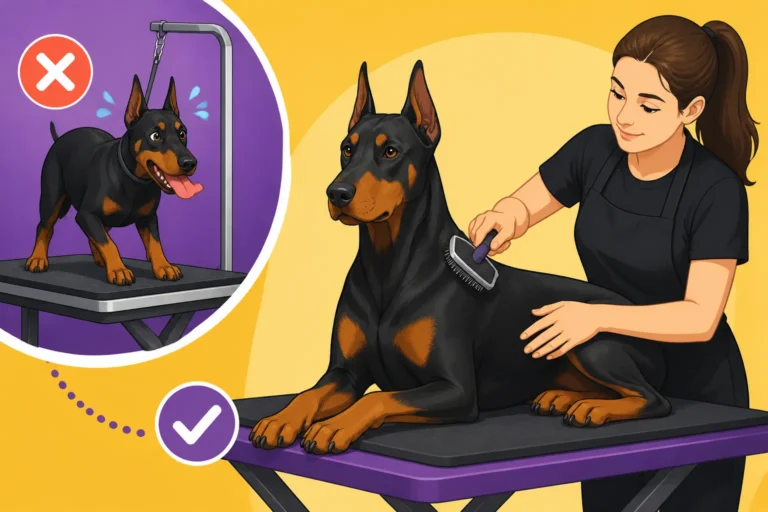
Dobermans, with their short, fine coats and thin skin, are prone to chilling easily and their skin can be quite delicate. Vigorously rubbing them with a harsh towel can actually cause more irritation or even damage to fragile hair shafts. Instead, gently blot and squeeze excess water from their coat using a soft, absorbent towel. You'll probably need a few towels to get them sufficiently dry.
If your Doberman tolerates it, a pet-specific force dryer on a cool or low-heat setting can speed up drying time, especially on their body, just be careful not to hold it too close to the skin or use too much heat. Always ensure your Doberman is completely dry before letting them go outside, especially in cooler weather, to prevent chilling or secondary skin issues from lingering dampness. For specific drying needs for Thinning Coat on a Blue Doberman Puppy or an adult, remember their sensitive skin needs extra consideration.
Conditioners and Topical Sprays for Hydration
Medicated shampoos, while effective, can sometimes be drying to the skin and coat. This is where a good quality moisturizing conditioner designed for dogs comes in. After rinsing out the medicated shampoo, apply a conditioner, focusing on areas prone to dryness or irritation. Look for ingredients like ceramides, oatmeal, or humectants that help lock in moisture and soothe the skin. Allow the conditioner to sit for a few minutes before rinsing thoroughly.
Beyond conditioners, your vet might recommend topical leave-on sprays or foams to provide ongoing hydration and relief between baths. These can contain ingredients to soothe itching, deliver antimicrobials, or reinforce the skin barrier. They're a fantastic way to provide targeted treatment and comfort without having to do a full bath every day. Applying these can be part of your Daily Skin Routine for a Thinning Blue Doberman.
Maintaining Skin Health Between Baths
The work doesn't stop once the medicated bath regimen is complete. Long-term skin and coat health for your Doberman often requires ongoing vigilance and care. This includes consistent grooming, even if it's just a daily wipe-down with a soft cloth to remove allergens and dust, or a gentle brush to stimulate circulation. Monitoring their skin for any returning redness, flaking, or new bald spots is critical for early intervention.
Nutrition continues to play a vital role. Ensure your Doberman is on a high-quality diet, and discuss omega fatty acid supplements with your vet if they are prone to dry, itchy skin or Flaky Skin Along a Doberman's Back. For Dobermans with environmental allergies, routine foot soaks and wiping down their coat after outdoor excursions can help remove allergens before they trigger a reaction. Depending on your Doberman's specific condition, your vet might recommend maintenance medicated baths at a lower frequency, perhaps once a week or every couple of weeks, to keep symptoms at bay. This proactive approach is key to keeping your Doberman comfortable and their coat looking its best.
Common Mistakes and Troubleshooting
Even with the best intentions, it's easy to fall into some common traps when giving medicated baths. Knowing what to watch out for and when to call for help can prevent setbacks and ensure your Doberman gets the most benefit from their treatment.
Over-Bathing and Skin Irritation
It's natural to want to fix the problem quickly, so some owners might be tempted to bathe their Doberman more frequently than prescribed. However, over-bathing, even with medicated shampoos, can actually strip the skin of its natural oils, leading to dryness, irritation, and potentially worsening the very condition you're trying to treat. This is especially true for Dobermans with sensitive skin or conditions like How Common Coat Loss Is in Fawn Dobermans, where the skin barrier might already be compromised.
Always stick to your veterinarian's recommended bathing schedule. If you feel your Doberman needs more frequent relief, discuss this with your vet. They might suggest a different shampoo, a leave-on topical treatment, or oral medication instead of increasing bath frequency. Watch for signs of increased redness, itchiness, or new flaky patches after bathing, which could indicate over-bathing or an adverse reaction to the shampoo itself.
Not Following Vet Instructions Closely Enough
Veterinary instructions for medicated baths aren't just suggestions; they are carefully considered directions based on your Doberman's specific diagnosis and the active ingredients in the shampoo. One of the biggest mistakes owners make is not adhering to the prescribed contact time. If you rinse the shampoo off too quickly, the medication simply doesn't have enough time to work its magic, leading to ineffective treatment and prolonged discomfort for your Doberman.
Similarly, using the wrong amount of shampoo (too little might not be effective, too much can be hard to rinse and potentially irritating) or stopping the treatment prematurely because the skin "looks better" are common pitfalls. Skin conditions often look better before they are fully resolved, and stopping treatment too soon can lead to a quick relapse. If you're struggling to follow the instructions, perhaps your Doberman hates baths, or you're unsure about the technique, don't hesitate to reach out to your vet for guidance or a demonstration.
When to Seek Further Veterinary Consultation
Despite your best efforts with medicated baths, there are times when you need to pick up the phone and call your vet. If your Doberman's coat loss or skin condition isn't improving within the expected timeframe, or if it seems to be getting worse, that's a clear sign that the current treatment plan may need adjustment. This could mean the initial diagnosis needs to be re-evaluated, the shampoo isn't the right fit, or a more aggressive treatment approach is needed.
Also, if your Doberman develops new symptoms, such as lethargy, loss of appetite, severe pain, or a sudden change in behavior alongside their skin issues, these could indicate a more serious underlying problem. Don't wait for things to escalate. Your vet has a wealth of diagnostic tools at their disposal, from skin scrapes and fungal cultures to biopsies and blood tests, which can help pinpoint elusive causes of coat loss. Sometimes, an internal link like Whether Coat Loss in a Doberman Can Be Treated or The Health Testing a Doberman Breeder Must Show can give you an idea of preventative measures or what to expect in terms of treatment options for complex cases. For ongoing management and purchases of specialized products, don't forget that online retailers like Amazon and Chewy often stock a range of veterinary dermatological products, but always ensure you're buying exactly what your vet recommends.
Medicated Shampoo Options for Dobermans: A Quick Guide
To help visualize some of the common medicated shampoo types and their uses for Doberman coat loss, here's a brief overview. Remember, this is for informational purposes; always consult your veterinarian for specific recommendations tailored to your Doberman's needs.
| Shampoo Type | Primary Active Ingredients | Main Uses for Doberman Coat Loss | Key Benefit | Potential Drawback |
|---|---|---|---|---|
| Antibacterial/Antifungal | Chlorhexidine, Miconazole, Ketoconazole | Bacterial skin infections (pyoderma), yeast infections, folliculitis (e.g., Skin Infections in a Bald Doberman) | Kills infection-causing microbes | Can be drying; requires careful rinsing. |
| Keratolytic/Sebum-Regulating | Salicylic Acid, Sulfur, Benzoyl Peroxide | Excessive scaling, crusting, oily skin (seborrhea), clogged follicles, dandruff (e.g., Dandruff and Flaking on a Doberman) | Breaks down scales, regulates oil production | Can be irritating or drying if used incorrectly. |
| Soothing/Anti-itch | Colloidal Oatmeal, Pramoxine | Itchy, inflamed skin, allergies, general irritation, to reduce scratching. | Provides immediate relief from itching | Temporary relief; may not treat underlying cause. |
| Hypoallergenic/Moisturizing | Ceramides, Aloe Vera, Vitamin E, Mild Surfactants | Sensitive skin, allergies, post-medicated wash hydration, general maintenance for delicate coats. | Gentle, moisturizes, prevents further irritation | Not medicated; won't treat active infections or parasites. |
This table provides a general guide. Your vet may recommend combination shampoos that include ingredients from multiple categories for comprehensive treatment of complex skin issues. Consistency in bathing and contact time is paramount for any of these products to be effective.
Disclaimer
This article is for general informational purposes only and does not constitute professional advice. Laws, prices and regulations vary by location and change over time. Consult a qualified professional for guidance on your specific situation.